
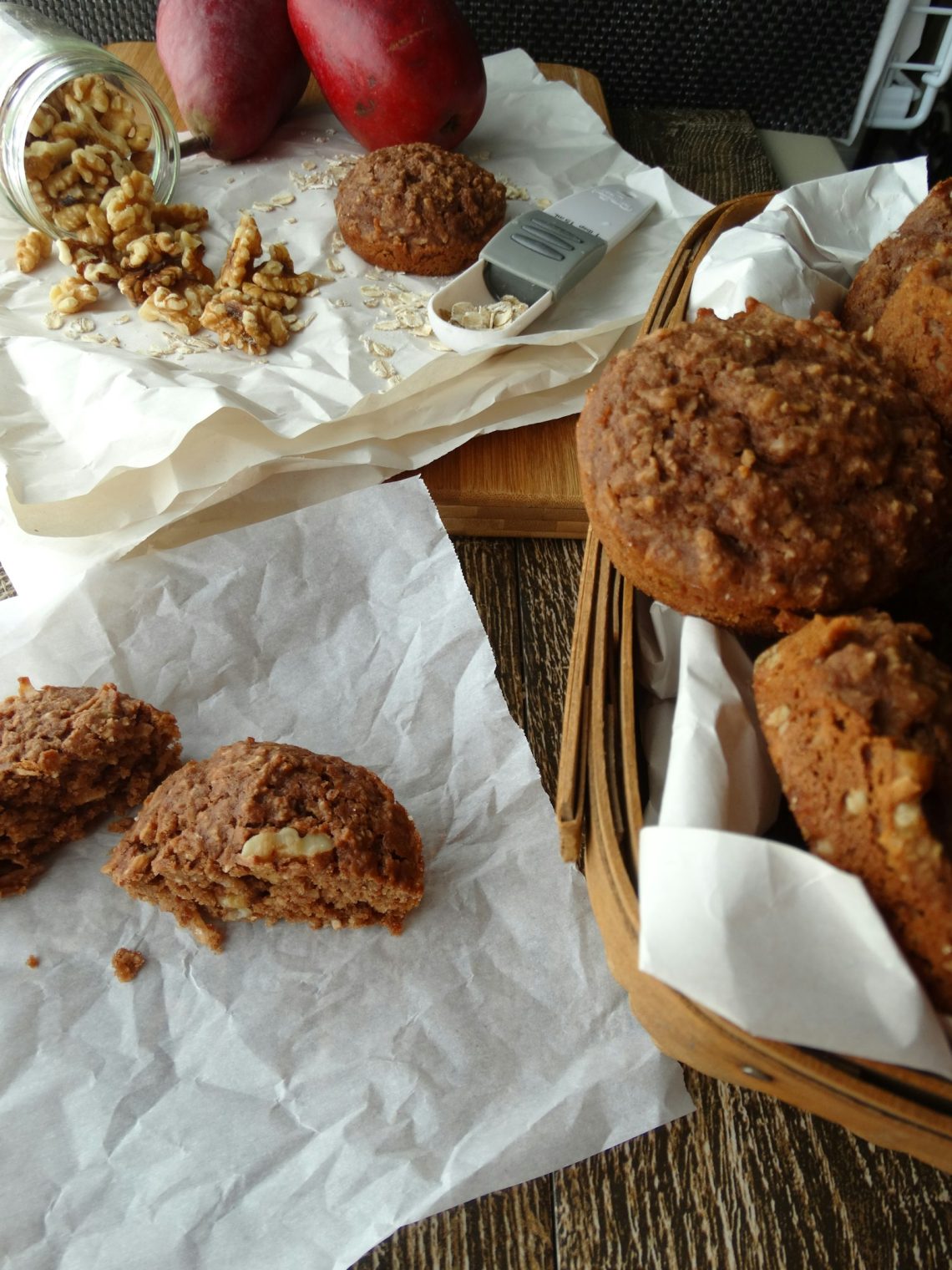
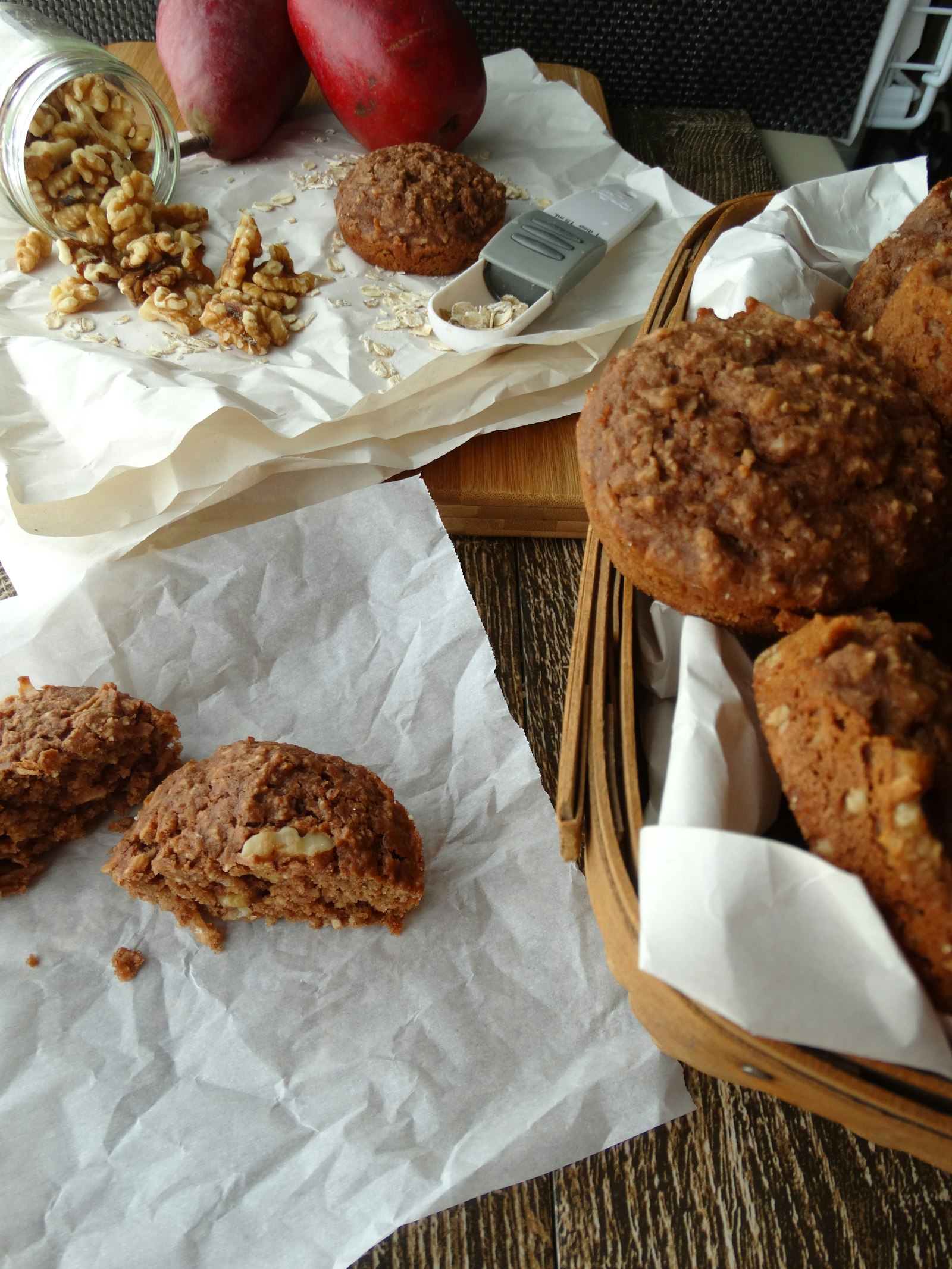
These pear ginger oat muffins make a small batch of six: rolled oats soak in milk while the oven heats, then a hand-mixed batter flavored with ground ginger and brown sugar is folded around small cubes of ripe pear. They bake at 375°F in 20 to 24 minutes and come out tender, gently spiced, and studded with soft fruit. No mixer, no frosting, and you use one whole egg, so there is nothing to divide or waste.
At a glance
- Makes: 6 standard muffins
- Time: about 55 to 60 minutes, including a 10-minute oat soak and 15 minutes of cooling
- Oven: 375°F (190°C), center rack, 20 to 24 minutes
- Method: two bowls, a whisk, and a spatula; fold, do not beat
- Done when: tops spring back and a skewer in the crumb (not a pear cube) comes out free of raw batter
Affiliate disclosure: As an Amazon Associate I earn from qualifying purchases. The paid links below open Amazon search results so you can compare suitable tools.
Why these pear ginger oat muffins work
The oat soak. Rolled oats are dry and absorbent. If they go straight into a batter, they keep pulling moisture from the crumb as the muffins bake and sit, which can leave them dry. Soaking the oats in the milk for 10 minutes hydrates them first, so they bake into soft, distinct flakes and the muffins stay moist.
Oil instead of butter. Oil stays liquid at room temperature, so oil-based muffins feel tender even the next day. It also means no creaming and no waiting for butter to soften.
The muffin method. Wet and dry ingredients are mixed separately, then folded together briefly. Once flour is moistened, further stirring develops gluten, which leads to tough muffins with tunnels. A slightly lumpy batter is what you want.
Pear and ginger. Pear is mild and floral, and ground ginger adds steady warmth through every bite without the sharp heat of fresh ginger. Brown sugar adds a light caramel note that suits both.
Ingredients for pear ginger oat muffins
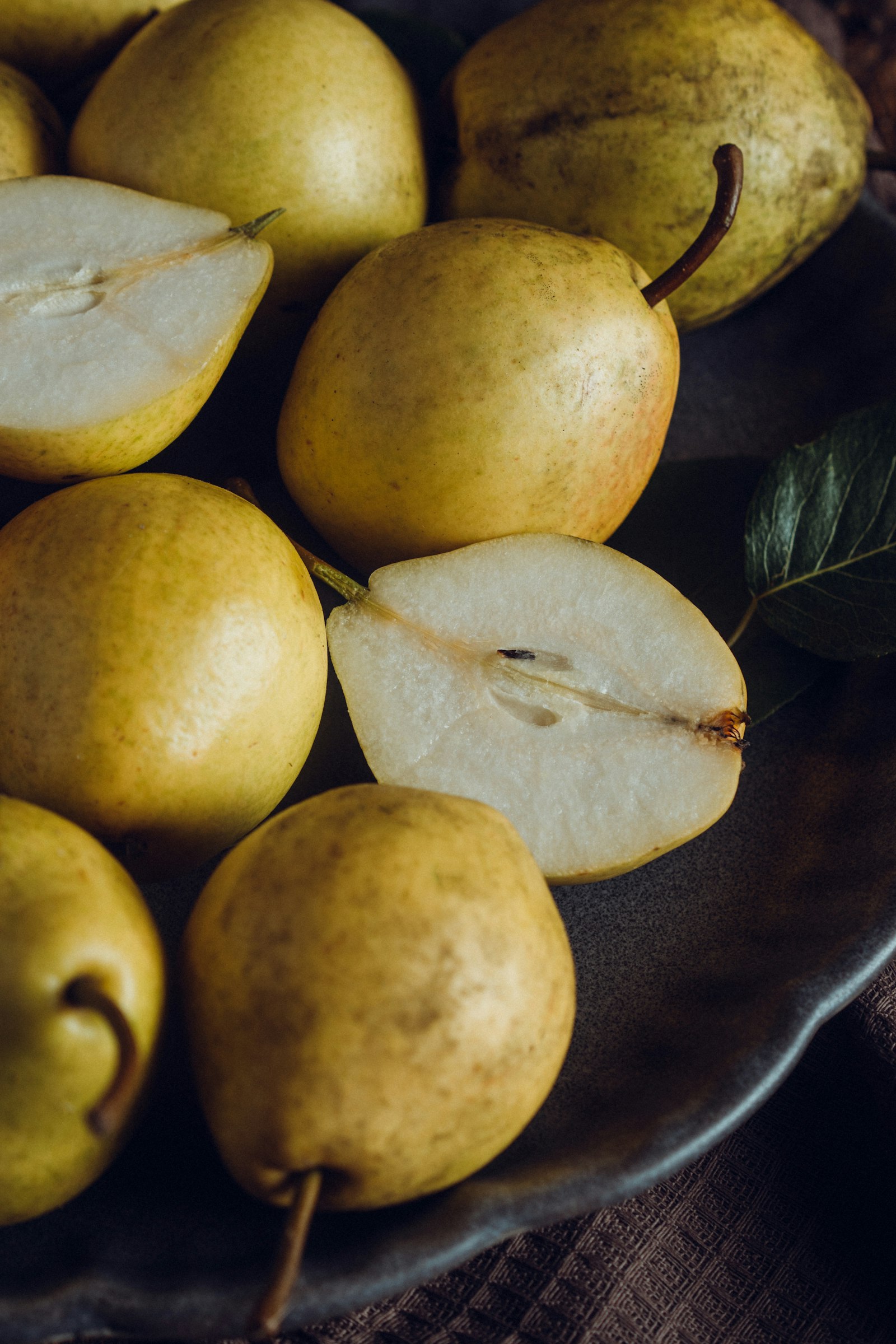
Pear: A ripe but firm pear is best. Press gently near the stem; it should give slightly without feeling mushy. Very hard pears can stay crunchy after baking, and very soft ones turn to puree and release extra juice. Bartlett, Anjou, and Bosc all work if the ripeness is right. Peel the pear if the skin is thick; tender skin can stay on. Dice it into roughly 1/4-inch cubes and measure the diced fruit (3/4 cup, about 100 g) instead of assuming one pear equals one portion.
Oats: Old-fashioned rolled oats give visible, tender flakes. Quick oats absorb liquid faster and make a smoother, more uniform crumb. Steel-cut oats are too hard for this method, and flavored instant oatmeal packets contain sugar and other ingredients that change the recipe.
Flour: All-purpose flour, spooned into the cup and leveled, or weighed at 90 g. Scooping straight from the bag packs the flour and can add enough extra to make the muffins dry.
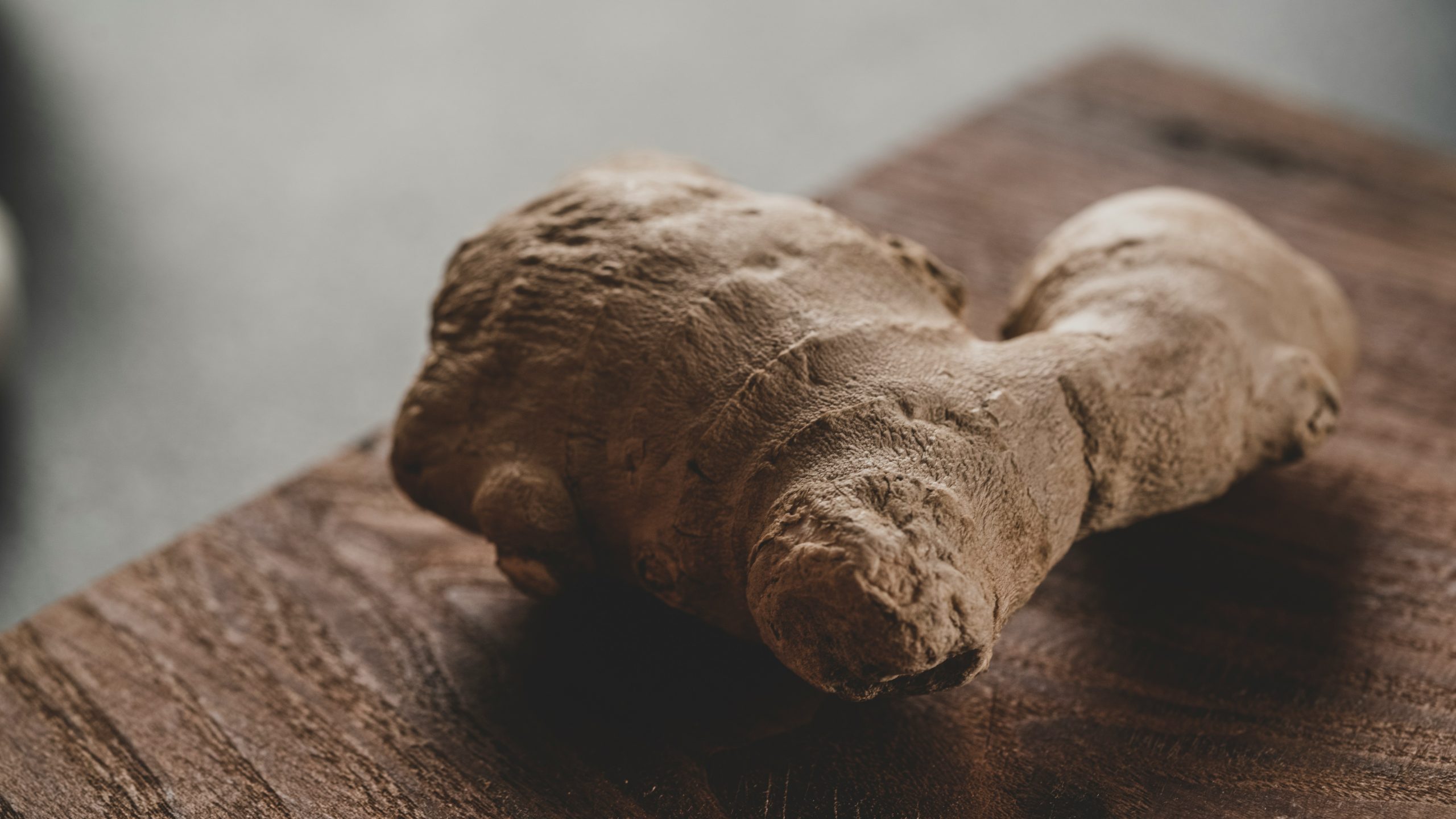
Ground ginger: Use fresh, aromatic ground ginger. If your jar has lost its scent, replace it rather than adding more; a large amount of stale spice tastes dusty. Fresh grated ginger and crystallized ginger are not one-to-one swaps (see variations below).
Everything else: one large egg, light brown sugar, a neutral oil such as canola, vanilla, baking powder, and a pinch of salt. Any milk works, including unsweetened oat or soy beverage.
Equipment: A standard muffin pan (paid link) with wells of about 1/2 cup, a flexible spatula (paid link) for folding, and a digital kitchen scale (paid link) if you want to weigh the flour. You also need two bowls, a whisk, paper liners or oil, and a cooling rack.
How to make pear ginger oat muffins
Exact quantities are in the printable card below. Here is what to look for as you go.
- Soak the oats. Stir the rolled oats into the milk in a medium bowl and let them sit for 10 minutes. They should look damp and slightly softened, with a little milk still visible.
- Heat the oven and prep the pan. Heat the oven to 375°F (190°C) with a rack in the center. Line or lightly grease six standard muffin wells. Core and dice the pear, then measure it.
- Whisk the dry ingredients. In a second bowl, whisk the flour, baking powder, ground ginger, and salt thoroughly so there are no pockets of leavening or spice.
- Finish the wet ingredients. Add the egg, brown sugar, oil, and vanilla to the soaked oats. Whisk until the egg is fully blended and the brown sugar lumps are gone. The oats will still be visible.
- Fold gently. Add the dry mixture to the wet bowl and fold with a spatula until only a few streaks of flour remain. Add the pear and fold just until it is distributed and the last dry flour disappears. Stop while the batter still looks a little lumpy.
- Fill the wells. Divide the batter evenly among the six wells, about three-quarters full. Nudge pear pieces around with a spoon if one muffin got most of the fruit. Do not press the batter down.
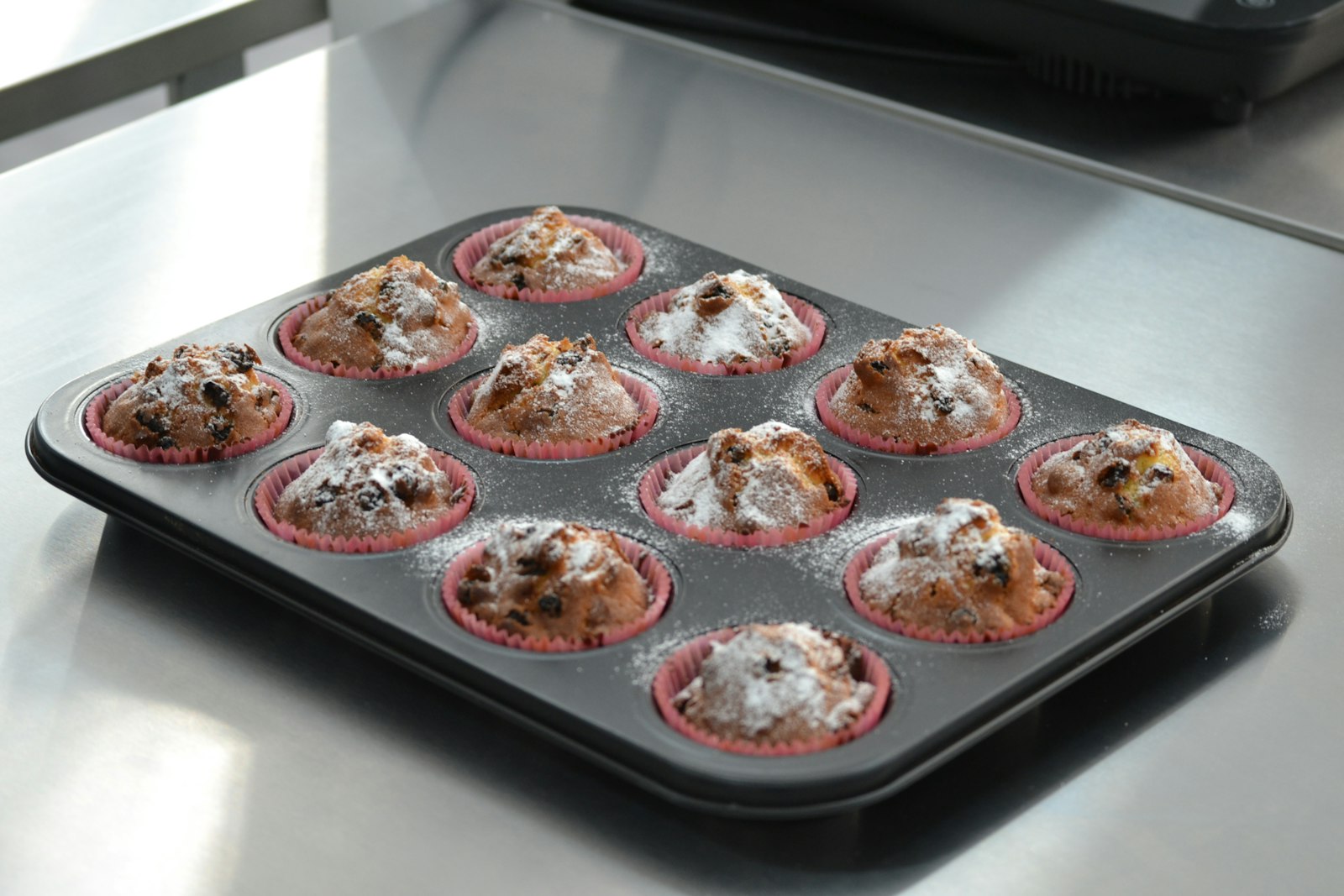
- Bake and test. Bake 20 to 24 minutes, until the tops are set, lightly golden, and spring back when pressed. Insert a skewer into the center of a muffin, avoiding pear cubes. It should come out without raw batter. If you hit fruit, test a second spot. An instant-read thermometer in the center should read around 200°F.
- Cool. Leave the muffins in the pan for 5 minutes, then move them to a rack for at least 10 minutes so the bottoms do not steam and the crumb firms up.
Tip: wet fruit or raw batter? A skewer pushed through a pear pocket can look wet even when the muffin is done. Cooked pear looks like soft, glossy fruit; raw batter looks creamy and pasty. When in doubt, test a second spot rather than overbaking.
Choosing oats for pear ginger oat muffins
The oat type changes texture more than any other ingredient. Use this table to decide what you have on hand.
| Oat type | Works here? | Result |
|---|---|---|
| Old-fashioned rolled oats | Yes (recommended) | Soft, visible flakes and a hearty but tender crumb |
| Quick oats | Yes | Smoother, more cake-like crumb; flakes less noticeable |
| Steel-cut oats | No | Stay hard and gritty in the short soak and bake |
| Flavored instant packets | No | Added sugar and flavorings throw off the recipe |
| Oat flour or ground oats | Not as a swap | Absorbs liquid differently; changes structure |
Resist adding extra milk if the raw batter looks thick. It should drop from a spoon rather than pour. The pear releases juice as it bakes, and a looser batter can make the centers heavy or sunken.
Troubleshooting
- Dry or crumbly muffins: Usually too much flour or overbaking. Weigh the flour or spoon and level it, and start checking at 20 minutes.
- Tough texture or tunnels: The batter was mixed too much after the flour went in. Fold only until the flour disappears.
- Sunken centers: Underbaking, opening the oven before the muffins set, or too much liquid (very juicy pear or extra milk). Check your oven temperature with an oven thermometer.
- Dense, wet bottom layer: Very ripe, juicy fruit or uneven filling. Blot juicy diced pear lightly on a towel and divide the batter evenly.
- Crunchy pear pieces: The pear was underripe or diced too large. Use a firm-ripe pear cut about 1/4 inch.
- Bland flavor: Old ground ginger or too little salt. Replace the spice and make sure the 1/8 teaspoon of salt goes in.
Variations and substitutions
Milder spice: Reduce the ground ginger to 1/2 teaspoon, or swap 1/4 teaspoon of it for cinnamon.
Crystallized ginger: Keep the ground ginger and fold in 1 to 2 tablespoons of finely chopped crystallized ginger with the pear for chewy, sweet-hot pieces. It adds sugar, so do not increase the brown sugar.
Fresh ginger: Fresh grated ginger is sharper and wetter than ground. If you want to try it, add about 1 teaspoon grated fresh ginger to the wet ingredients in addition to a reduced 1/2 teaspoon of ground, rather than replacing the ground entirely.
Nuts: Fold in 2 tablespoons of finely chopped walnuts or pecans with the pear. Keep the amount small so the muffins still split cleanly.
Crunchy top: Sprinkle a little coarse or turbinado sugar, or a few extra rolled oats, over each muffin before baking. This adds sweetness and texture more predictably than putting more sugar in the batter.
Dairy-free: Use unsweetened oat or soy beverage in place of milk; the oil already keeps it butter-free. The egg stays. If you need an egg-free muffin, try the eggless applesauce muffins instead of removing the egg here.
A full dozen: Double every ingredient, including the egg, and fill twelve standard wells. Bake time stays about the same.
Serving ideas for breakfast
Serve a muffin warm with plain or vanilla yogurt and a few slices of fresh pear, or with a smear of butter, nut butter, or cream cheese. The oats make them filling enough to pair with just a cup of tea or coffee. For a bigger weekend breakfast, set them out alongside scrambled eggs and fruit, or serve them with small-batch banana oat pancakes for a mix of textures.
Printable pear ginger oat muffins recipe
Pear Ginger Oat Muffins (Makes 6)
Ingredients
Equipment
Method
- Hydrate the oats. Combine the rolled oats and milk in a medium bowl. Let stand for 10 minutes while preparing the pan and pear. The oats should look damp and slightly softened, with some milk still visible.
- Preheat and prepare. Heat a conventional oven to 375°F (190°C). Set a rack in the center. Line or lightly grease six standard muffin wells. Core and dice the pear, then measure the prepared fruit.
- Whisk the dry mixture. Combine the flour, baking powder, ground ginger, and salt in a separate bowl. Mix thoroughly so the ginger and leavener do not remain in concentrated pockets.
- Finish the wet bowl. Add the egg, brown sugar, oil, and vanilla to the oats and milk. Whisk until the egg is blended and the larger sugar lumps disappear. The soaked oats will remain visible.
- Fold in flour and pear. Add the dry mixture to the wet ingredients and fold until only a few flour streaks remain. Add the pear and fold just enough to distribute it and remove the remaining dry flour. Stop while the batter still looks slightly lumpy.
- Fill the pan evenly. Divide the batter among the six wells, generally filling them three-quarters full. Use a small spoon to share out pear pieces if one portion contains most of the fruit. Smooth only large peaks; do not press the batter down.
- Bake and check more than one spot. Bake for 20–24 minutes. The tops should be set and lightly golden. Insert a skewer into the center of a muffin, avoiding a pear cube if possible; it should come out without raw batter. Test a second spot if the first passes through fruit.
- Release the steam. Cool in the pan for 5 minutes, then move to a rack for at least 10 minutes. Letting the muffins breathe keeps the bottoms from sitting in trapped steam and gives the crumb time to become less fragile.
Notes
Storing and reheating the muffins
Let the muffins cool completely so condensation does not make the tops sticky. Because they contain moist fresh fruit, the conservative approach is to cover them and refrigerate within 2 hours (1 hour if the kitchen is above 90°F), then eat them within 3 to 4 days. A paper towel in the container absorbs excess moisture.
To freeze, wrap cooled muffins individually and place them in a freezer bag. For best quality, use within about a month. Thaw overnight in the refrigerator or warm straight from frozen.
To rewarm, microwave a single muffin in 10-second bursts until just warm, or wrap it loosely in foil and heat in a 300°F oven for several minutes. Gentle heat keeps the edges from drying out. Warm only what you plan to eat.
Food-safety note: The batter contains raw egg and flour, so do not taste it before baking. Wash bowls and utensils in hot, soapy water. The USDA leftovers guidance explains the 2-hour rule for perishable foods.
Make-ahead tip: Measure the dry ingredients into a covered bowl the night before. In the morning, soak the oats, dice the pear, and mix. Do not mix the full batter ahead: the baking powder starts working as soon as it is wet.
Frequently asked questions
Can I use canned pears?
Fresh pear gives the best texture. Canned pears are already soft and carry more liquid. If you try them, drain well, blot dry, and use the same measured amount, but expect softer fruit and possibly a few extra minutes of baking.
Can I grate the pear instead of dicing it?
Grating releases much more juice into the batter and changes the moisture balance. Stick with a small dice for this recipe so you get distinct pieces of fruit and a properly set crumb.
Why does the recipe make only six muffins?
Six is the amount that uses one whole egg and one pear without leftovers of either. It suits small households. Double everything for twelve.
Can I make them less sweet or sweeter?
Ripe pear adds natural sweetness, so try the recipe as written first. You can reduce the brown sugar by a tablespoon for a less sweet muffin. For more sweetness, a sprinkle of coarse sugar on top is more reliable than adding sugar to the batter.
Do I need to grind the oats?
No. Use the rolled oats whole and let them soak in the milk. Grinding them turns them into oat flour, which absorbs liquid differently and changes the texture.
Can I make these gluten-free?
You can try a cup-for-cup gluten-free flour blend in place of the all-purpose flour, along with oats labeled gluten-free. The texture will differ somewhat from the original.
Final thoughts on pear ginger oat muffins
Pear ginger oat muffins are a simple, small-batch breakfast bake that rewards a few careful habits: soak the oats, measure the flour lightly, choose a ripe but firm pear, and fold the batter just until combined. Test the crumb rather than the fruit, cool the muffins on a rack, and refrigerate or freeze any extras so you have a warm, gently spiced breakfast ready for the next few mornings.




