
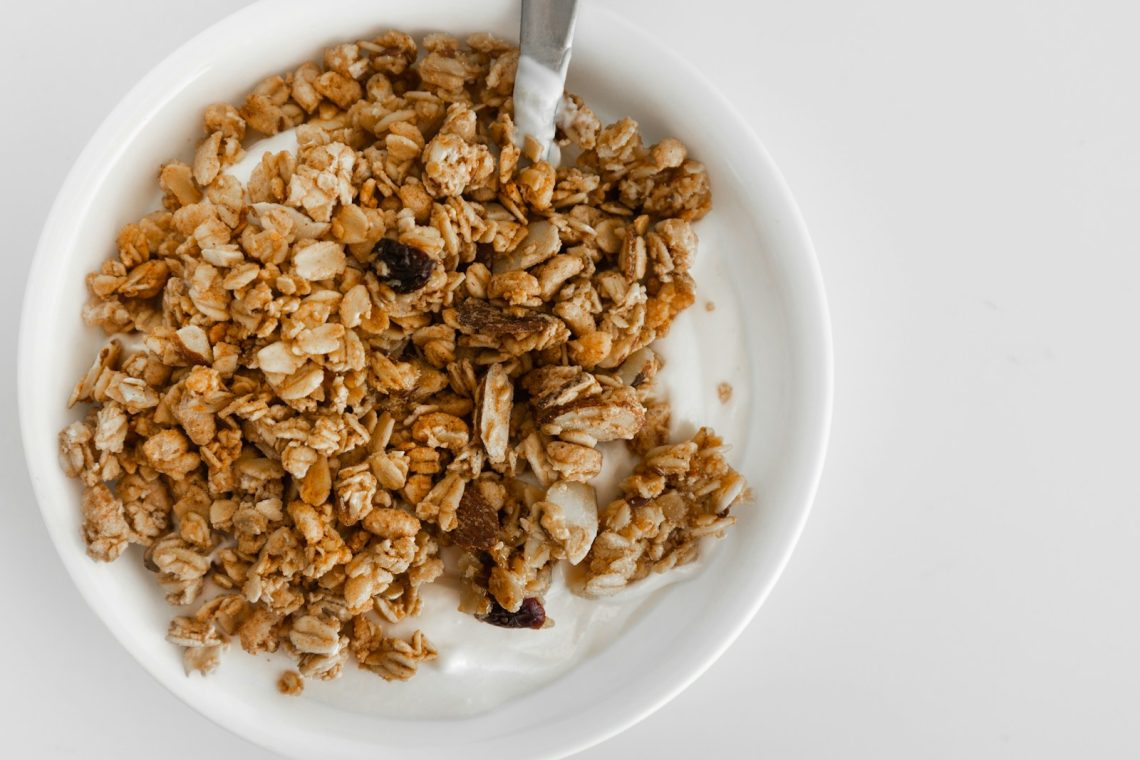
This small batch lemon sunflower seed granola turns a cup of oats into a lightly sweet, crisp topping with a clear citrus aroma. Raw sunflower kernels provide crunch, while maple syrup and oil coat the flakes evenly. A small pan and a thin layer make the batch practical for a household that does not need a large jar.
Affiliate disclosure: As an Amazon Associate I earn from qualifying purchases. These paid links open Amazon search results for comparing equipment.
Use a 9-by-13-inch quarter-sheet pan (paid link) for the granola and a fine grater (paid link) for the lemon zest. If using a larger sheet, keep the mixture in the same roughly 8-by-9-inch area described below.
Lemon zest is the key ingredient. It brings flavor without the extra water in lemon juice, which can make the mixture take longer to dry. The method also leaves time for complete cooling, because granola does not reach its final crispness the moment it leaves the oven.
Use lemon zest without adding wet citrus too early
- Rub zest into the sweetener or oil so its fragrant oils spread through the oats.
- Coat sunflower seeds evenly and press the mixture firmly if clusters are desired.
- Rotate the pan for even browning and stir minimally for larger pieces.
- Cool completely before breaking; the crisp texture develops after the tray leaves the oven.
Avoid adding lemon juice before baking unless the formula specifically includes it. Extra liquid can soften clusters and change the measured syrup balance.
Decide whether you want clusters or loose flakes
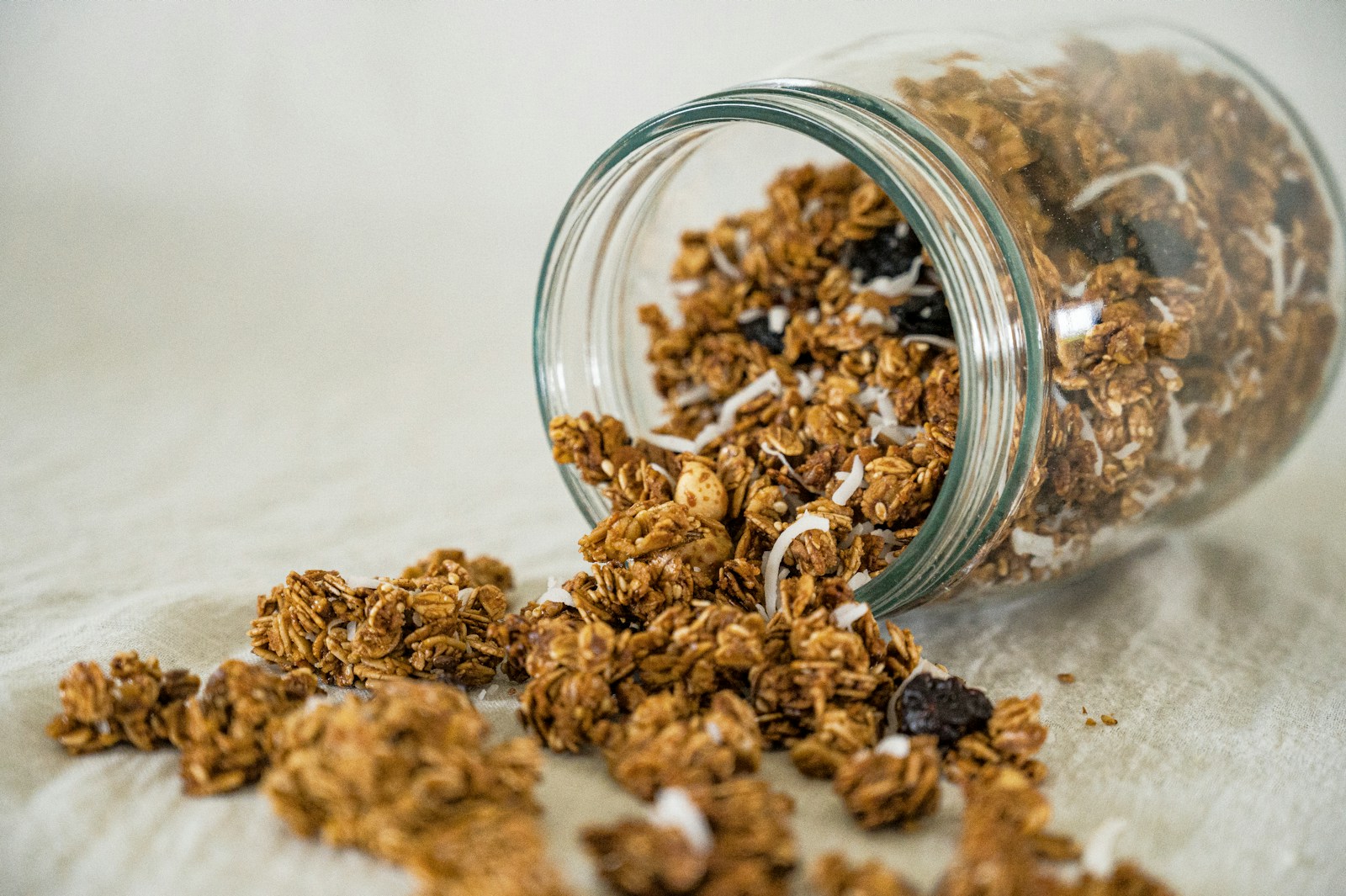
This recipe can make a loose cereal or modest clusters. For clusters, press the mixture together after the mid-bake stir and let it cool undisturbed. For a loose topping, stir it again as it cools. Either way, the ingredient amounts remain the same.
Do not expect very large, hard clusters from a lightly coated small batch. The oats and seeds are meant to remain recognizable, with enough sweetness to bind some pieces rather than creating a candy-like shell. That makes the granola useful on yogurt, fruit, or another cereal.
Use hulled sunflower seeds, also called kernels. Seeds still in their shells are not suitable. Raw kernels toast along with the oats; already roasted seeds need a different addition time so they do not become bitter or too dark.
Small batch lemon sunflower seed granola
Yield: approximately 1 1/2–1 3/4 cups, depending on cluster size, or about six small 1/4-cup portions. Preparation: 10 minutes. Baking: 20–25 minutes. Cooling: 30 minutes. Total: about 1 hour.
Equipment: a rimmed 9-by-13-inch quarter-sheet pan, parchment, mixing bowl, spatula, and fine grater. A larger sheet pan works too; keep the mixture gathered into the same roughly 8-by-9-inch area rather than spreading it across the entire surface.
Ingredients
- 1 cup old-fashioned rolled oats, approximately 90 g
- 1/4 cup raw hulled sunflower seeds, approximately 35 g
- 2 tablespoons maple syrup
- 1 tablespoon neutral oil, such as canola
- 2 teaspoons finely grated lemon zest
- 1/4 teaspoon vanilla extract
- 1/8 teaspoon fine salt
- 2 tablespoons dried blueberries or raisins, optional, added after baking
Coat, bake, and cool
- Prepare the oven and lemon. Heat a conventional oven to 300°F (150°C). Line the pan with parchment. Wash and dry the lemon, then grate only the yellow peel. Measure the zest rather than assuming the entire lemon provides the intended amount.
- Mix the coating first. In the bowl, stir together the maple syrup, oil, zest, vanilla, and salt. Break apart clumps of zest so the lemon flavor spreads through the mixture instead of staying in one area.
- Add oats and seeds. Stir in the rolled oats and raw sunflower kernels. Turn the mixture over repeatedly with the spatula until the flakes look lightly coated. Scrape any syrup from the bottom of the bowl and mix it back through.
- Spread a thin layer. Tip onto the prepared pan and spread into an approximately 8-by-9-inch rectangle. Keep the layer fairly even, roughly 1/4 inch thick. Avoid a thick pile in the middle and isolated flakes around the edges.
- Bake, then redistribute. Bake for 10 minutes. Stir, moving the outer flakes toward the center and the center toward the edges. Spread evenly again. For clusters, press the mixture lightly into a connected layer after stirring.
- Finish by color and aroma. Bake for another 10–15 minutes, checking regularly near the end. The oats should be lightly golden and smell toasted, and the seeds should not be dark brown. The mixture will still feel somewhat soft while hot.
- Cool completely. Leave on the pan for about 30 minutes. For clusters, wait until cool before breaking the sheet gently. For loose granola, stir once or twice as it cools. Add the optional dried fruit only after baking.
- Check before storing. Taste a cooled piece. It should be crisp, not damp or chewy. If necessary, return the granola to the oven for a few more minutes and cool again before putting it in an airtight container.
Why zest works better than juice here
The small amount of coating needs to spread across the oats and then dry. Lemon juice brings water and acidity but much less concentrated peel aroma. Adding several tablespoons of juice makes a wetter mixture without guaranteeing the same lemon flavor.
Use a fine grater to create small pieces that blend into the coating. Long strips can dry into tough curls. If the zest feels wet because the lemon was just washed, dry the fruit thoroughly before grating the next portion.
You can use the remaining lemon juice elsewhere, but do not pour it over the baked granola before storage. Add juicy fruit to the serving bowl at the last moment so the whole jar stays crisp.
Pay attention to pan coverage
A small quantity scattered very widely can brown unevenly. Keeping the mixture in a defined area produces a more consistent layer, while stirring once halfway through helps account for hotter pan edges and oven spots.
A dark baking sheet can brown the underside faster than a light-colored one. Begin checking early if yours is dark, and use the smell as well as the color. Sunflower seeds can move quickly from pleasantly toasted to harsh and bitter.
The Quaker granola directions provide a useful reference for coating oats, stirring during baking, adding dried fruit afterward, and cooling fully before storage. This smaller lemon batch uses its own lower-temperature method, so its timing should be judged on the actual pan.
Useful ingredient changes
Roasted sunflower kernels: stir them in for the final 5 minutes of baking instead of the full bake. If they are salted, omit the measured salt and taste the cooled granola before adjusting.
Pumpkin seeds: raw pepitas can replace sunflower kernels in the same volume. They are larger, so the finished clusters may look different. Keep an eye on their color and avoid assuming every seed variety toasts at exactly the same speed.
Honey: it can replace the maple syrup, but it is thicker and may brown differently. Warm it only enough to stir with the oil, then monitor the pan closely. A honey version needs its own texture check after cooling.
Quick oats: they make a finer, more broken mixture. Steel-cut oats are not suitable for this short dry bake. Use old-fashioned rolled oats when you want visible flakes and the most straightforward result.
Build a bowl around a small portion
Scatter granola over plain yogurt and fresh berries just before eating. The lemon aroma works well with blueberries, sliced strawberries, and ripe peaches. It can also add texture to a bowl of apple tahini overnight oats.
For a richer topping, combine a spoonful of granola with a drizzle of homemade peanut butter over banana slices. Add the nut butter to the serving, not the storage jar, so you can preserve the cereal’s dry texture.
The stated portion is a topping amount, not a promise that it will be a complete breakfast for every person. Serve more or less according to the rest of the meal. The small batch makes it easy to try the flavor without committing to several weeks of granola.
Fix softness and prevent stale flavor
If the cooled granola is soft, spread it back on the pan and bake for 3–5 minutes more, then cool again. This is more useful than adding extra oats to an already finished mixture. A thick layer or an oven running cool can leave moisture behind.
If the oats are crisp but the seeds taste bitter, they probably toasted too far or were stale before baking. Taste a kernel before making the next batch and store opened seeds according to their package directions.
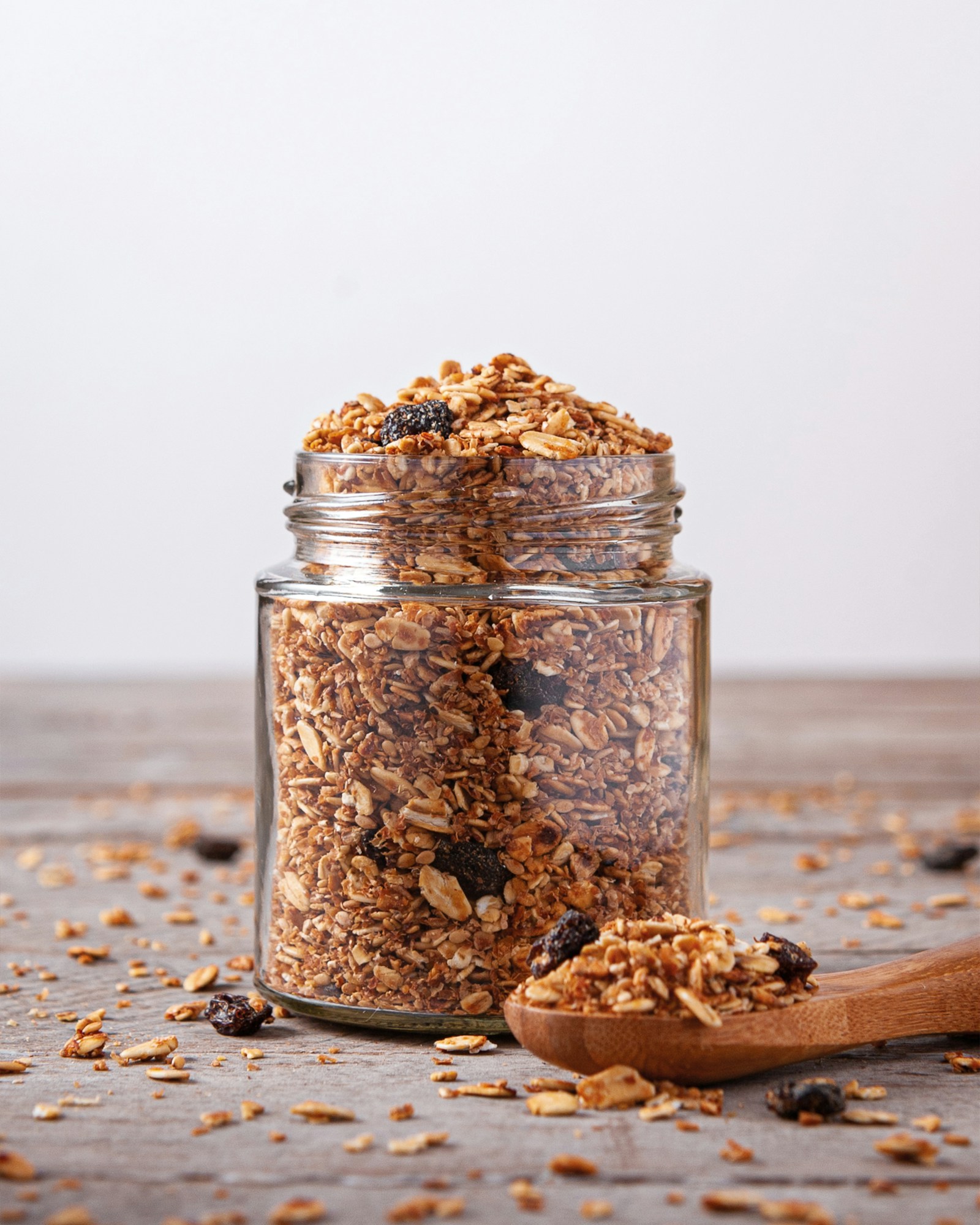
Cool completely before sealing. Warm granola releases steam, which can condense in the container and soften the cereal. Keep the finished mixture airtight in a cool, dry place and use within a week for best quality.
Frequently asked questions
Can I leave out sunflower seeds?
You can make an oat-only version, but the coating will be richer relative to the remaining dry ingredients. Replace the seeds with another 1/4 cup oats if you want to keep the basic balance close to the original.
Why are the clusters small?
This recipe uses a modest amount of syrup and no additional binder. Pressing after the mid-bake stir and cooling undisturbed encourages small clusters. Large, hard clusters would need a different formula.
Can I add dried fruit before baking?
Add it afterward. Small dried fruit pieces can become hard or scorch during the bake. Stirring them into cooled or nearly cooled granola preserves a more pleasant chew.
Can I freeze the granola?
Yes, freeze cooled granola in a tightly sealed container for up to a month for best quality. Let the container come toward room temperature before opening so condensation is less likely to settle directly on the cereal.
Can I double the recipe?
Yes. Use a larger sheet and maintain a thin layer. The baking time may change slightly with oven loading, but it should not be doubled. Stir and check the color as described.
What gives the strongest lemon aroma?
Fresh, finely grated zest is the intended source of flavor in small batch lemon sunflower seed granola. Use a fragrant lemon and keep the measured zest well distributed through the syrup and oil.
Small Batch Lemon Sunflower Seed Granola
Ingredients
Equipment
Method
- Prepare the oven and lemon. Heat a conventional oven to 300°F (150°C). Line the pan with parchment. Wash and dry the lemon, then grate only the yellow peel. Measure the zest rather than assuming the entire lemon provides the intended amount.
- Mix the coating first. In the bowl, stir together the maple syrup, oil, zest, vanilla, and salt. Break apart clumps of zest so the lemon flavor spreads through the mixture instead of staying in one area.
- Add oats and seeds. Stir in the rolled oats and raw sunflower kernels. Turn the mixture over repeatedly with the spatula until the flakes look lightly coated. Scrape any syrup from the bottom of the bowl and mix it back through.
- Spread a thin layer. Tip onto the prepared pan and spread into an approximately 8-by-9-inch rectangle. Keep the layer fairly even, roughly 1/4 inch thick. Avoid a thick pile in the middle and isolated flakes around the edges.
- Bake, then redistribute. Bake for 10 minutes. Stir, moving the outer flakes toward the center and the center toward the edges. Spread evenly again. For clusters, press the mixture lightly into a connected layer after stirring.
- Finish by color and aroma. Bake for another 10–15 minutes, checking regularly near the end. The oats should be lightly golden and smell toasted, and the seeds should not be dark brown. The mixture will still feel somewhat soft while hot.
- Cool completely. Leave on the pan for about 30 minutes. For clusters, wait until cool before breaking the sheet gently. For loose granola, stir once or twice as it cools. Add the optional dried fruit only after baking.
- Check before storing. Taste a cooled piece. It should be crisp, not damp or chewy. If necessary, return the granola to the oven for a few more minutes and cool again before putting it in an airtight container.




