Saved bacon drippings work best as a measured flavoring fat, not as a universal one-for-one replacement for butter or oil. Strain the warm fat, refrigerate it in a clean covered container, and begin with 1 teaspoon to 1 tablespoon depending on the dish. Taste before adding salt because the seasoning level varies with the bacon.
- Start with 1 tsp–1 tbsp
- Strain and refrigerate
- Taste before salting
Useful uses of bacon grease include eggs, potatoes, beans, cornbread, gravy, fried rice, and warm vinaigrette. The starting amounts below keep the smoky flavor measured; add salt only after tasting.
| Use | Starting amount | Main caution |
|---|---|---|
| Eggs or sautéed vegetables | 1 teaspoon per skillet batch | Taste before salting |
| Roasted vegetables or potatoes | 1 tablespoon per pound | Coat lightly; do not leave puddles |
| Beans or fried rice | 1 tablespoon per 4 cups | Add more only after tasting |
| Gravy | 2 tablespoons fat per 2 tablespoons flour | Whisk in liquid gradually |
| Finishing fat | About 1 teaspoon per serving | Keep away from very high heat |
Collect and strain bacon grease safely
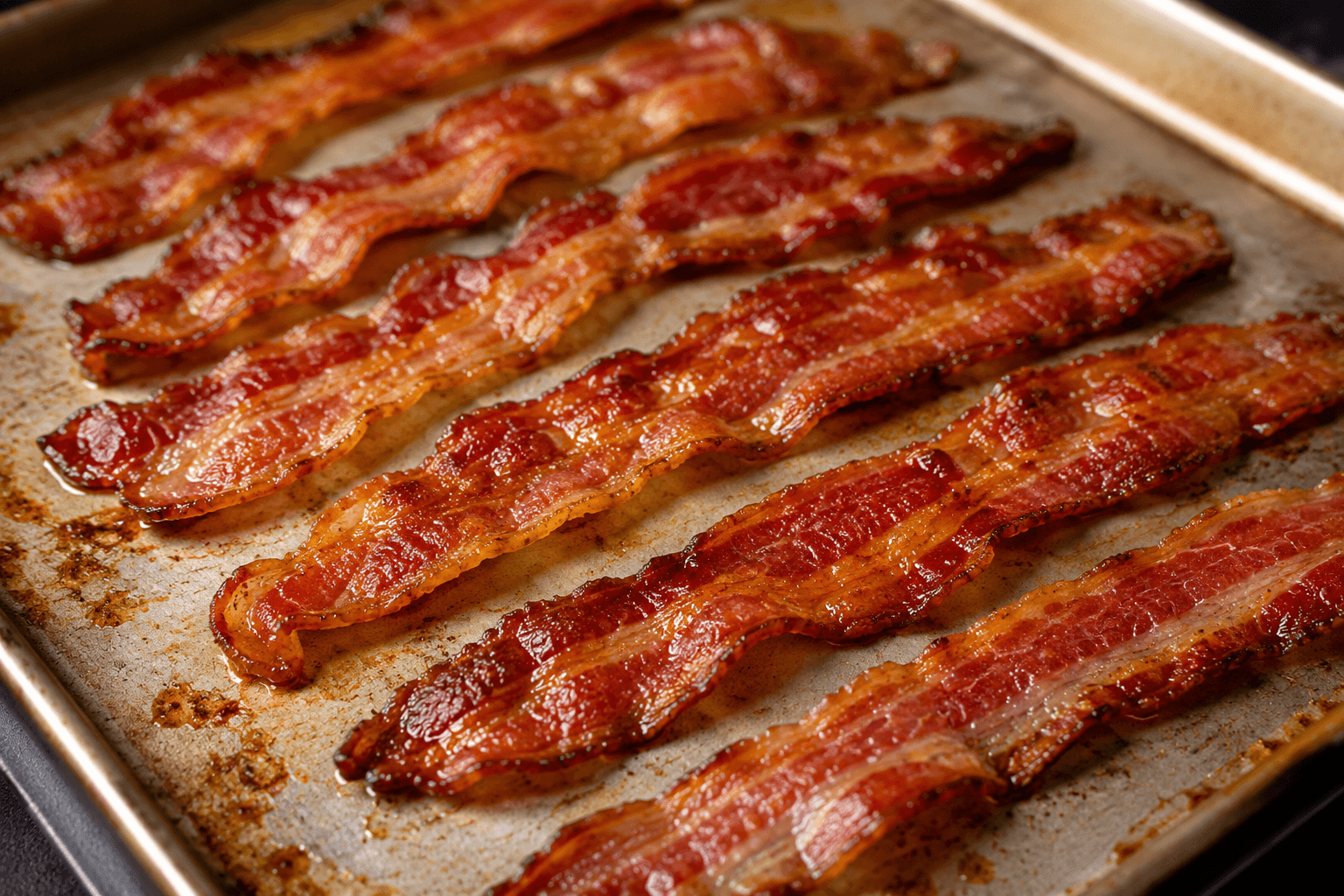
Start with fully cooked bacon and a clean heat-safe container. Let the drippings cool just enough that they are no longer violently bubbling, then pour them through a fine-mesh strainer or a coffee filter set over the container. Straining removes browned meat particles that can make the stored fat taste stale sooner.
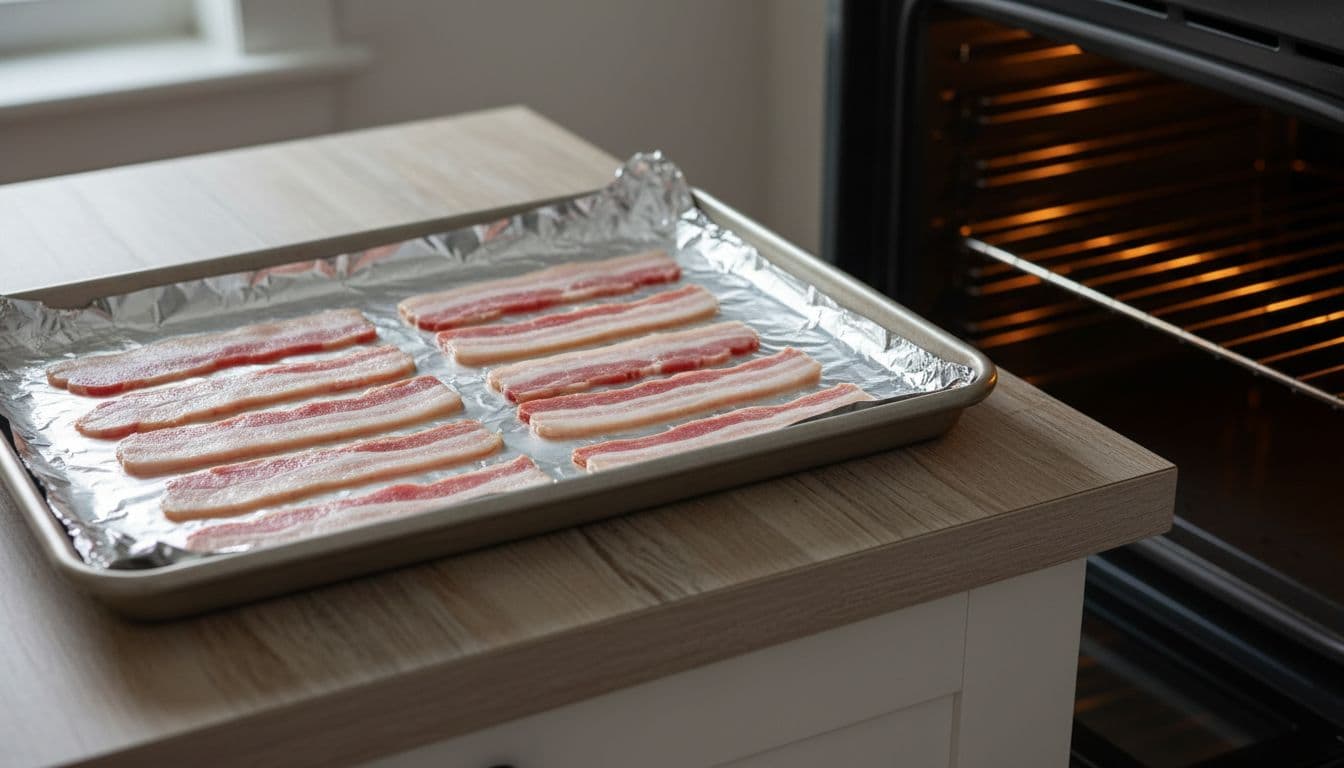
- Cook the bacon using your preferred method. For measured oven guidance, see how long to bake bacon at 400°F.
- Move the cooked bacon to a plate, leaving the drippings in the pan.
- Allow the fat to cool slightly, but strain it while it is still liquid.
- Use a clean, dry, heat-safe container. Avoid pouring very hot grease into cold glass.
- Cover and refrigerate once the container can be handled safely.
Do not pour bacon grease down the sink. It cools into a solid coating that can clog household plumbing and sewer lines. Wipe small residues into the trash; let larger unwanted amounts solidify in a disposable container before discarding them according to local waste guidance.
15 practical ways to cook with bacon grease
1. Fry or scramble eggs
Melt 1 teaspoon in an 8- to 10-inch skillet over medium-low heat. For fried eggs, swirl the fat into a thin film before adding one or two eggs. For scrambled eggs, use the same amount and reduce or omit added salt until tasting. If the fat begins smoking before the eggs enter the pan, remove the skillet from the heat and let it cool.
2. Roast vegetables
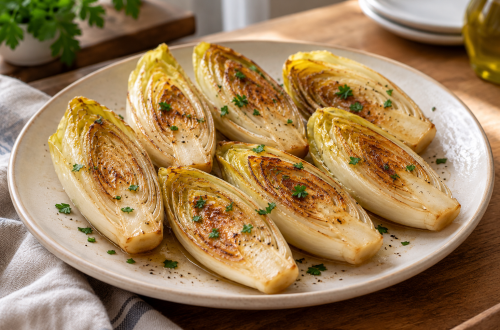
Use about 1 tablespoon melted, strained grease per pound of cut vegetables. Toss until the surfaces look lightly coated rather than wet, then roast according to the vegetable’s own temperature and tenderness cues. Bacon fat works especially well with Brussels sprouts, cabbage, carrots, broccoli, and potatoes. For asparagus, use the timing and doneness checks in this roasted asparagus with Parmesan recipe and reduce its other added fat rather than stacking both amounts.
3. Crisp breakfast potatoes
For 1 pound diced cooked or par-cooked potatoes, start with 1 tablespoon bacon grease in a wide skillet. Heat over medium, add the potatoes in one layer, and leave them undisturbed long enough to brown before turning. A crowded pan traps steam, so use two batches if the pieces overlap heavily. Add onions or peppers only after the potatoes have begun to color.
4. Sauté greens, cabbage, or mushrooms
Start with 1 to 2 teaspoons for about 8 ounces of vegetables. Cook mushrooms until their released moisture evaporates; cook cabbage until the edges brown and the center is tender; add delicate greens near the end. If the pan dries before the vegetables are done, add a spoonful of water rather than enough bacon fat to make the dish greasy.
5. Brown lean burger patties
Use no more than 1 teaspoon to film a dry skillet before cooking lean patties. Regular ground beef usually releases enough fat on its own, so additional grease may only create splatter. Bacon fat adds flavor but does not replace a thermometer or the safe endpoint required for ground meat.
6. Build a crisp cornbread edge
Place 1 tablespoon bacon grease in a 9- or 10-inch cast-iron skillet and preheat the skillet as directed by the cornbread recipe. Swirl carefully to coat the bottom and lower sides before adding batter. The hot film encourages a browned crust. Treat this as pan preparation unless the formula specifically calls for bacon fat inside the batter.
7. Make a small batch of country-style gravy
Melt 2 tablespoons strained bacon grease over medium-low heat. Whisk in 2 tablespoons all-purpose flour and cook for about 1 minute without darkening it heavily. Gradually whisk in 1 cup milk, then simmer gently until the gravy coats a spoon. Add black pepper and taste before adding salt. If it becomes too thick, whisk in milk 1 tablespoon at a time. Serve it fresh; this is not a shelf-stable preserve.
8. Season beans without adding meat pieces
Stir 1 to 2 teaspoons into one drained 15-ounce can of beans, or about 1 tablespoon into 4 cups cooked beans. Simmer for several minutes so the fat disperses, then taste. Acidic ingredients such as tomatoes or vinegar can balance the richness, but they do not remove sodium or saturated fat.
9. Cook fried rice
For about 3 cups cold cooked rice, heat 1 tablespoon bacon grease in a wide skillet or wok. Cook the egg and vegetables first, then add the rice and toss until hot. Soy sauce, bacon fat, and any cooked bacon are all salty, so add sauce gradually. Use cold rice that was refrigerated promptly and reheat the finished dish to 165°F throughout, checking several spots with a food thermometer. Steam alone does not confirm the center temperature. See USDA leftover guidance.
10. Toast a savory sandwich
Melt about 1 teaspoon and brush a very thin layer over the outside of one sandwich. Cook over medium-low heat so the bread browns before the filling overheats. Bacon grease is more strongly flavored than butter, so combining the two fats is rarely necessary.
11. Pop stovetop popcorn
For 1/4 cup popcorn kernels, begin with 1 tablespoon strained bacon grease. If that does not form a thin film across the pot bottom, add a little neutral oil rather than a thick layer of grease. Heat over medium with the lid on and shake the pot occasionally. Reduce the heat immediately if the fat starts smoking.
12. Cook in cast iron, but do not confuse it with seasoning
Bacon fat is fine for cooking eggs, potatoes, or vegetables in cast iron. Deliberate oven seasoning is different: it polymerizes an extremely thin oil layer onto the metal. Lodge recommends a neutral, high-smoke-point oil such as vegetable or canola oil and specifically does not recommend animal fats for reseasoning because they can become rancid. Do not store a skillet with a visible layer of uncooked bacon grease.
13. Add bacon flavor to biscuits without guessing at the formula
Butter, shortening, and bacon grease do not contain the same amount of water or behave identically when chilled. The safest approach is to use a biscuit recipe written and tested for bacon fat. For an existing butter biscuit formula, brush a small amount of melted grease over the tops or grease the pan instead of making an untested one-for-one substitution.
14. Finish steak or pork after cooking
Bacon drippings can scorch during a very hot sear. Cook the meat with the fat specified by its recipe, then spoon about 1 teaspoon warm bacon grease over each serving after it leaves the heat. Taste before adding salt, and use a clean spoon that has not touched raw meat. Bacon flavor does not change the required internal-temperature check.
15. Whisk a warm bacon vinaigrette
For two to three servings, whisk 2 tablespoons warm liquid bacon grease with 1 tablespoon cider vinegar, 1 teaspoon Dijon mustard, 1/2 teaspoon honey, and black pepper. Taste before salting. Serve immediately over spinach or sturdy greens; it will thicken as the fat cools. This is a fresh serving dressing, not a shelf-stable bottled vinaigrette.
Common problems and practical fixes
The food tastes too salty
Do not add salt until the food has been cooked with the grease and tasted. If a finished batch is too salty, increase the unsalted portion of the dish when practical—more vegetables, beans, rice, or unsalted liquid—rather than trying to hide the salt with sugar.
The grease smokes in the pan
Move the pan off the heat and lower the burner. Smoke means the fat or browned particles are overheating. Straining helps, but bacon grease is still a poor choice for prolonged very-high-heat searing. Use a suitable neutral oil for the hot step and add bacon fat later for flavor.
The stored grease separates or contains dark bits
Small browned particles were not fully strained, or water entered the container. Do not keep topping an old jar with fresh drippings. Strain each batch into a clean container, refrigerate it, and label the date. Discard the entire container if you see mold or notice a rancid, sour, or otherwise unpleasant odor.
The dish feels heavy or greasy
Bacon grease is a concentrated fat and flavoring. Start with half the amount of neutral oil a recipe normally uses when the original quantity is flexible, then add only enough to coat the food or pan. Watery vegetables may need a wider pan and more evaporation, not more fat.
Storage and handling
Keep homemade bacon grease covered in a refrigerator held at 40°F (4°C) or below. Because homemade batches vary in moisture, meat particles, salt, and handling, this guide does not promise a universal multi-month refrigerator life. Save small amounts you expect to use soon, date each container, and freeze portions for longer quality storage if desired.
- Use clean, dry utensils every time.
- Do not return used pan fat or food crumbs to the storage jar.
- Keep new batches separate from older grease.
- Discard grease that is moldy, rancid-smelling, sour, discolored in an unusual way, or otherwise questionable.
- Do not taste questionable grease to decide whether it is safe.
The USDA’s bacon safety guidance explains that ordinary bacon is heat treated but not fully cooked before purchase. Cook the bacon according to its package and safe-handling directions before saving any drippings. USDA refrigeration guidance calls for a refrigerator temperature of 40°F or below.
When bacon grease is the wrong fat
Skip it when the smoke point is too low for the technique, when bacon flavor would compete with delicate ingredients, or when dietary, allergy, religious, or vegetarian needs make pork unsuitable. It is also not a dependable direct substitute in baking formulas whose structure depends on butter’s water content or solid texture. Use a tested recipe when changing the primary fat.
For everyday cooking, the useful rule is simple: strain it, refrigerate it, measure it, and taste before salting. A teaspoon or tablespoon should add a deliberate smoky note—not leave the food swimming in fat.
Sources
- USDA FSIS: Bacon and Food Safety
- USDA FSIS: Refrigeration and Food Safety
- Lodge Cast Iron: Oils for cast-iron cooking and seasoning
Put the ideas into a meal
Use the storage advice in the fried-rice fridge guide before reheating rice, or make toaster-oven grilled cheese with its measured butter method when you prefer a milder sandwich. A little quick pickled onion adds sharpness alongside rich foods.