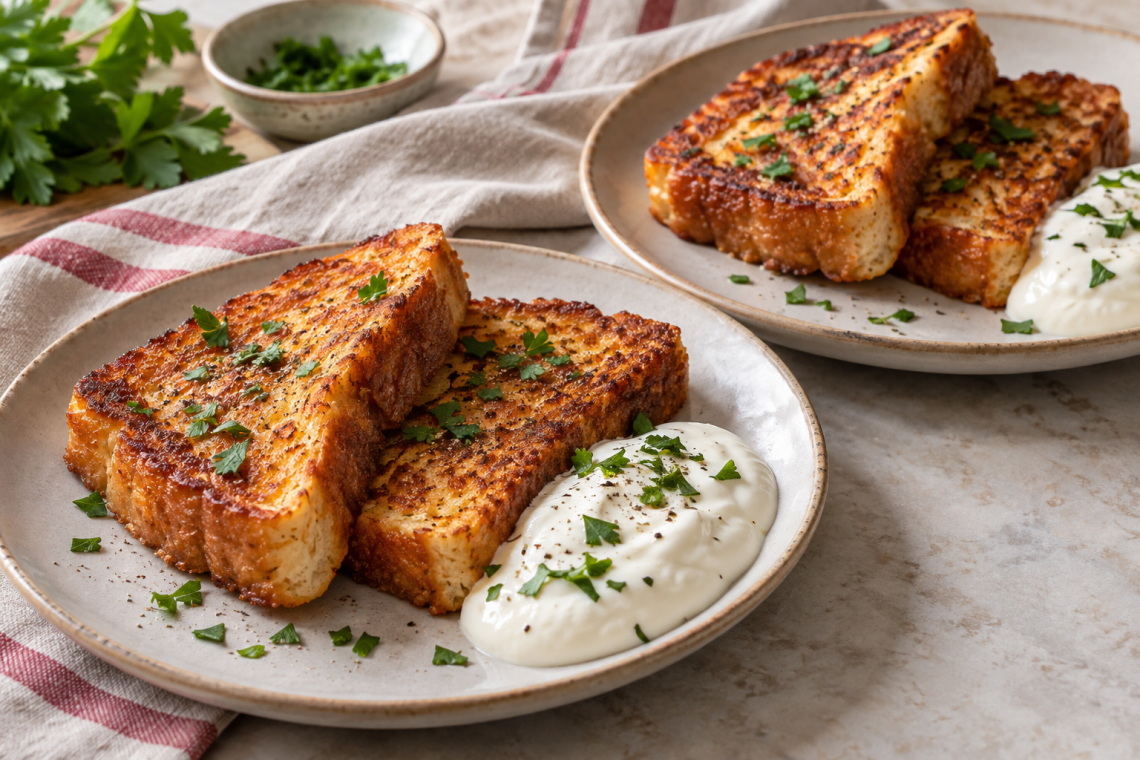
Savory tomato cinnamon French toast uses the familiar dip-and-fry method with a different seasoning balance. Tomato paste goes into the egg custard, black pepper adds a gentle bite, and just one-eighth teaspoon of cinnamon warms the background. There is no sugar in the custard, and the intended finish is a spoonful of plain yogurt rather than a syrup-soaked stack.
Measured ingredients
Toast and custard
- 4 slices sturdy unsweetened white bread, about 160 g total, each about 3/4 inch thick
- 2 large eggs
- 1/3 cup milk, 80 ml
- 1 tablespoon tomato paste, 15 g; not tomato sauce
- 1/8 teaspoon ground cinnamon
- 1/8 teaspoon ground black pepper
- 1/8 teaspoon fine salt
For the pan and serving
- 2 teaspoons olive oil, divided
- 2 teaspoons unsalted butter, divided
- 1/4 cup plain yogurt, 60 g, optional
- 1 tablespoon chopped flat-leaf parsley, optional
The recipe makes four slices for two people. The most useful decisions happen before cooking: choose bread that holds together, dissolve the tomato paste thoroughly, and keep the pan moderate enough to cook the center before the surface darkens.
Choose the bread before mixing the custard
Look for sturdy, unsweetened white bread with an even crumb. Four slices weighing about forty grams each give a useful starting point. Cut them roughly three-quarters inch thick. Very thin sandwich bread can absorb the mixture quickly and tear, while a dense slab much thicker than this takes longer to cook through.
Large holes are also inconvenient: custard runs through them into the pan instead of remaining in the slice. A plain sandwich loaf or a close-textured country loaf is easier to handle than a very open sourdough. Slightly dry bread is useful, but it should still be food you would enjoy eating. Do not use bread with any mold.
Mixing savory tomato cinnamon French toast custard
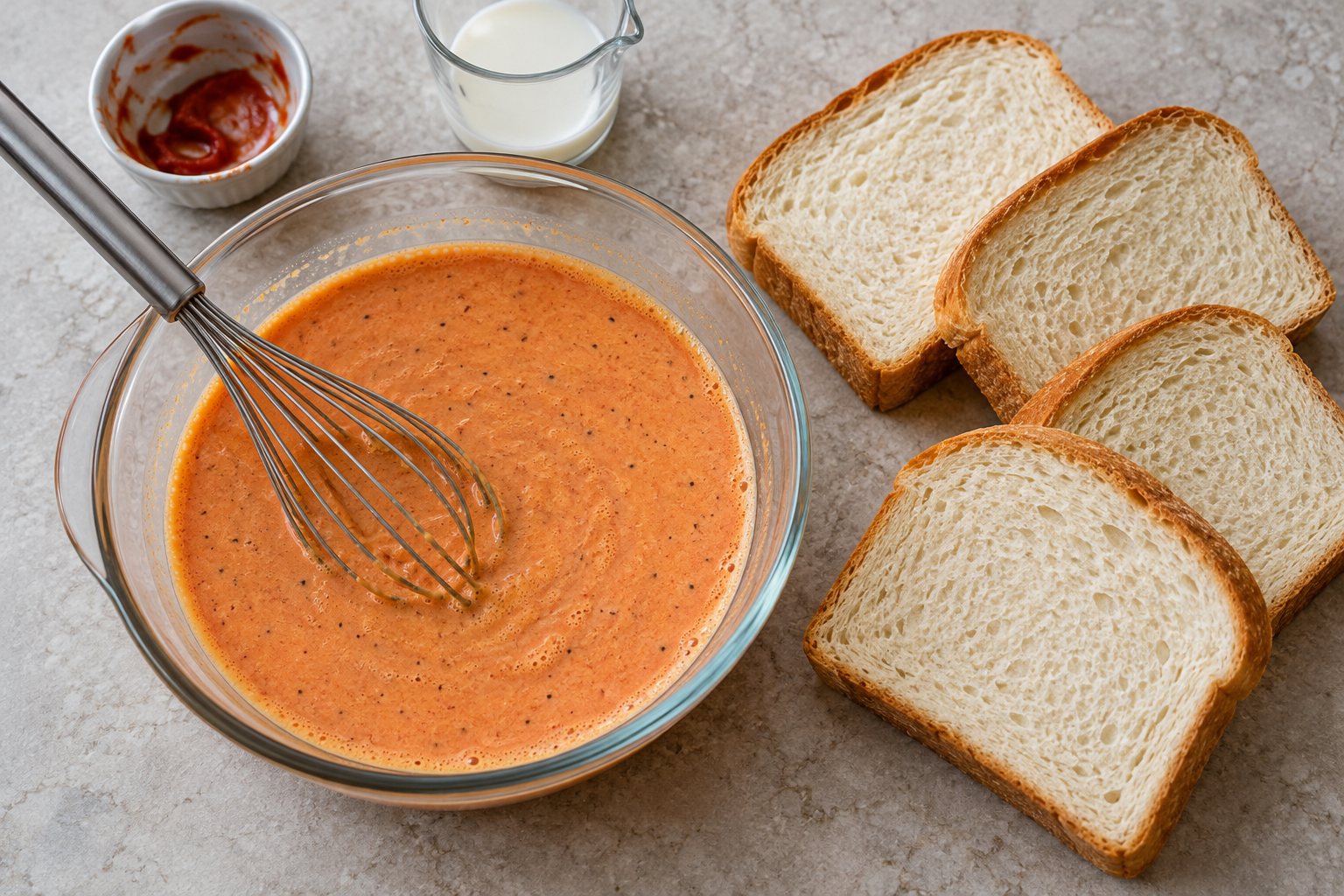
Whisk the tomato paste into the milk before adding the eggs. This makes it easier to break up any dense red lumps. Once the milk looks uniformly tinted, add the eggs and seasonings and whisk until there are no separate streaks of white.
Use tomato paste, not an equal amount of tomato sauce or passata. Paste gives more concentrated flavor in a smaller amount of liquid. A loose sauce would change both the flavor and the soaking mixture. If your paste contains added salt, consider using less of the measured salt in the first batch.
The cinnamon is a small supporting ingredient. Measure the eighth teaspoon rather than shaking the jar freely over the dish. With no sweetener to frame it, a large quantity of cinnamon can dominate quickly. Taste adjustments belong to the cooked toast; do not taste the raw egg mixture.
Soak for the bread you have
Start by dipping only the two slices that fit in the first skillet batch. Give each side approximately fifteen to twenty seconds in the custard, then lift a slice carefully. It should feel heavier and moistened but remain intact on a spatula. Let a brief drip fall back into the dish before moving it to the pan.
Fresh soft bread may need less time. A drier slice may need a little more. Avoid soaking all four slices while the first batch cooks, because the waiting slices can become saturated and difficult to move. Stir the custard lightly before the second batch so settled seasoning is redistributed.
Cook the center while protecting the coating
Start with a quiet sizzle
Warm a twelve-inch nonstick skillet over medium-low heat and add half the oil and butter. The butter should melt and foam gently without turning dark. Lay in two slices with room around them. If they hiss aggressively or brown almost immediately, reduce the heat before continuing.
Give each side time
Cook the first side for about four minutes, then lift an edge to inspect it. Look for a set, golden surface that releases under the spatula. Turn once and cook the second side for about four minutes. Do not press hard on the toast; that squeezes custard into the pan and flattens the center.
Use the center as the final check
A browned surface does not tell you whether an egg-soaked center is done. Insert a food thermometer from the side into the thickest part and check for 160°F/71°C. This follows the FoodSafety.gov temperature guidance for egg dishes. If needed, continue cooking over gentler heat until the center reaches that temperature.
Move the cooked slices to plates, then repeat with the remaining fat and bread. If dark crumbs remain in the pan, carefully wipe them out with appropriate heat protection before adding the second batch. Burning residue can make later slices taste scorched even when their own surfaces look acceptable.
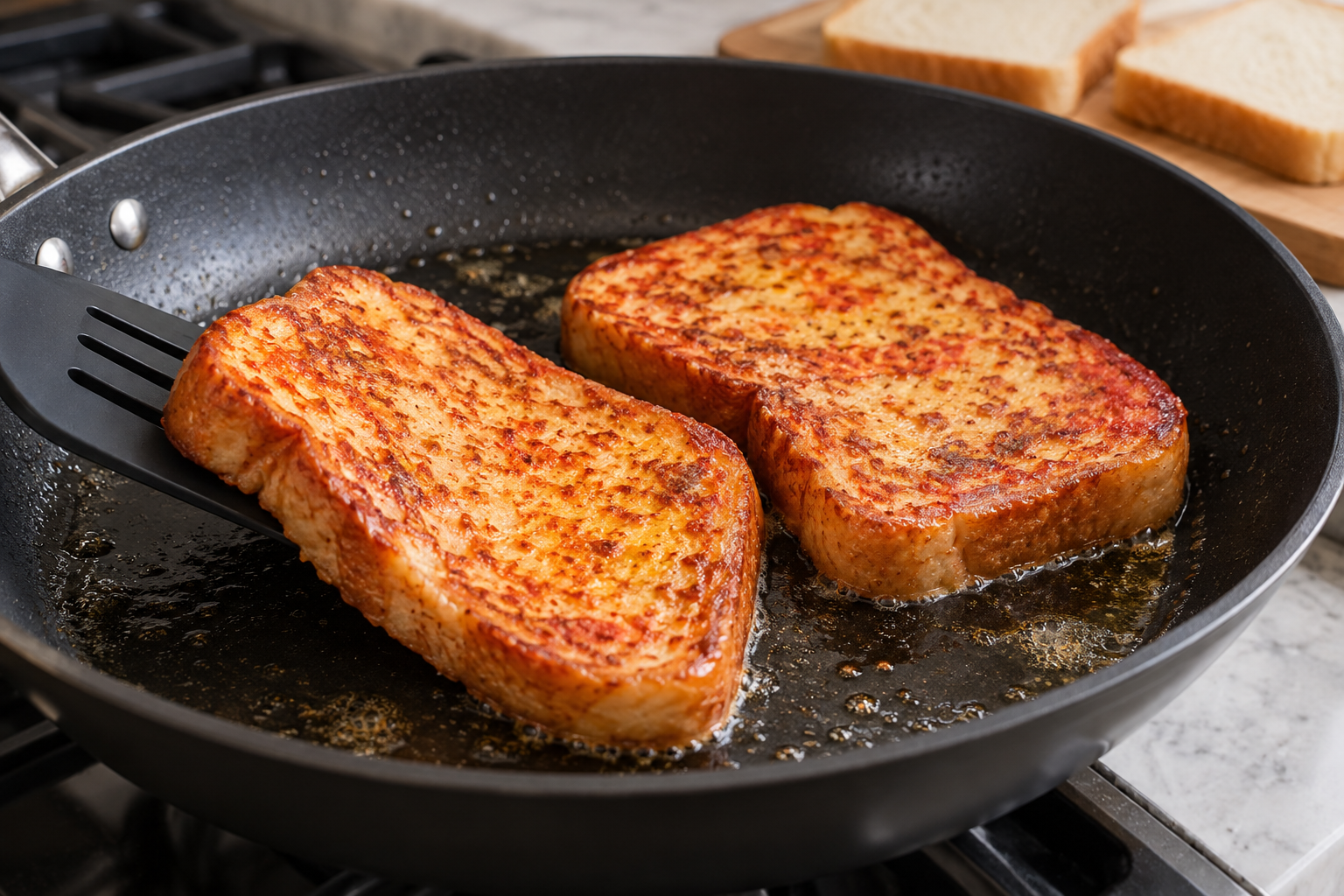
What the first slice can tell you
| Problem | Likely cause | Adjustment |
|---|---|---|
| Very dark outside, soft wet center | Heat is too high or bread is too thick. | Lower the heat and continue gently; keep later slices at the stated thickness. |
| Dry center with little seasoning | The bread absorbed too little custard. | Dip the next slice a little longer without letting it collapse. |
| Slice tears during transfer | The bread is fragile or oversoaked. | Use a broad spatula and shorten the next dip. |
| Strong cinnamon finish | Too much spice or a particularly strong jar. | Serve with plain yogurt; reduce the measured cinnamon in the next batch. |
A few toppings are enough
Plain yogurt provides a cool contrast without covering the tomato flavor. Put it beside the slices rather than spreading it over all their surfaces. Chopped parsley adds freshness. If you want more food on the plate, cucumber slices or a simple green salad work well with the savory direction.
A heavy layer of cheese, sweet relish, and several sauces can make it difficult to taste the small cinnamon accent. Start with the simple finish, then adjust an individual serving. A little chili can be added at the table if desired, but it is not needed for the base recipe.
Planning ahead and keeping leftovers
You can measure the dry seasonings and slice the bread ahead of time. Mix the custard near cooking time and keep egg and milk ingredients refrigerated until needed. The recipe is designed as two quick skillet batches rather than an overnight soak.
Refrigerate cooked leftovers promptly in a shallow container at 40°F/4°C or below, within two hours or one hour above 90°F/32°C. Use within three days and reheat to 165°F/74°C, following USDA leftover guidance. Keep yogurt separate. Discard unused raw-egg custard; it is not a finishing sauce.
Questions about the savory version
Can I use sweet brioche?
It will give a sweeter result and may brown faster. The unsweetened loaf specified here makes the tomato-and-spice balance easier to control.
Will dairy-free milk work?
An unsweetened plain option can replace the milk. Choose a suitable cooking fat instead of butter as well, and check the bread and any toppings if avoiding dairy completely.
Can I leave out the cinnamon?
Yes. You will have a straightforward savory tomato French toast. The small cinnamon addition is the distinguishing flavor, but the cooking method stays the same.
Should I use extra tomato paste for more color?
Make the stated batch first. More paste changes the coating and can brown more quickly. Judge the flavor of a cooked slice rather than aiming for a deeper red raw mixture.
The useful balance in savory tomato cinnamon French toast comes from a restrained spice measure and patient pan heat. Give the center time to cook, then keep the finish simple.
Serve savory tomato French toast for two at the same time
Four slices sound like a single panful, but their width determines how breakfast reaches the table. For this savory tomato French toast for two, decide whether to serve each person one hot slice at a time or hold the first pair briefly. That decision is easier before the bread is soaked. The recipe’s sixteen-minute cooking estimate assumes two pairs, each cooking for roughly eight minutes; a third batch adds cooking time.
Choose a service pattern that fits your pan
- One skillet, two rounds
- Give each person a slice from the first batch, then cook the remaining pair. Reserve half the yogurt and parsley for the second round. This keeps the toast fresh from the pan and avoids holding equipment.
- One skillet, both plates together
- Put the first pair on an oven-safe rack over a tray in a warm oven. Keep the slices separate. If holding cooked food hot, check that the food itself stays at least 140°F; an oven dial alone does not establish that temperature. Finish the second pair promptly.
- Two suitable skillets
- Cook two slices in each, using half the total oil and butter in each pan. Watch both pans independently: the same burner setting may produce different browning. All four centers still need checking.
The hot-holding threshold follows FoodSafety.gov’s four steps to food safety. Holding changes the texture over time, so organize toppings and plates before cooking rather than planning a long wait.
Keep the custard and pan measurements separate
The two eggs, one-third cup milk, tablespoon tomato paste, and seasonings make one shared dipping mixture. The two teaspoons each of oil and butter are for the skillet, divided across the batches. Do not add those fats to the custard or use the full amounts again for the second pair. Stir the dipping mixture between batches without whisking hot pan fat into it.
Different loaves absorb different amounts. You may have a little custard left after four slices; that does not mean it must all be forced into the bread. Pouring the remainder over toast already in the skillet creates a separate layer of egg and changes the cooking task. Discard the unused mixture as directed in the recipe.
Take a center reading you can trust
Use a thermometer designed for thin food and check its required insertion depth. Lift the slice clear of the hot skillet on a spatula, then insert the probe horizontally through an edge toward the middle. Keep its sensing area within the bread instead of against the spatula. Wait for a stable reading, following the thermometer’s instructions, and check each slice because bread thickness and pan contact vary.
The target for the egg-soaked toast is 160°F/71°C, consistent with FoodSafety.gov’s egg-dish temperature guidance. Clean the probe after checking undercooked food. Serve the finished savory tomato French toast for two on clean plates with optional yogurt beside it, leaving the browned surface uncovered.
More recipes for your table
Choose a companion dish or another recipe for the ingredients you have. Each link opens its own instructions and printable recipe.
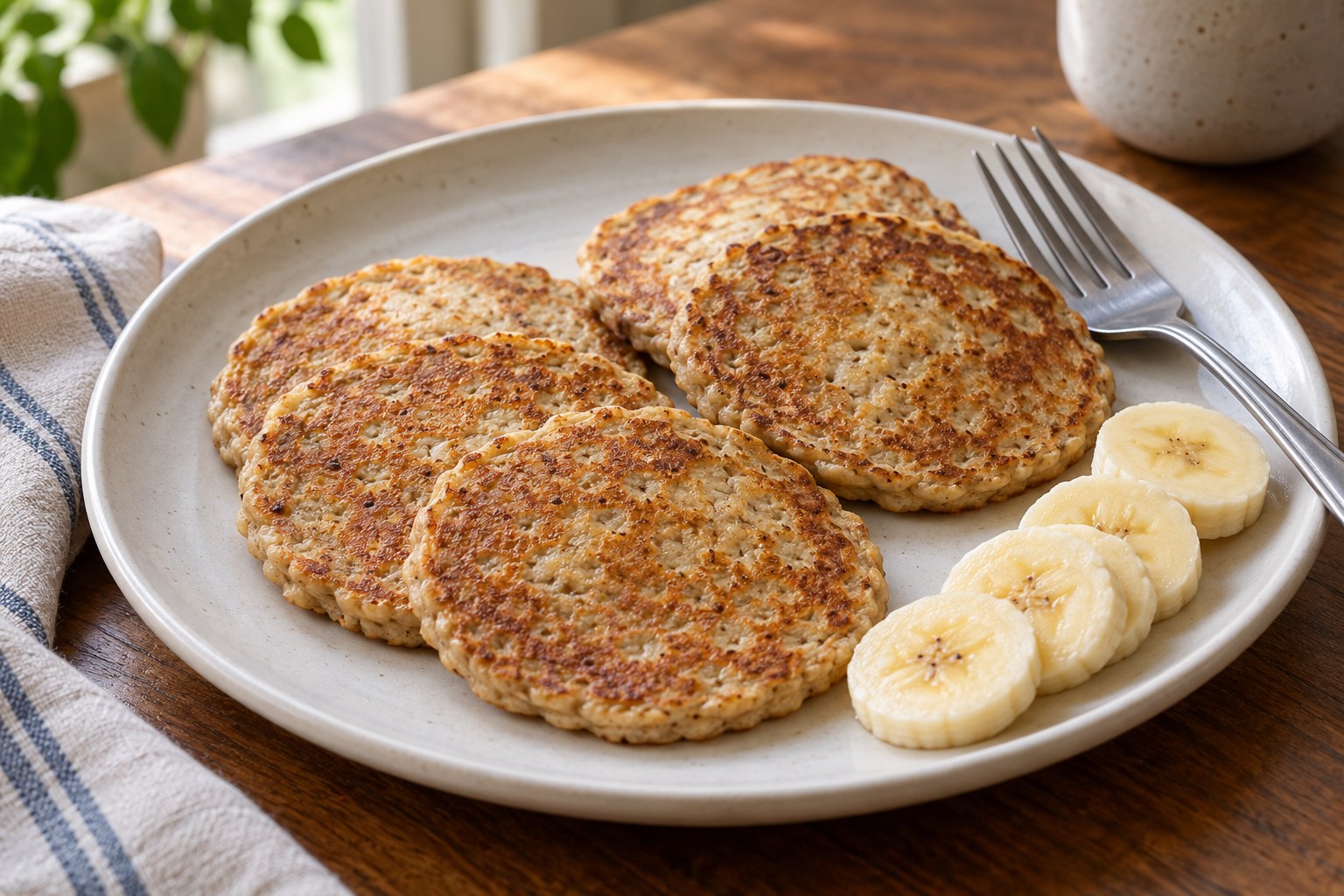
An egg-free and dairy-free pancake alternative.
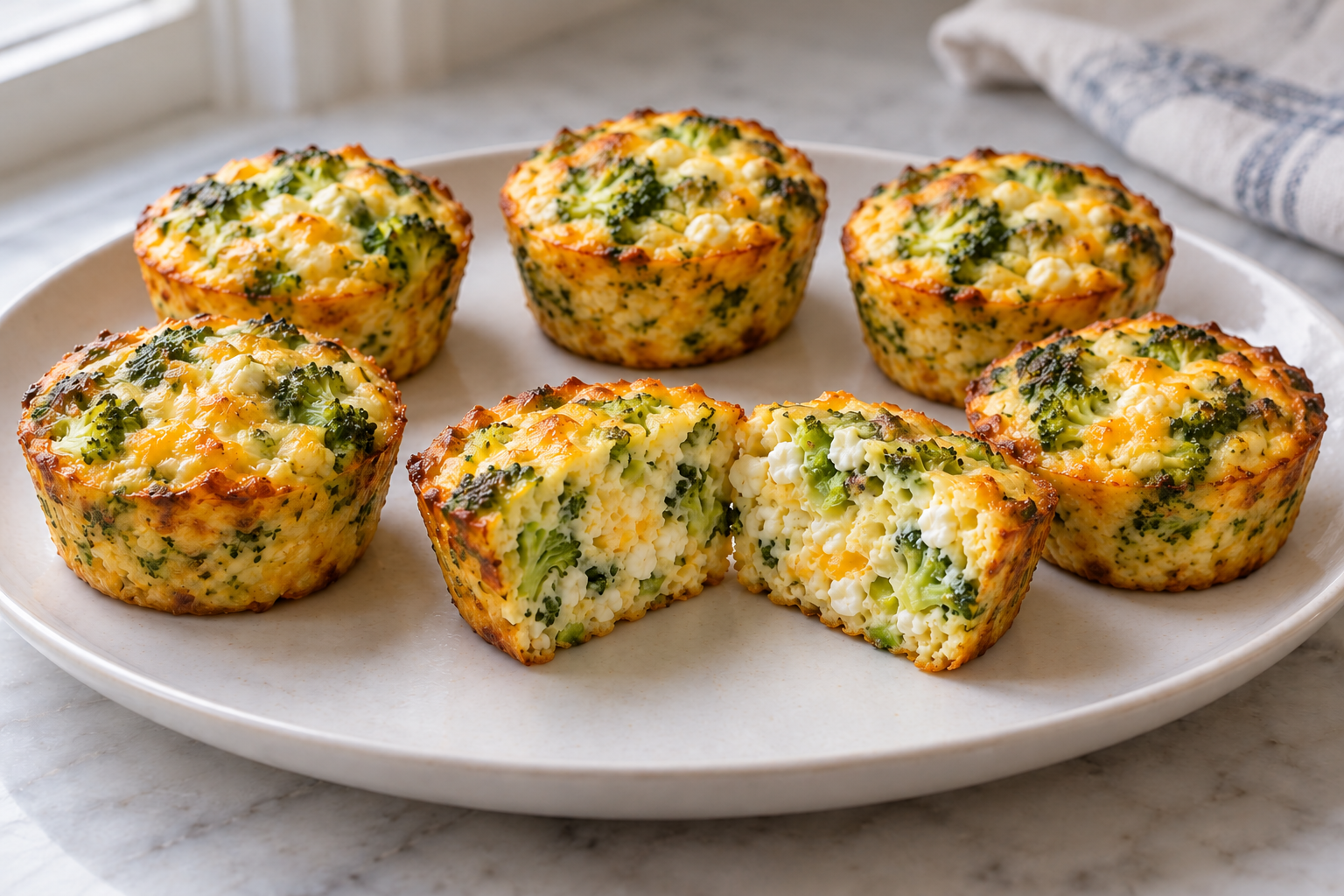
A savory baked egg breakfast with broccoli.
Equipment for this recipe
Affiliate disclosure: As an Amazon Associate I earn from qualifying purchases.
Use the tools you already have when they match the method. If you need an item, these links open matching Amazon search results.
- 12-inch nonstick skillet on Amazon — Give delicate patties or French toast room to turn without crowding.
- Wide spatula or turner on Amazon — Support the food underneath when turning; choose a material suitable for your pan.
Check the size, material, and manufacturer’s use instructions against the recipe before choosing.
Useful kitchen references
- Ingredient weight chart — A reference for common baking measurements.
- FoodSafety.gov temperature chart — Minimum cooking and reheating temperatures.
- FoodSafety.gov leftover guidance — A practical reference for chilling and reheating.
Printable recipe
Use the recipe card’s Print control for a kitchen copy. Follow the ingredient quantities and cooking checks in the card when preparing the dish.
Savory Tomato Cinnamon French Toast
Ingredients
Equipment
Method
- Whisk the tomato paste with the milk in a shallow dish until smooth. Add the eggs, cinnamon, pepper, and salt, then whisk until no streaks of egg white remain.
- Warm a 12-inch nonstick skillet over medium-low heat. Add 1 teaspoon olive oil and 1 teaspoon butter and let the butter melt without browning darkly.
- Dip 2 bread slices in the custard for about 15 to 20 seconds per side, adjusting for the bread so it absorbs liquid but still lifts intact. Let the excess drip briefly back into the dish.
- Lay the slices in the skillet with space between them. Cook for about 4 minutes on the first side, then turn and cook about 4 minutes on the second side. The surfaces should be golden and the centers set. Check the thickest center from the side: the egg-soaked toast should reach 160°F/71°C.
- Transfer to plates. Repeat with the remaining oil, butter, bread, and custard. Lower the heat if the tomato coating darkens before the center cooks; extend the time gently if necessary.
- Serve 2 slices per person with yogurt and parsley on the side, if using. Discard any leftover raw-egg custard rather than using it as an uncooked sauce.