These small-batch cranberry orange muffins with Greek yogurt use one egg, fresh orange zest, and tart cranberries in a compact six-muffin formula. The two-bowl method uses melted butter, so no mixer or creaming step is needed.
- Estimated yield
- 6 standard muffins
- Prep
- About 15 minutes
- Bake
- 16–20 minutes, estimated
- Oven
- 400°F / 204°C
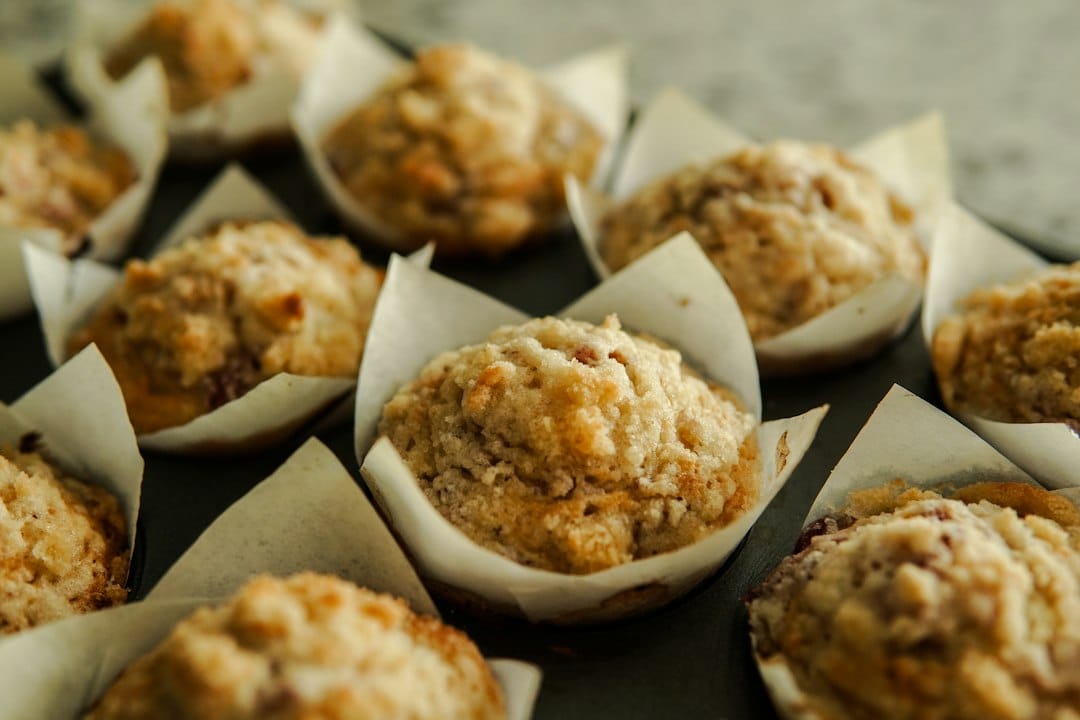
Small-batch cranberry orange muffins with Greek yogurt: measured formula
Dry bowl
- ¾ cup (90 grams) all-purpose flour, spooned and leveled
- 1 teaspoon baking powder
- ⅛ teaspoon baking soda
- ¼ teaspoon fine salt
Orange sugar and wet bowl
- 1 teaspoon finely grated orange zest, from about ½ medium orange
- 3 tablespoons (38 grams) granulated sugar
- 2 packed tablespoons (25 grams) light brown sugar
- 1 large egg
- 3 tablespoons (40 grams) plain full-fat or 2% Greek yogurt
- 2 tablespoons (28 grams) unsalted butter, melted and cooled until just warm
- 1 tablespoon (15 milliliters) fresh orange juice
- ½ teaspoon vanilla extract
Fruit and optional finish
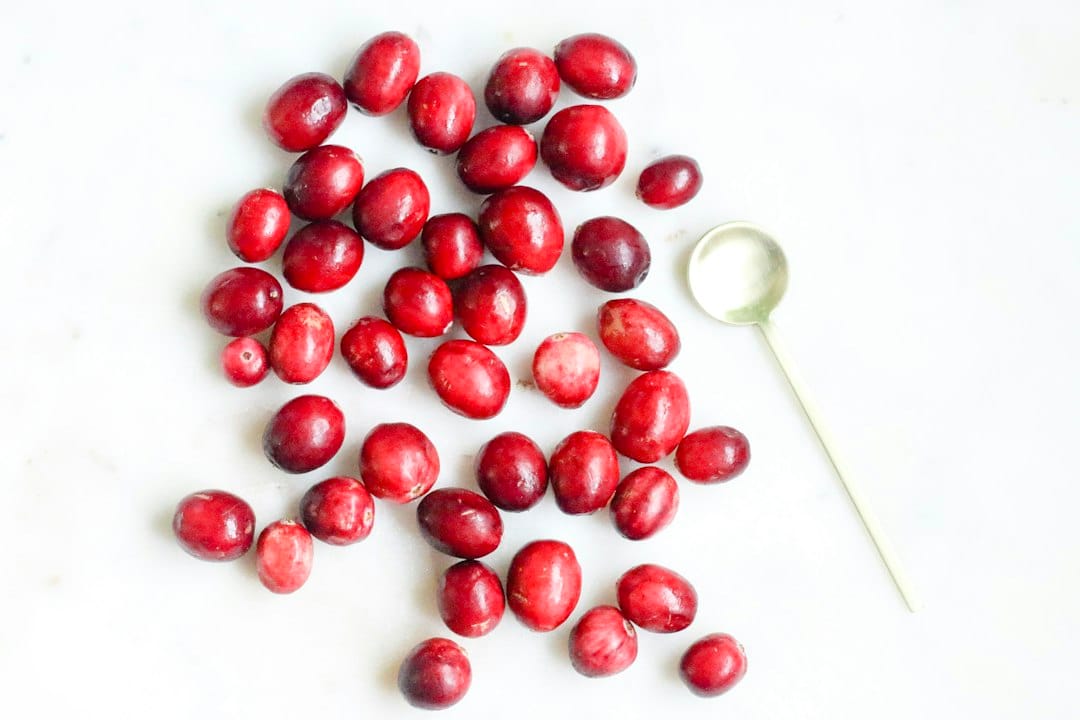
- ½ cup (60 grams) fresh or frozen cranberries; halve or coarsely chop large fresh berries, and do not thaw frozen berries
- 1 teaspoon coarse sparkling sugar, optional
Use a standard-size metal muffin pan, six liners or cooking spray, two bowls, a whisk, spatula, and cooling rack. A scale is useful for the small flour quantity. Greek yogurt is thicker than pourable regular yogurt; changing it changes the batter’s moisture balance.
Mix gently, then bake promptly
- Prepare. Heat the oven to 400°F with a center rack. Line or grease six standard muffin wells. If using a 12-cup pan, distribute the filled wells around it when practical.
- Whisk the dry bowl. Combine flour, baking powder, baking soda, and salt so the small leavener measures are evenly dispersed.
- Rub the orange sugar. In the second bowl, rub both sugars with the zest for about 20–30 seconds. Grate only the orange surface, avoiding bitter white pith.
- Mix the wet ingredients. Whisk the egg into the orange sugar, then add yogurt, cooled melted butter, juice, and vanilla until mostly smooth.
- Fold the batter. Add the dry mixture and fold until only a few flour streaks remain. Add cranberries and fold just until distributed and no dry pockets remain. A thick, slightly lumpy batter is preferable to prolonged beating.
- Divide evenly. Spoon into the six prepared wells; the expected fill is around three-quarters, but pan size and this untested yield may differ. Keep portions even and do not overfill. Add the optional coarse sugar.
- Bake and inspect. Begin checking at 16 minutes and use the 16–20-minute range as a guide. Look for lightly golden tops that spring back and a tester through the crumb, away from a berry, without wet batter. Continue in short increments if needed.
- Cool. Rest 5 minutes in the pan, then at least 5 minutes on a rack. Judge a cooled muffin’s crumb before deciding whether it is gummy or adjusting the next batch.
Check the crumb and the ingredient choices
| What happened | What to inspect next time |
|---|---|
| Dense or rubbery crumb | Flour measurement, leavener freshness, and how long the batter was mixed after flour was added. |
| Brown top, wet center | Standard versus jumbo wells, oven preheat, and pan position. Shield the top loosely and keep baking until no wet batter remains. |
| Pink streaks | Crushed or thawed cranberries can bleed into the batter; fold gently. Color alone does not diagnose doneness. |
| Bitter flavor | White orange pith or scorched bottoms; grate shallowly and check dark pans earlier. |
| Uneven sizes | Divide the batter before baking; record the actual number of wells and fill level. |
Fresh, frozen, and dried fruit
Dry rinsed fresh cranberries before adding. Use frozen fruit directly from the freezer; it may push baking toward the longer end of the estimate. Do not try to cut hard frozen berries if they slip under the knife. Dried cranberries have different sweetness and moisture; the existing suggested variation is ⅓ cup (about 40 grams), but it remains a separate, unvalidated variation.
Scaling and substitutions
For a doubled formula, double every ingredient, including both sugars, egg, leaveners, zest, juice, butter, yogurt, and salt. Two key checks: 90 grams flour becomes 180 grams; ⅛ teaspoon baking soda becomes ¼ teaspoon. Use standard wells rather than making each muffin twice as large, and do not double the baking time.
Equal-weight sour cream or 2 tablespoons neutral oil in place of butter changes the result and has not been validated here. Keep the base consistent when recording a first bake. For an egg-free formula, use eggless applesauce muffins rather than guessing a substitute for this recipe’s single egg.
Serve, cool, and store
Serve with yogurt or alongside apple cinnamon French toast casserole for a larger breakfast. Cool completely before closing a container. Use plain muffins within about 2 days at room temperature, or freeze wrapped portions for up to a month for quality. Warm a room-temperature muffin briefly in a 300°F oven, checking from 5 minutes.
Do not taste the raw flour-and-egg batter. Wash utensils and surfaces after mixing; the FDA’s flour safety guidance explains why flour is a raw ingredient. If you record a bake for a family collection, keep the measured formula and your dated observations separate using the recipe-card archive method.