This small-batch apple cinnamon French toast casserole uses sturdy bread cubes, one apple, and a cinnamon custard in an 8-inch square dish. A separate oat crumble adds texture. Soak the bread before baking and check the center rather than judging only the browned top.
- Serves
- 4
- Pan
- 8 × 8 inches, about 2 quarts
- Oven
- 350°F
- Minimum soak
- 30 minutes
Allow 15 minutes to prepare, 30 minutes to soak, 35–45 minutes to bake, and 10 minutes to rest: about 1 hour 30 minutes to 1 hour 40 minutes for the same-day version. An overnight-chilled dish may need 40–50 minutes in the oven. These are timing guides; the center determines when the bake is ready.
Ingredients: keep custard and crumble separate
Bread, apple, and custard
- 6 loosely filled cups 1-inch cubes of day-old challah, brioche, or French bread, about 8 ounces (225 grams)
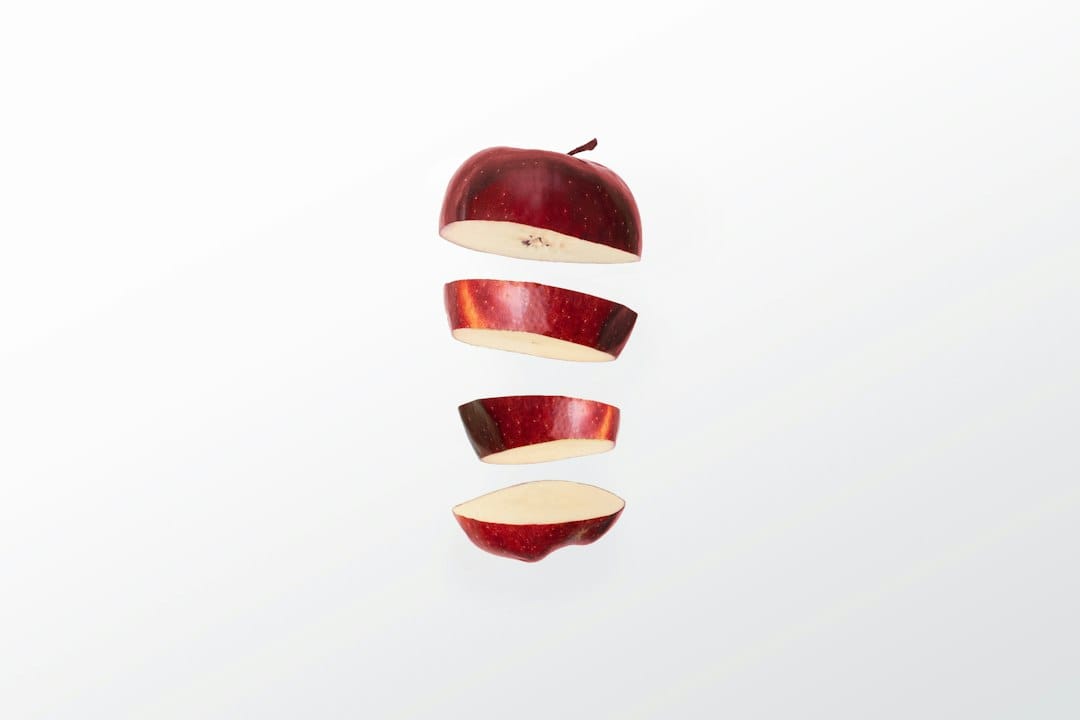
- 1 medium firm apple, about 6 ounces (170 grams), cored and cut into ½-inch dice
- 3 large eggs
- 1 cup (240 milliliters) whole or 2% milk
- 2 packed tablespoons light brown sugar
- 1 teaspoon vanilla extract
- 1 teaspoon ground cinnamon
- ¼ teaspoon ground nutmeg
- ¼ teaspoon fine salt
- Softened butter or nonstick spray, for the dish
Oat crumble
- 2 tablespoons all-purpose flour
- 2 tablespoons old-fashioned rolled oats
- 1 packed tablespoon light brown sugar
- ¼ teaspoon ground cinnamon
- Pinch of fine salt
- 1 tablespoon cold unsalted butter, in small pieces
Optional at the table: maple syrup, plain Greek yogurt, toasted nuts, powdered sugar, or berries. The flour belongs in the topping, not the custard. Measure the two brown-sugar and cinnamon amounts into their separate bowls before mixing.
Make small-batch apple cinnamon French toast casserole
- Prepare the bread and dish. Grease an 8-inch square, approximately 2-quart dish. If the bread is very fresh, dry the cubes on a sheet pan at 300°F for about 8–12 minutes, then cool. Put the bread and diced apple in the dish and distribute evenly.
- Whisk the custard. Blend the eggs, milk, 2 tablespoons brown sugar, vanilla, 1 teaspoon cinnamon, nutmeg, and ¼ teaspoon salt until no egg-white streaks remain. Pour slowly over the bread, reaching every area.
- Soak. Press gently with a spatula without mashing. After 10 minutes, press again, cover, and refrigerate at least 20 more minutes for a 30-minute minimum soak. For an overnight version, keep covered and refrigerated for up to 12 hours.
- Make the crumble. Combine flour, oats, 1 tablespoon brown sugar, ¼ teaspoon cinnamon, and the pinch of salt. Work in the tablespoon cold butter with a fork until moist crumbs form. Refrigerate separately while the bread soaks.
- Preheat and top. Heat the oven to 350°F. Use a dish rated for your refrigerator-to-oven handling and follow its manufacturer’s thermal-shock instructions. Uncover and scatter the crumble over the moistened bread just before baking.
- Bake. Allow 35–45 minutes after the minimum soak, or around 40–50 minutes from an overnight chill. Begin checking at the early end. Loosely cover with foil if the top browns before the center sets.
- Check the center. Insert a thermometer in the middle without touching the dish. The egg custard must be set, with no pooled raw liquid, and reach at least 160°F. If it is below that or still wet, continue in 5-minute increments.
- Rest. Leave on a heat-safe surface for 10 minutes before cutting into four portions. Add optional toppings after serving.
FoodSafety.gov lists 160°F for egg dishes and 165°F for reheating leftovers. Browning on the bread and crumble does not establish the custard’s center temperature.
Choose your preparation schedule
| Same-day | Overnight |
|---|---|
| Assemble first, then prepare the topping and preheat during the soak. | Cover the bread, apple, and custard and refrigerate up to 12 hours. |
| Use the 30-minute minimum soak; keep the final 20 minutes refrigerated. | Keep the crumble in its own covered refrigerated container. |
| Begin checking the bake at 35 minutes. | Add crumble just before baking and begin checking at 40 minutes. |
Solve a wet center or a dry top
A wet center can mean the bake needs longer, the pan is too small and deep, or very soft bread collapsed. Use the stated pan, roughly 8 ounces of bread, and a thermometer. If the top is already brown, cover it loosely and continue until the center is set. Do not add flour to the custard to compensate.
For dry patches, press the cubes into the custard twice during the initial soak. Just before baking, spoon a teaspoon or two of milk over isolated dry cubes rather than pouring extra liquid through the whole dish. Individual exposed edges are meant to become crisp.
Firm apples such as Granny Smith, Honeycrisp, or Pink Lady hold distinct pieces. Cut evenly at about ½ inch; large chunks can stay crunchy. Peel if you prefer a softer texture. Frozen fruit can release extra liquid, so stay with the stated fresh apple for this formula.
Serving, leftovers, and extra bread
Pair with plain yogurt or a few cranberry orange muffins. For leftover unspoiled bread you are not baking into custard, make oven-dried breadcrumbs instead; that method has a different dryness target.
Refrigerate leftover portions in shallow containers within 2 hours, or 1 hour above 90°F, at 40°F or below. Use within 3–4 days. Freeze portions for up to 2 months for best quality, then thaw in the refrigerator. Reheat only what you need to 165°F; the topping may soften. See USDA guidance on leftovers.
To double, use two 8-inch square dishes to retain the depth. Check each center independently and allow for uneven oven heating. A larger or deeper pan changes cooking time, so doubling the clock is not a reliable method.