
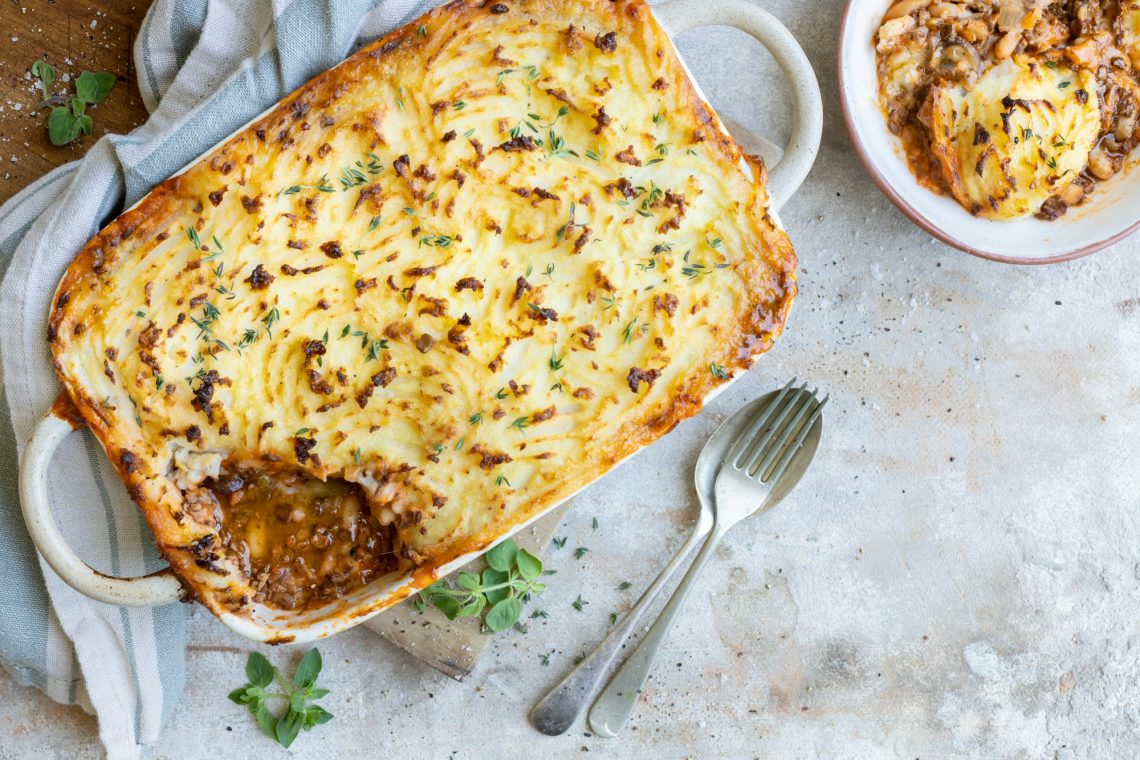
Split pea and mushroom shepherd’s pie for two is a small, comforting vegetable pie built around a problem that can make dried-pea dinners disappointing: split peas need enough time and liquid to soften, but a pie filling must not be watery beneath its potato topping. This version cooks the split peas separately until tender, browns mushrooms until their moisture evaporates, then brings the two together in a modest amount of gravy. The result is meant to be spoonable, not soupy.
Instead of assembling a huge casserole, the recipe fits a roughly 1½-quart shallow baking dish, making two generous vegetarian main-dish portions or three smaller sides. The potatoes are a soft, lightly ridged lid rather than a pastry crust. You do not need to roll dough, buy specialty meat substitutes, or fill the oven with leftovers. The method matters more than the exact shade of the peas: the filling should mound on a spoon before baking and the topping should be spread without pushing it into the gravy.
Dried split peas, potato varieties, dish depth and ovens can change how quickly each layer cooks. Before assembling, check that the peas have no hard centers, the mushroom gravy mounds rather than runs, and the mashed potatoes hold fork ridges; these texture cues are more reliable than a single clock time.
At a glance: the small-dish shepherd’s pie
| Detail | Guide |
|---|---|
| Yield | 2 hearty mains or 3 lighter portions |
| Dish | One oven-safe shallow 1½-quart baking dish; a rimmed baking sheet underneath |
| Equipment | Small saucepan with lid, colander, medium skillet, potato masher, baking dish, thermometer |
| Preparation | About 25 minutes of hands-on prep |
| Cooking | Split peas 35–55 minutes; potatoes about 15–20 minutes in parallel; filling 12–15 minutes; bake 20–25 minutes |
| Rest | 8–10 minutes after baking |
| Overall planning | Approximately 90–115 minutes, depending on pea age and overlapping tasks |
| Finish | Hot, bubbling edges; potato ridges lightly golden; center of casserole reaches 165°F (74°C) |
Do not put uncooked dried split peas into the dish hoping the oven will tenderize them under the potatoes. This pie works because each component is almost entirely cooked before the final bake. That also makes it easier to correct seasoning or moisture at the stovetop while you can still see what is happening.
Ingredients, in the order you will use them
For the split peas
- ½ cup (about 100 g) dry green split peas. Pick over to remove debris, then rinse in a sieve. Yellow split peas also work for a different color and may soften at a different rate.
- 2 cups water, plus more as needed while simmering. The peas should remain covered by liquid until tender. This cooking liquid is not the final gravy.
- 1 small bay leaf, optional. Remove it before assembling the pie.
For the potato lid
- 12 ounces (about 340 g) Yukon Gold or other all-purpose potatoes, peeled if preferred and cut into even 1-inch pieces. This amount should produce a topping substantial enough for a small dish.
- 1 tablespoon unsalted butter or olive oil, for a soft mash.
- 3 tablespoons milk or unsweetened plain plant milk, warmed slightly; add only what the potatoes absorb.
- ¼ teaspoon fine salt, plus a little more to season the boiling water as preferred.
For the mushroom and split-pea filling
- 1 tablespoon olive oil, for sautéing.
- 6 ounces (170 g) cremini mushrooms, finely chopped so they brown instead of forming large slippery slices.
- ½ cup finely diced yellow onion, from roughly half a small onion.
- ½ cup finely diced carrot, from one modest carrot; cut small so it softens before the oven stage.
- 1 medium garlic clove, minced.
- 1 teaspoon tomato paste, for savory depth, not a tomato-based sauce.
- ½ teaspoon dried thyme, or about 1½ teaspoons chopped fresh leaves.
- 1 tablespoon all-purpose flour, for thickening the small amount of gravy.
- ½ cup low-sodium vegetable broth, plus up to ¼ cup more only if needed after the peas are folded in.
- 1 teaspoon low-sodium soy sauce, optional for a savory finish; check the label for soy and wheat allergens.
- ¼ cup frozen green peas, optional for sweetness and contrast.
- ¼ teaspoon black pepper and salt to taste after reducing the broth.
- ½ teaspoon lemon juice, optional at the end if the filling tastes flat.
These ingredients create a vegetarian pie when you choose a vegetarian broth. For a vegan version, choose olive oil instead of butter and unsweetened plant milk for the topping. If avoiding gluten, do not automatically substitute an equal amount of a random flour: use a familiar gluten-free starch slurry as described under substitutions and verify that the broth and soy sauce are also suitable.
Why green split peas behave differently from lentils in a pie
Split peas are hulled, split dried peas. They soften gradually in simmering water and can become a thick purée when cooked longer; that is helpful in soup, but overcooked peas can erase all texture in a layered pie. Begin checking after about 35 minutes. You want no hard, chalky centers, yet a spoonful should still show some identifiable pea pieces. Older dried peas may need substantially longer, and an overly vigorous boil can dry the pan before the interior cooks.
Use a small saucepan with enough headroom for foaming, keep the water at a gentle simmer, and stir near the bottom occasionally. Add a splash of hot water if the peas become exposed before tender. Drain off surplus liquid rather than measuring that liquid straight into the pie; the broth in the mushroom gravy is already measured. If the peas have started to break down, that is not a disaster: fold them gently into a well-browned mushroom base so at least the vegetables retain distinct texture.
For a different way to use this pantry staple, the site’s published yellow split pea dip without a blender demonstrates the deliberately softer texture that is desirable in a dip. Here, stop short of a completely smooth mixture.
Step-by-step: build a pie that slices into generous portions
Step 1 — Rinse and simmer the split peas
Spread the dry peas briefly on a plate to check for stones or stray husks, rinse thoroughly, then add them to a small saucepan with 2 cups water and the optional bay leaf. Bring to a boil, skim excessive foam if necessary, and immediately reduce to a steady low simmer. Cook uncovered or partially covered as your pan allows, typically 35–55 minutes, stirring every so often. Add a small amount of water if needed. Check tenderness by chewing a cooled pea: it must not have a hard center. Drain any obvious excess cooking water, discard the bay leaf, and reserve the peas.
Step 2 — Cook the topping potatoes while the peas simmer
When the peas have been cooking about 15–20 minutes, put the even potato pieces in a second saucepan, cover with cool water, and bring to a gentle boil. Cook about 15–20 minutes or until a fork goes through the center without resistance. Drain thoroughly, then return the potatoes to the warm, empty saucepan for about one minute over very low heat, stirring gently so surface steam evaporates. This drying step is important: wet mashed potatoes slump into the gravy instead of staying a recognizable lid.
Step 3 — Mash without making the topping runny
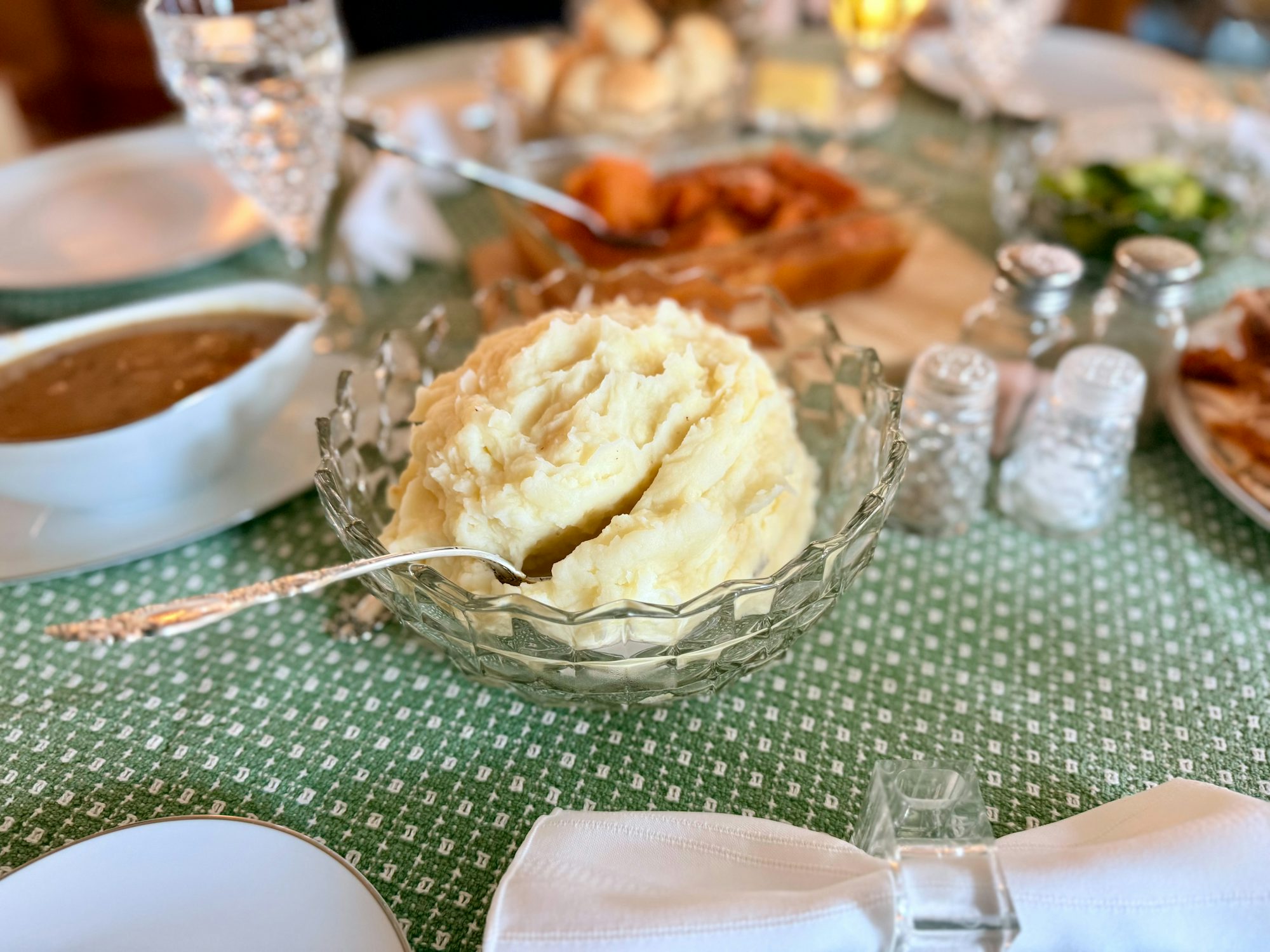
Mash the dry potatoes with the tablespoon of butter or olive oil, ¼ teaspoon fine salt, and just enough of the three tablespoons warm milk to make them spreadable. Work gently rather than beating vigorously; overworking can make potatoes gluey. The mash should hold visible ridges when pushed with a fork. If it falls from the spoon like thick soup, return it briefly to gentle heat to drive off moisture before using it as a topping. Keep covered off heat while making the filling.
Step 4 — Evaporate mushroom moisture before adding sauce
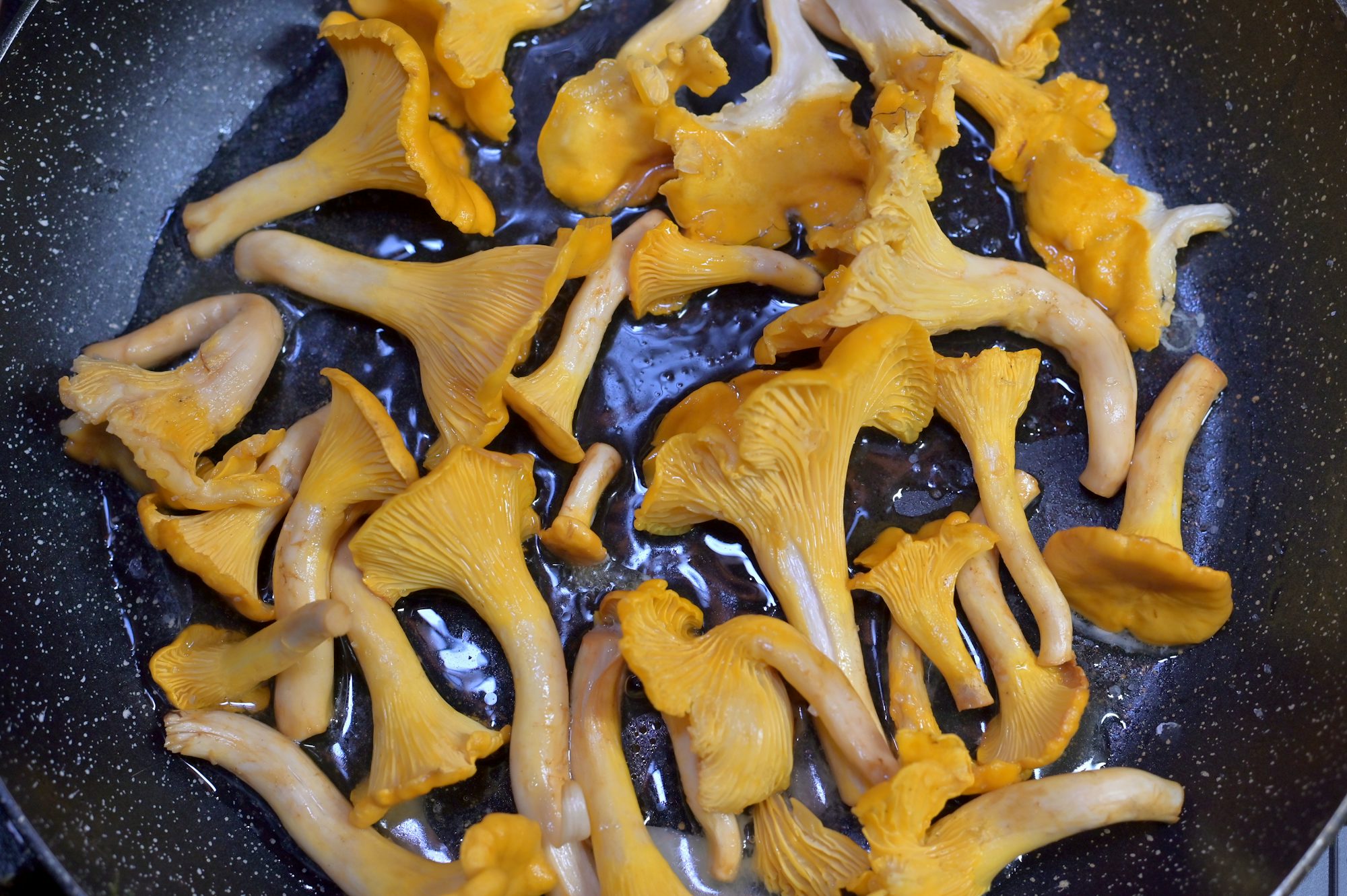
Set a medium skillet over medium-high heat and add 1 tablespoon olive oil. Add the finely chopped mushrooms in an even layer. Leave them undisturbed for 2–3 minutes, then stir and continue another 4–5 minutes until the pan no longer has a puddle of mushroom liquid and the edges are browned. If your skillet is small, brown in two batches instead of crowding. Pale steamed mushrooms make the filling taste flat and can release more water underneath the potato lid during baking.
Step 5 — Soften the onion and carrot
Lower the heat to medium. Add the onion and carrot to the skillet, with a teaspoon or two of water if browned bits threaten to scorch. Cook 4–6 minutes until the onion is translucent and the small carrot cubes are starting to soften. Stir in the minced garlic, tomato paste and thyme and cook about 45 seconds, just until fragrant. Do not let the garlic burn. A mild cooked-onion base lets the earthy split peas and mushroom flavor lead.
Step 6 — Make a small, glossy gravy
Sprinkle 1 tablespoon all-purpose flour over the vegetables and stir about one minute to remove the raw-flour coating. Add the measured ½ cup vegetable broth in two additions while scraping the skillet bottom. Stir until the sauce bubbles and thickens, about 2–3 minutes. If using soy sauce, stir it in now. The sauce should lightly coat the spoon, rather than immediately pooling back as watery broth. If very thick, add another tablespoon of broth. Do not add the optional extra ¼ cup without seeing a real need.
Step 7 — Fold in the cooked peas and adjust the filling
Remove the skillet from strong heat and gently fold in the drained, fully cooked split peas plus optional frozen green peas. Warm 2–3 minutes until the green peas are hot. Taste and adjust pepper, salt and a little lemon juice if using. The filling should be moist enough to spoon but firm enough to mound; drag a spatula across the skillet and the gap should close slowly. If liquid floods the gap, simmer another few minutes. If the mixture cracks and seems dry, add broth a tablespoon at a time.
Step 8 — Assemble without mixing the layers
When the peas are nearly ready, heat the oven to 375°F (190°C). Spoon filling into a shallow, oven-safe 1½-quart dish, spreading it evenly. Add the mashed potatoes in small spoonfuls around the rim first, then fill the center and join them with the back of a spoon. Do not dump one heavy mound into the middle: that forces the filling up the sides and into the potatoes. Use a fork to form shallow ridges that can color in the oven. Set the dish on a rimmed baking sheet to catch any overflow.
Step 9 — Bake, check, and rest
Bake on the middle rack about 20–25 minutes, until the edges bubble and the potato ridges take on some golden color. The casserole center should reach 165°F (74°C) when checked with a food thermometer, consistent with FDA casserole safety guidance. If the mash browns before the center is hot, cover loosely with foil and continue cooking. Let stand 8–10 minutes before serving; the filling thickens slightly as it cools and it is easier to lift without spilling.
Tip: Press a spoon into the filling before you add the potatoes. If liquid pools in the dent, simmer it a few more minutes first.
Three checks that prevent a soggy shepherd’s pie
First check: the split peas are cooked before assembly
A tender pea can be pressed easily between a spoon and a plate, without a gritty center. Do not rely only on the elapsed time because water hardness and pea age affect the result. A thin skin may remain; that does not mean the interior is raw. If peas have broken down, handle them gently to preserve the mushroom texture.
Second check: the filling has no puddle
After mushrooms have browned and the broth-flour gravy is reduced, scoop up a mound of filling. It should hold its shape for a moment. Extra mushroom moisture is better removed in the skillet than by baking longer under a potato blanket. Conversely, the filling should not be so stiff that it forms a dry paste; use a few tablespoons of broth to correct that.
Third check: the potato lid holds ridges
Fork marks are not just decoration. They show the mash is spreadable but not liquid. A wet mash sinks and may look raw even after the filling is hot; an extremely dry mash cracks and fails to cover the dish. Drain the potatoes thoroughly and add warm liquid gradually rather than all at once.
Practical substitutions, without promising identical results
Green versus yellow split peas: Either variety can form the base, but cooking time and color may change. Keep the ½-cup dry quantity and cook until fully tender before assembling. Red lentils are not a one-for-one replacement here: they can disintegrate faster and may yield a softer filling.
Mushroom choice: Cremini are convenient, though ordinary white button mushrooms can work. Chop finely and brown until moisture evaporates. Large portobello pieces change the serving texture; if used, cut them small enough to combine evenly with the pea filling.
For dairy-free or vegan: Use olive oil and unsweetened, plain plant milk for the potato lid. Verify broth and any condiments suit your needs. A strongly flavored plant milk, such as vanilla sweetened milk, is unsuitable for savory mash.
For wheat-free thickening: Omit the tablespoon of flour and use roughly 1–2 teaspoons cornstarch mixed with a tablespoon of cool water, stirring it into the simmering gravy at the end. Check the thickness rather than assuming it will set exactly as flour would. Use a wheat-free soy sauce alternative if necessary and read product labels.
Potato choice: A waxy red potato may give a denser topping; a starchy russet may absorb liquid differently. The goal remains a dry, ridged mash. Do not substitute raw potato slices on top without changing the baking instructions and times.
No soy sauce: Omit it and taste the finished gravy. A little extra thyme, black pepper or lemon can help; do not simply add lots of salt before the broth reduces.
Serving, make-ahead, and safe storage
Use a wide spoon to lift half the pie into a shallow bowl. A simple raw cabbage salad or lightly dressed greens provide contrast to the soft mash and earthy filling. If serving as three smaller portions, a slice of crusty bread may be enough to round out the meal, although the potatoes already provide a substantial starch component.
You can cook the split peas and prepare the potato topping earlier in the day, refrigerating them separately and promptly in shallow covered containers. Reheat the filling until hot before assembly, then allow extra baking time if either part is chilled. Do not leave cooked peas or potatoes at room temperature for a long afternoon while waiting to make the pie. The prepared components are easier to balance when you season and check the sauce immediately before layering.
Cool leftovers promptly and refrigerate at or below 40°F (4°C) within two hours of cooking, or within one hour when the ambient temperature is above 90°F (32°C). Use refrigerated portions within 3–4 days. The USDA recommends shallow containers for rapid cooling; see USDA guidance on handling leftovers. For freezing, portion into freezer-safe containers; the thawed potato topping may become grainier, so texture quality is less dependable than fresh.
Reheat the covered portion in an oven set to at least 325°F until its center reaches 165°F (74°C), uncovering briefly if the potato surface needs drying. Add a spoon of broth to the side of the dish if the filling dried out in storage. The safe reheat target comes from USDA reheating guidance. Do not use a slow cooker as the reheating method.
Troubleshooting: what if the filling or topping is wrong?
My split peas stayed hard after the suggested time
Extend their gentle simmer with enough water to keep them submerged. Old dried peas may take longer than a fresh bag; do not compensate by putting them directly in the baking dish and hoping the topping will protect them. Finish the tenderness check on the stove before adding gravy.
The mushroom filling looks like soup
Continue simmering in the uncovered skillet. If the flour was added to cold liquid in one clump, break up lumps with the spatula and cook briefly until smooth. A thin gravy plus wet mushrooms is the common cause of a puddle beneath the potatoes. Do not stir raw extra flour into an assembled casserole.
The potato topping sinks into the filling
Either the mash is too wet or the filling is not thick enough. Correct both components before they meet. Place spoonfuls around the rim and spread toward the middle rather than pressing down hard. A wider, shallower dish reduces the depth the potato lid needs to span.
The top is pale but the center is already hot
Move the dish to a slightly higher oven rack for the last few minutes, watching carefully, or use a brief manufacturer-approved broiler finish if the dish is broiler-safe. Avoid broiling glass or ceramic dishes not rated for that heat. Browning is a texture preference, not a substitute for checking the filling’s temperature.
The leftovers are dry
Add a small spoon of broth around the side of the portion before covering and reheating. Keep the thermometer check. Do not add so much water that the base becomes soup; it is difficult to remove moisture once the potato lid has been baked.
Helpful tools and ingredients
As an Amazon Associate I earn from qualifying purchases.
Frequently asked questions
Can I use canned green peas instead of dry split peas?
No, not as a direct equivalent. Canned garden peas are a different ingredient with a different texture and moisture content. This recipe relies on dried split peas cooked until tender to provide the body of the filling. A canned pea version would require a different amount of binder.
Do split peas need overnight soaking?
Usually not. Rinse and sort them, then simmer until they have no hard center. Soaking may shorten the cook somewhat but is not necessary for the measured method. Use actual tenderness rather than a fixed clock to decide when they are ready.
Can I make this in two individual ramekins?
Possibly, if each is large enough for its portion of filling and topping with headroom for bubbling. Two small 8-ounce ramekins are likely too cramped for the full recipe. A 1½-quart shallow baking dish is the straightforward, specified equipment; changing dish sizes can change heating time.
Can I skip mushrooms?
The pie would then need additional savory vegetables and a different liquid balance. Mushrooms supply a browned, chewy layer and lose water during sautéing; replacing their volume with a watery vegetable without adjusting the sauce changes the outcome.
Is this a traditional shepherd’s pie?
No. Traditional shepherd’s pie refers to a meat-based dish; this is a vegetarian, shepherd’s-pie-style bake with split peas and mushrooms. The name describes the recognizable savory base and mashed-potato lid, not a claim of traditional preparation.
Should I add cheese on top?
You may sprinkle on a small amount of a cheese you enjoy, but it is not needed to make the topping hold. Cheese changes saltiness and browning, so use less salt in the mash if adding a salty cheese. Keep the casserole center temperature check either way.
Why this split pea and mushroom shepherd’s pie for two is worth the extra simmer
The long part is tenderizing inexpensive dried split peas; the actual pie assembly is brief once that task is done. Browning mushrooms separately, keeping the gravy glossy rather than runny, and using a fork-ridged, well-drained potato lid gives this little vegetable pie structure. The measurements are a starting point for two satisfying portions, while the practical texture checks help you account for a different brand of peas, an unusually wet mushroom batch, or a deeper baking dish.
Measured recipe summary
Servings: 2 hearty mains (or 3 sides). Equipment: saucepan, medium skillet, potato masher, shallow 1½-quart baking dish, rimmed sheet. Prep: ~25 minutes. Cook: ~60–80 minutes across overlapping stovetop and oven stages. Rest: 8–10 minutes. Total: plan ~90–115 minutes depending on peas and multitasking.
Split peas: ½ cup dried green split peas, 2 cups water plus extra as required, optional bay leaf. Potatoes: 12 oz cubed potatoes, 1 tbsp butter or olive oil, up to 3 tbsp warm milk, ¼ tsp fine salt. Filling: 1 tbsp olive oil, 6 oz finely chopped cremini mushrooms, ½ cup diced onion, ½ cup diced carrot, 1 minced garlic clove, 1 tsp tomato paste, ½ tsp dried thyme, 1 tbsp flour, ½ cup low-sodium broth (up to ¼ cup extra only as needed), optional 1 tsp soy sauce, optional ¼ cup frozen peas, ¼ tsp black pepper, salt to taste, optional ½ tsp lemon juice.
- Sort and rinse split peas; gently simmer in 2 cups water with optional bay leaf about 35–55 minutes until fully tender but not hard or chalky. Add water as necessary; drain excess and discard leaf.
- Partway through pea cooking, boil cubed potatoes 15–20 minutes until fork-tender; drain and dry briefly in warm empty pan.
- Mash potatoes with butter/oil, salt and enough warm milk to hold ridges; keep warm.
- Brown chopped mushrooms in oil about 6–8 minutes until excess water evaporates.
- Add onion and carrot; soften 4–6 minutes. Stir in garlic, tomato paste and thyme for about 45 seconds.
- Sprinkle flour over vegetables, stir 1 minute; add ½ cup broth gradually and simmer 2–3 minutes until glossy and spoon-coating; add optional soy sauce.
- Fold in fully cooked split peas and optional green peas; warm through and adjust pepper, salt, lemon and broth only as needed. Filling should mound, not flood the pan.
- Heat oven to 375°F. Transfer filling to shallow 1½-quart dish. Add mashed potatoes in spoonfuls around rim then center; spread gently and rake ridges with fork.
- Place dish on rimmed sheet; bake 20–25 minutes until edges bubble and casserole center reaches 165°F. Rest 8–10 minutes before serving.
Notes: Never assemble with hard, undercooked dried peas. Drain potatoes and evaporate mushroom moisture before layering. Refrigerate leftovers promptly at or below 40°F and use in 3–4 days; reheat to 165°F. For a casserole assembled from chilled components, allow additional oven time and check the center with a thermometer.
Split Pea and Mushroom Shepherd's Pie for Two
Ingredients
Method
- Sort and rinse dried split peas; simmer in 2 cups water with optional bay leaf for 35–55 minutes, adding water if exposed, until fully tender with no hard centers. Drain excess liquid and discard bay leaf.
- About 15–20 minutes into pea cooking, boil evenly cubed potatoes in water 15–20 minutes until fork-tender. Drain well and dry for about a minute in the warm empty saucepan.
- Mash potatoes gently with butter or olive oil, salt and only enough warmed milk to make a spreadable topping that holds ridges. Keep covered.
- In a medium skillet, heat olive oil over medium-high and brown finely chopped mushrooms 6–8 minutes, allowing moisture to evaporate and edges to color.
- Lower heat to medium; add onion and carrot, cooking 4–6 minutes until softening. Stir in garlic, tomato paste and thyme for about 45 seconds.
- Sprinkle flour over vegetables and stir one minute. Gradually add 1/2 cup vegetable broth, stirring until thickened and spoon-coating, about 2–3 minutes. Add optional soy sauce.
- Fold in drained, fully cooked split peas and optional frozen green peas. Warm 2–3 minutes, season with pepper and salt, and optional lemon. Filling should mound rather than run; simmer to thicken or add broth a tablespoon at a time.
- Preheat oven to 375°F (190°C). Spread filling into an oven-safe shallow 1 1/2-quart baking dish. Spoon potato mash around the rim then center, spread gently and rake shallow fork ridges. Set dish on a rimmed sheet.
- Bake on center rack about 20–25 minutes until edges bubble and potato ridges lightly brown. Check center reaches 165°F (74°C). Rest 8–10 minutes before serving.




