
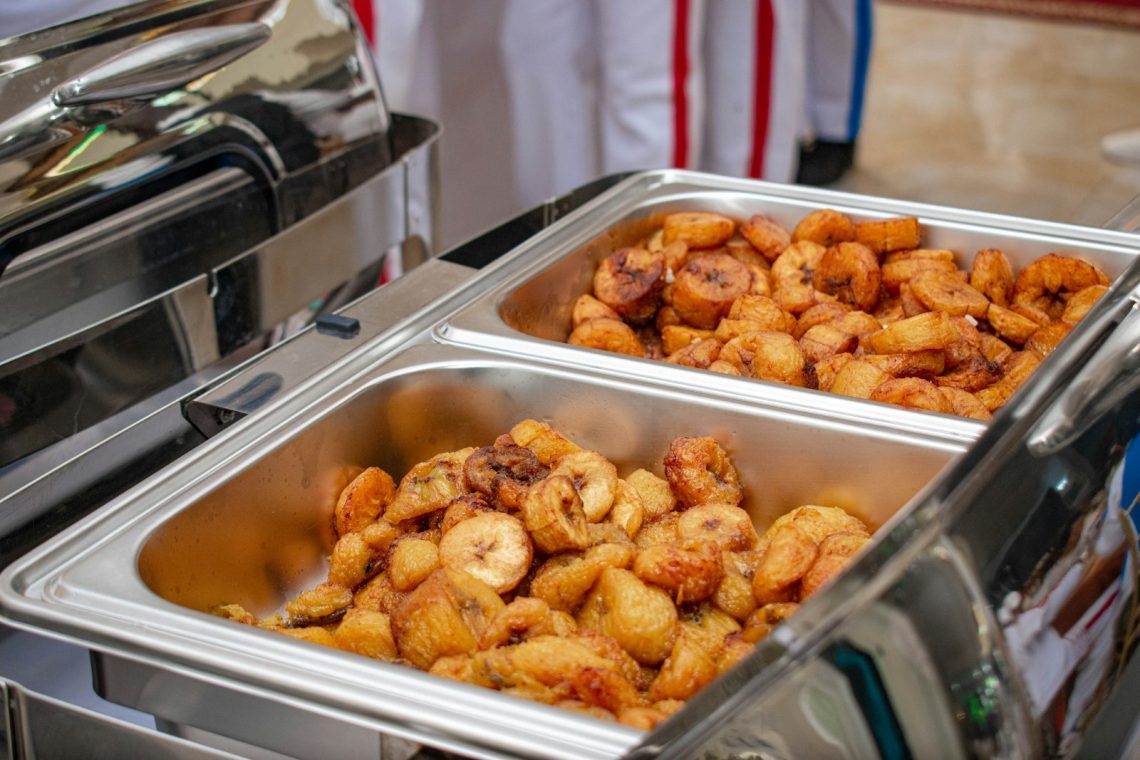
Plantain black bean breakfast hash is a savory skillet of golden plantain cubes, sweet red bell pepper, onion, and creamy black beans, warmed with cumin. It is filling without being heavy, and it works on a weekend table or as a quick weekday breakfast once the pieces are cut.
The trick is a two-stage cook. A short covered stage with a splash of water softens the dense plantain, then an uncovered stage lets the pan dry out so the edges can brown. Follow those two stages and you get a hash with distinct, tender pieces rather than a soft mash.
Affiliate disclosure: As an Amazon Associate I earn from qualifying purchases. Tool links are marked as paid links.
Why this combination works
Plantains are starchy rather than sweet when they are yellow, so they behave more like a potato than a banana. That starch is what lets them hold their shape and brown in the pan. Black beans bring earthy richness and protein, red bell pepper adds a little sweetness and color, and cumin ties the savory flavors together. Each ingredient has a different job, which is why the hash tastes complete with only a handful of pantry items.
Another advantage is flexibility. Nothing here needs to be timed to the second, and the hash holds well on the stove for a few minutes while you pour coffee or toast bread.
Choose the right plantains
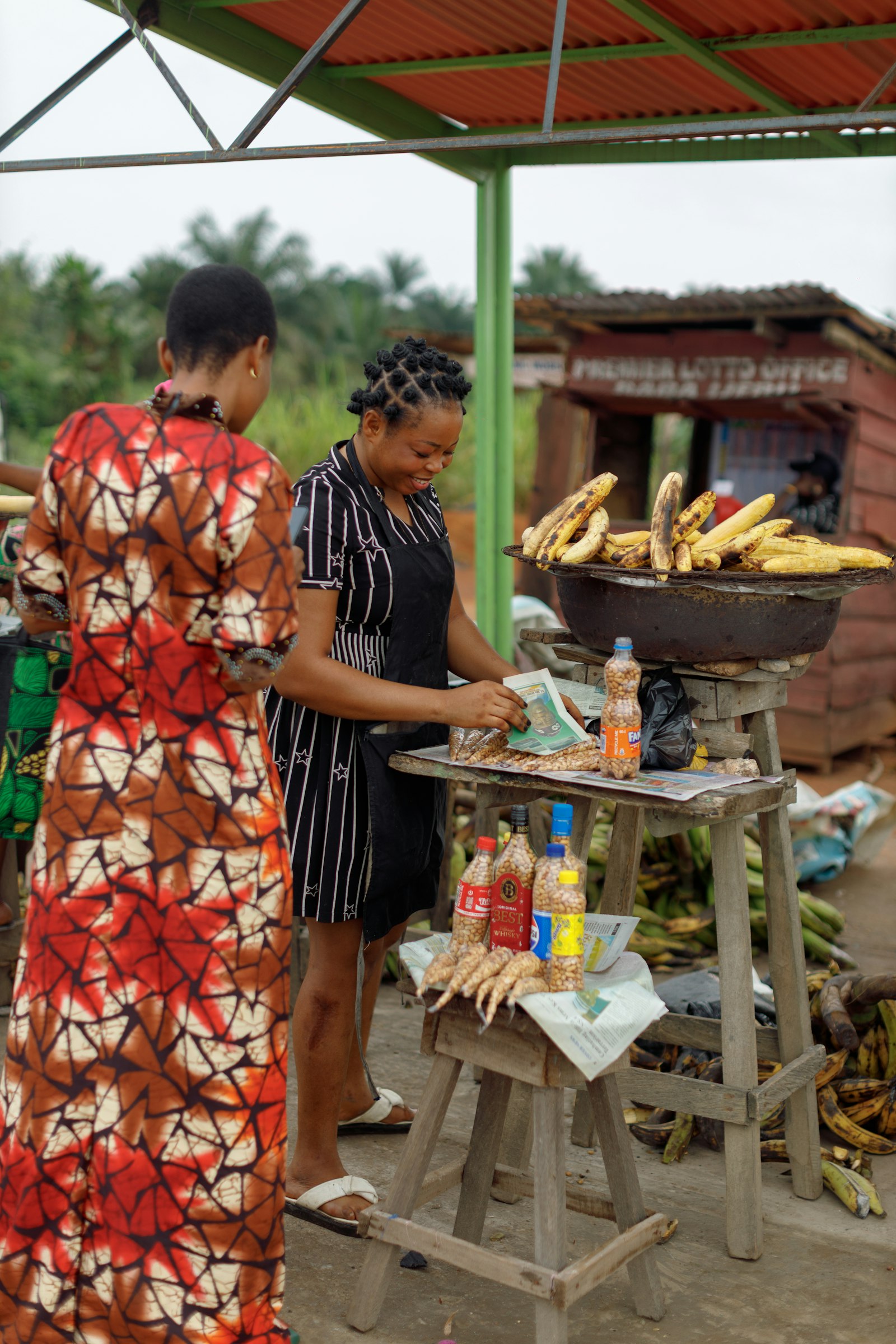
Look for plantains that are yellow with only a few black freckles. Green plantains are very starchy and take longer to soften, while heavily blackened ones are sweet and soft, and they tend to collapse into the pan instead of browning in distinct cubes. Yellow with limited spotting is the sweet spot for a hash: tender inside, with enough structure to crisp.
Plantain skin is thicker and tighter than banana skin. Trim both ends, score the peel lengthwise along a ridge, and pry it off with your thumb or the tip of a knife. Cut the flesh into cubes about 1/2 inch wide. Keeping the pieces the same size matters more than the exact dimension, because it is what makes them finish together.
Beans, pepper, and seasoning
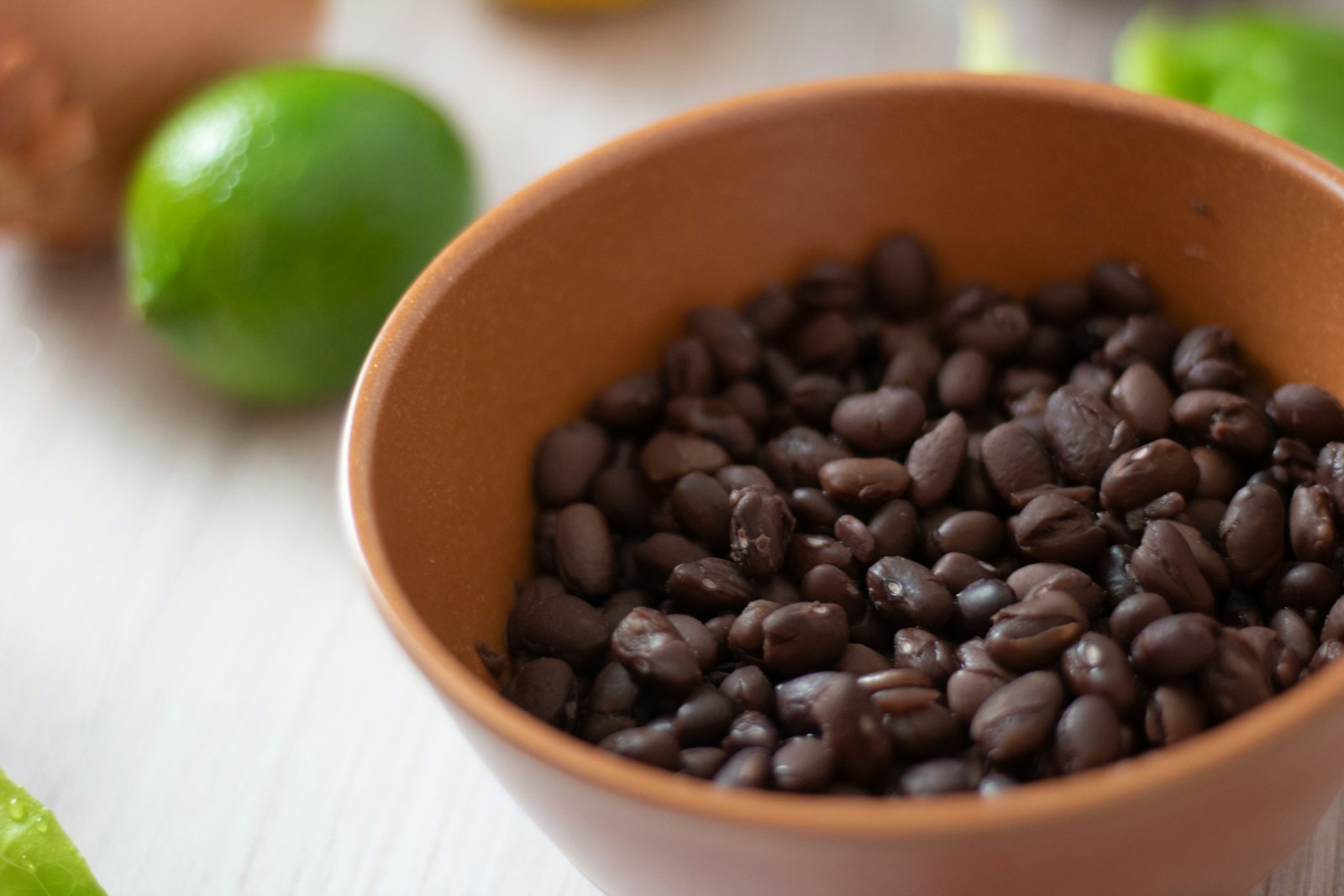
Canned black beans are the easy route. Rinse them well in a colander and let them drain so the pan does not fill with the canning liquid, which would steam the hash instead of browning it. If you cook dried beans at home, 1 1/2 cups of drained cooked beans is the amount you want. Add the beans near the end, because they are already tender and only need to heat through; stirring them in early turns them to paste.
Red bell pepper can be swapped for orange or yellow with almost no change. A diced poblano makes the hash a little more savory and mildly spicy. Smoked paprika can stand in for part of the cumin if you like a campfire note, and a squeeze of lime at the table brightens everything. Taste before adding extra salt, since canned beans are often already seasoned.
Tips for the skillet
Use a wide, heavy 12-inch skillet with a lid. A crowded or narrow pan traps steam, and steam is the enemy of browning. If your skillet is smaller, cook the hash in two batches rather than piling it deep.
During the covered stage, stir once and check for tenderness by piercing a cube with a fork. If the pan runs dry before the plantain softens, add a tablespoon of water and cover again. Once uncovered, let the liquid cook off completely before adding the second tablespoon of oil, then spread the vegetables out and leave them alone for a few minutes so the underside can color. Turn with a broad spatula every few minutes instead of stirring constantly.
Brown first, beans last: hold the black beans until the plantain and vegetables are tender and browned in places. Beans only need to warm through, and adding them late keeps them whole and keeps the pan dry enough to crisp.
Make ahead, store, and reheat
You can peel and cube the plantain and dice the onion and pepper the night before; keep them in separate covered containers in the refrigerator. Plantain cubes can darken slightly, which is harmless, but the pieces cook best within a day.
Refrigerate leftovers in shallow containers within 2 hours of cooking, or within 1 hour if the room is above 90°F. Keep the refrigerator at 40°F or below and eat the hash within 3 to 4 days. Reheat only what you plan to eat until it is steaming hot throughout, 165°F, in a skillet with a splash of water so it does not dry out. The browned edges soften in the refrigerator, so a minute or two uncovered in a hot pan helps bring some texture back.
Ways to serve it
- With eggs: top each plate with a fried or poached egg, cooked until the white is fully set.
- Fresh toppings: diced avocado, chopped cilantro, and a squeeze of lime add a cool, bright contrast.
- On the side: warm tortillas or toast, sliced tomatoes, or a simple green salad.
- Wrapped up: spoon the cooled hash into a tortilla for a portable breakfast.
Frequently asked questions
Can I use green plantains?
You can, but they are much starchier and firmer, so the covered stage will take longer and the flavor is closer to a potato. Yellow plantains with a few dark spots give the best balance of tenderness and browning for this hash.
Why did my hash turn mushy instead of browning?
Usually the pan was crowded, the plantains were very ripe, or the beans went in too early. Cook in two batches, use plantains that are yellow rather than black, and stir the beans in only at the end.
Can I use dried beans instead of canned?
Yes. Use about 1 1/2 cups of cooked, drained black beans. Make sure they are fully tender and well drained before they go into the skillet.
How do I peel a plantain easily?
Cut off both ends, make a shallow lengthwise slit through the peel, and work your thumb under the edge to pry it away. A firm yellow plantain peels more easily than a very ripe one.
Is this hash vegan?
As written, it contains only plantain, vegetables, beans, olive oil, and seasonings. Check the label on your canned beans, and add eggs or other toppings only if they suit your table.
Can I double the recipe?
Double the ingredients but use two skillets or cook in batches. Crowding slows browning, so the time may stretch; judge by tenderness and color rather than the clock.
Plantain Black Bean Breakfast Hash
Ingredients
Equipment
Method
- Peel and cube the plantains, dice the onion and bell pepper, and rinse and drain the beans.
- Warm 1 tablespoon oil in the skillet over medium heat. Add the plantains, 1/4 cup water, and half the salt. Cover and cook 7 to 10 minutes, stirring once, until nearly tender. Add a splash of water if the pan dries out first.
- Uncover and let the remaining water evaporate. Add the remaining tablespoon of oil, the onion, and the bell pepper. Spread in an even layer and cook about 5 minutes without constant stirring so the underside browns.
- Stir in the cumin and cook 6 to 10 more minutes, turning every few minutes, until the vegetables are tender and browned in places.
- Add the beans, the remaining salt, and the black pepper. Heat until everything is hot throughout, keeping the pan uncovered to preserve the browned edges.
- Taste and adjust the salt. Divide among four plates and add cool toppings just before serving.
Notes
Troubleshooting and changes that work
If the hash looks pale and wet, the skillet was probably too full or the water never fully evaporated. Move half to a second pan, raise the heat slightly, and let the surface dry before turning. If the plantain browns but stays firm, add a spoonful of water, cover for a couple of minutes, then uncover and finish. If the hash tastes flat, a pinch of salt and a squeeze of lime usually fixes it.
For substitutions, choose a vegetable with a similar cooking time, and cut dense roots smaller than quick-cooking vegetables. If you add a raw meat such as chicken or sausage, cook it separately to 165°F first; this recipe is built around fully cooked ingredients.
Helpful tools for this recipe
A 12-inch skillet with a lid (paid link) gives the plantains room to brown, and a wide turner spatula (paid link) makes turning the hash easy.
More recipes for your table
For another way to use this pairing, try Black Bean Plantain Quesadillas. If you like skillet hashes, see Parsnip Mushroom Breakfast Hash with Peas, and for a lighter bean breakfast, Avocado White Bean Breakfast Toast with Cucumber.




