
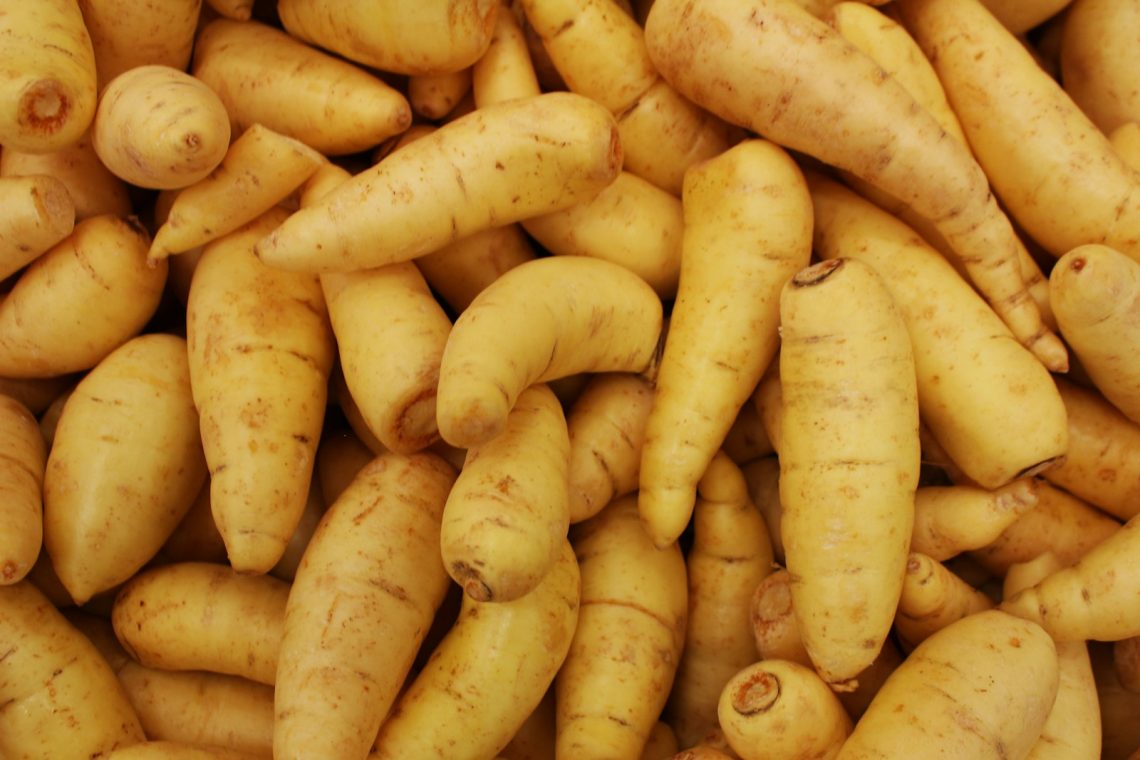
Parsnip mushroom breakfast hash with peas is a savory, lightly sweet skillet that turns humble root vegetables into a satisfying morning meal. Parsnip cubes brown at the edges and turn tender inside, mushrooms add a deep, meaty flavor, and sweet green peas finish the pan with color and freshness. Rosemary ties it all together.
It is also an easy dish to scale and adapt. The method uses a short covered stage to soften the dense parsnips and an uncovered stage to evaporate moisture and brown everything, and that same rhythm works for most root-vegetable hashes.
The one thing to remember: mushrooms need uncovered pan time to release their moisture and brown. Add them after the parsnips are nearly tender, keep the lid off, and resist stirring constantly. That is what separates a golden hash from a soggy one.
Affiliate disclosure: As an Amazon Associate I earn from qualifying purchases. Tool links are marked as paid links.
Why parsnips make a good hash
Parsnips look like pale carrots, but their flavor is nuttier and gently sweet, especially when browned. They are firm enough to hold a cube shape but become creamy when cooked through, so they bring a texture somewhere between a potato and a carrot. Their natural sugars caramelize in the skillet, which means you get deep flavor without any added sweetener.
Choose small to medium parsnips when you can. Large, older parsnips often have a woody core running down the center. If you cut one in half and see a tough, fibrous center, trim it out before dicing, because it stays chewy no matter how long you cook it. Peel the skin, trim the ends, and cut the flesh into 1/2-inch cubes, keeping them close in size so they soften together.
Mushrooms that actually brown
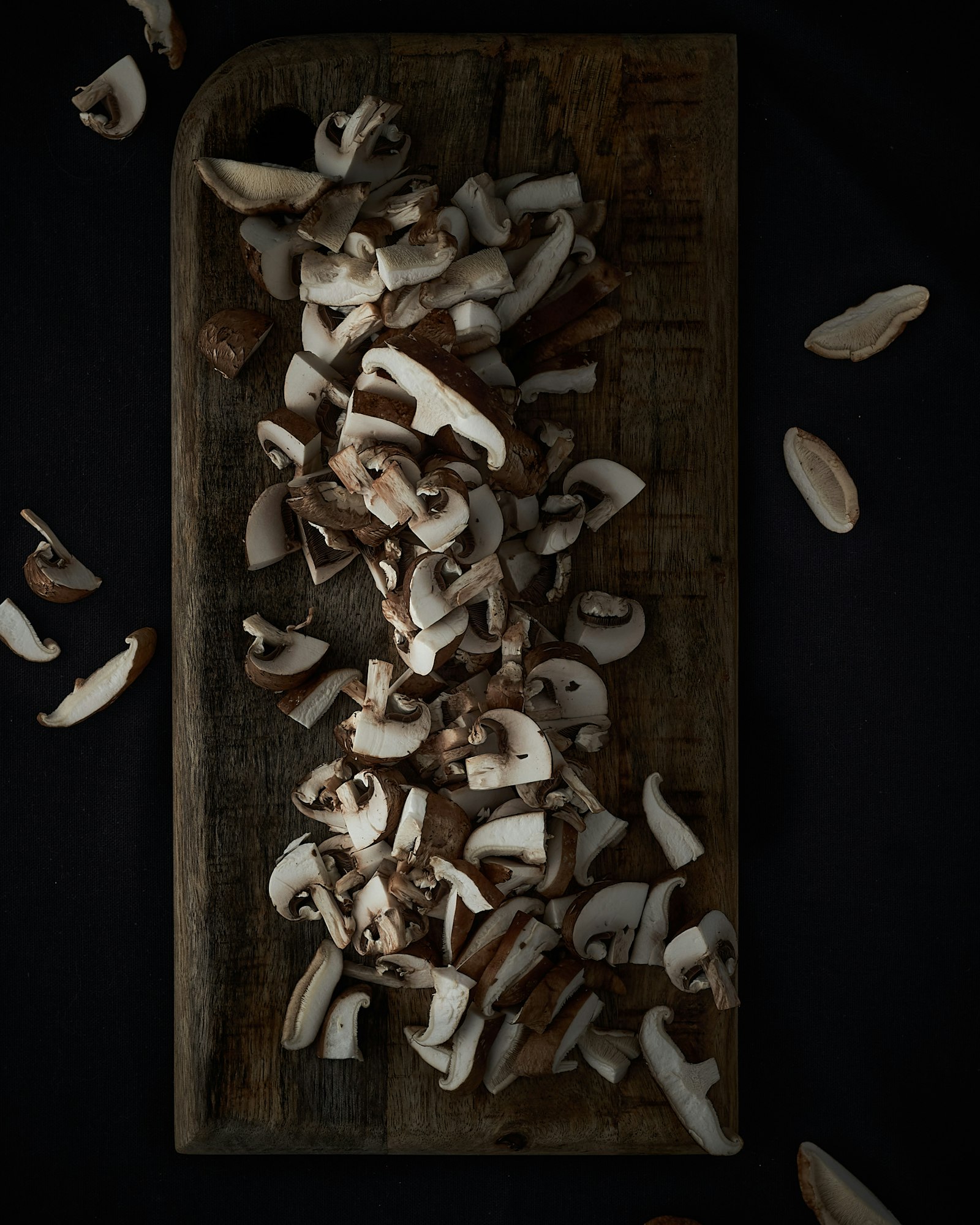
Button or cremini mushrooms both work well. Wipe them clean with a damp towel or rinse briefly and dry them thoroughly, because surface water turns to steam and prevents browning. Slice them about 1/4 inch thick so they hold up in the pan. Cremini give a deeper, earthier flavor, while white button mushrooms are milder; a mix is lovely.
Mushrooms are mostly water, so they will shrink noticeably and release liquid in the pan. Give that liquid time to cook off. When the pan looks dry and the slices start to color, they are ready for the peas. If your skillet feels crowded at this stage, cook the hash in two batches rather than raising the heat sharply.
Peas and rosemary
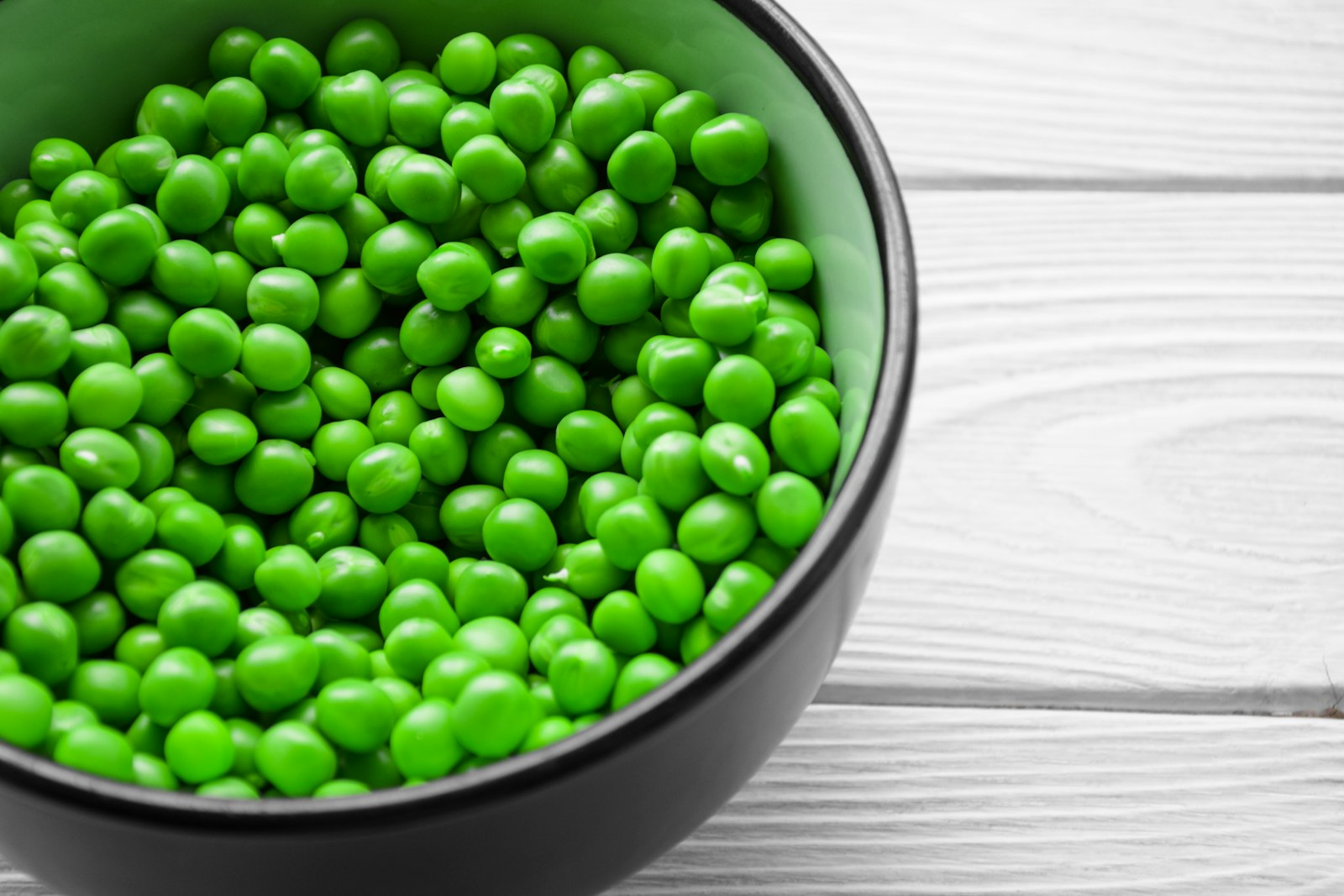
Frozen peas are the easiest choice because they are picked and frozen at peak sweetness. Thaw them in a colander under cool water and drain well before they go into the pan. They need only a minute or two of heat, so add them at the end; cooked too long they dull in color and turn mealy.
Dried rosemary is potent and a little woody, so crush it between your fingers or with the back of a spoon before it goes in. One teaspoon is enough for four servings. If you have fresh rosemary, use about a tablespoon of very finely chopped needles. Thyme or sage also pair nicely with parsnips and mushrooms.
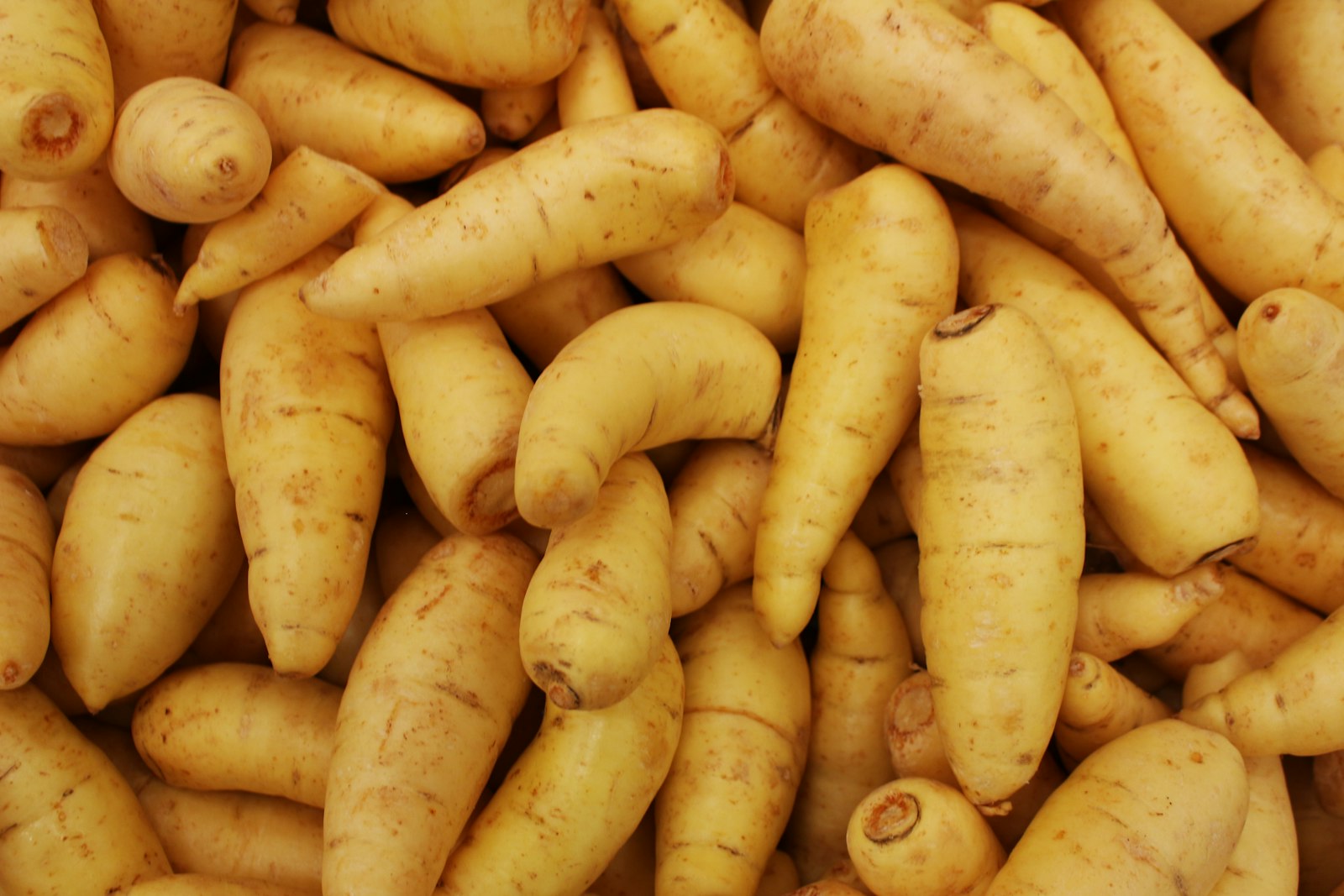
Parsnip Mushroom Breakfast Hash with Peas
Ingredients
Equipment
Method
- Peel and cube the parsnips, removing any woody core. Dice the onion, slice the mushrooms, and thaw and drain the peas.
- Warm 1 tablespoon oil in the skillet over medium heat. Add the parsnips, 1/4 cup water, and half the salt. Cover and cook 7 to 10 minutes, stirring once, until nearly tender. Add a splash of water if the pan dries out first.
- Uncover and let the remaining water evaporate. Add the remaining tablespoon of oil, the onion, and the pepper. Spread in an even layer and cook about 5 minutes without constant stirring so the underside browns.
- Add the mushrooms and rosemary. Cook 6 to 10 more minutes, turning every few minutes, until the mushrooms have released their liquid and the vegetables are tender and browned in places.
- Stir in the peas and the remaining salt. Heat until everything is hot throughout, keeping the pan uncovered.
- Taste and adjust the salt. Divide among four plates and add cool toppings just before serving.
Notes
Tips, swaps, and storage
A pale, wet hash usually means the skillet was crowded or the water never fully evaporated. Cook in two batches and let steam escape before adding more oil. If the parsnips brown but stay hard, add a spoonful of water, cover for a couple of minutes, then uncover and finish. For swaps, carrots or celery root cook on a similar schedule, and cut any dense root a bit smaller than quick-cooking vegetables.
For serving, a fried or poached egg cooked until the white is fully set is the classic partner. Toast, a green salad, or sliced tomatoes make the plate more generous. A spoonful of plain yogurt adds a cool contrast.
Refrigerate leftovers in shallow containers within 2 hours of cooking, or within 1 hour if the room is above 90°F. Keep the refrigerator at 40°F or below and use the hash within 3 to 4 days. Reheat only what you plan to eat until it reaches 165°F throughout, using a skillet and a splash of water. The browned edges soften when chilled, so finish in a hot, uncovered pan to bring back some texture.
Frequently asked questions
Do I need to peel the parsnips?
Yes, peeling is best. The skin can be tough and slightly bitter, especially on larger parsnips. Peel, trim the ends, and remove any woody center before cutting.
Why are my mushrooms soggy instead of browned?
Mushrooms release a lot of water. Keep the pan uncovered, avoid overcrowding, and give them time to cook off their liquid before stirring too often. Wet mushrooms from rinsing also slow browning, so dry them well.
Can I use fresh peas instead of frozen?
Yes. Shelled fresh peas can go in at the end just like thawed frozen ones, though very large, starchy peas may need a minute or two longer to become tender.
What can I use in place of rosemary?
Dried thyme or sage works well. Use about the same amount, crushed, and add it with the mushrooms so the herbs bloom in the hot oil.
Can I prepare the vegetables the night before?
Yes. Peel and cube the parsnips and slice the mushrooms, then store them in separate covered containers in the refrigerator. Cook the hash close to serving time for the best texture.
How can I add protein?
Top each serving with an egg cooked until fully set, or stir in a cup of rinsed canned white beans at the end. Any fully cooked meat should be reheated in the pan to 165°F before serving.
Helpful tools for this recipe
A 12-inch skillet with a lid (paid link) gives the vegetables room to brown, and a sturdy Y-shaped vegetable peeler (paid link) makes quick work of the parsnips.
More recipes for your table
If you enjoy root-vegetable hashes, try Celery Root Breakfast Hash with Mushrooms and Gruyere or Plantain Black Bean Breakfast Hash. For another savory mushroom side, see Buckwheat Groats with Mushrooms and Onions.




