
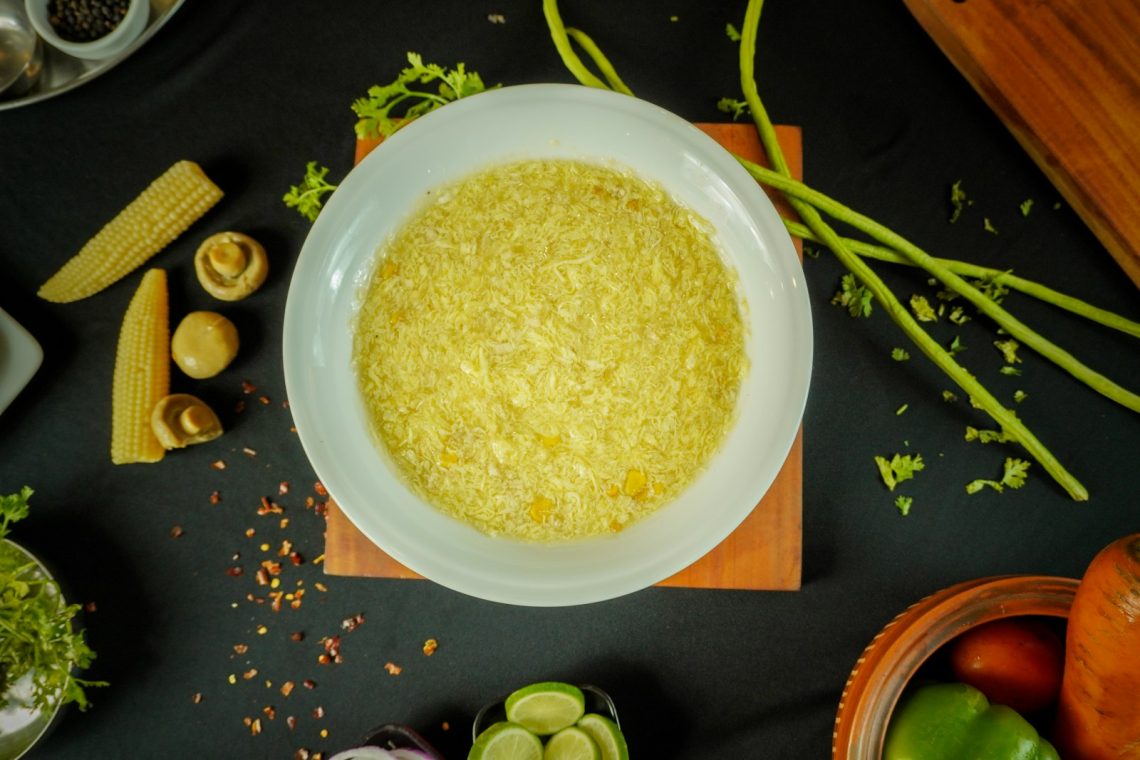
Crab corn soup with scallions is a delicate, lightly sweet soup that comes together on the stove in less than an hour. Corn kernels simmer with onion, garlic and a touch of sweet paprika in vegetable broth, then picked crabmeat is warmed through, and a swirl of milk with fresh scallions finishes the pot. The result is a soup that tastes of the sea and the garden at the same time, without any heavy thickeners.
Because the crabmeat is already cooked, the real work happens in the vegetable stage. Once the corn is tender and the broth is flavorful, you only need to fold in the crab gently and keep the soup warm. That approach protects the crab’s tender, sweet flakes and gives you a soup with real texture.
Why crab and corn go so well together
Both crab and corn are naturally sweet, and each makes the other taste more of itself. Corn adds body and a gentle pop of texture, while crab adds a savory, briny depth. Sweet paprika gives a faint warmth and a pale golden tint, and scallions bring a fresh, mild onion bite that keeps the soup from tasting flat or too rich. A little milk softens the edges, making the broth feel creamy without hiding the other flavors.
Crab Corn Soup with Scallions
A light corn soup with onion, garlic and paprika, finished with picked crabmeat, milk and sliced scallions.
Equipment
4-quart pot, wooden spoon, ladle, cutting board and knife
Ingredients
- 2 tablespoons olive oil
- 1 medium onion, finely diced
- 2 garlic cloves, minced
- 2 cups corn kernels, fresh or thawed
- 8 ounces fully cooked picked crabmeat
- 4 cups low-sodium vegetable broth
- 1/2 teaspoon sweet paprika
- 1/2 cup milk mixed with 1/4 cup sliced scallions
- 1/2 teaspoon fine salt, plus more to taste
- 1/4 teaspoon black pepper
- Water as needed, added 1/4 cup at a time
Instructions
- Pick through the crabmeat for any shell fragments. Slice the scallions and stir them into the milk.
- Heat the olive oil in a 4-quart pot over medium heat. Add the onion and half the salt. Cook 5 to 6 minutes, stirring occasionally, until softened but not heavily browned. Add the garlic and stir for 30 seconds.
- Add the corn and paprika. Stir for 1 minute, then pour in the broth and scrape up any light browned bits. Bring to a simmer, then reduce the heat so the bubbles are small and steady.
- Partially cover and simmer 15 to 20 minutes, stirring occasionally, until the corn is tender. Add water 1/4 cup at a time if the liquid runs low.
- Add the crabmeat and simmer 5 to 8 minutes, until thoroughly hot, stirring gently so the pieces stay recognizable.
- Lower the heat and stir in the milk and scallion mixture, the remaining salt and the pepper. Do not boil. Taste a cooled spoonful, adjust the salt gradually, and divide among four bowls.
Notes
The crabmeat is already cooked and only needs to be heated through. Refrigerate leftovers within 2 hours and use within 3 to 4 days; reheat gently to 165°F.
familyrecipehq.com
Ingredient notes and swaps
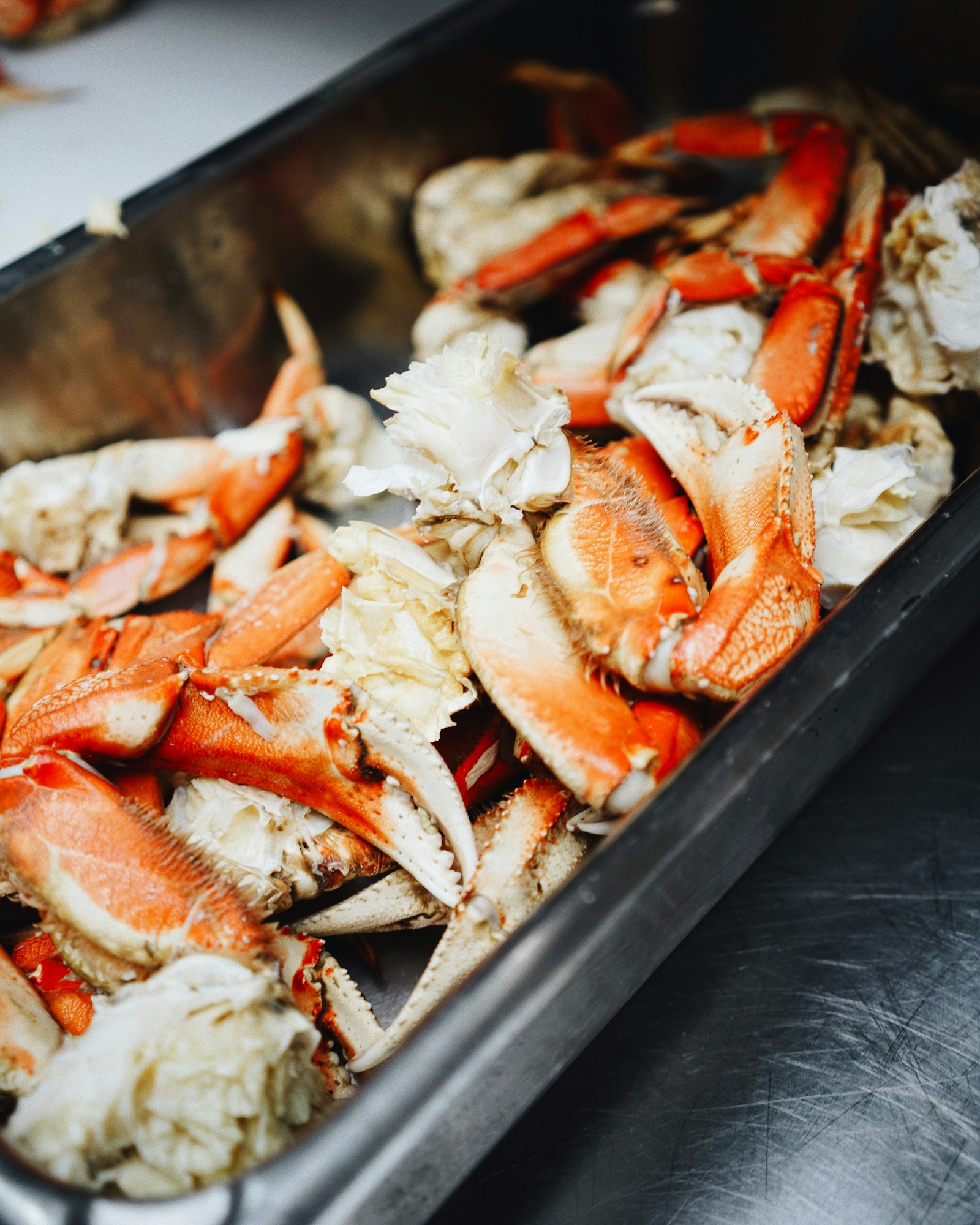
Crabmeat. The recipe uses 8 ounces of fully cooked, picked crabmeat. Lump crabmeat gives the best texture, but claw meat is less expensive and has a stronger flavor that works well in soup. Pasteurized crabmeat sold in refrigerated tubs is convenient, and fresh picked crab from a seafood counter is a treat. Drain any liquid and check the meat with your fingers for small bits of shell before adding it. Imitation crab is a different, processed product and is not what this recipe assumes.
Corn. Two cups of kernels, fresh or thawed. Fresh corn cut from the cob gives the sweetest flavor, and frozen corn is a good year-round alternative. Thaw and drain it so it does not water down the broth. Canned corn, drained and rinsed, also works.
Milk and scallions. Half a cup of milk, stirred with a quarter cup of sliced scallions, goes in at the very end. Slice the scallions thinly, including some of the green tops. Half-and-half makes a richer soup, and an unsweetened plant-based milk can be used for a dairy-free version, though the flavor will change a little.
Paprika, broth and extras. Sweet paprika is mild and colorful; smoked paprika is stronger, so use less. Low-sodium vegetable broth lets you control the salt. A small piece of grated fresh ginger is a classic addition to corn and crab soups in many kitchens, though it is not part of this recipe, and a splash of rice vinegar at the end can brighten the flavor.
Step-by-step tips
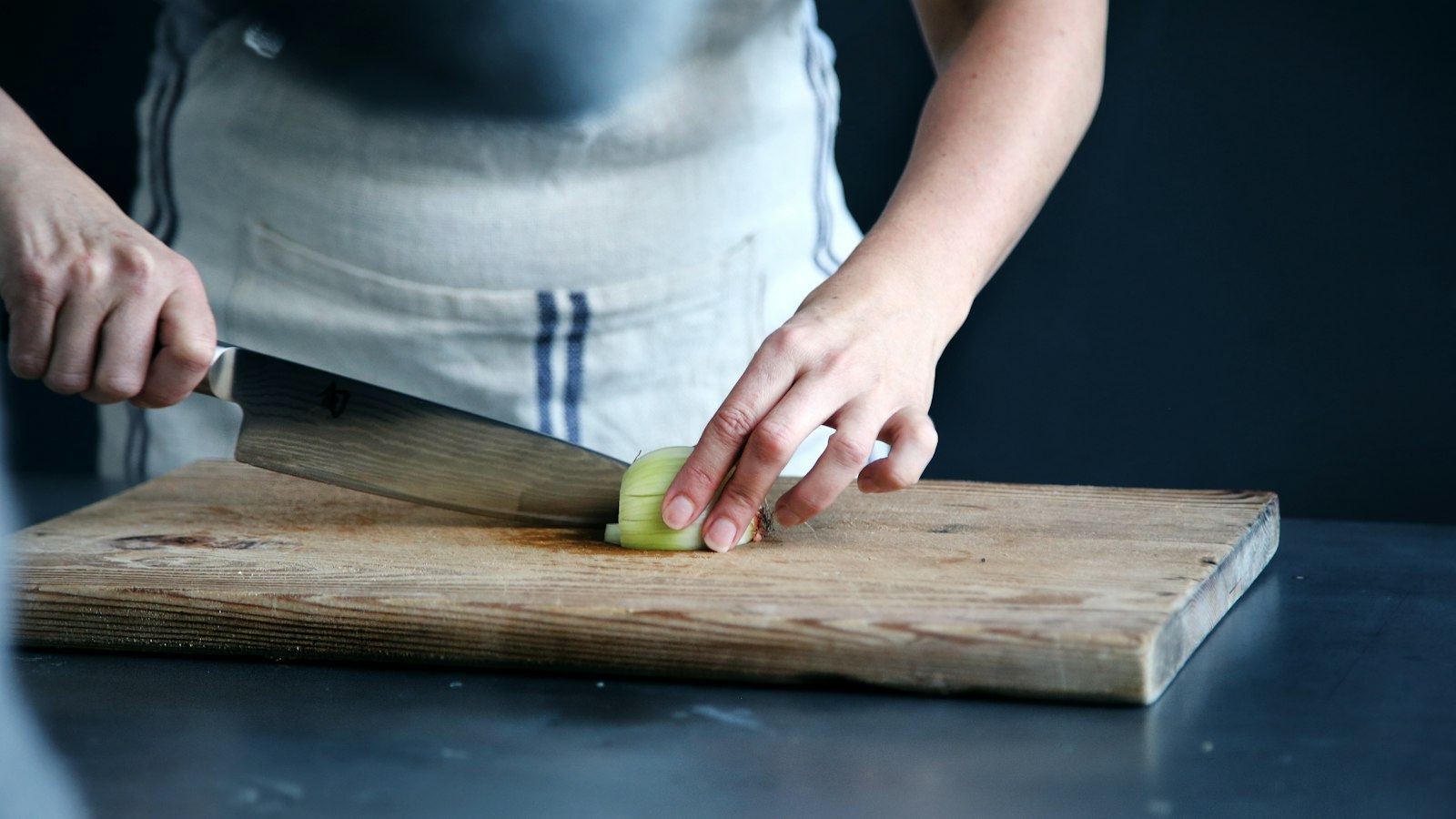
Cook the onion in olive oil over medium heat with half of the salt for 5 to 6 minutes. You are aiming for soft and sweet, not browned, since a deeply browned onion would overpower the delicate crab. Add the garlic for only 30 seconds before the corn and paprika go in.
Stir the corn and paprika for a full minute so the paprika blooms in the oil, then add the broth. Scrape the base of the pot, bring it to a gentle simmer and partially cover. After 15 to 20 minutes the corn should be tender and the broth should taste sweet and savory. If it has reduced too much, add water a quarter cup at a time.
Add the crabmeat and warm it for 5 to 8 minutes, stirring gently so the lumps do not break into shreds. For a thicker texture, press a few corn kernels against the side of the pot, or blend a cup of soup and stir it back in. To finish, lower the heat and pour in the milk and scallion mixture along with the remaining salt and the pepper. Keep the soup below a boil, taste a cooled spoonful, and adjust the salt in small steps.
Check the crab: Pick through crabmeat for shell fragments before it goes into the pot, and use gentle stirring so the pieces stay recognizable. Rough stirring turns lumps into stringy shreds.
Serving, troubleshooting and storage
Serving. Ladle into warm bowls and scatter a few extra scallions on top. Plain steamed rice, crackers, or a slice of toast go well alongside, as does a simple cucumber salad. Keep any crunchy toppings out of the pot until the bowls are filled so they do not turn soggy.
If the soup tastes flat, add salt a pinch at a time or a few drops of vinegar or lemon juice. If it is too salty, usually from the crabmeat or broth, add a little water or milk and warm it gently. If the milk separates, the soup got too hot; stir well off the heat and reheat more gently next time. If the crab seems dry, it was likely cooked too long; add it later and heat only until hot.
Make-ahead and storage. You can prepare the corn base a day ahead and refrigerate it. Reheat the base, then add the crab, milk and scallions just before serving. For finished soup, refrigerate within 2 hours (within 1 hour if the room is above 90°F), keep it at 40°F or below, and eat it within 3 to 4 days. Reheat gently to 165°F, stirring, and avoid boiling. Seafood and dairy soups do not freeze well, so refrigeration is the better choice.
Frequently asked questions
Can I use canned crabmeat?
Yes. Drain it well and pick through for shell. Canned crab has a softer texture and a stronger flavor than fresh lump meat, so it works nicely in soup.
Can I use imitation crab?
This recipe is written for real picked crabmeat. Imitation crab is a processed fish product with a different texture and flavor, so check the label and adjust the seasoning if you decide to try it.
How do I make the soup thicker?
Press a few corn kernels against the pot or blend a cup of the soup and stir it back in. This thickens the broth with the corn’s own starch and needs no added flour.
Can I make it dairy-free?
Use an unsweetened plant-based milk in place of the milk. It may taste slightly different and be a little thinner. Add it at the end and keep the heat low.
Can I add other vegetables?
Finely diced carrots or celery can go in with the onion. Keep the total volume close to the recipe and add a bit more broth if the pot looks crowded.
Why add the scallions at the end?
Scallions lose their fresh flavor and bright color when they cook for a long time. Stirring them in with the milk at the finish keeps them mild, green and crisp-tender.
Helpful tools for this recipe
A 4-quart saucepan (paid link) suits the batch size, and a pair of kitchen shears (paid link) is handy for snipping scallions straight into the bowl.
As an Amazon Associate I earn from qualifying purchases.
More recipes for your table
For another pantry seafood idea, try Tuna Couscous with Frozen Peas, Lemon, and Dill. You might also like Pollock with Potatoes and Leeks in a Light Broth and Chicken Barley Soup Without Celery.
Crab corn soup with scallions rewards a light touch. Cook the corn until tender, fold in the crab gently, and keep the soup below a boil once the milk goes in.




