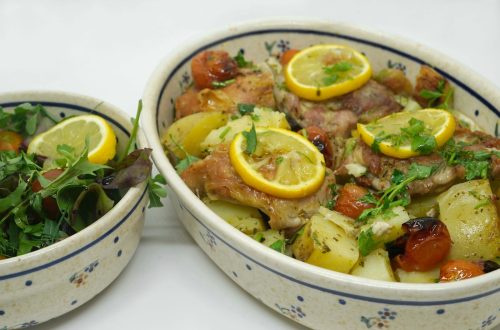
A good chicken barley soup is one of the most dependable cold-weather dinners you can make. Tender chicken thighs, chewy pearl barley, sweet carrots and a clear, savory broth come together in one pot, and the leftovers make excellent lunches. This version leaves out celery entirely. Instead, leek, onion, thyme and a squeeze of lemon build the flavor, so the soup tastes complete whether you skip celery because of an allergy, a picky eater, or an empty crisper drawer.
Below you’ll find the full recipe, how to choose and time your barley, what to do if the pot gets too thick or too salty, slow cooker and pressure cooker options, and how to store and reheat it without turning it into porridge.
Affiliate disclosure: As an Amazon Associate I earn from qualifying purchases. These paid links open Amazon search results so you can compare suitable tools.
A 5-quart heavy pot with a lid (paid link) leaves room for the soup and barley. Keep an instant-read food thermometer (paid link) nearby so the chicken can be checked and removed independently of the grain’s cooking time.
Chicken barley soup at a glance
- Serves: 4 generous bowls (about 10 cups)
- Time: 20 minutes prep, 55–75 minutes on the stove
- Key technique: the chicken and the barley each get their own doneness check, so neither one is overcooked to suit the other
- Flavor base without celery: leek, onion, carrot, garlic, thyme and bay, finished with lemon and parsley
- Not gluten-free: barley contains gluten
Why this chicken barley soup works
Most soup recipes give you one timer and hope everything finishes together. Chicken and barley don’t cooperate that way. Boneless thighs are usually safe to eat after 20 to 30 minutes of gentle simmering, while pearl barley often needs 40 minutes or more before its center turns tender. If you wait for the barley, the chicken can turn stringy. If you stop for the chicken, the barley stays chalky.
The fix is simple: cook them together, but take the chicken out as soon as it reaches 165°F and let the barley keep going on its own. The chicken goes back in, shredded, for the last few minutes. You get juicy meat, fully cooked grain and a broth that has absorbed flavor from both.
Barley also does more than fill the bowl. As it simmers it releases starch that gives the broth a light, silky body without any flour or cream. It’s a whole-grain-style ingredient with a pleasant chew, and its soluble fiber (beta-glucan) is one reason barley shows up so often in hearty, filling soups.
Building flavor in chicken barley soup without celery
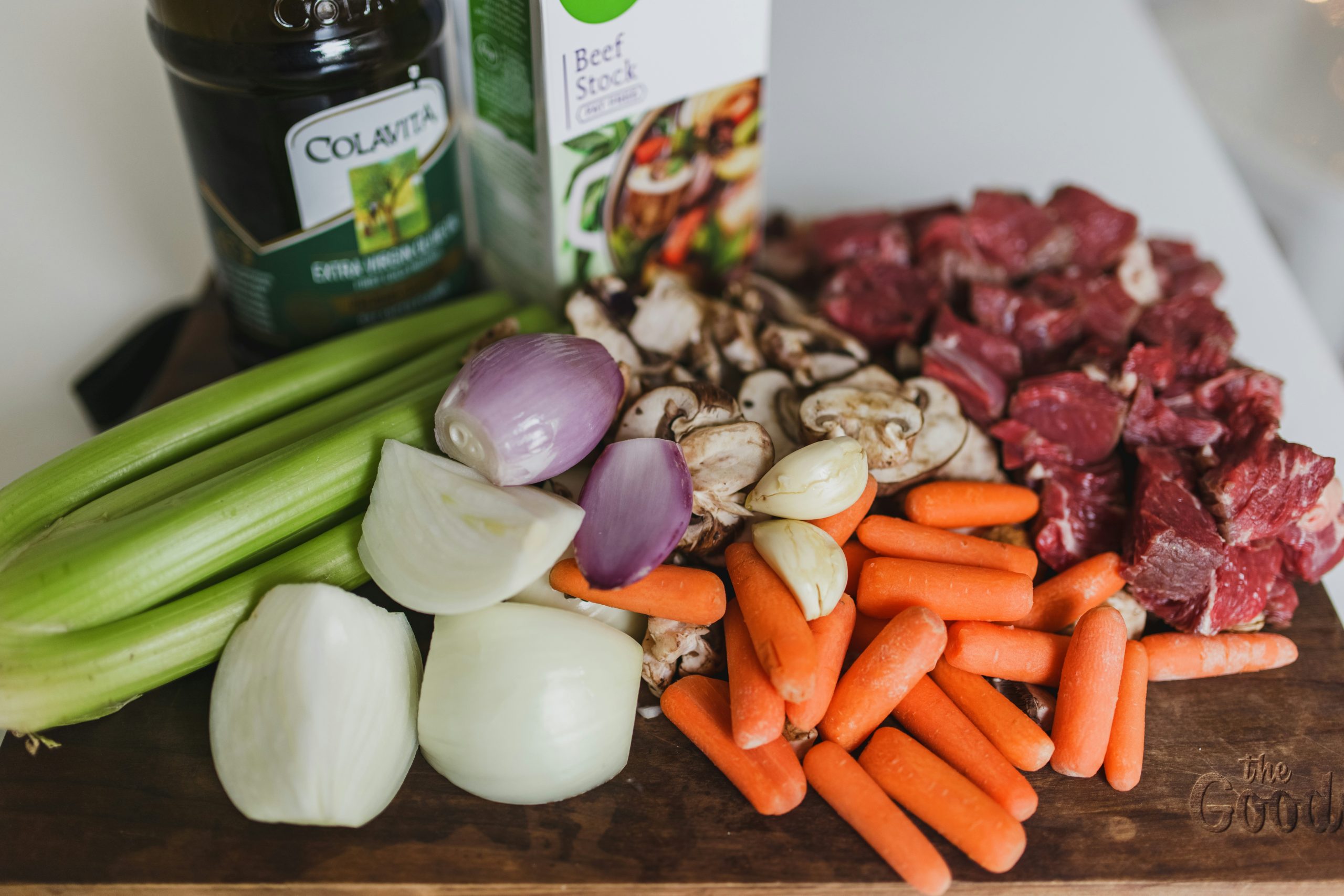
Celery is a supporting player in most soups. It adds a faint green, slightly bitter note that balances sweet carrots and rich broth. Take it out without replacing what it does, and the soup can taste a little flat. This recipe covers that gap in three ways:
- Leek for depth. Leek is milder and sweeter than onion, with a gentle grassy edge that sits right where celery normally would. Cooked slowly in oil, it melts into the broth.
- Herbs for the savory note. Dried thyme and a bay leaf simmer the whole time, giving the broth a rounded, herbal backbone. Fresh parsley at the end adds the green freshness celery leaves usually bring.
- Lemon for brightness. One tablespoon of lemon juice stirred in after cooking wakes up the whole pot. It won’t make the soup taste lemony; it makes the chicken and vegetables taste more like themselves.
If you’re avoiding celery because of an allergy, check your broth, bouillon and any seasoning blends. Celery and celery seed are common in boxed stocks and spice mixes, so leaving out the stalks alone doesn’t make the whole pot safe. A broth you already know meets your needs is the best starting point.
Choosing ingredients for chicken barley soup
Which barley to buy
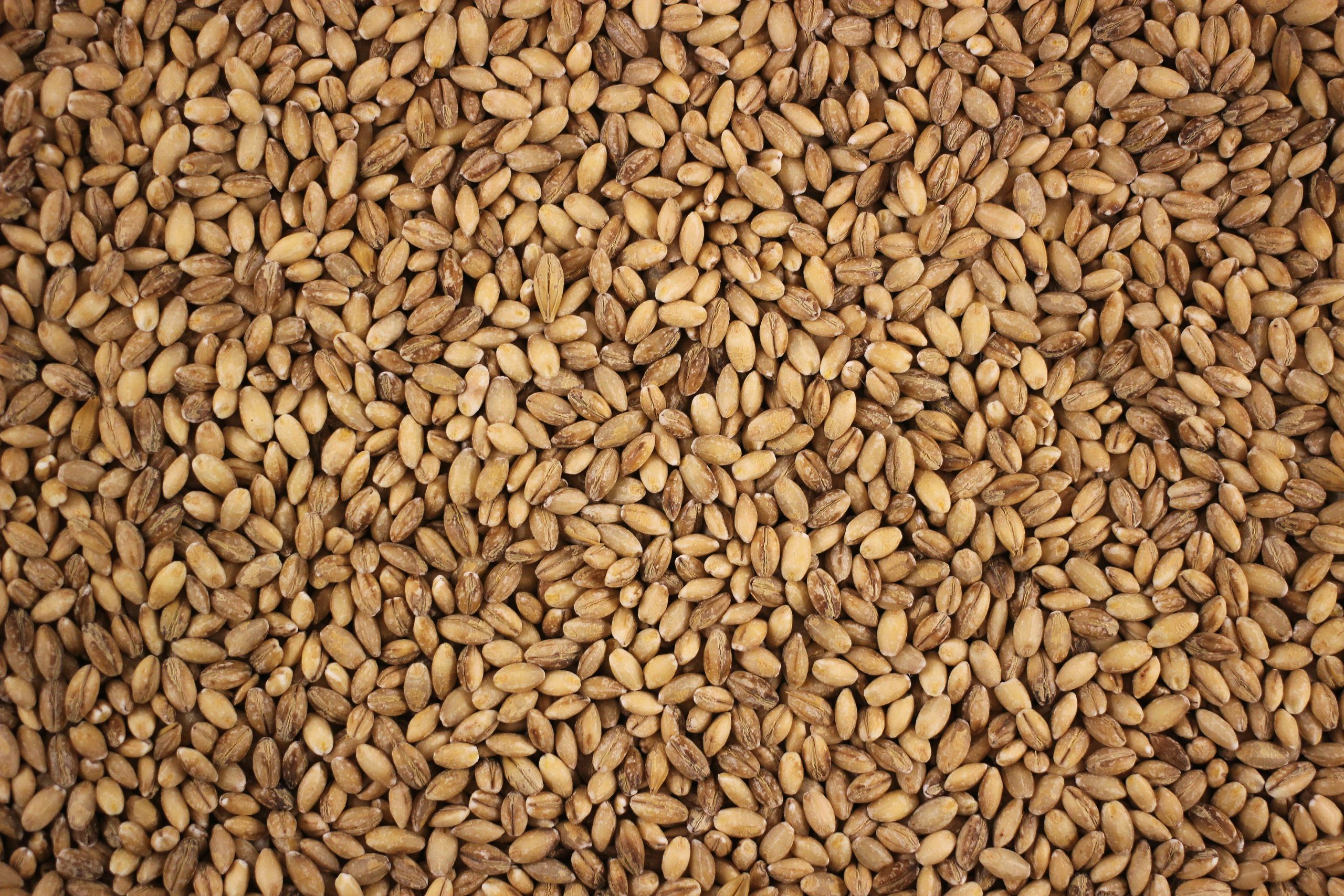
Grocery stores usually carry three kinds, and they behave very differently in a pot of soup:
| Barley type | What it is | How to use it in this soup |
|---|---|---|
| Pearl barley | Outer hull and bran polished off; cooks fastest of the whole forms | Use as written. Start checking after about 35 minutes of simmering. |
| Quick-cooking barley | Pre-steamed and flattened pearl barley | Cook the chicken first, then add the barley for its package time near the end. Start with 5 cups broth. |
| Hulled barley | Only the inedible hull removed; chewiest and slowest | Cook it separately according to the package, then stir tender barley into the soup. |
| Already cooked barley | Leftover grain from another meal | Use about 2 cups, added with the shredded chicken. Reduce the broth to about 5 cups. |
Rinse dry pearl barley in a strainer before cooking. It removes loose starch and dust, which keeps the broth from turning cloudy or gluey.
Which chicken works best
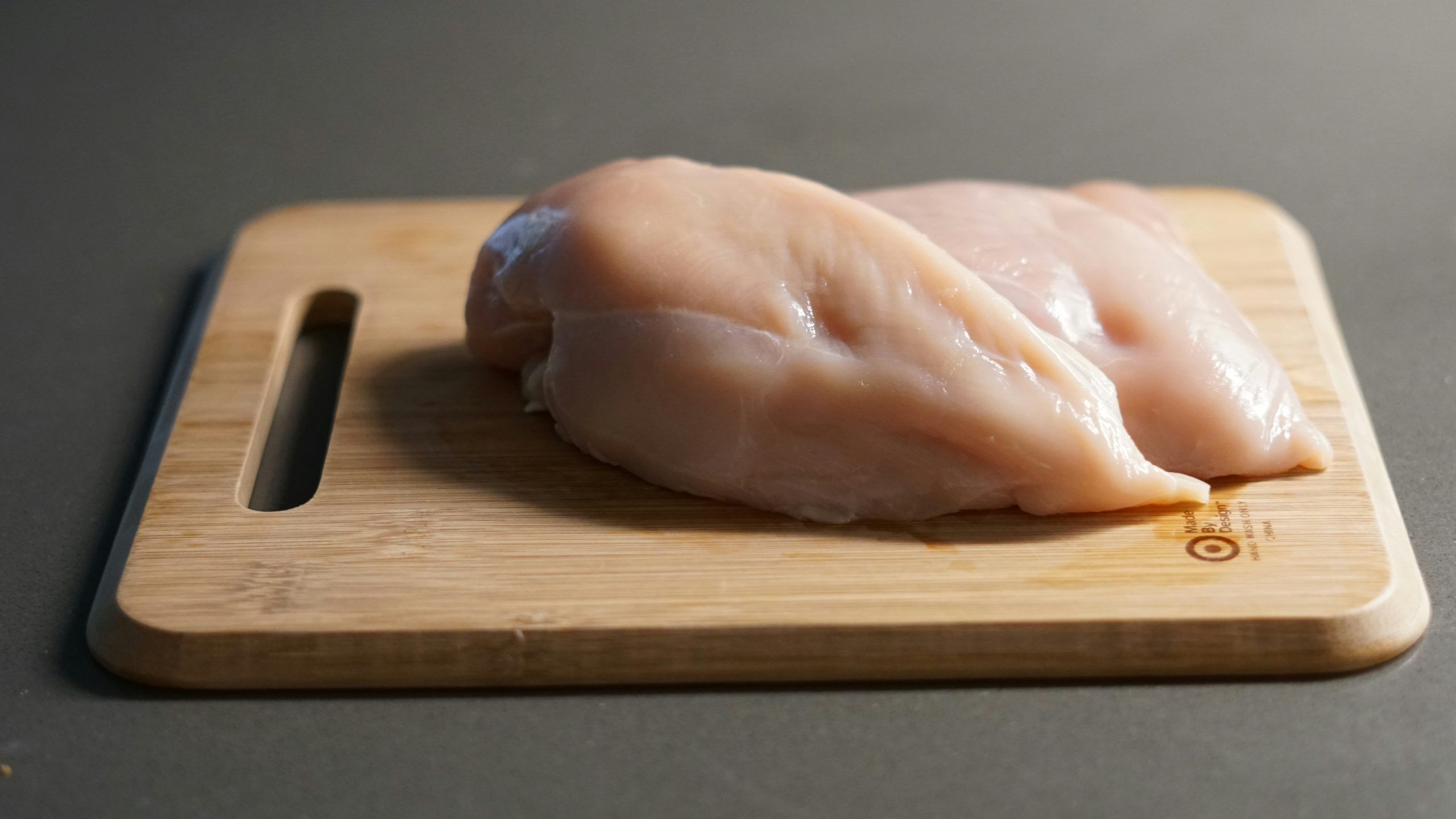
Boneless, skinless thighs are the best choice. They have enough fat and connective tissue to stay moist through a simmer, and they shred easily. Breasts work too, but they dry out faster, so pull them the moment they hit 165°F. Bone-in thighs add more body to the broth; give them extra time and pull the meat off the bones before returning it to the pot.
Broth and seasoning
Use low-sodium chicken broth. Barley absorbs liquid as it cooks, which concentrates whatever salt is in the pot. Starting low lets you season at the end, when you can taste the finished soup. Homemade stock is wonderful here, but a good store-bought carton works perfectly well.
How to make chicken barley soup, step by step
Yield: 4 generous bowls. Prep: 20 minutes. Cook: 55–75 minutes. Total: 75–95 minutes.
Equipment: 5-quart heavy pot with a lid, cutting board, knife, fine strainer, tongs, two forks and an instant-read food thermometer.
Ingredients
- 1 tablespoon olive oil
- 1 medium yellow onion, diced (about 1 cup)
- 1 medium leek, white and pale-green parts only, halved lengthwise, rinsed between the layers, and thinly sliced (about 1 cup)
- 2 medium carrots, cut into ¼-inch half-moons (about 1 cup)
- 2 garlic cloves, minced
- 1 teaspoon dried thyme
- 1 bay leaf
- ¾ cup dry pearl barley, rinsed
- 1 pound boneless, skinless chicken thighs, large pieces of exterior fat trimmed
- 6 cups low-sodium chicken broth, plus up to 1 cup more if needed
- ½ teaspoon fine salt to start, plus more after tasting
- ¼ teaspoon ground black pepper
- 1 tablespoon lemon juice, plus more to taste
- 2 tablespoons chopped fresh parsley
Instructions
- Soften the vegetables. Heat the oil in the pot over medium heat. Add the onion, leek and carrots. Cook for 8–10 minutes, stirring often, until the leek is soft and the onion looks translucent. Lower the heat if anything browns quickly; a little golden color is fine, but scorched leek turns bitter.
- Bloom the aromatics. Stir in the garlic and thyme and cook for 30 seconds, just until fragrant.
- Start the simmer. Add the barley, bay leaf, chicken thighs, broth, salt and pepper. Scrape the bottom of the pot to release any browned bits. Bring to a simmer, then turn the heat down so small bubbles rise steadily instead of rolling across the surface.
- Check the chicken. Partially cover and simmer for 20–25 minutes, then check the thickest thigh. Keep going until every piece reaches 165°F, the safe minimum for poultry. Lift the thighs onto a clean plate with clean tongs. Don’t rely on color alone.
- Finish the barley. Keep simmering, partly covered, until the barley is plump and tender with a gentle chew, usually 15–25 minutes more. Stir now and then, especially along the bottom. Add more broth a splash at a time if the grain starts crowding out the liquid.
- Shred and return. Pull the chicken into bite-size pieces with two forks. Return it, with its juices, to the pot and stir for a few minutes until hot throughout. Remove the bay leaf.
- Season and serve. Turn off the heat. Stir in the lemon juice and parsley. Taste a spoonful with both barley and broth, then adjust the salt and lemon. Ladle into warm bowls so everyone gets chicken, vegetables and grain.
How to tell when the barley is done
Pearl barley varies from brand to brand, so the clock is only a guide. Start tasting a few grains around the 35-minute mark. Finished barley is chewy all the way through, with no hard, white, chalky center. If the outside is soft but the middle still resists, keep the heat gentle and make sure there’s enough liquid for the grains to move freely. Turning the burner up mostly boils off broth; it doesn’t cook the barley much faster.
Remember that barley keeps drinking broth as the soup stands. If you’re serving right away, stop when the pot looks a little looser than you want in the bowl. By the time everyone sits down, it will have thickened to the right consistency.
Slow cooker and pressure cooker chicken barley soup
Slow cooker: Soften the onion, leek and carrots in a skillet first for the best flavor, then add them to the slow cooker with the garlic, thyme, bay leaf, rinsed pearl barley, chicken thighs, salt, pepper and 6 cups of broth. Cook on low for about 6–7 hours or high for about 3–4 hours. Check that the chicken has reached 165°F and the barley is tender before shredding the chicken. Slow cookers vary widely, so check early the first time. Barley absorbs more liquid in a long, covered cook, so have an extra cup of warm broth ready.
Electric pressure cooker: Use the sauté function to soften the vegetables, then add the garlic and thyme for 30 seconds. Add the barley, chicken, bay leaf, seasonings and broth, scraping the bottom well so the pot doesn’t trigger a burn warning. Pressure cook on high for about 20 minutes, then let the pressure release naturally for 10 minutes before venting. Confirm the chicken temperature and barley texture; if the grain is still firm, simmer on sauté for a few minutes more. Never fill the pot past its maximum line, since barley foams.
Easy variations
- Leftover or rotisserie chicken: Simmer the vegetables and barley in the broth first. Add 2½–3 cups shredded cooked chicken near the end and heat it to 165°F.
- Mushroom chicken barley soup: Brown 8 ounces of sliced cremini mushrooms in the oil before adding the other vegetables. They add an earthy, meaty depth that suits barley especially well.
- Greens: Fold in two packed cups of baby spinach or chopped kale with the shredded chicken. Spinach wilts in a minute; kale needs a few more.
- More vegetables: Add diced parsnip or turnip with the carrots, or frozen peas with the chicken at the end.
- Thicker, stew-like soup: Press a few spoonfuls of cooked barley against the side of the pot and stir them back in. Our guide to thickening soup without flour or cornstarch covers more options.
Troubleshooting your chicken barley soup
- The broth tastes flat. Add salt first, a pinch at a time, then lemon juice by the teaspoon. Extra dried herbs added at the end tend to taste dusty rather than flavorful.
- It’s too salty. Add unsalted broth or water, plus a little extra cooked barley if you have it. Lemon changes the balance but doesn’t remove salt.
- The barley soaked up all the broth. Stir in hot broth, wait a minute, and check again. The grain is just thirsty; it isn’t ruined.
- The broth is cloudy or gluey. Next time, rinse the barley well and keep the simmer gentle. A hard boil breaks the grains and releases more starch.
- The chicken is dry. Shred it finely and keep it submerged in broth. Smaller pieces are much more pleasant to eat than large dry chunks.
What to serve with chicken barley soup
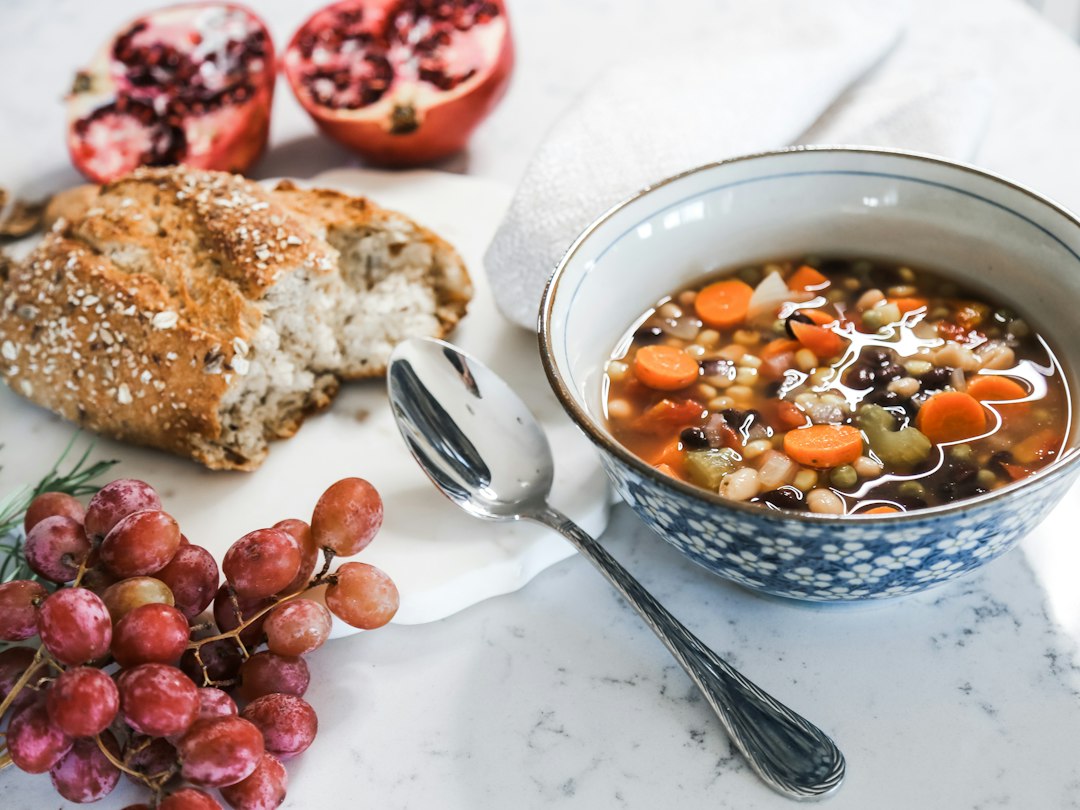
With chicken, vegetables and a whole grain in every spoonful, this soup is a full meal on its own. To round it out, try crusty bread or warm biscuits for dunking, a crisp green salad with a sharp vinaigrette, sliced apples with cheddar, or a simple grilled cheese for kids. Keep the sides simple so the lemon and herbs in the broth still stand out.
Storing, freezing and reheating chicken barley soup
Refrigerate: Cool leftovers in shallow containers and get them into the fridge within 2 hours (1 hour if the room is above 90°F). Keep them at 40°F or below and eat within 3–4 days.
Freeze: Freeze single portions in containers with some headspace for expansion. For the best texture, use them within about 2 months. Barley softens after freezing, which is fine in soup.
Reheat: Thaw frozen soup in the refrigerator overnight. Warm it in a saucepan with a splash of broth or water, stirring partway through, until it reaches 165°F. Expect leftovers to be much thicker than the fresh pot; that’s the barley at work, and a little extra liquid brings it right back.
Meal-prep tip: If you plan to eat this soup over several days, cook the barley separately and add a scoop to each bowl when you reheat. The broth stays brothy, and the grain stays chewy.
Chicken barley soup FAQ
Does chicken barley soup need celery?
No. Leek, onion, thyme and a finishing squeeze of lemon give the broth the balance celery usually provides. If the point is to avoid celery completely, skip celery seed and celery salt too, and check your broth label.
Should I cook the barley separately?
For a pot you’ll eat the same day, cook it in the soup; the starch gives the broth body and the grain picks up flavor. For meal prep or freezing, cooking it separately keeps it from soaking up all the broth in storage.
Why rinse the leek so carefully?
Grit hides between a leek’s layers. Split it lengthwise and rinse under running water before slicing, or swish the slices in a bowl of water and lift them out, leaving the grit behind.
Can I use rice instead of barley?
You can make a chicken and rice soup, but rice cooks faster and absorbs liquid differently. The easiest approach is to cook rice separately and add it to individual bowls.
Is chicken barley soup gluten-free?
No. Barley contains gluten. For a gluten-free pot, swap in a separately cooked gluten-free grain and check every packaged ingredient, including the broth.
Can I double the recipe?
Yes, as long as you use a pot of at least 8 quarts. Softening the vegetables will take a few minutes longer, and the soup will take longer to come to a simmer, so rely on the thermometer and the taste test rather than the times.
Final thoughts on this chicken barley soup
This chicken barley soup proves you don’t need celery to make a deeply comforting bowl. Soften the leek, onion and carrots slowly, give the chicken and the barley their own doneness checks, and finish with lemon and parsley so every spoonful tastes bright and balanced. Make a pot on a Sunday, keep a little spare broth for the leftovers, and you’ll have warm, filling lunches all week. Once you’ve made chicken barley soup this way, it’s easy to make it your own with mushrooms, greens or whatever vegetables your family loves.
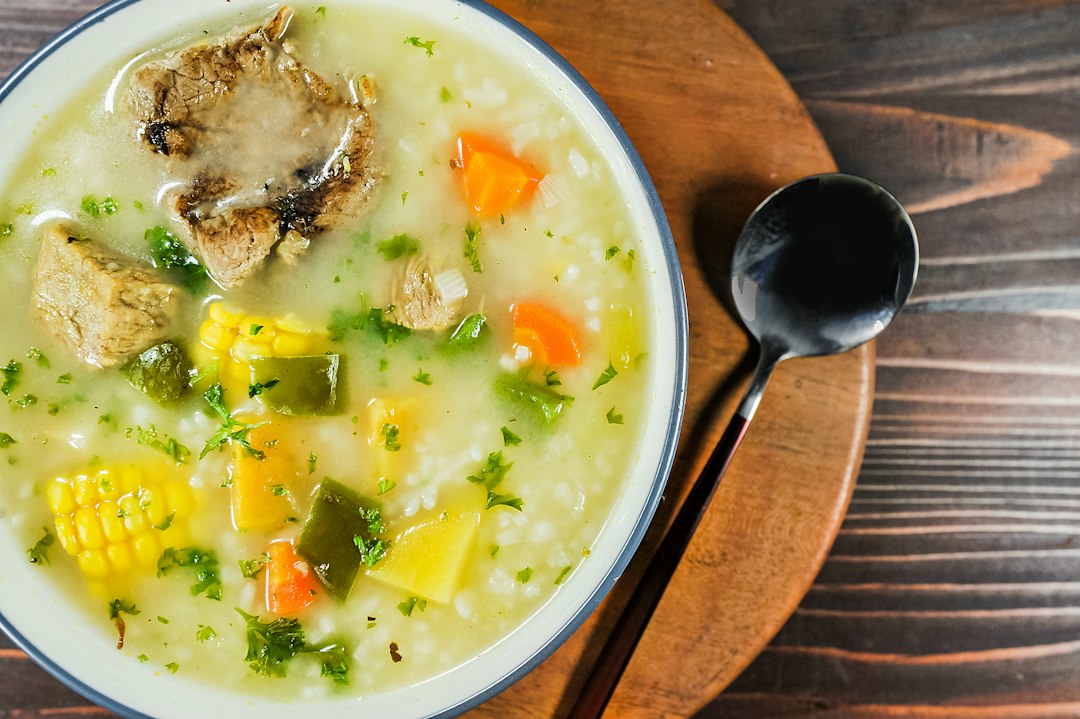
Chicken Barley Soup (No Celery)
Ingredients
Equipment
Method
- Soften the vegetables. Heat the oil in the pot over medium heat. Add the onion, leek, and carrots. Cook for 8–10 minutes, stirring often, until the leek is soft and the onion looks translucent. Lower the heat if the vegetables brown rapidly; a little golden color is fine, but scorched leek makes the broth bitter.
- Start the soup. Stir in the garlic and thyme for 30 seconds. Add the barley, bay leaf, chicken thighs, broth, salt, and pepper. Stir along the bottom to release any flavorful browned bits. Bring to a simmer, then immediately reduce the heat so small bubbles rise steadily rather than rolling across the pot.
- Check the chicken separately. Partially cover and simmer for about 20–25 minutes before checking the thickest thigh. Continue as necessary until every piece reaches 165°F, the safe minimum for poultry. Lift the cooked thighs onto a clean plate with clean tongs. Do not judge their safety from color alone.
- Finish the barley. Continue simmering the soup, partly covered, until the barley is plump and tender with a gentle chew, usually 15–25 minutes more. Stir occasionally, especially near the bottom. Add extra broth a little at a time if the grain is crowding out the liquid.
- Shred and return. Use two forks to pull the chicken into small, spoon-friendly pieces. Return it and its collected juices to the pot. Stir for a few minutes until the chicken is hot throughout. Remove the bay leaf.
- Balance and serve. Turn off the heat. Stir in the lemon juice and parsley. Taste a spoonful containing both barley and broth, then adjust salt or lemon. Ladle into warm bowls, making sure each portion receives chicken, vegetables, and grain.