PACK A MEATLESS LUNCH
These make-ahead chickpea salad pita pockets without mayo are a practical cold lunch because the filling can be mixed in about 20 minutes, chilled ahead, and packed separately from the bread so the pita stays soft rather than soggy. This recipe combines partly mashed chickpeas with a lemon-tahini dressing, celery, carrot, red onion, parsley, and sunflower seeds. It makes six satisfying pita lunches and keeps the flavors bright without mayonnaise.
The texture matters more than making the chickpeas completely smooth. Mash roughly two-thirds of them so the filling holds together, but leave the rest mostly whole for a hearty bite. The finished salad should mound on a spoon without dripping. If it slides off like a thin dressing, it needs more mashed chickpeas; if it crumbles, it needs a small splash of water.
For packed lunches, place the chilled filling in one leak-resistant container and the pita and lettuce in another. USDA guidance recommends an insulated lunch bag with at least two cold sources for perishable food. Keep the filling at 40°F or below until lunchtime.
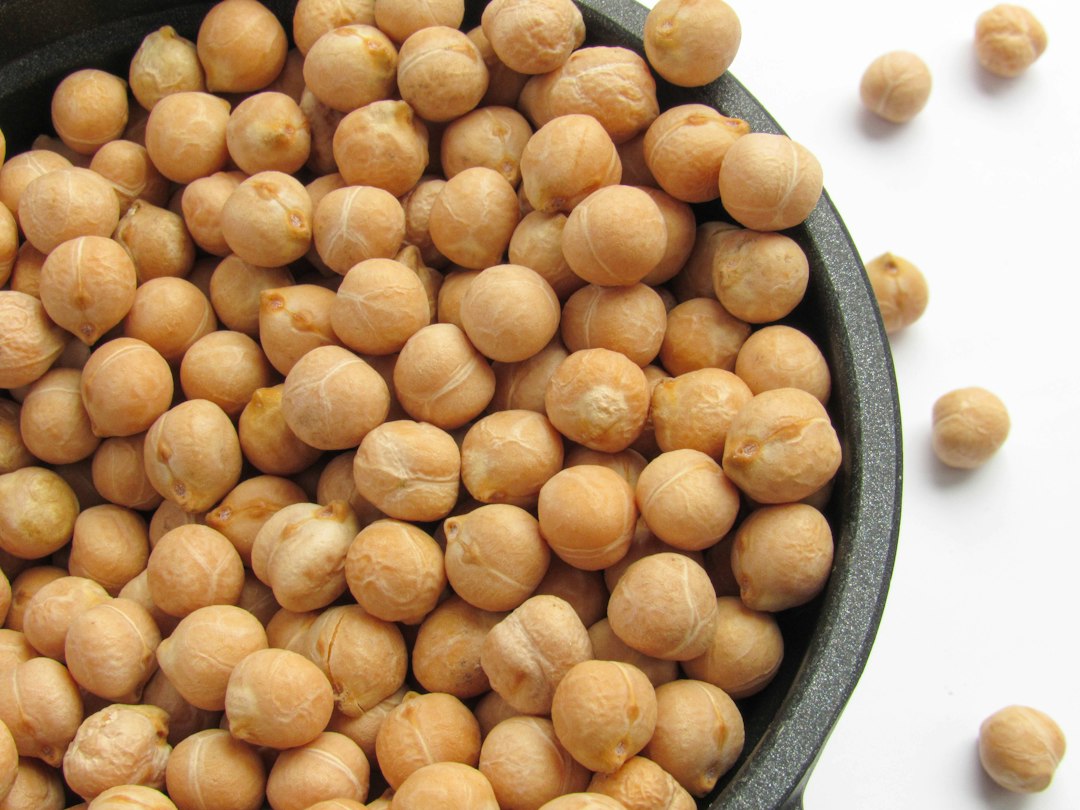
The featured photograph shows chickpeas as an ingredient reference, not prepared chickpea salad pitas.
Recipe at a Glance
- Yield: 6 whole pita lunches, or 12 filled pita halves
- Prep time: 20 minutes
- Chill time: 30 minutes
- Cook time: 0 minutes
- Total time: 50 minutes
- Make-ahead window: Prepare the filling up to 3 days before serving for the best texture
- Serving size: 1 whole pita, cut into 2 filled halves
Equipment
- Colander or fine-mesh strainer
- Clean kitchen towel or paper towels
- Large mixing bowl
- Small bowl or 2-cup liquid measure
- Potato masher or sturdy fork
- Whisk
- Chef’s knife and cutting board
- Box grater
- Measuring cups and spoons
- Covered refrigerator container
- Leak-resistant lunch containers and an insulated lunch bag for packing
Ingredients
For the lemon-tahini chickpea salad
- 2 cans chickpeas, 15 ounces each
- 1/3 cup well-stirred tahini
- 3 tablespoons fresh lemon juice
- 1 tablespoon extra-virgin olive oil
- 1 tablespoon Dijon mustard
- 2 tablespoons cool water, plus up to 2 tablespoons more as needed
- 1/2 teaspoon ground cumin
- 1/2 teaspoon fine salt, plus more only after tasting
- 1/4 teaspoon ground black pepper
- 2 medium celery stalks, finely diced, about 2/3 cup
- 1 medium carrot, peeled and coarsely grated, about 1/2 cup
- 1/4 small red onion, finely diced, about 1/3 cup
- 1/3 cup chopped flat-leaf parsley
- 1/3 cup roasted unsalted sunflower seeds
For serving and packing
- 6 whole-wheat pita breads, each about 6 to 7 inches across
- 12 small romaine or butter-lettuce leaves, washed and thoroughly dried
- Lemon wedges, optional
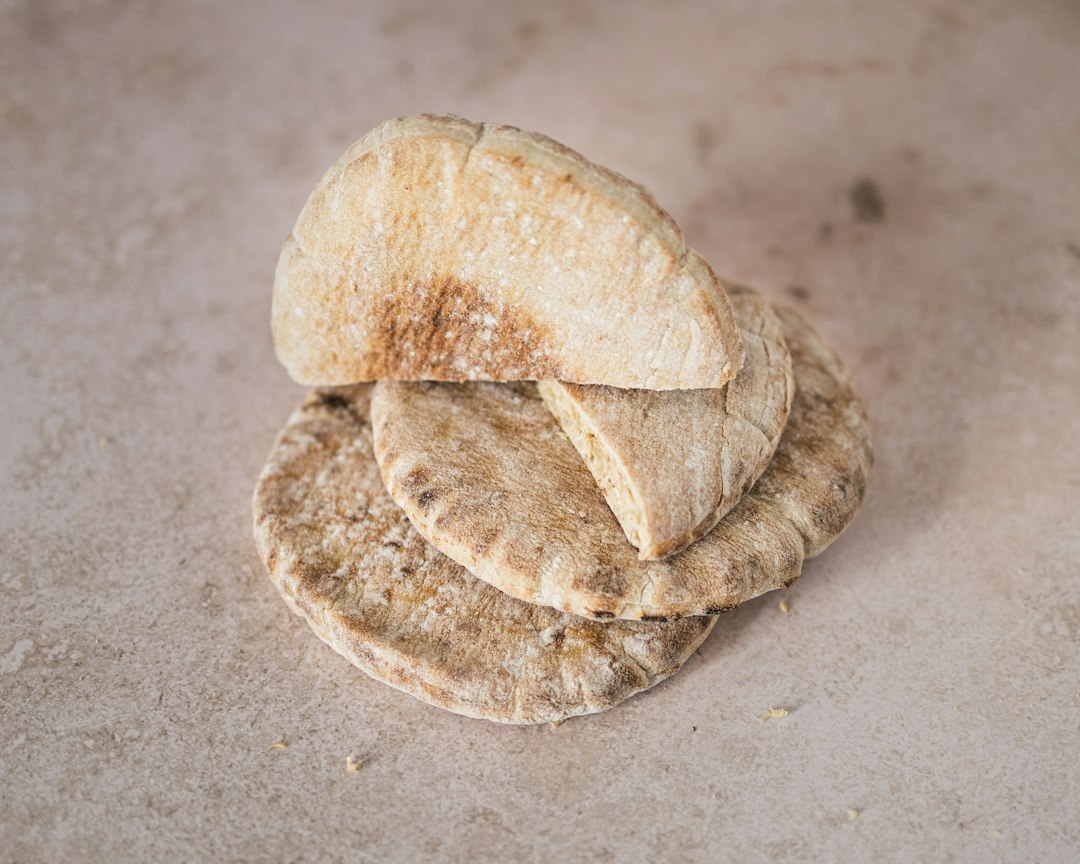
Choose pitas with a true pocket rather than pocketless flatbread. Warm, very fresh pita opens most easily, but for packed lunches it should be completely cool before it goes into a container. Moisture trapped around warm bread makes it gummy.
Mix the salad and fill the pita pockets
- Drain, rinse, and dry the chickpeas. Pour both cans into a colander, rinse under cool running water, and shake well. Spread the chickpeas on a clean towel and pat dry. Removing surface water keeps the filling from becoming loose.
- Mash for a mixed texture. Transfer the chickpeas to the large bowl. Mash for 60 to 90 seconds, working around the bowl, until roughly two-thirds are broken down. Stop while plenty of small pieces and some whole chickpeas remain. Do not turn them into hummus.
- Whisk the dressing. In the small bowl, whisk the tahini, lemon juice, olive oil, Dijon, 2 tablespoons water, cumin, salt, and pepper. Tahini may seize and look thick when the lemon first goes in; keep whisking until it becomes smooth. Add more water only 1 tablespoon at a time. The dressing should fall from the whisk in a thick ribbon.
- Add the crisp ingredients. Put the celery, carrot, red onion, parsley, and sunflower seeds into the mashed chickpeas. Pour the dressing over the top.
- Fold rather than beat. Use a flexible spatula or large spoon to fold everything together for 30 to 45 seconds. Scrape the bottom and sides so no dry chickpeas remain. Beating aggressively will make the filling pasty.
- Check the texture. Scoop up a heaping spoonful and tilt the spoon. The salad should hold a mound but spread easily when pressed. If it crumbles, add cool water 1 teaspoon at a time. If it looks runny, mash another 1/2 cup of the mixture against the side of the bowl and fold again.
- Chill and taste. Cover and refrigerate for 30 minutes. Stir, taste, and adjust with an extra squeeze of lemon, a pinch of salt, or black pepper. Taste only after chilling because the chickpeas absorb dressing as they rest.
- Prepare the pitas. Cut each pita in half across the center. Ease the pockets open with your fingers. If a pita resists, warm it for 10 to 15 seconds in the microwave under a barely damp towel, then let it cool completely before filling or packing.
- Assemble for immediate serving. Line each pita half with one dry lettuce leaf, then divide the filling among the twelve halves, using one-twelfth of the finished filling per half and adjusting to fit the pockets. The lettuce acts as a moisture barrier and helps keep the pocket intact.
- Pack for later. For the best lunchbox texture, divide the finished filling equally among six leak-resistant containers. Pack two pita halves and two dry lettuce leaves separately. Keep everything chilled and assemble at lunchtime.
How to Keep the Pita from Getting Soggy
The simplest solution is separation. Store the salad in one container and the pita in another. The filling holds well, while the bread is most vulnerable to moisture.
If the lunch must be assembled in advance, line both interior sides of each pocket with completely dry lettuce. Fill the pita no more than four hours before eating and keep it refrigerated or in a properly chilled lunch bag. Do not add wet tomato or cucumber slices to an assembled make-ahead pita. Pack them separately if desired.
A reusable silicone cup or a small rigid container protects pita halves from being crushed. Avoid wrapping chilled pita directly against a condensation-covered ice pack; use a dry container or an outer bag as a barrier.
Safe Storage and Lunchbox Packing
Refrigerate the chickpea filling promptly in a covered container at 40°F or below. For best texture, use it within 3 days. Do not freeze the fully mixed salad: thawed celery and carrot release water, and tahini dressing can separate.
When the lunch will be away from a refrigerator, USDA recommends an insulated lunch bag with at least two cold sources, such as two frozen gel packs or one gel pack plus a frozen bottle of water. Place one cold source below the filling container and one above it. The goal is to keep the perishable filling at 40°F or colder until lunch.
Do not rely on how the salad smells to decide whether a warm lunch is safe. Discard perishable food left above 40°F for more than 2 hours, or more than 1 hour when the surrounding temperature is above 90°F. If a school or workplace has a refrigerator, move the filling there when you arrive.
Food-safety reference: USDA guidance for safely packed lunches. Use the earlier deadline when an ingredient was prepared before this meal.
Troubleshooting
| What you notice | What to do |
|---|---|
| The filling is dry and falls out of the pita | The chickpeas may have absorbed more dressing than expected, or the tahini may be unusually thick. Add cool water 1 teaspoon at a time, folding after each addition. Stop as soon as the mixture holds together. Adding a large splash at once can make it runny. |
| The filling is loose | Surface water on the rinsed chickpeas is the usual cause. Mash another 1/2 cup of the salad against the bowl, then fold it back in. Chill for 20 minutes before deciding whether it needs further adjustment. Do not add breadcrumbs merely to absorb an error; they change the texture and introduce another allergen consideration. |
| The tahini tastes bitter | Tahini brands vary. Extra lemon and salt can balance mild bitterness, but they cannot fix rancid sesame paste. Check the aroma and the jar’s storage directions before mixing. A strongly stale or paint-like smell is a reason to discard the tahini. |
| The pita tears while opening | Warm one pita briefly under a barely damp towel, open it carefully, and let it cool. Very dry pita may still split; serve the salad on top of pita wedges rather than forcing it into a broken pocket. |
| The raw onion is too strong | After dicing, rinse the onion in a fine-mesh strainer under cold water for 15 seconds, then dry it thoroughly. This softens the sharp edge without adding extra liquid to the finished filling. |
Substitutions with Clear Limits
- White beans: Cannellini beans can replace chickpeas, but they are softer. Mash only half and expect a creamier filling.
- Plain Greek yogurt: Replace tahini with 1/3 cup thick plain Greek yogurt for a tangier, non-vegan version. Omit the initial 2 tablespoons water and add only what is needed.
- Sunflower seeds: Omit them or use roasted pumpkin seeds. Check labels carefully for school and household allergy requirements.
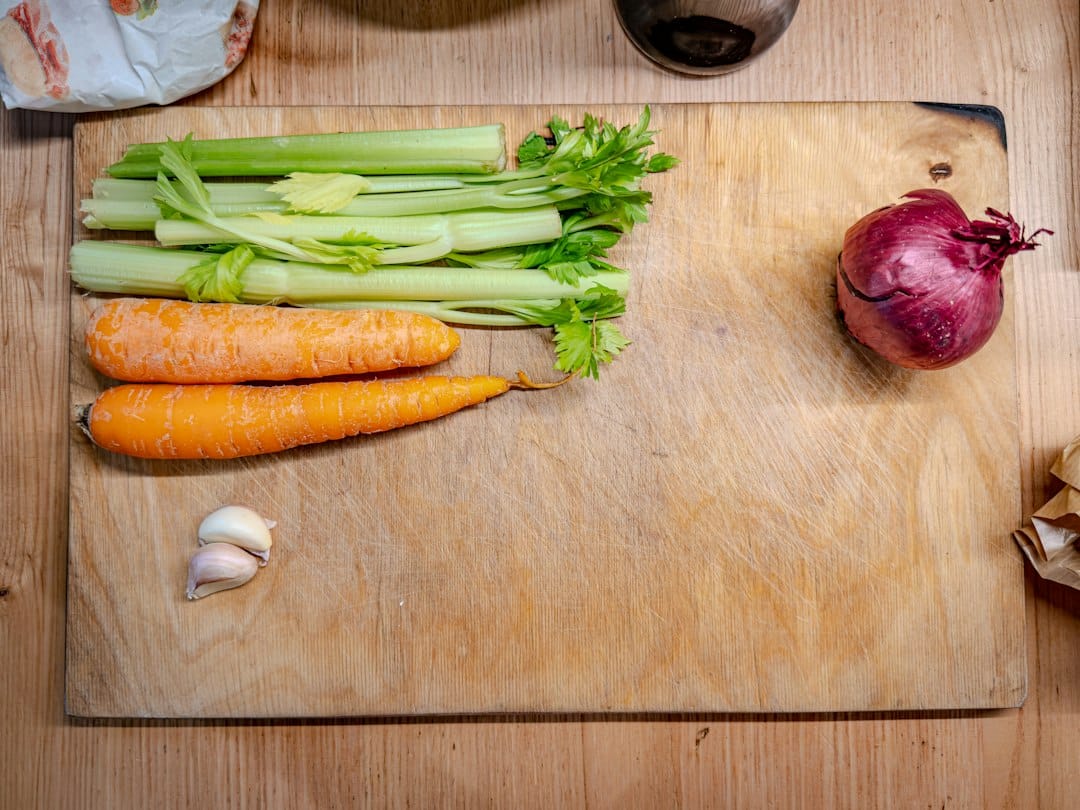
- Celery: Finely diced red bell pepper can replace it. Dry the pepper after cutting so it does not loosen the filling.
- Parsley: Use 2 tablespoons chopped dill for a more assertive herbal flavor. Do not substitute 1/3 cup dried herbs.
- Pita: Use tortillas, sandwich bread, or lettuce cups. Keep any bread separate until serving.
- Gluten-free lunch: The filling is naturally free of wheat ingredients when the mustard, tahini, and seasonings are verified, but use certified gluten-free wraps or crackers and prevent cross-contact.
- Oil-free version: Omit the olive oil and add 1 extra tablespoon water. The filling will taste slightly less rounded and may firm more in the refrigerator.
Mayonnaise can bind chickpea salad, but using it would change the recipe’s central promise. If that is the flavor you want, treat it as a different variation and keep the same cold-storage rules.
Check the ingredients before packing for someone else
Mayonnaise-free does not mean allergen-free. Tahini is sesame paste, the listed pita contains wheat, and the yogurt substitution introduces milk. Sesame, wheat, and milk are among the major allergens identified in the FDA’s food-allergy guidance. Read the labels on the actual products you use, including mustard and seeds, rather than relying on the recipe title.
For a school lunch or a meal made for another household, confirm the eater’s requirements before mixing the filling. Omitting sunflower seeds does not remove the sesame from tahini, and changing the bread does not establish that every other ingredient or preparation surface meets a particular allergy requirement.
Label the version as well as the date
Write the preparation date and any substitution on the storage container. A useful label might identify the tahini version or the yogurt version, rather than calling both containers simply chickpea salad. Keep the ingredient packages available when preparing food for someone who needs to check them.
Prepare different versions with clean utensils and separate containers so a spoon from one batch does not accidentally enter another. If a safe ingredient or preparation method is uncertain, choose a lunch that already meets the eater’s needs instead of improvising an unverified replacement.
These checks are separate from the texture decisions in the recipe. A filling can be creamy, neatly portioned, and correctly chilled while still containing an ingredient the intended eater must avoid.
What to Pack with Chickpea Salad Pitas
Add simple sides that require little preparation: apple wedges, grapes, orange segments, carrot sticks, snap peas, or plain yogurt. Pack wet fruit in its own container so juice does not reach the pita.
For a second sandwich option in the same week, Family Recipe HQ’s toasted peanut butter and jelly sandwich offers a warm alternative. Check household or school nut policies before packing peanut products.
On a colder day, use an insulated food jar for soup and keep the pita meal for another lunch. Family Recipe HQ’s taco soup with ranch seasoning is another option for a warm lunch.
Make-Ahead Schedule
Up to three days ahead
Mix the chickpea salad, cover it, and refrigerate. Wash and thoroughly dry the lettuce. Keep the pitas sealed at room temperature according to their package directions, or freeze them if the package recommends it.
The night before
Portion the filling into leak-resistant containers. Put the pita halves and dry lettuce in separate containers. Freeze two gel packs or one gel pack and a bottle of water.
In the morning
Place one cold source under the filling and the other above it in an insulated bag. Add the dry pita container and any separate fruit or vegetables. If a refrigerator is available at the destination, refrigerate the filling immediately on arrival.
Frequently Asked Questions
Can the pitas be assembled the night before?
For the most reliable texture, keep the filling, lettuce, and bread separate overnight. Assemble at lunchtime, or no more than four hours before eating, and keep the filling refrigerated or in a properly chilled lunch bag.
Can this chickpea salad be frozen?
Freezing is not recommended. The celery and carrot lose crispness, and the dressing may separate. Freeze unopened pita bread instead and make the filling fresh.
Is this recipe vegan?
The listed ingredients are plant-based, but packaged pita, mustard, tahini, and other products vary. Check labels if vegan certification or a particular allergen standard matters.
Can children help make it?
Children can rinse chickpeas, mash them with supervision, whisk dressing, and measure the filling. An adult should handle the knife, grater, and any pita warming. Teach everyone to wash hands before food preparation.
Why does the filling need to chill before tasting?
Chickpeas absorb dressing while the salad rests, and cold tahini becomes slightly firmer. Tasting after 30 minutes gives a better picture of the flavor and packable texture than tasting immediately after mixing.