
Tender pork first, crisp edges second
Oven pork carnitas with orange and cumin uses two different kinds of heat for two different textures. A covered, low oven softens pork shoulder until it can be pulled apart. A brief broiler finish then browns the exposed edges. Trying to achieve both textures in one uncovered roast can leave the meat dry before its connective tissue has softened.
Carnitas methods vary, and this version is a practical home adaptation that braises the pork in a small amount of citrus liquid rather than fully submerging it in fat. The finished meat is useful for tacos, rice bowls, or a platter with beans. Keep the final toppings simple so the pork’s roasted edges remain the main attraction.
Why pork shoulder is the right cut
Pork shoulder contains connective tissue and enough fat to suit long cooking. Tenderloin and loin are much leaner and should not be substituted into this timetable. They can become dry and stringy long before a shoulder-style braise would be finished.
Cut the shoulder into roughly two-inch chunks. Similar sizes help the pieces become tender together. Trim very thick outside fat, but leave small internal seams that will render during the braise. If your package includes bone, use a comparable amount of meat after removing it, or allow for the extra weight when planning servings.
Orange juice supplies acidity and a little sweetness. Freshly squeezed juice is convenient because one large orange gives approximately the amount needed, but measure it rather than assuming every orange is the same size. Do not add the peel automatically; prolonged cooking with thick white pith can introduce bitterness.
Braising oven pork carnitas with orange and cumin
Use a Dutch oven that holds the pork fairly snugly. A very broad pot allows the small volume of liquid to evaporate quickly, while an oversized vessel can leave upper pieces exposed. The meat does not need to be submerged; its own juices will join the orange juice and water during cooking.
Bring the liquid to a gentle simmer before transferring the covered pot to the oven. This gives the cooking process a predictable start. Turn the chunks once partway through so pieces above the liquid exchange places with those below. Open the lid carefully because hot steam collects inside.
Judge tenderness with a fork. The meat should separate without a tug-of-war. Although whole pork cuts have a safety minimum of 145°F followed by a three-minute rest, shoulder for shredding needs substantially more cooking to become tender. Reaching the minimum alone does not mean carnitas are ready. If the meat still feels rubbery, cover and continue the braise.
Reducing juices and crisping without drying
Move the cooked pork out before reducing the liquid. Remove bay leaves and skim off a thick layer of fat, leaving a little for flavor. Simmer until the liquid tastes concentrated but still pours easily. If it becomes extremely salty or syrupy, dilute with water rather than coating the pork with all of it.
Shred into broad pieces instead of fine threads. Thin strands dry quickly under a broiler, while larger pieces develop crisp edges and retain a tender center. Toss with a modest amount of reduced liquid, then spread in one layer on a foil-lined, broiler-safe pan. Avoid parchment directly beneath the broiler.
Watch continuously during crisping. Orange sugars and small shreds can darken quickly. Turn portions once so more edges become golden, but leave some soft interior meat for contrast. You do not need every strand to become crunchy. If the pork is already browned on one side, serve it rather than chasing uniform color at the cost of moisture.
Serving and adapting the batch
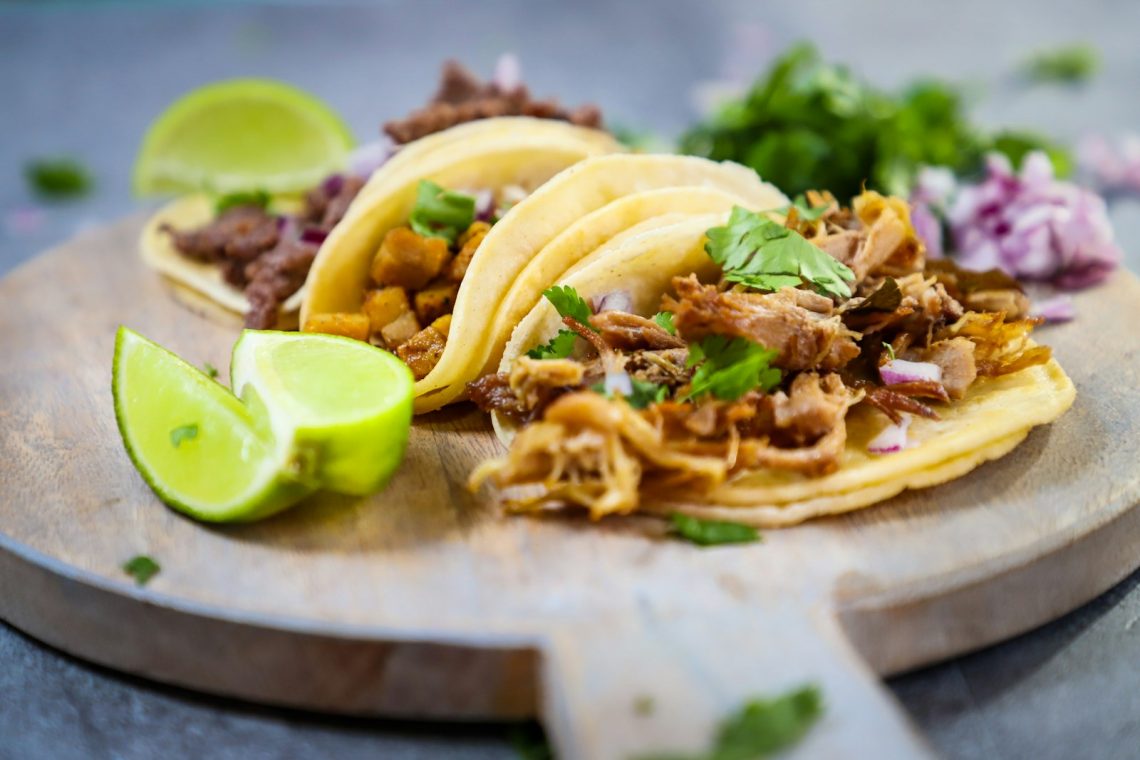
Warm corn tortillas shortly before eating so they bend easily. Add a modest mound of pork, then lime and cilantro if desired. Chopped onion, pickled onion, or a simple cabbage topping can provide freshness. A heavy sauce is optional; the reduced braising liquid already seasons the meat.
For a rice bowl, keep some pork less crisp so it remains tender when mixed with rice and beans. If serving a crowd, crisp the meat in batches instead of packing a deep layer onto one sheet. Crowded pork steams and never develops the same edges.
You can reduce the recipe for a smaller household, but use a smaller covered pot so the liquid depth remains sensible. Doubling calls for enough pot space and possibly more time to bring the braise to a simmer. The tenderness check still determines the finish; multiplying the cooking time by the ingredient quantity would be misleading.
Make-ahead advantages and leftover care
The braise can be completed a day ahead, with crisping saved for serving time. Cool the pork and juices promptly in shallow containers, then refrigerate. Chilled fat is easier to lift from the top of the liquid. Reheat the pork with some juice to 165°F before the brief broiler finish.
Refrigerate within two hours, or one hour above 90°F, and keep at 40°F or below. Use leftovers within three to four days. Freeze meal-size portions with a little cooking liquid for longer storage, then thaw in the refrigerator. Avoid repeatedly reheating the entire batch when only a small portion is needed.
Oven pork carnitas with orange and cumin are most dependable when tenderness and browning are treated as separate decisions. Let the covered oven do the slow work, then give the pork only the short burst of direct heat needed for crisp edges.
Frequently Asked Questions
Can I use pork loin?
It is not a good substitute for this long braise. Loin lacks the same connective tissue and fat, so it may dry out rather than become succulent shredded pork. Choose shoulder for this method and use a quicker roast for loin.
Why is my pork still tough after three hours?
The chunks may be larger, the oven may run cool, or the shoulder may need more time. Check that some liquid remains, cover tightly, and continue in short intervals until a fork separates the meat easily.
Can I skip the broiler?
Yes. The shredded braised pork is usable as it is, though it will lack crisp edges. You can also brown portions in a hot skillet with a little rendered fat, turning once rather than stirring continuously.
Can I crisp leftovers directly from the refrigerator?
Warm them with a little liquid first and check for 165°F, then crisp briefly. Trying to heat a cold, dense pile only under a broiler can burn the outside before the center is hot.
More ideas for the table
Quick pickled onions add a sharp topping that suits rich pork. Our rice guide helps turn extra carnitas into a bowl dinner.
Oven Pork Carnitas with Orange and Cumin
Ingredients
Equipment
Method
- Heat oven to 300°F. Place pork in a snug Dutch oven and toss with salt, cumin, oregano, and pepper. Add orange juice, water, onion, garlic, and bay leaves. Bring the liquid just to a simmer on the stovetop.
- Cover tightly and transfer to the oven. Braise 2 1/2–3 hours, turning chunks once, until the pork separates easily with a fork. If the pot becomes nearly dry, add a small amount of hot water.
- Transfer pork to a tray. Remove bay leaves. Skim excess fat from the cooking liquid and simmer the liquid on the stovetop 10–15 minutes until concentrated but still pourable.
- Shred pork into substantial pieces with two forks. Spread on a foil-lined broiler-safe baking sheet and toss with about 1/3 cup reduced cooking liquid, adding enough to moisten rather than soak it.
- Broil under close observation 4–6 minutes until edges brown, turn portions with a spatula, and broil another 2–4 minutes. Serve in warm tortillas with lime and optional cilantro, adding reserved liquid as needed.
Notes
Food safety references
Cooking temperatures follow FoodSafety.gov guidance. For storage and reheating, see the USDA guidance on handling leftovers and safe reheating methods.




