
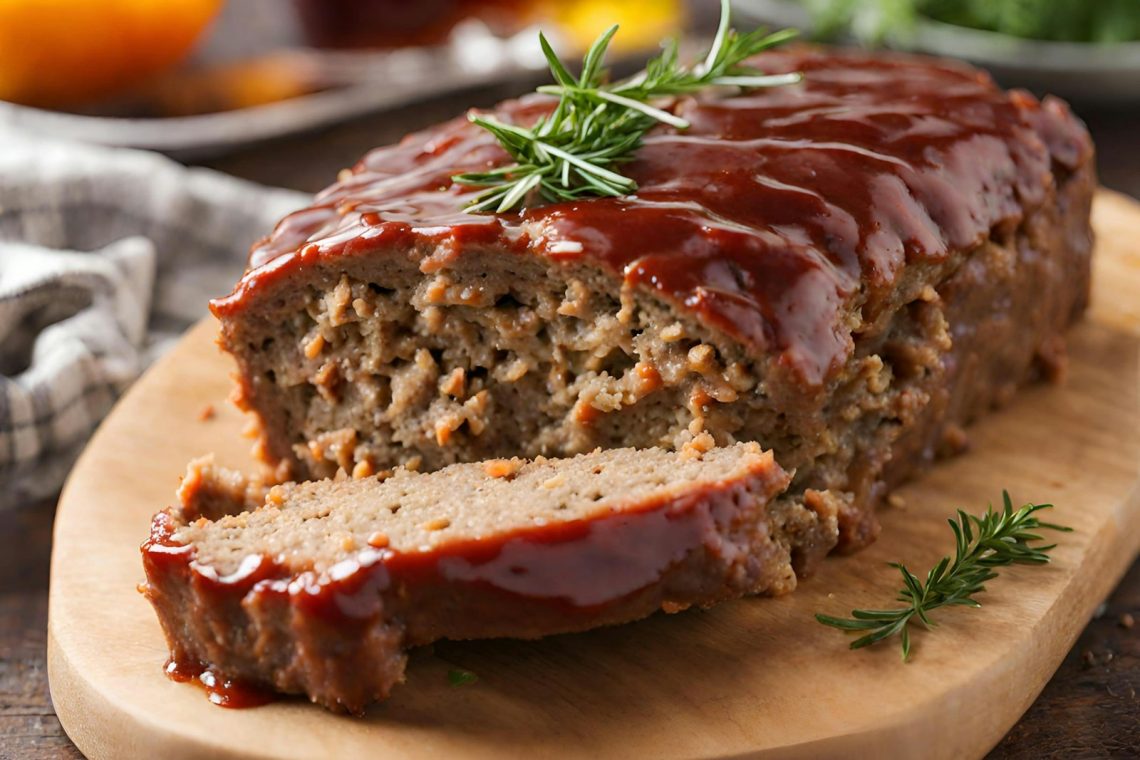
Meatloaf in manageable individual portions
Mini beef meatloaves with tangy tomato glaze offer the familiar flavor of a larger meatloaf with a shorter oven stay and more glazed surface per serving. Four small loaves bake directly on a sheet pan, where heat can reach their sides as well as their tops. The glaze is sweet enough to brown but sharp enough to balance the beef.
The mixture uses milk-soaked breadcrumbs, grated onion, and an egg to hold together. Gentle mixing is the main texture rule. A compact, heavily kneaded mixture becomes firm and springy, while lightly combined beef stays easier to cut with a fork.
Choosing beef and preparing the binder
Ground beef around 90% lean gives a reasonable balance between moisture and rendered fat. A fattier blend can work, but more liquid will collect on the pan. Extremely lean beef may feel dry unless you are especially careful not to overcook it.
Let the breadcrumbs absorb milk before adding meat. This gives them time to soften and prevents dry crumbs from pulling moisture unevenly from the beef. Mix the egg and seasonings into that softened base first so they distribute without prolonged kneading.
Grated onion is useful here because its moisture and flavor spread throughout each small loaf. Unlike the drained onion used in some kebab mixtures, this recipe includes the onion juice as part of the measured binder. Do not add extra onion beyond the listed amount without considering that additional moisture.
Shaping mini beef meatloaves with tangy tomato glaze
Use your hands or a flexible spatula to combine the beef just until the seasoning is distributed. Stop once no large streaks of binder remain. Do not squeeze the mixture repeatedly in an attempt to make it perfectly smooth; small natural irregularities are fine.
Divide into four equal portions before shaping so the loaves finish at a similar time. Form broad, low rectangles with rounded ends, approximately an inch and a half tall. Tall narrow mounds can brown outside before the center cooks. Leave several inches between them for airflow.
Use a rimmed pan to catch juices and fat. Parchment eases cleanup and helps prevent the glaze from sticking, but it should remain within the pan edges and away from exposed heating elements. This recipe bakes normally rather than broiling, so there is no need for intense direct heat.
Glazing and baking to the correct endpoint
Ketchup supplies tomato flavor and sweetness, while cider vinegar gives the glaze its tang. Brown sugar encourages browning, and mustard adds a small savory edge. Mix thoroughly so no pockets of undissolved sugar remain. The glaze should be spreadable rather than thin enough to run straight off the loaf.
Apply half before baking and the rest partway through. The first layer cooks into the surface; the second gives a fresher, glossy finish. Brush gently so you do not tear the soft loaf. If using a brush that touches undercooked meat, do not put it into a sauce intended to be served raw at the table.
Check each loaf in its thickest center for 160°F. Ground beef requires that endpoint, and the glaze color is not a doneness test. If one loaf is larger, leave it in the oven while smaller ones rest. A five-minute rest makes serving neater, but it does not replace reaching the required temperature during cooking.
Serving, variations, and portion planning
Serve one mini loaf per person with a mild side such as mashed potatoes, rice, or roasted vegetables. The glaze is concentrated, so the rest of the plate does not need another strong sauce. A green vegetable or crisp salad adds contrast to the soft meatloaf texture.
You can shape smaller loaves for children or lunches, but they will cook faster. Divide the mixture evenly and begin checking early. A muffin tin creates a different shape with less exposed side surface and may trap more fat around the portions, so the sheet-pan method is preferable for the texture described here.
For a gluten-free version, use appropriate breadcrumbs and verify the Worcestershire sauce and mustard labels. Ground turkey can make a separate variation, but it requires 165°F and may need a different balance of moisture and fat. Do not simply use the beef endpoint for poultry.
Preparing ahead and storing portions
You can shape the raw loaves a few hours ahead and refrigerate them covered until baking. Keep glaze separate until the pan goes into the oven. A chilled loaf may take a few extra minutes, so rely on the thermometer rather than assuming the original timing is exact.
Refrigerate cooked leftovers within two hours, or one hour above 90°F, in shallow containers at 40°F or below. Use within three to four days. Reheat covered with a small splash of water or broth until 165°F in the center. For a firmer surface, uncover for the last few minutes after the inside is hot.
Mini beef meatloaves with tangy tomato glaze are useful for both dinner and planned lunches because each portion is already defined. Keeping the loaves low, the mixture lightly handled, and the final temperature checked makes the method easy to repeat.
Frequently Asked Questions
Why did my meatloaf crack?
Cracks can come from a dry mixture, overmixing, or shaping very tall loaves. A small crack is harmless and can hold glaze. Measure the binder, avoid compressing the beef hard, and keep the portions broad and low.
Can I use oats instead of breadcrumbs?
Quick oats can be used in a separate variation, but they absorb liquid differently and give a more noticeable texture. Start with a modest amount and allow them to soften. Do not assume a cup-for-cup swap will produce the same loaf.
Can I freeze the cooked mini loaves?
Yes. Cool promptly, wrap individual portions, and freeze in a suitable container. Thaw in the refrigerator and reheat to 165°F. Individual portions warm more evenly than one large frozen loaf.
Why is the center pink even at 160°F?
Meat color can remain pink for reasons unrelated to whether it reached the safe endpoint. Use a properly placed thermometer in each loaf. Color alone is not reliable for judging ground beef doneness.
More ideas for the table
Our meatloaf temperature guide explains where to measure the center. Roasted broccoli makes a simple side for the tangy glaze.
Mini Beef Meatloaves with Tangy Tomato Glaze Recipe
Individual beef meatloaves bake on a sheet pan with a tangy ketchup glaze. A softened breadcrumb mixture and gentle shaping keep the centers tender.
Yield: 4 servings. Prep: 20 minutes. Cook: 25 minutes. Total: 45 minutes.
Equipment
rimmed baking sheet, parchment, mixing bowl, small bowl, instant-read thermometer
Ingredients
- 1.5 lb 90% lean ground beef
- 0.75 cup plain dry breadcrumbs
- 0.33 cup milk
- 1 large egg
- 0.5 cup finely grated onion; including its juice
- 1 clove garlic; minced
- 1 tbsp Worcestershire sauce
- 1 tsp Dijon mustard
- 0.75 tsp fine salt
- 0.25 tsp black pepper
- 0.25 cup ketchup
- 1 tbsp apple cider vinegar
- 1 tbsp brown sugar
- 1 tsp Dijon mustard; for glaze
Instructions
- Heat oven to 400°F. Line a rimmed baking sheet with parchment. Mix breadcrumbs and milk in a large bowl and let stand 3 minutes.
- Stir egg, onion, garlic, Worcestershire sauce, 1 teaspoon mustard, salt, and pepper into the breadcrumb mixture. Add beef and combine gently until evenly mixed.
- Divide into four portions and shape into small loaves about 4 inches long, 2 1/2 inches wide, and 1 1/2 inches tall. Place several inches apart on the pan.
- Mix ketchup, vinegar, brown sugar, and remaining teaspoon mustard. Spoon half over the loaves. Bake 15 minutes, then brush with the remaining glaze.
- Bake another 8–12 minutes until the center of every loaf reaches 160°F. Rest 5 minutes before serving.
Recipe Notes
Use the dimensions as a guide and let the thermometer determine the finish. Ground beef needs 160°F. A loaf may remain slightly pink at that temperature, so color is not the safety test.
Food safety references
Cooking temperatures follow FoodSafety.gov guidance. For storage and reheating, see the USDA guidance on handling leftovers and safe reheating methods.




