
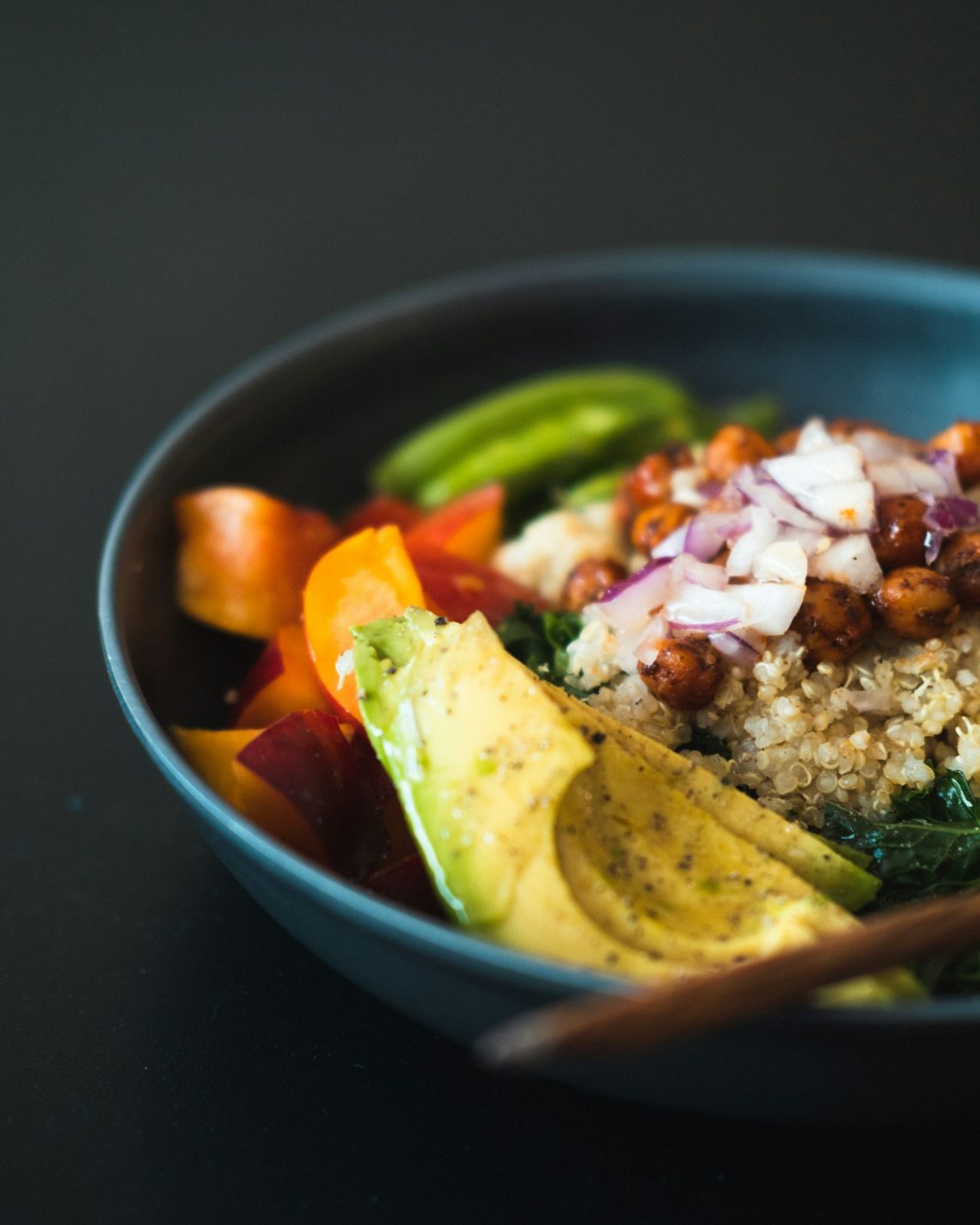
Quick Recipe Overview
Buckwheat Bowls with Kidney Beans and Cabbage
Three cups of cooked buckwheat groats, 3 cups of rinsed kidney beans and 3 cups of thinly sliced cabbage sautéed until tender come together in about 30 minutes. A 1/3-cup drizzle of lemon vinaigrette and fresh dill finish 4 hearty, budget-friendly bowls.
Best method: Soften the cabbage in a wide skillet, warm the beans and groats separately, and dress only at the table.
| Prep | 15 minutes |
|---|---|
| Cook | 15 minutes |
| Total | 30 minutes (with cooked groats) |
| Yield | 4 bowls |
| Reheat leftovers to | 165°F (74°C) |
Buckwheat bowls with kidney beans and cabbage are an inexpensive, filling dinner built from 3 cups of nutty buckwheat groats, 3 cups of kidney beans and 3 cups of sweet, softened cabbage. With cooked groats ready, the bowls take about 30 minutes and serve 4, finished with lemon vinaigrette and a handful of dill.
This recipe is for anyone who wants a plant-based meal that is naturally gluten-free (when you check your labels), keeps well for lunches, and uses pantry staples. The cabbage brings sweetness, the beans add creaminess and protein, and the buckwheat gives a toasty, earthy base that stands up to a bright dressing.
Equipment
- Wide skillet (10 to 12 inches) so the cabbage softens and lightly browns instead of steaming in a pile.
- Saucepan with a lid or a covered microwave-safe bowl for warming the groats.
- Colander for rinsing the canned beans.
- Chef’s knife and cutting board for slicing the cabbage thinly.
- Instant-read thermometer for reheating refrigerated components.
- Four bowls, or lidded containers if you are packing lunches.
Ingredients, substitutions and allergens
| Ingredient | Amount | Why it matters | Swap |
|---|---|---|---|
| Cooked buckwheat groats | 3 cups | Earthy, slightly chewy base; naturally gluten-free | Cooked quinoa, brown rice or millet |
| Canned kidney beans, rinsed and drained | 3 cups (about two 15-oz cans) | Hearty protein and creamy texture | Pinto beans, black beans or chickpeas |
| Green cabbage, thinly sliced | 3 cups | Turns sweet and tender when sautéed | Savoy or napa cabbage (cooks faster) |
| Lemon vinaigrette | 1/3 cup | Bright acidity balances the earthy groats | Red wine vinaigrette or lemon juice whisked with olive oil |
| Fresh dill, chopped | 2 tablespoons | Fresh, classic partner for cabbage and buckwheat | Parsley or chives |
| Olive oil | 1 tablespoon | Helps the cabbage soften and brown | Sunflower or canola oil |
| Fine salt | 1/4 teaspoon | Draws moisture from cabbage and seasons it | Taste first if beans are salted |
| Black pepper | 1/4 teaspoon | Gentle heat | A pinch of caraway seeds |
| Water | 2 tablespoons | Steams the beans so they warm evenly | Vegetable broth |
Allergens: Buckwheat is not related to wheat and is naturally gluten-free, but it can be an allergen for some people, and some groats are processed alongside wheat. Look for certified gluten-free groats if needed. Bottled vinaigrettes may contain mustard, egg, dairy or sulfites; check the label.
Need to cook the groats? See our buckwheat groats with mushrooms and onions for a stovetop method, then measure 3 cups cooked for these bowls.
Why this method works
Sautéing transforms raw cabbage. Raw cabbage is crisp and a little sharp. A few minutes in oil with salt draws out moisture, softens the leaves and brings out natural sweetness, especially where the edges touch the pan and turn lightly golden.
Warming components separately protects texture. Cooked buckwheat can turn mushy if it is stirred in a pan with wet vegetables. Steaming the beans briefly with water and warming the groats on their own keeps each part distinct.
Acid at the end. Lemon vinaigrette added at the table brightens the earthy groats and sweet cabbage. If it goes on early, the groats absorb it and the flavor dulls.
Rinsed beans taste cleaner. Canning liquid is starchy and salty; rinsing gives a fresher-tasting bowl and lets you control the salt.
Step-by-step method
- Prep (5 minutes). Confirm the groats are fully cooked. This method starts with cooked grain and does not include time to cook raw groats. Slice the cabbage into thin ribbons, rinse and drain the beans, chop the dill and measure the vinaigrette. Cue: cabbage strips are about 1/4 inch wide so they soften evenly.
- Sauté the cabbage (6–10 minutes). Heat the olive oil in a wide skillet over medium heat. Add the cabbage, salt and pepper and cook, stirring occasionally. Cue: the cabbage wilts by about half, turns glossy and tender, and a few edges turn light golden. Taste a strand; it should be soft with a slight bite.
- Warm the beans (3–5 minutes). Push the cabbage to one side (or move it to a plate), add the beans and 2 tablespoons water, cover and warm for 3–5 minutes. Uncover and stir gently. Cue: beans are hot through and most of the water has evaporated.
- Warm the groats (3–4 minutes). Meanwhile, heat the groats covered with a splash of water in a saucepan or microwave, stirring once. Cue: grains are steaming and separate. Refrigerated components should reach 165°F.
- Build the bowls (2 minutes). Divide groats among 4 bowls and add cabbage and beans in separate sections. Cue: each bowl looks colorful and distinct, not stirred into one mass.
- Dress and serve. Drizzle each bowl with one-quarter of the vinaigrette and scatter dill on top. Taste before adding salt. Cue: the bowl smells bright and lemony and looks lightly glossy.
Make-ahead timeline: Cook groats and sauté the cabbage up to 3 days ahead; refrigerate in shallow containers. At mealtime, warming and assembly take about 15 minutes. Pack dressing and dill separately for lunches.
Food safety for beans, grains and leftovers
Canned kidney beans are already cooked and safe to use as is. If you cook dry kidney beans instead, they must be soaked and boiled thoroughly; undercooked red kidney beans can cause illness, and slow cookers may not get hot enough. See K-State’s guide to cooking dry beans safely.
Refrigerate cooked groats, beans and cabbage within 2 hours (1 hour above 90°F), use within 3–4 days, and reheat to 165°F, per USDA FSIS leftovers guidance.
Troubleshooting
| Problem | Likely cause | Fix |
|---|---|---|
| Cabbage still crunchy and raw-tasting | Heat too low or slices too thick | Slice thinner and cook a few minutes longer over medium heat |
| Cabbage watery | Pan crowded or covered | Cook uncovered in a wide pan; work in two batches if needed |
| Groats mushy | Overcooked originally or stirred with wet ingredients | Warm separately and fold gently; next time cook groats just until tender |
| Groats dry after chilling | Moisture lost in fridge | Reheat covered with 1–2 tablespoons water |
| Bowl tastes flat | Dressing absorbed or under-seasoned | Dress at serving; add lemon juice and a pinch of salt |
| Too salty | Salted beans plus dressing | Rinse beans well and taste before adding salt |
What to serve with it
These bowls are a full meal, but they also pair well with a simple soup. If you enjoy buckwheat with savory flavors, try the buckwheat groats with mushrooms and onions as a side on another night.
For a meat-based version of the same idea, the ground chicken buckwheat bowls with napa cabbage are a good next recipe, and the farro bowls with white beans and roasted broccoli follow the same easy build-a-bowl method.
Make-ahead, storage and reheating
- Refrigerate: Store groats, beans and cabbage in shallow covered containers within 2 hours; keep vinaigrette and dill separate. Use within 3–4 days.
- Reheat: Warm groats and beans covered with a splash of water, and cabbage in a skillet, until everything reaches 165°F.
- Freeze: Cooked groats and beans freeze well in airtight bags; thaw in the refrigerator. Sautéed cabbage softens further after freezing but is fine stirred into soups.
Reference: USDA FSIS on leftovers.
Frequently asked questions
Is buckwheat gluten-free?
Yes, buckwheat is a seed, not a type of wheat, and is naturally gluten-free. Choose groats labeled gluten-free if cross-contact is a concern.
What is the difference between raw and toasted buckwheat?
Raw groats are pale green-tan and mild; toasted groats (often sold as kasha) are brown with a stronger, nutty flavor. Either works here.
Can I eat these bowls cold?
Yes. Promptly chilled groats, beans and cabbage can be eaten cold like a salad. Add the dressing just before eating.
Can I use red cabbage?
Yes. Red cabbage takes a little longer to soften and may tint the groats; keep it in its own section of the bowl.
Can I use dry kidney beans?
Yes, but cook them thoroughly by soaking and boiling until completely tender before using. Undercooked kidney beans are unsafe.
How do I keep meal-prep bowls fresh?
Pack the dressing and dill separately and add them just before eating so the groats stay distinct.
Can I add an egg or other protein?
A fried or soft-boiled egg is a good addition; cook eggs until the whites are firm, or to 160°F for dishes containing eggs, per FoodSafety.gov.
Recommended tools
A wide skillet and a fine-mesh strainer make this recipe quick and tidy.
- Shop 12-inch skillets on Amazon
- Shop fine-mesh strainers on Amazon
- Shop glass meal prep containers on Amazon
As an Amazon Associate I earn from qualifying purchases.
Conclusion
Buckwheat bowls with kidney beans and cabbage turn humble ingredients into a warm, satisfying meal. Soften the cabbage until sweet, keep each component separate while warming, and finish with lemon and dill at the table. The printable card below keeps the whole recipe in one place.
Buckwheat Bowls with Kidney Beans and Cabbage
Yield: 4 servings · Prep: 15 min · Cook: 15 min · Total: 30 min (with cooked groats)
Ingredients
- 3 cups fully cooked buckwheat groats
- 3 cups canned kidney beans, rinsed and drained
- 3 cups thinly sliced cabbage
- 1/3 cup lemon vinaigrette
- 2 tablespoons chopped dill
- 1 tablespoon olive oil
- 1/4 teaspoon fine salt
- 1/4 teaspoon black pepper
- 2 tablespoons water
Instructions
- Heat the oil in a wide skillet over medium heat. Add cabbage, salt and pepper; cook 6–10 minutes, stirring, until tender and lightly golden.
- Add beans and water, cover and warm 3–5 minutes; uncover and stir gently.
- Warm the groats separately, covered, with a splash of water. Reheat refrigerated components to 165°F.
- Divide groats among 4 bowls; add cabbage and beans in sections.
- Drizzle each bowl with one-quarter of the vinaigrette, sprinkle with dill and serve.
Notes
Use certified gluten-free groats if needed. Keep dressing and dill separate for meal prep. Refrigerate leftovers within 2 hours and use within 3–4 days.




