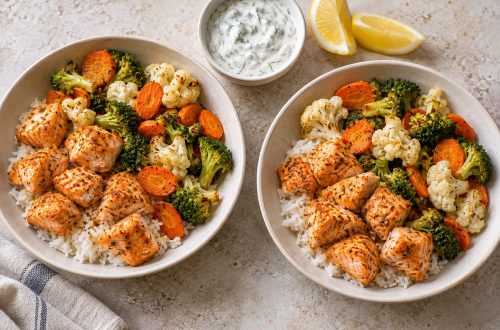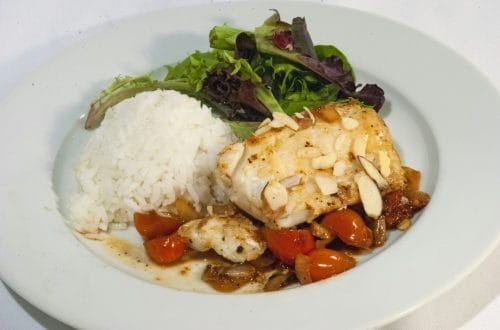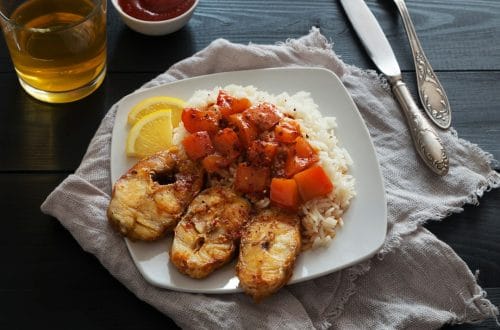
These canned salmon rice patties without breadcrumbs make a practical dinner from a can of salmon and a little cooked rice. A beaten egg and a small amount of flour help hold the mixture together, while mashed rice gives the cakes substance without burying the fish. The outside becomes golden in a lightly oiled skillet, and the middle stays soft enough to break apart with a fork.
Use cold rice as the breadcrumb-free binder
- Drain the canned salmon thoroughly and discard any hard or sharp bone fragments. If the can contains soft, crumbly bones, mash them into the fish or remove them for a smoother patty; removing skin is also a texture preference.
- Break up cold cooked rice so no hard clumps remain, then mix until some grains mash and some stay visible.
- Refrigerate the mixture for 10 minutes, then shape eight equal patties.
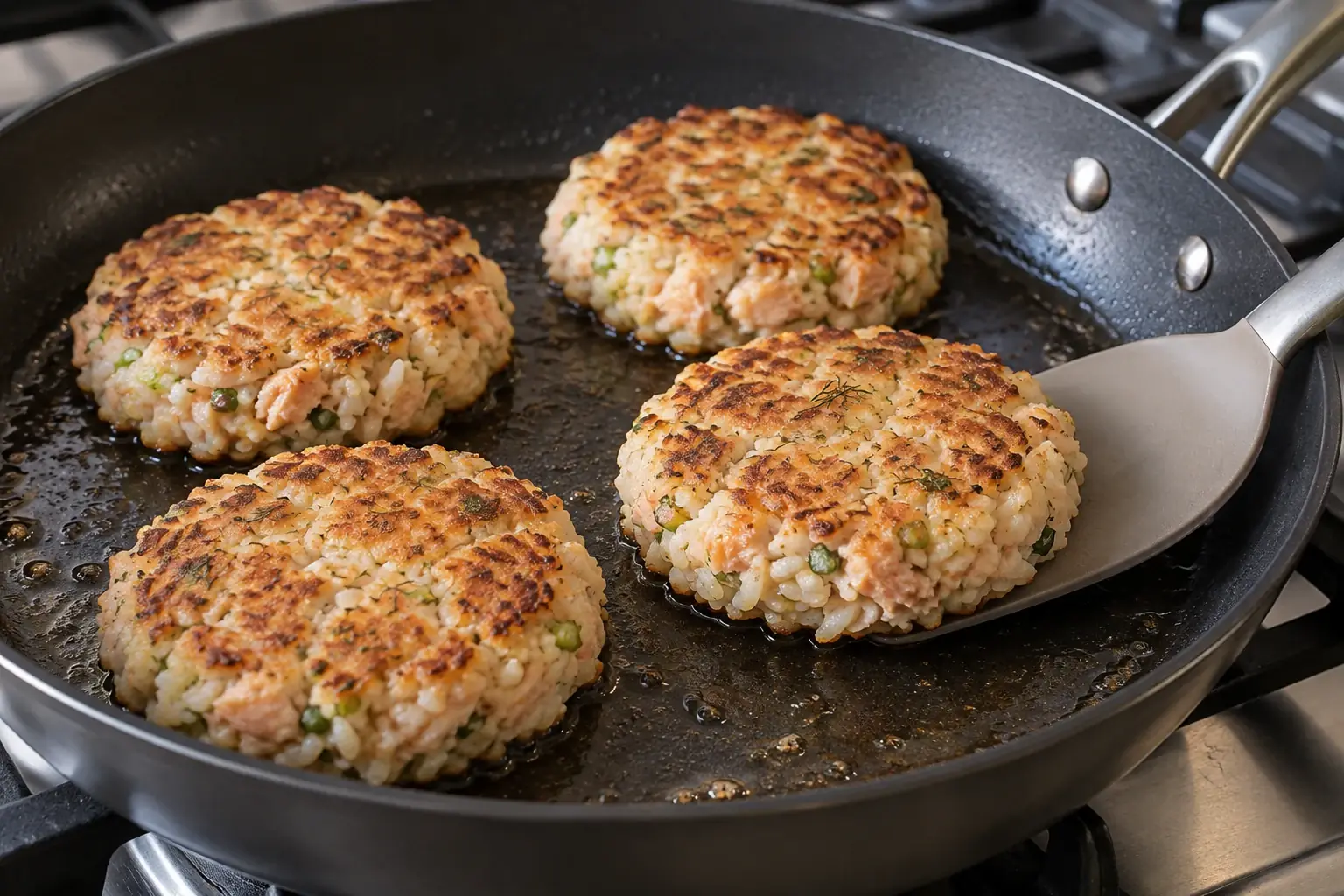
- Turn only after the first side forms a firm crust; early flipping is the main reason delicate patties break.
If the rested mixture still slumps, fold in the reserved tablespoon of flour and refrigerate for another 5 minutes. The goal is a moist center with browned surfaces, not a dense compressed cake.
Rice is part of the structure
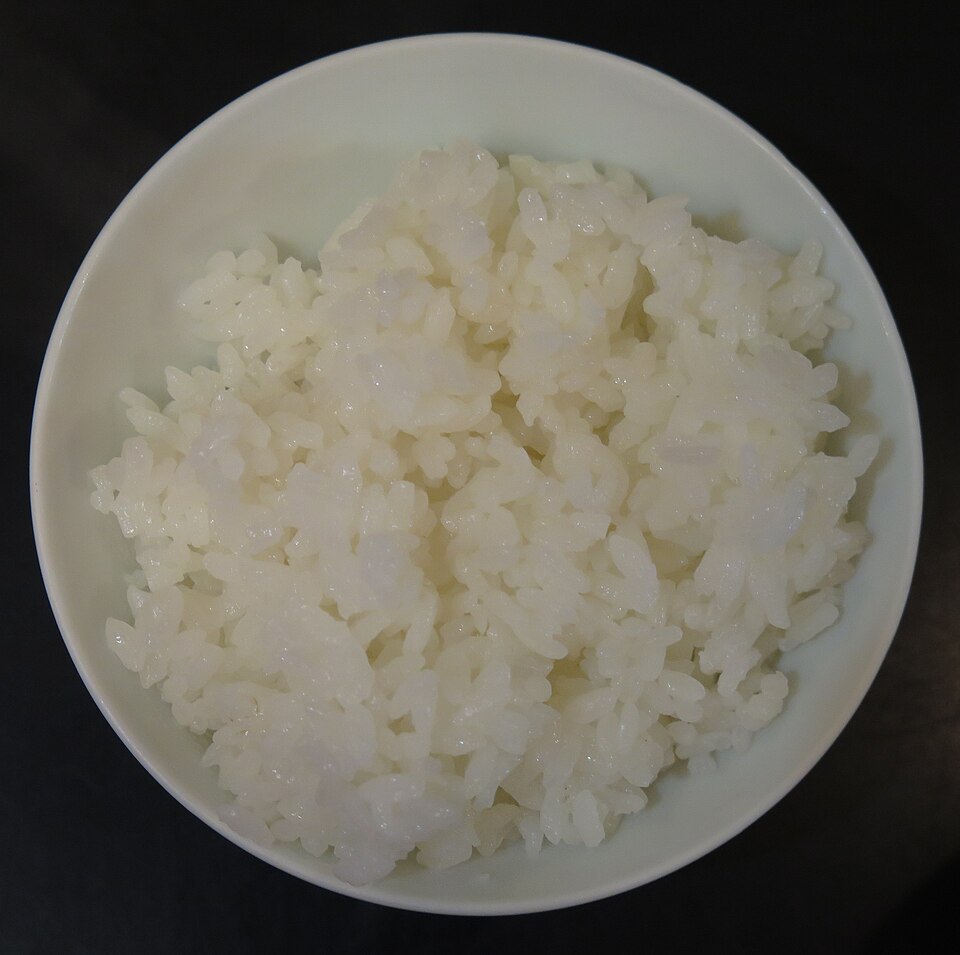
Cooked rice behaves differently from dry breadcrumbs. It contributes moisture and soft starch, so the recipe needs only a small amount of flour to absorb loose liquid. Start with plain cooked medium-grain or short-grain white rice. Lightly mash about half the rice before mixing; the broken grains create a more cohesive base while the remaining grains retain texture.
Long-grain white rice can work, but very dry, separate grains may need more mashing. Brown rice produces a chewier patty and is less sticky. Avoid assuming that every leftover rice dish will behave the same: rice cooked with a lot of oil, broth, or sauce changes both the moisture and seasoning.
Use rice that was cooled and refrigerated promptly. Reheating does not make mishandled rice safe. If its storage history is uncertain, cook a fresh batch instead. Spread the amount you need in a shallow bowl until it stops steaming heavily, then continue with the recipe rather than leaving it out for an extended cooling period.
Three checks before the skillet
| Check | What should be ready |
|---|---|
| Drained fish | Salmon flakes are moist but there is no pool of canning liquid beneath them. |
| Mashed rice | About half the grains are broken down while the rest remain visible. |
| Rested mixture | A gently pressed spoonful holds as a soft mound before the eight patties are shaped. |
Use the fork to break up the rice before folding it through the salmon. Trying to mash the entire finished mixture at once can turn the fish into a finer paste than intended. Beat the egg in its own small bowl so it distributes without repeated stirring through the delicate fish.
Keep the reserved tablespoon of flour nearby, but do not add it before the refrigerated rest has shown whether it is needed. The base recipe already contains two tablespoons. A mixture that looks loose immediately after combining can feel different once the binder has hydrated, so the timed check is more useful than adding flour by habit.
Canned salmon rice patties without breadcrumbs
Makes: 8 small patties, about 4 servings. Preparation: 15 minutes. Rest: 10 minutes. Cooking: 15–20 minutes in two batches. Total: about 40–45 minutes with cooked rice. Equipment: mixing bowl, fork or potato masher, measuring spoons, 12-inch nonstick or well-seasoned skillet, wide spatula, and food thermometer.
Ingredients
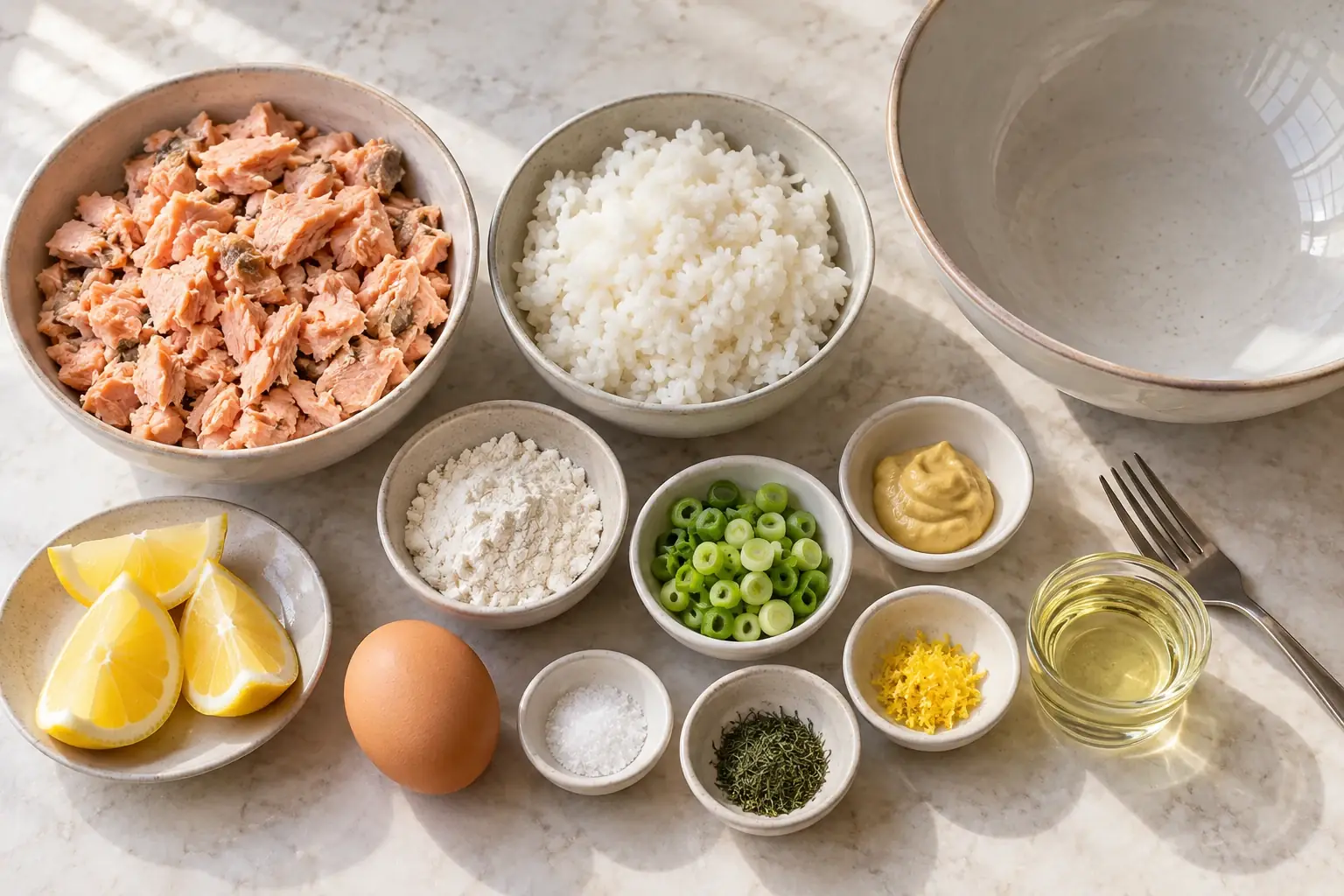
- 1 can salmon, 14.75 ounces, drained well
- 1 cup cooked plain medium-grain or short-grain white rice, about 160–180 grams
- 1 large egg
- 2 tablespoons all-purpose flour, plus 1 tablespoon only if needed
- 2 tablespoons finely sliced scallions
- 1 teaspoon Dijon mustard
- 1 teaspoon finely grated lemon zest
- 1 teaspoon dried dill
- 1/4 teaspoon fine salt, or less if the salmon is salty
- 1/4 teaspoon black pepper
- 2 tablespoons neutral cooking oil, divided
- 1 lemon, cut into wedges, for serving
Mix, shape, and brown
- Prepare the fish. Drain the salmon in a strainer, pressing gently with a fork to release excess liquid. Transfer to a bowl and flake it into small pieces. Remove skin if preferred. Check for any hard or sharp bones. Soft canned bones may be mashed very thoroughly into the fish if desired, but remove them when you want a completely uniform texture.
- Make the rice base. Put the rice in a second bowl or clear a space in the mixing bowl. Mash about half the grains with a fork. Beat the egg separately, then add it with the flour, scallions, mustard, lemon zest, dill, salt, and pepper. Fold the rice mixture into the salmon until evenly distributed. Do not taste the uncooked mixture because it contains raw egg and flour.
- Let the binder hydrate. Refrigerate the mixture for 10 minutes. Lift a spoonful and press it together. It should form a soft mound that holds its shape, without liquid collecting below it. If it slumps apart despite gentle pressure, fold in the extra tablespoon flour and rest for another 5 minutes. Adding several spoonfuls at once can make the cooked centers heavy.
- Shape eight patties. Divide the mixture evenly, then form rounds about 3 inches across and 1/2 inch thick. Lightly dampen your hands if it sticks. Compress the edges enough to close visible cracks, but avoid packing the patties as tightly as a snowball. Place them on a plate while the pan heats.
- Cook the first batch. Use a 12-inch nonstick skillet so four 3-inch patties can fit without touching. Heat 1 tablespoon oil over medium heat. Add four patties, leaving space between them. Cook for about 4–5 minutes until the underside is golden and set. Slide a wide spatula fully underneath, then turn gently. Cook the second side for another 4–5 minutes, adjusting the heat so the exterior does not burn.
- Check the center, then repeat. Insert the thermometer horizontally through the side of a patty. Cook to 165°F at the center, checking more than one cake. This also thoroughly reheats refrigerated rice. Transfer to a clean plate, add the remaining tablespoon oil, and cook the second batch. Serve with lemon wedges while the edges are crisp.
Close the rim before the first turn
After dividing the mixture, shape each patty on a clean plate and look around its edge. Press a visible crack closed with damp fingertips while keeping the stated half-inch thickness. Fixing the rim now is easier than trying to repair a split cake with a spatula in hot oil. Keep the waiting raw mixture refrigerated if the second batch will not go into the pan promptly.
When the first side has set, slide the spatula underneath from a low angle until it supports the whole base. Turn with a short controlled movement rather than lifting the patty high above the skillet. Place cooked patties on a clean plate, separate from the plate and tools that handled the raw egg mixture.
Keep the cakes together without making them dense
Three small adjustments help more than adding a large amount of binder. First, remove excess salmon liquid. Second, mash some rice so the mixture has a sticky component. Third, let the first side set before turning. A patty that resists the spatula may need another minute rather than more force.
Check thickness as well as width. A tall mound can brown outside before the center heats adequately. Pressing every cake to approximately 1/2 inch creates a more manageable cooking window. Very thin cakes can become dry at the edges, so do not flatten them into wafers.
A nonstick skillet is useful here because the mixture is delicate before the egg sets. A well-seasoned cast-iron pan also works, but its retained heat may require a lower burner setting for the second batch. Brush away loose browned crumbs between batches so they do not burn into the fresh oil.
Flavor options and ingredient limits
Pink salmon gives a mild, familiar flavor. Sockeye salmon is stronger and often more deeply colored. Either works in the same drained amount. If using small cans or pouches, total their drained fish weight rather than simply replacing one large can with one small package.
Finely chopped parsley can replace the dill, and chives can replace scallions. Keep additions small and finely cut. Large pieces of onion or watery vegetables can open cracks in the cakes. For extra vegetables, serve a slaw or salad alongside rather than stuffing a cup of shredded zucchini into this formula.
For a wheat-free version, a suitable all-purpose gluten-free flour blend may replace the flour, but check all other ingredients and expect a slightly different texture. Breadcrumb-free does not automatically mean gluten-free. The egg is an important binder; an egg-free substitution needs a separately developed formula rather than a casual omission.
Make a complete meal
Serve two patties per person with a crisp salad, steamed green beans, or roasted vegetables. Lemon is enough for a simple finish. If you want a creamy accompaniment, mix plain yogurt with chopped dill and a little lemon juice in a separate bowl, then season to taste.
For a warmer plate, add roasted asparagus with lemon zest. If choosing a rice variety for your next batch, the site’s guide to types of rice helps explain why grains have different textures. Keep side dishes simple so the salmon and browned edges remain the focus.
Leftovers and preparation ahead
Refrigerate cooked patties in shallow containers within 2 hours, or within 1 hour above 90°F. Use within 3–4 days at 40°F or below, while also respecting the age of any leftover rice used. The storage clock does not restart when old rice becomes a new dish. The USDA’s leftover guidance also calls for reheating to 165°F.
For the best crust, reheat in a covered skillet over low heat with a teaspoon of oil, turning once, then uncover briefly. A microwave is convenient but softens the exterior. Add no more water than needed to prevent sticking; wet patties steam and lose their crisp edges. Whichever method you choose, reheat the center of the thickest patty to 165°F, confirmed with a food thermometer. Check another patty when warming several at once because the pieces may heat unevenly.
To prepare canned salmon rice patties without breadcrumbs ahead, refrigerate the mixed, unshaped batter for a few hours before cooking. Cover it and keep it cold. If planning farther ahead, cooking and promptly freezing the finished patties is simpler than holding a raw egg mixture for several days.
Frequently asked questions
Can I use leftover cooked fresh salmon?
Yes, using approximately the same drained fish quantity and removing all bones. Because cooked fillets vary in moisture, check the mixture after its rest. Respect the original salmon’s refrigerator age and cook the patties to 165°F as a leftover dish.
Do I need to remove every soft bone from canned salmon?
That is a texture preference for soft bones processed in commercially canned salmon. Mash them thoroughly if keeping them. Any hard or sharp fragments should be removed, and always inspect the fish before mixing, especially when serving children.
Why did my patties split when flipped?
They may have been too wet, too large, or turned before the first side set. Support the whole patty with a wide spatula. For the next batch, reshape smaller cakes and check whether the mixture needs the reserved tablespoon of flour.
Can I cook them without oil?
A very effective nonstick surface may release the patties, but their exterior will be paler and less crisp. The measured oil is part of this method. Reducing it substantially changes the result and may increase sticking.
Can I use instant rice?
Yes, after it has been fully cooked according to its package directions. Measure 1 cup cooked rice, not 1 cup dry. The grains may need a little more mashing because different instant products hold together differently.
Are the patties safe when the middle still looks moist?
Moisture alone does not indicate whether an egg-containing cake is cooked. Use the thermometer reading, with 165°F as the target for this recipe. FDA egg guidance explains why appearance should accompany proper cooking rather than replace it.
Plan the two skillet batches
Arrange the shaped patties in two groups of four before heating the pan. Keep the second group chilled if it will be waiting, and put a clean serving plate near the stove. This makes it easier to finish one batch completely, check its temperature, and clear loose crumbs before adding fresh oil for the next.
Use the first patty as a guide to your pan rather than immediately changing the entire mixture. If it colors too quickly, lower the heat for the rest of the batch. If it sticks while still pale, allow the base more time to set and slide the spatula underneath carefully. A temperature adjustment is often more useful than adding flour to patties that are already shaped.
When serving four people, give each plate one patty from each batch so everyone has a similar share of freshly cooked food. Add lemon at the table; squeezing it over the whole platter in advance softens the crust. Pack any cool sauce separately when saving a portion for lunch.
More recipes for your table
Choose a companion dish or another recipe for the ingredients you have. Each link opens its own instructions and printable recipe.

A potato and bean side with a fresh, mayonnaise-free finish.
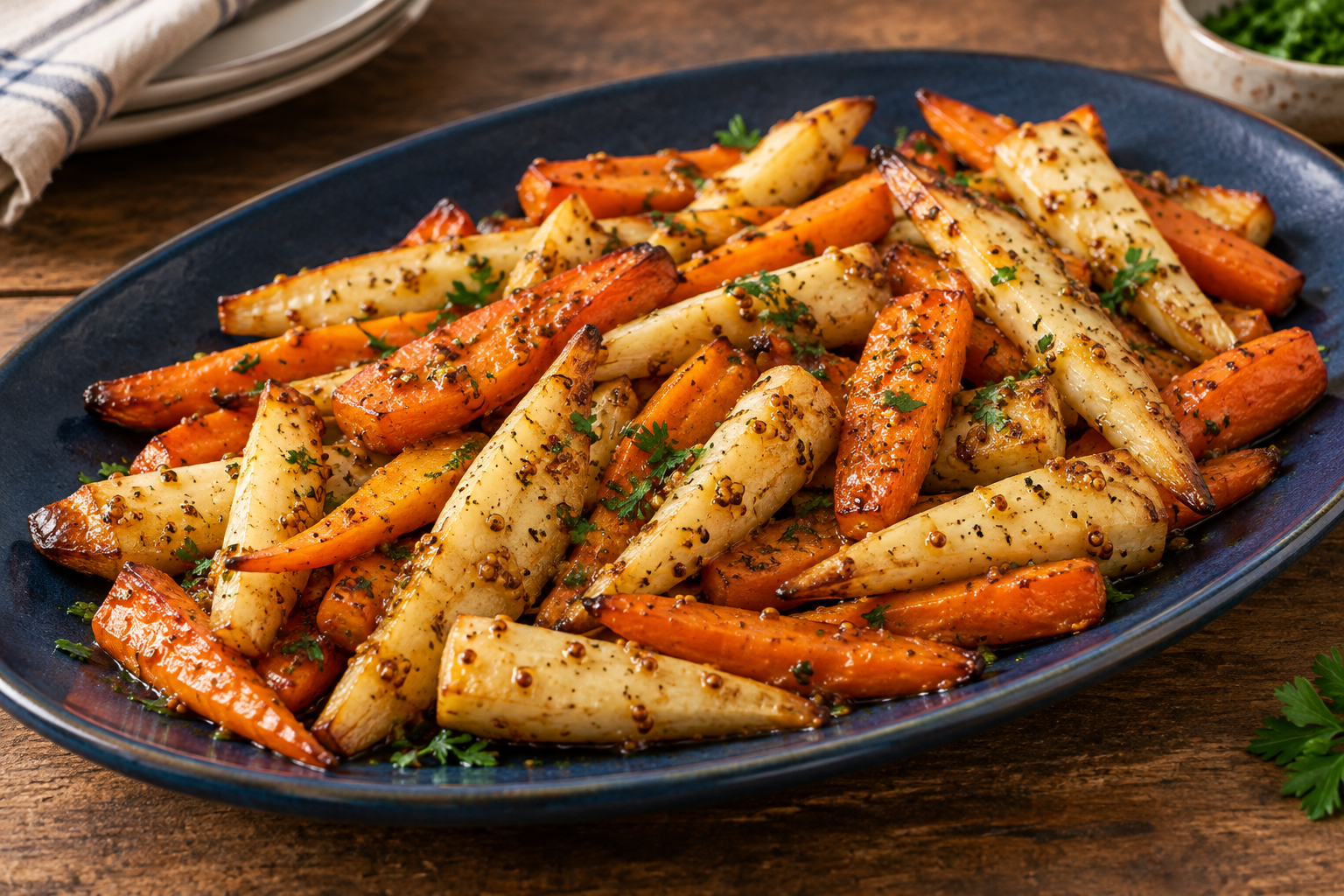
A roasted vegetable side with a bright mustard finish.
Equipment for this recipe
Affiliate disclosure: As an Amazon Associate I earn from qualifying purchases.
Use the tools you already have when they match the method. If you need an item, these links open matching Amazon search results.
- 12-inch nonstick skillet on Amazon — Give four small salmon patties room to brown without crowding or tearing at the edges.
- Wide spatula or turner on Amazon — Support the food underneath when turning; choose a material suitable for your pan.
Check the size, material, and manufacturer’s use instructions against the recipe before choosing.
Useful kitchen references
- FoodSafety.gov temperature chart — Minimum cooking and reheating temperatures.
- FoodSafety.gov leftover guidance — A practical reference for chilling and reheating.
Printable recipe
Use the recipe card’s Print control for a kitchen copy. Made these patties? Rate this recipe and tell us how they turned out.

Canned Salmon Rice Patties Without Breadcrumbs
Ingredients
Equipment
Method
- Prepare the fish. Drain the salmon in a strainer, pressing gently with a fork to release excess liquid. Transfer to a bowl and flake it into small pieces. Remove skin if preferred. Check for any hard or sharp bones. Soft canned bones may be mashed very thoroughly into the fish if desired, but remove them when you want a completely uniform texture.
- Make the rice base. Put the rice in a second bowl or clear a space in the mixing bowl. Mash about half the grains with a fork. Beat the egg separately, then add it with the flour, scallions, mustard, lemon zest, dill, salt, and pepper. Fold the rice mixture into the salmon until evenly distributed. Do not taste the uncooked mixture because it contains raw egg and flour.
- Let the binder hydrate. Refrigerate the mixture for 10 minutes. Lift a spoonful and press it together. It should form a soft mound that holds its shape, without liquid collecting below it. If it slumps apart despite gentle pressure, fold in the extra tablespoon flour and rest for another 5 minutes. Adding several spoonfuls at once can make the cooked centers heavy.
- Shape eight patties. Divide the mixture evenly, then form rounds about 3 inches across and 1/2 inch thick. Lightly dampen your hands if it sticks. Compress the edges enough to close visible cracks, but avoid packing the patties as tightly as a snowball. Place them on a plate while the pan heats.
- Cook the first batch. Use a 12-inch nonstick skillet so four 3-inch patties can fit without touching. Heat 1 tablespoon oil over medium heat. Add four patties, leaving space between them. Cook for about 4–5 minutes until the underside is golden and set. Slide a wide spatula fully underneath, then turn gently. Cook the second side for another 4–5 minutes, adjusting the heat so the exterior does not burn.
- Check the center, then repeat. Insert the thermometer horizontally through the side of a patty. Cook to 165°F at the center, checking more than one cake. This also thoroughly reheats refrigerated rice. Transfer to a clean plate, add the remaining tablespoon oil, and cook the second batch. Serve with lemon wedges while the edges are crisp.