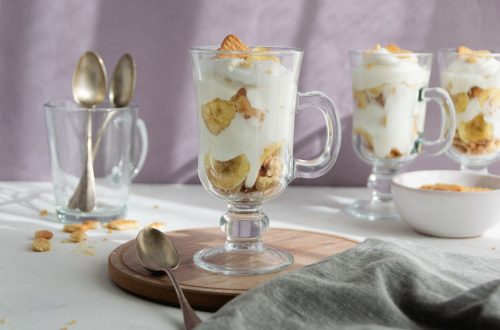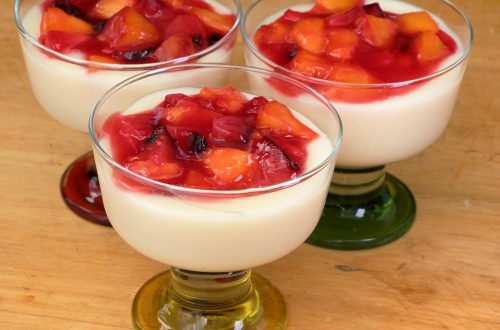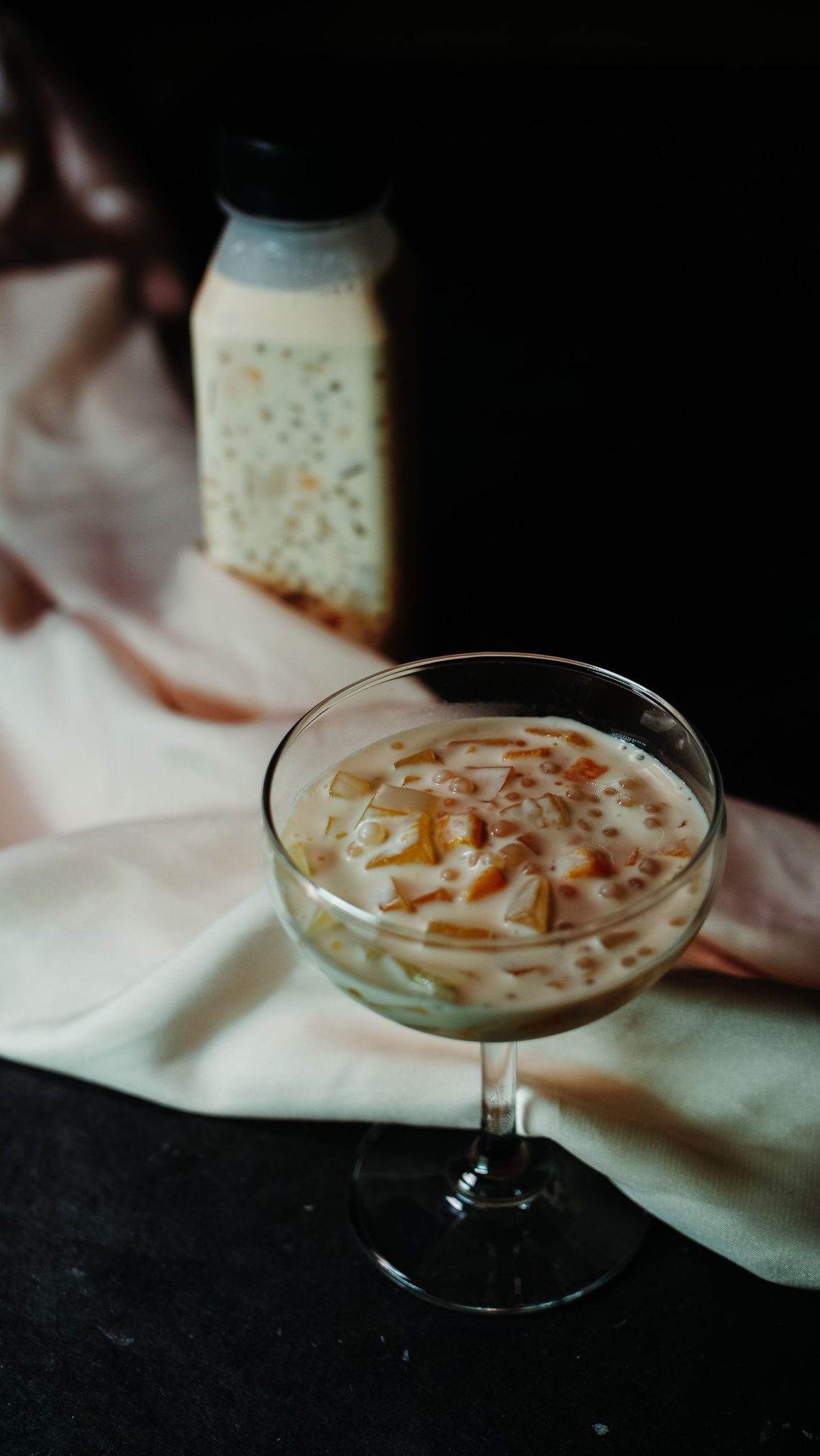
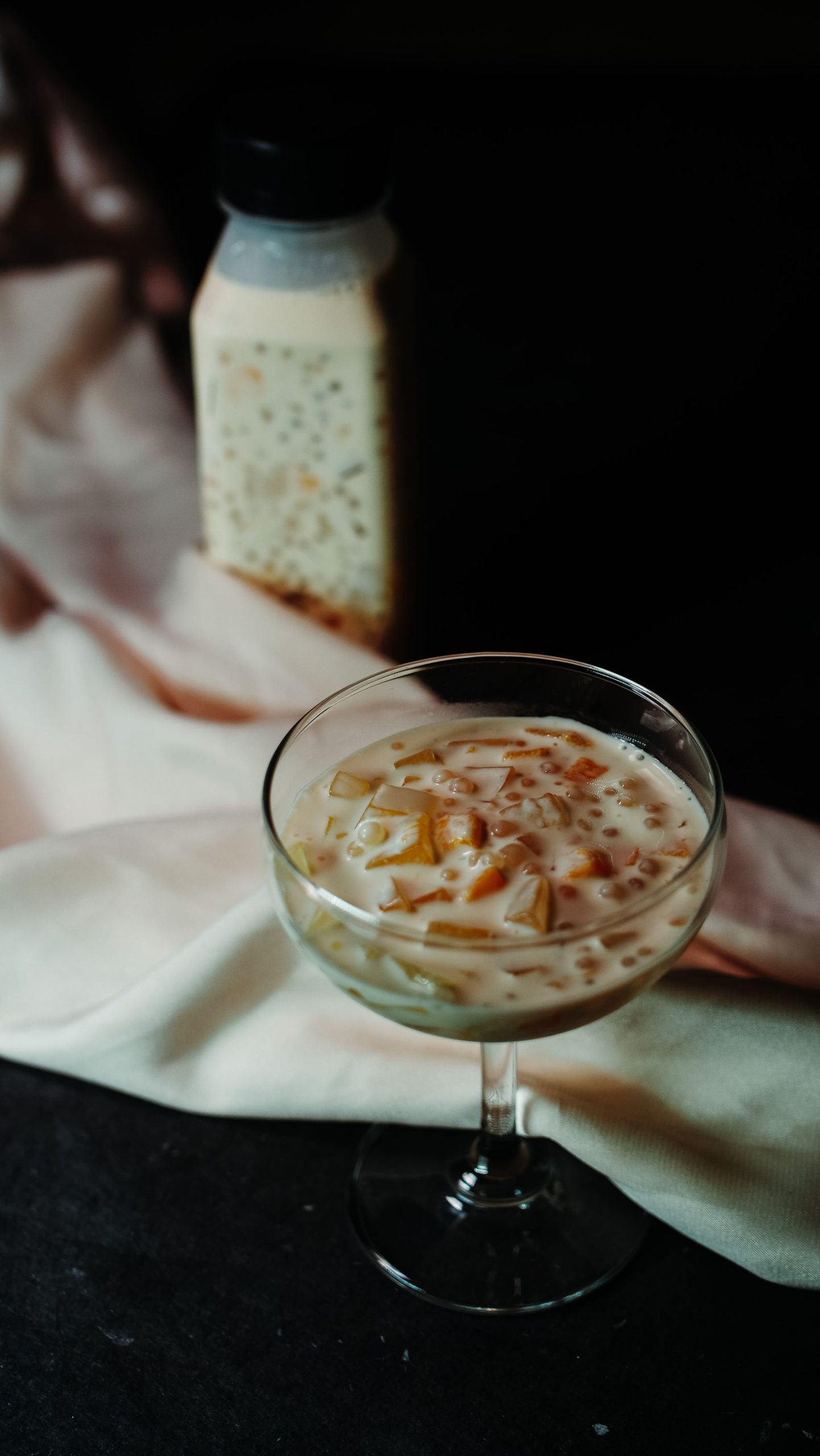
This coconut tapioca pudding is a small, quiet dessert: two bowls of soft, translucent pearls suspended in silky coconut cream, made without a single egg. There is no custard to temper and no risk of scrambled bits. You simmer small pearl tapioca gently in coconut milk and water, sweeten it once the pearls are tender, and let the refrigerator finish the job.
Because the batch is sized for two, it is ideal for a weeknight treat, a dessert for a couple, or a test run before you scale it up for company. Below you will find why the recipe works without eggs, how to choose the right tapioca, the full method with doneness cues, fixes for common texture problems, topping ideas, and answers to the questions readers ask most.
Affiliate disclosure: As an Amazon Associate I earn from qualifying purchases. These paid links open Amazon search results so you can compare suitable tools.
At a glance
- Serves: 2 dessert bowls (about 1 1/2 to 2 cups total)
- Active time: 5 minutes prep, 45 to 60 minutes gentle simmering
- Chill time: at least 2 hours
- Key ingredients: small pearl tapioca, full-fat canned coconut milk, water, sugar, pinch of salt
- Free of: eggs and dairy (check your labels if allergies are a concern); tapioca is naturally gluten-free
- Doneness cue: pearls tender all the way through, pudding still loose enough to flow slowly from a spoon
Why coconut tapioca pudding works without eggs
Classic American tapioca pudding often uses eggs to make a custard around the pearls. That custard adds richness and a little extra body, but it is not what makes tapioca pudding thick. The pearls themselves do most of the work.
Tapioca pearls are made from cassava starch. As they simmer, they absorb liquid, swell, and turn from opaque white to clear. Some of that starch also escapes into the surrounding liquid and thickens it. When the pudding cools, the starch sets further, which is why tapioca that looks fairly loose on the stove becomes spoonable and soft-set after chilling.
Full-fat coconut milk fills the role that eggs and whole milk play in a custard version. Its natural fat gives the pudding a creamy, rounded mouthfeel and a gentle coconut flavor, and it firms slightly in the refrigerator. Together, the starch and the coconut fat give you a rich dessert without the tempering step, the risk of curdling, or the need for a thermometer.
Choosing the right tapioca: small pearl vs large pearl
The single most important decision in this recipe is the type of tapioca. Products labeled “tapioca” behave very differently, and the timing below is written for small pearl tapioca: dry, white, round pearls a little smaller than a peppercorn. Here is how the common options compare.
| Type | What it looks like | Soaking | Works in this recipe? |
|---|---|---|---|
| Small pearl tapioca | Small, dry, opaque white pearls | Usually optional; check the package | Yes, this is the intended product |
| Large pearl tapioca | White pearls about the size of a pea | Typically needs a long soak, often overnight | Not with these times; follow the package |
| Instant (minute) tapioca | Small irregular granules | No | No; it thickens much faster and needs its own ratio |
| Boba / bubble tea pearls | Large, often dark brown or black | Varies by brand | No; made for drinks, with a chewy texture |
Should you soak small pearls?
This method adds dry small pearls straight to hot liquid and relies on a slow, gentle simmer to soften them. Some small-pearl brands suggest a short soak, which shortens cooking time. If your package asks for soaking, follow it, but expect the pearls to soften sooner, and start checking them around the 20- to 25-minute mark rather than waiting for the full time range. Bob’s Red Mill’s small pearl tapioca directions are a helpful reference for how this type of pearl behaves during long, gentle cooking.
Ingredient notes
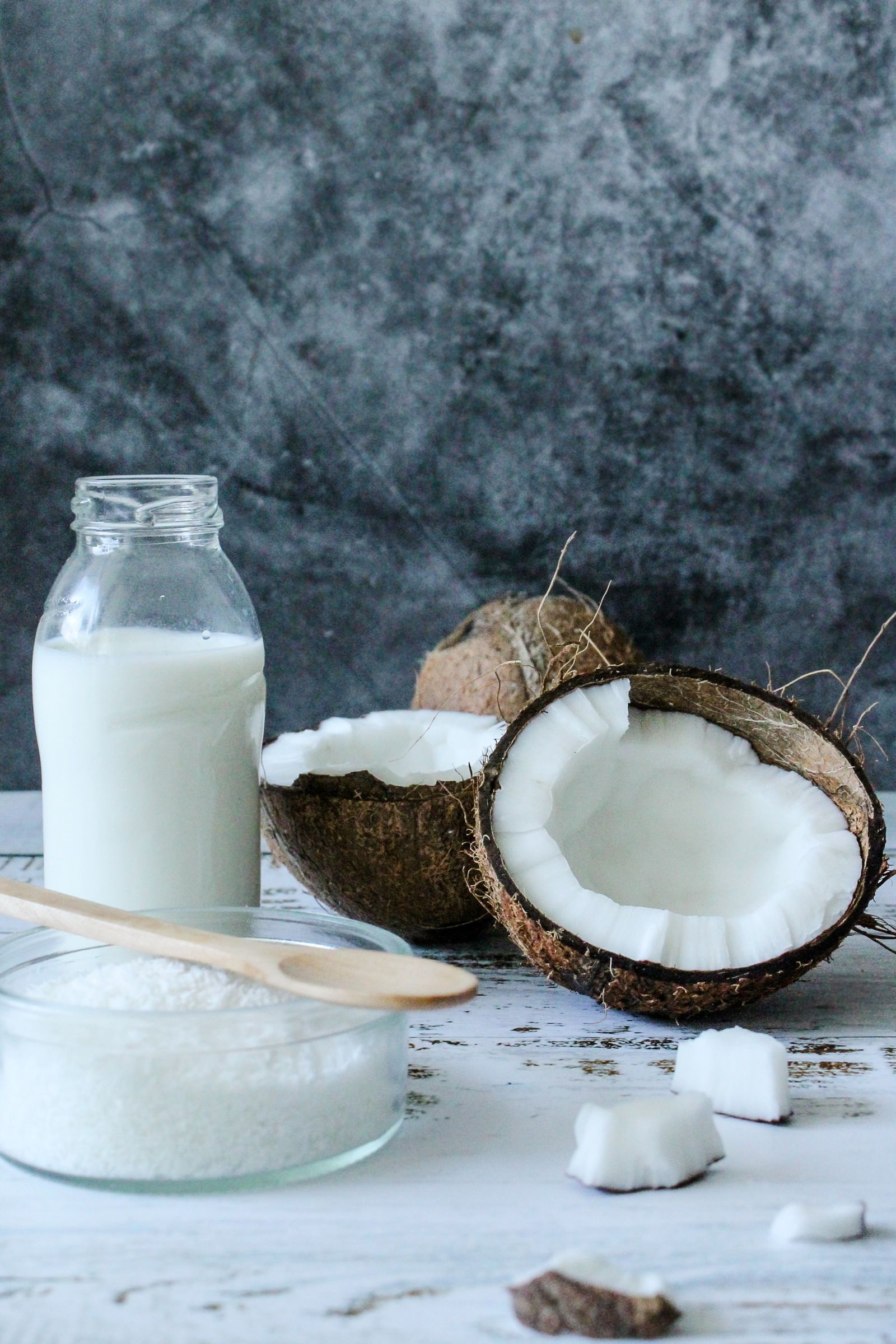
- Full-fat canned coconut milk: This is the ingredient that makes the pudding creamy. Canned coconut milk separates into a thick cream layer and a thinner liquid, so stir or whisk the whole can until smooth before measuring. Measuring only the cream on top makes a heavier, greasier pudding; measuring only the watery part makes a thin one.
- Not the carton kind: Refrigerated coconut milk beverage sold in cartons is much thinner and contains less fat. It will produce a watery, less flavorful pudding. Also avoid sweetened cream of coconut (the syrupy product used for cocktails), which adds a lot of sugar.
- Water: Water balances the richness and gives the pearls enough liquid to absorb. Replacing it with more coconut milk makes a heavy, pasty pudding.
- Sugar: Granulated sugar keeps the flavor clean. It goes in after the pearls are tender, because sugar can slow down how quickly the pearls soften.
- Salt, vanilla, and lime zest: A tiny pinch of salt sharpens the coconut flavor, a little vanilla rounds it out, and optional lime zest adds a fresh aroma without the acidity of juice.
Helpful tools: A heavy 1½- to 2-quart saucepan (paid link) suits this small batch and helps prevent scorching. Use a flexible cooking spatula (paid link) to sweep the bottom of the pan as the tapioca cooks.
How to make coconut tapioca pudding, step by step
Exact amounts are in the printable recipe card at the end of the post. Here is the method with the visual cues that tell you when to move on.
- Combine the liquids. Stir the canned coconut milk until smooth, then measure 1 cup into a heavy small saucepan. Add 1 cup of water and a small pinch of salt.
- Heat to a gentle simmer. Warm over medium-low, stirring now and then. When small bubbles appear around the edge, sprinkle in the tapioca pearls while stirring so they do not land in a clump.
- Simmer low and slow. Turn the heat to low so the surface barely moves. Cook uncovered, stirring frequently and sweeping the bottom of the pan, for about 45 to 60 minutes. A rolling boil can scorch the coconut milk and break the pearls.
- Keep enough liquid in the pan. If the mixture gets very thick while the pearls still have firm white centers, stir in hot water 1 tablespoon at a time. The pearls need liquid around them to finish softening.
- Test the pearls. Spoon out a few pearls, let them cool for a moment, and bite one. It should be soft and tender all the way through, with no hard or chalky dot in the middle. Most pearls will look clear, though a faint white center can linger in some brands even when the texture is right.
- Sweeten. Stir in the sugar and cook gently for 2 to 3 minutes more, just until it dissolves.
- Finish loose. Take the pan off the heat and stir in the vanilla and lime zest, if using. The pudding should still flow slowly off a spoon, like a thick soup. If it already stands in a mound, stir in a splash of hot water. It will thicken considerably as it cools.
- Portion and chill. Divide between two shallow containers or serving glasses, let the steam settle for about 15 minutes, then cover and refrigerate for at least 2 hours.
Texture troubleshooting
Tapioca is forgiving, but small batches change quickly. These are the most common problems and how to fix them.
| Problem | Likely cause | Fix |
|---|---|---|
| Gummy or gluey | Cooked too hard, stirred too vigorously, or reduced too far | Stir in a little warm coconut milk or water. Next time, keep the simmer gentle and stop while the pudding is still loose. |
| Runny after chilling | Pearls undercooked, too much liquid, or carton coconut milk | Return to low heat and simmer a few more minutes, stirring, until pearls are fully tender. Use full-fat canned coconut milk next time. |
| Hard white centers | Not enough time or liquid | Add hot water a tablespoon at a time and keep simmering gently until the centers are soft. |
| Skin on top | Surface dried out as it cooled | Press plastic wrap or a piece of parchment directly onto the surface before chilling, or simply stir the skin back in. |
| Pearls clumped together | Added all at once or not stirred early | Sprinkle pearls in slowly while stirring, and stir often in the first 10 minutes. Gently separate clumps with a spatula. |
| Scorched smell | Heat too high, bottom not stirred | Pour the unburned pudding into a clean pan without scraping the bottom. Lower the heat and stir more often. |
One rule covers most of these: judge the pearls and the liquid separately. The sauce can look thick before the pearls are cooked, and fully cooked pearls can sit in a sauce that still looks thin. Trust a tender pearl and a loose, flowing pudding, and let the fridge do the rest.
Flavor variations and toppings
The base recipe is mild and creamy, which makes it a great canvas. Add toppings just before serving so they stay fresh and do not water down the pudding.
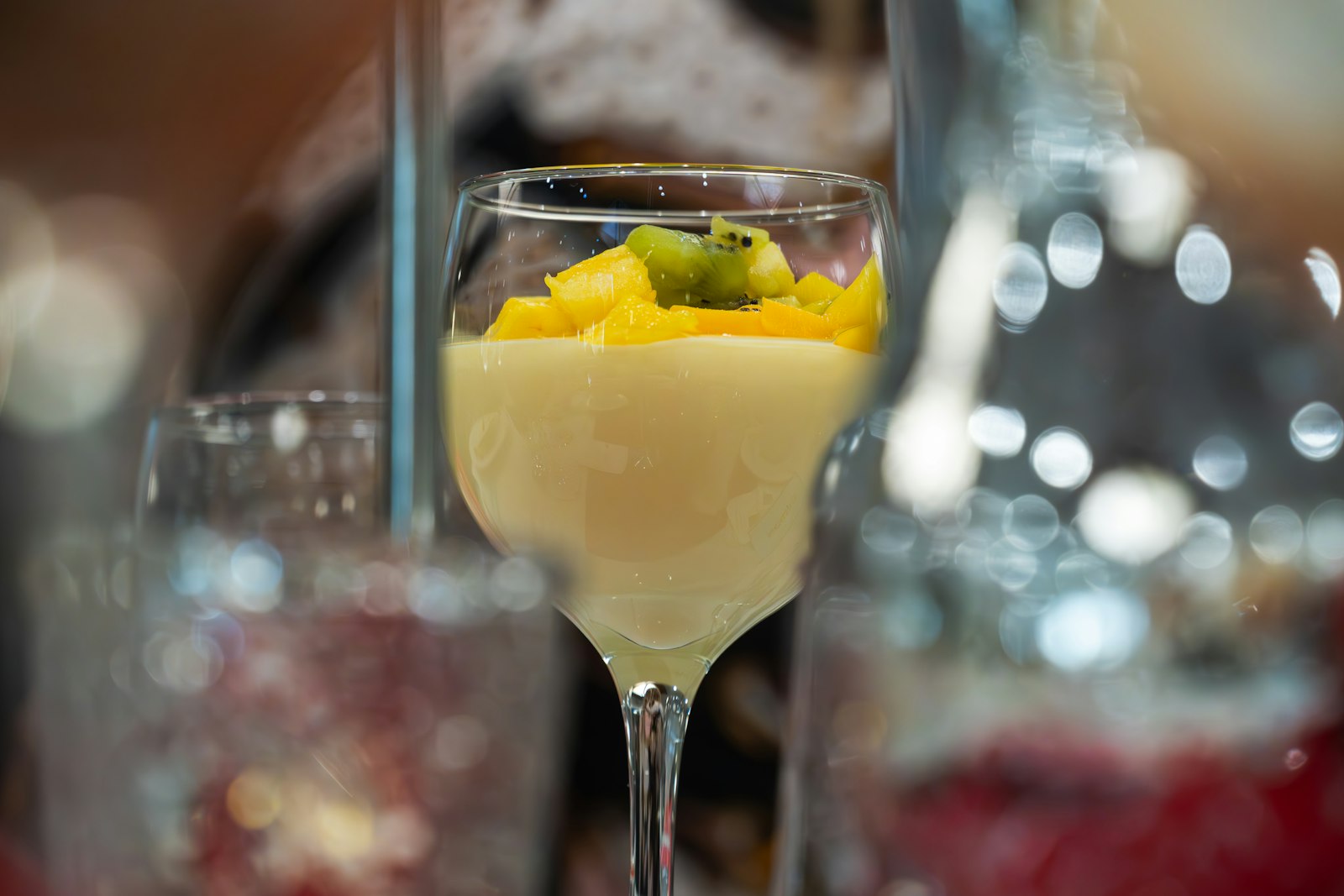
- Mango: Diced ripe mango is the classic pairing. Its sweet, slightly tangy flavor is perfect against the coconut.
- Toasted coconut: Toast unsweetened shredded or flaked coconut in a dry skillet over medium-low heat, stirring constantly, until golden. It adds crunch and a nutty aroma.
- Lime: A little extra zest on top, or a few drops of lime juice on the fruit, brightens the whole bowl.
- Berries or kiwi: Raspberries, blueberries, or sliced kiwi add color and tartness.
- Pineapple or passion fruit: Both lean into the tropical flavor.
- Warm spice: A pinch of cinnamon or cardamom stirred in with the vanilla gives a cozier, wintery version.
- Different sweeteners: Light brown sugar or coconut sugar adds a caramel note. Start with the same amount and taste.
Make-ahead and storage
Coconut tapioca pudding is an easy make-ahead dessert because it needs time in the fridge anyway. Refrigerate it within 2 hours of cooking (within 1 hour if your kitchen is above 90°F), covered, at 40°F or below, and eat it within 3 to 4 days, in line with USDA leftover guidance.
Expect the pudding to keep firming as it sits. On day two or three, stir in a teaspoon or two of coconut milk or water to bring back the soft, creamy texture. If you prefer it warm, add a little liquid and reheat gently, stirring, until hot throughout. Freezing is not recommended: thawed tapioca tends to turn spongy and the coconut milk can separate.
Cooking for someone who avoids gluten? Tapioca is a naturally gluten-free starch, and our guide to which puddings are gluten-free covers other types.
Frequently asked questions
Can I use instant tapioca instead of pearls?
Not with these amounts and times. Instant tapioca is processed to thicken quickly and needs much less cooking and a different ratio. Use the recipe on its package instead.
Can I use large pearl tapioca?
Large pearls usually need a long soak, often overnight, and longer cooking. They make a pudding with bigger, chewier pearls. Follow the package directions for soaking and cooking, and use the coconut milk and sweetening ideas from this post.
Is coconut tapioca pudding dairy-free and vegan?
Yes. The recipe contains no eggs, milk, butter, or cream, so it is dairy-free and suitable for a vegan diet. As always, check labels if you are cooking for someone with allergies.
Can I use light coconut milk?
You can, but the pudding will be thinner and less rich. If you use light coconut milk, reduce the water slightly and expect a softer set.
Why are my pearls still hard after an hour?
Pearl size, age, and brand all affect cooking time, and the pan may have run low on liquid. Add hot water a tablespoon at a time and keep simmering gently. Older pearls can take noticeably longer.
Can I double the recipe?
Yes. Double every ingredient and use a slightly larger heavy saucepan. The cooking time stays similar, but stir more often because a bigger batch is more likely to stick.
Can I eat it warm?
Yes, once it has cooled enough to eat comfortably. Warm pudding is looser and creamier than chilled pudding. Refrigerate any leftovers promptly.
Final thoughts on this coconut tapioca pudding
This coconut tapioca pudding proves you do not need eggs for a creamy, comforting dessert. Choose small pearl tapioca, use full-fat canned coconut milk, keep the heat low, and take the pan off the stove while the pudding is still loose. A couple of hours in the fridge turns it into two soft, silky bowls, ready for mango, toasted coconut, or whatever fruit you have on hand.
Printable recipe card
Coconut Tapioca Pudding for Two (No Eggs)
Ingredients
Equipment
Method
- Mix the coconut milk. Open the can and stir any thick cream into the thinner liquid until uniform. Measure 1 cup of the mixed product into the saucepan, then add the cup of water and salt.
- Bring to a gentle simmer. Heat over medium-low, stirring occasionally. When small bubbles appear, stir in the dry tapioca pearls gradually. Sweep the bottom with the spatula so the pearls do not settle into a stuck layer.
- Cook low and slow. Reduce the heat to low and simmer uncovered, stirring frequently. Plan on 45–60 minutes for a slow-cooking small-pearl product, while checking the package and the actual pearls. The liquid should move gently rather than boil vigorously.
- Maintain enough liquid. If the mixture becomes very thick while the pearl centers are still firm, add hot water 1 tablespoon at a time. Stir after each addition. Do not force a thick, undercooked mixture to continue without enough liquid around the pearls.
- Check tenderness, then sweeten. Taste a cooled spoonful. The pearls should be tender through the center, without a hard or chalky core, and largely translucent. Stir in the sugar and cook gently for another 2–3 minutes, until dissolved.
- Finish while still loose. Remove from the heat and stir in vanilla and optional lime zest. The pudding should flow slowly from the spoon. If it stands in a rigid mound, add a small splash of hot water now; chilling will make it firmer.
- Portion and refrigerate. Divide into two shallow containers. Allow about 15 minutes for the strongest heat to dissipate, then cover and refrigerate. Do not wait for the saucepan to cool completely at room temperature.
- Serve after chilling. Chill for at least 2 hours. Stir gently if desired and add the optional shredded coconut just before serving. If the cold pudding is firmer than you prefer, loosen each portion with a teaspoon or two of coconut milk or water.