
Quick Recipe Overview
Creamy breakfast quinoa with mango and coconut simmers 1 1/2 cups of already-cooked quinoa in 1 1/2 cups of milk over low heat, then folds in 3/4 cup of ripe mango and a tablespoon of butter. Two bowls are ready in about 25 minutes, topped with toasted coconut.
Best method: keep the milk at a gentle simmer, stir often, and add the mango only for the last 3 to 5 minutes.
Creamy breakfast quinoa with mango and coconut turns leftover cooked quinoa into a warm, porridge-style bowl in about 25 minutes. The grains soak up 1 1/2 cups of milk until they are soft and spoonable, sweet diced mango goes in near the end, and a scattering of toasted coconut adds crunch on top.
It serves two and is built for weekday mornings when you already have quinoa in the fridge. If you like oatmeal but want a lighter, slightly nutty change, or you simply cooked too much quinoa for dinner, this is an easy, naturally sweet way to use it up without any added sugar.
Equipment
- 2-quart heavy-bottomed saucepan: a thick base spreads heat and helps prevent the milk from scorching.
- Heat-resistant silicone spatula: it scrapes the corners where milk and grains tend to stick.
- Small dry skillet: for toasting the coconut.
- Cutting board and knife: for dicing the mango.
- Measuring cups and two serving bowls.
Ingredients, Substitutions and Allergens
| Ingredient | Amount | Why it’s here / swaps |
|---|---|---|
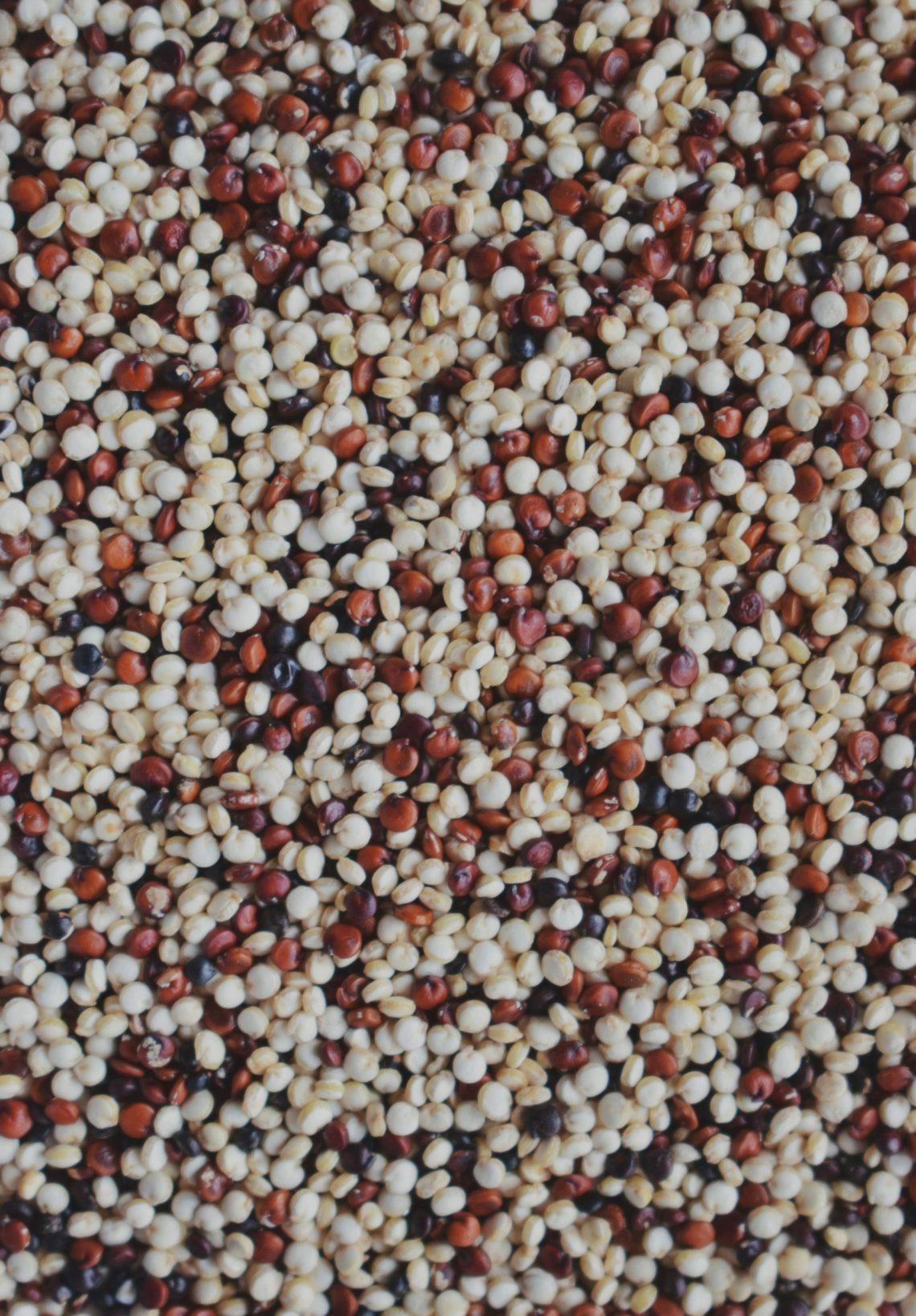
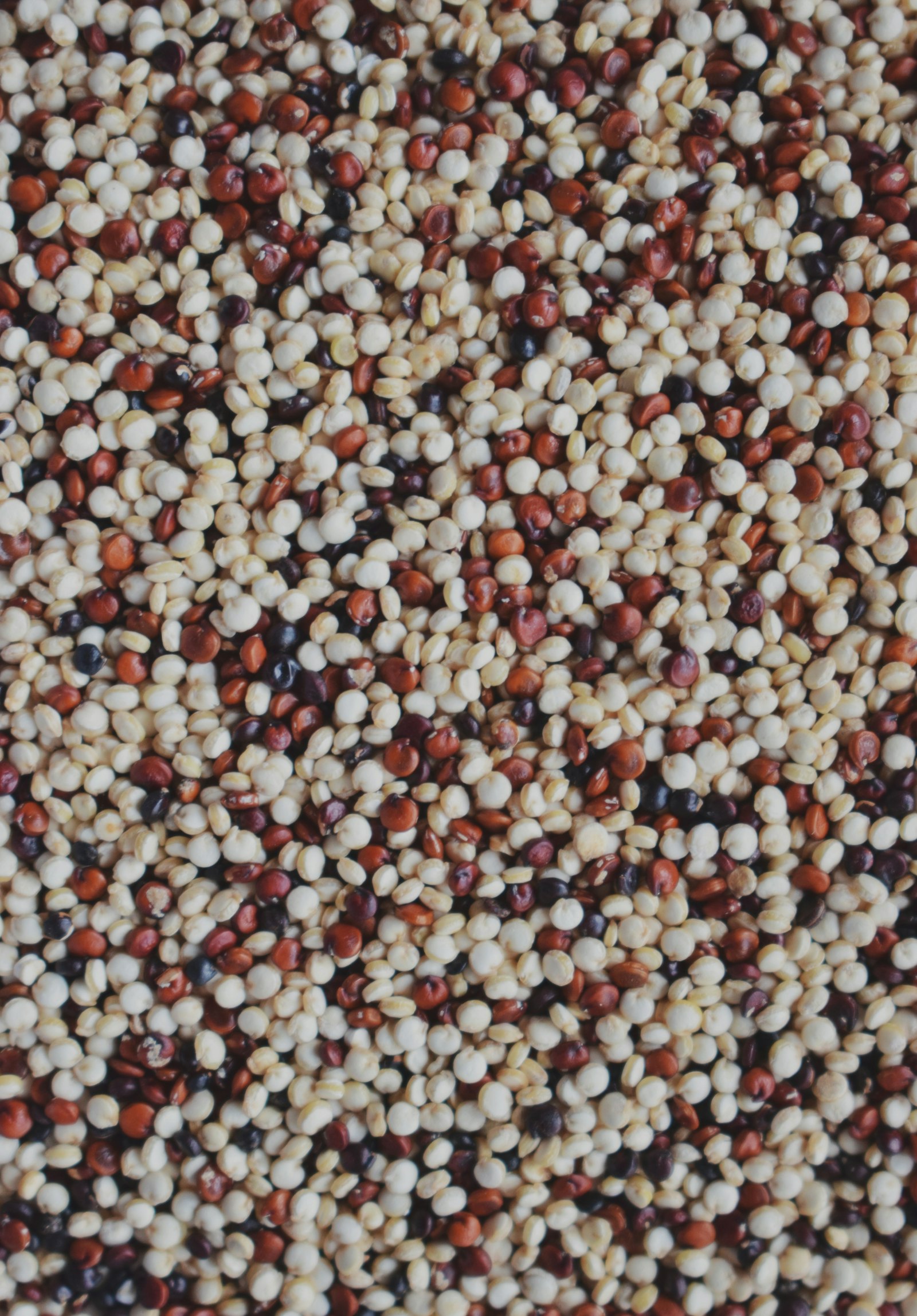
| Cooked quinoa | 1 1/2 cups | The base. It must already be fully cooked and tender; raw quinoa needs far more liquid and time. White quinoa turns creamiest; red and black stay chewier. |
| Milk | 1 1/2 cups | Makes it creamy. Whole milk is richest. Unsweetened coconut, oat or soy milk work for dairy-free bowls (coconut milk doubles the coconut flavor). |
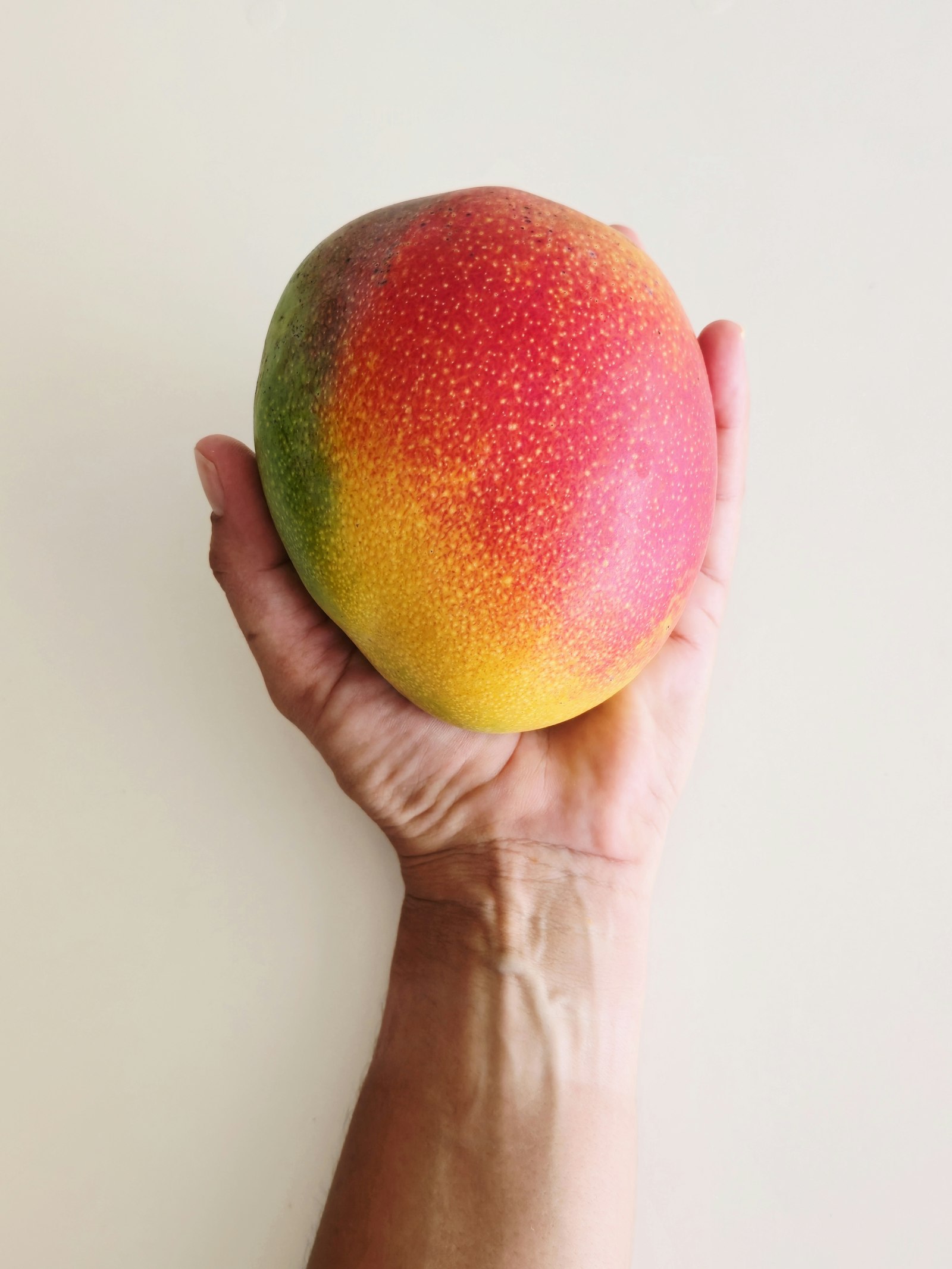
| Ripe mango, diced | 3/4 cup (about 1 small mango) | Natural sweetness and bright tropical flavor. Thawed frozen mango works if drained. |
| Toasted coconut | 2 tablespoons | Crunch and aroma. Unsweetened flakes or shreds; sweetened coconut makes a sweeter bowl. |
| Butter | 1 tablespoon | Rounds out the texture. Use coconut oil or a plant butter for dairy-free. |
| Fine salt | 1/4 teaspoon | Keeps the bowl from tasting flat and sharpens the mango. |
Allergens: contains milk (milk and butter). Quinoa is naturally gluten-free, but buy a brand labeled gluten-free if cross-contact is a concern. The FDA lists coconut as a tree nut for labeling purposes, so check with anyone who has a tree-nut allergy.
Why Cooked Quinoa Turns Creamy
Quinoa seeds are small and already softened by the first cook. When they simmer again in milk, their outer layer loosens and releases a little starch, and that starch, combined with the milk proteins, thickens the liquid into a light porridge. It never becomes as gluey as oatmeal, which is why many people like it: you get creaminess with distinct, tender grains.
Gentle heat is the key. Milk boils over quickly and its sugars and proteins scorch on the bottom of a pan, giving a burnt taste to the whole pot. A low simmer with frequent stirring warms the grains through and thickens the milk without browning it.
Mango goes in late on purpose. Ripe mango is soft and juicy, so a long simmer would turn it into stringy mush and dull its flavor. Three to five minutes is enough to warm it while keeping cubes you can see and taste. A ripe mango smells sweet near the stem and gives slightly when pressed.
Finally, quinoa keeps absorbing liquid as it stands. Stopping when the pot still looks a little loose means the bowls are perfectly creamy by the time they reach the table.
Step-by-Step Method
- Toast the coconut (2 to 3 minutes). Stir the coconut in a dry skillet over medium-low heat until pale golden and fragrant. Tip it onto a plate at once so it does not keep browning.
- Prep (5 minutes). Dice the mango into small cubes, about 1/2 inch. Break up any clumps of cold quinoa with a fork so it warms evenly.
- Warm the milk (3 to 4 minutes). Bring the milk and salt to a gentle simmer in the saucepan over medium heat. Small bubbles should form at the edges; do not let it boil hard.
- Simmer the quinoa (5 to 8 minutes). Stir in the quinoa and lower the heat. Cook, stirring often and scraping the bottom, until the mixture is steaming throughout and the milk has thickened to the consistency of loose porridge.
- Add the mango (3 to 5 minutes). Fold in the mango and keep the heat low. If the mixture gets too thick, add water a tablespoon at a time. The mango should be warm but still hold its shape.
- Finish (2 minutes). Take the pan off the heat, stir in the butter until melted, and let it rest for 2 minutes. It will thicken slightly.
- Serve. Divide between two bowls and sprinkle with the toasted coconut just before eating so it stays crisp.
Troubleshooting
| Problem | Likely cause | Fix |
|---|---|---|
| Milk boiled over or scorched | Heat too high | Keep to a gentle simmer; transfer unburned portion to a clean pot without scraping the bottom. |
| Too thick or stiff | Quinoa kept absorbing liquid | Stir in warm milk or water a spoonful at a time. |
| Thin and watery | Not simmered long enough or watery frozen mango | Simmer a few minutes more; drain frozen mango well. |
| Bitter aftertaste | Quinoa wasn’t rinsed before its first cook | Rinse raw quinoa well next time to remove its natural coating. |
| Mushy, stringy mango | Added too early | Add only in the last 3 to 5 minutes. |
| Tastes flat | Not enough salt or under-ripe mango | Add a pinch of salt; drizzle a little honey at the table. |
| Soggy coconut | Added to the pot | Sprinkle on top just before eating. |

What to Serve with It
A spoonful of plain yogurt or a few toasted cashews adds protein and contrast. For another warm grain breakfast, try Quinoa Flake Porridge with Dried Cherries. If you love the mango and coconut pairing, the make-ahead Coconut Mango Chia Breakfast Pudding is a cool alternative for summer. And if bitter quinoa has ever put you off, our guide on How to Rinse Quinoa Without a Fine Mesh Strainer helps.
Make-Ahead, Storage and Reheating
This bowl is best eaten fresh, but leftovers keep. Cool them quickly in a shallow container, refrigerate within 2 hours and eat within 3 to 4 days. Store the coconut separately at room temperature so it stays crisp.
The quinoa firms up a lot when cold. To reheat, add a splash of milk or water, then warm in a small saucepan over low heat or in the microwave in 30-second bursts, stirring between each, until it reaches 165°F throughout. Freezing is not recommended for the finished bowl because the mango turns watery, but plain cooked quinoa freezes well for future batches.
Frequently Asked Questions
Can I make this with uncooked quinoa?
Not with these amounts. Cook the quinoa first according to the package, then measure 1 1/2 cups. Raw quinoa needs much more liquid and a longer simmer.
Can I use frozen mango?
Yes. Thaw and drain it, dice any large pieces, and add it for the same 3 to 5 minutes. Use a little less milk if the bowl looks loose.
How do I toast coconut?
Stir it in a dry skillet over medium-low heat for 2 to 3 minutes until pale gold, then move it to a plate immediately. It burns quickly once it starts to brown.
Can I make it dairy-free?
Yes. Use unsweetened coconut, oat or soy milk and replace the butter with coconut oil. Plant milks can set a little looser, so add them gradually.
Is breakfast quinoa healthy?
It is a whole-grain breakfast with fruit and no added sugar beyond what is in the mango and milk. For the specific nutrition of your bowl, check the labels of the milk and coconut you use.
Can I sweeten it more?
A ripe mango is usually sweet enough. If you want more, drizzle honey or maple syrup at the table so each person can adjust their own bowl.
Can I add spices?
A pinch of cardamom, cinnamon or ground ginger suits mango well. Stir it into the milk as it warms.
Recommended Tools
- Heavy-bottomed 2-quart saucepan to prevent scorching
- Heat-resistant silicone spatula
- Mango slicer for quick, clean cuts
As an Amazon Associate I earn from qualifying purchases.
The Takeaway
Creamy breakfast quinoa with mango and coconut is proof that leftover grains make a great breakfast. Keep the heat low, add the mango late, and save the coconut for the top, and you will have two warm, naturally sweet bowls in about 25 minutes.
Creamy Breakfast Quinoa with Mango and Coconut
Serves: 2 | Prep: 8 min | Cook: 15 min | Rest: 2 min | Total: 25 min
Ingredients
- 1 1/2 cups fully cooked quinoa
- 1 1/2 cups milk
- 1/4 teaspoon fine salt
- 3/4 cup diced ripe mango
- 1 tablespoon butter
- 2 tablespoons toasted coconut
Instructions
- Toast the coconut in a dry skillet over medium-low heat until pale gold; move to a plate.
- Bring the milk and salt to a gentle simmer in a 2-quart saucepan.
- Stir in the quinoa, lower the heat and cook 5 to 8 minutes, stirring often, until hot and thickened.
- Add the mango and cook on low 3 to 5 minutes, adding water a tablespoon at a time if too thick.
- Off the heat, stir in the butter and rest 2 minutes.
- Divide between two bowls and top with the coconut.
Notes
- Use quinoa that is already cooked and tender.
- Refrigerate leftovers within 2 hours, eat within 3 to 4 days, and reheat to 165°F.
- Contains milk. Coconut is labeled as a tree nut by the FDA.




