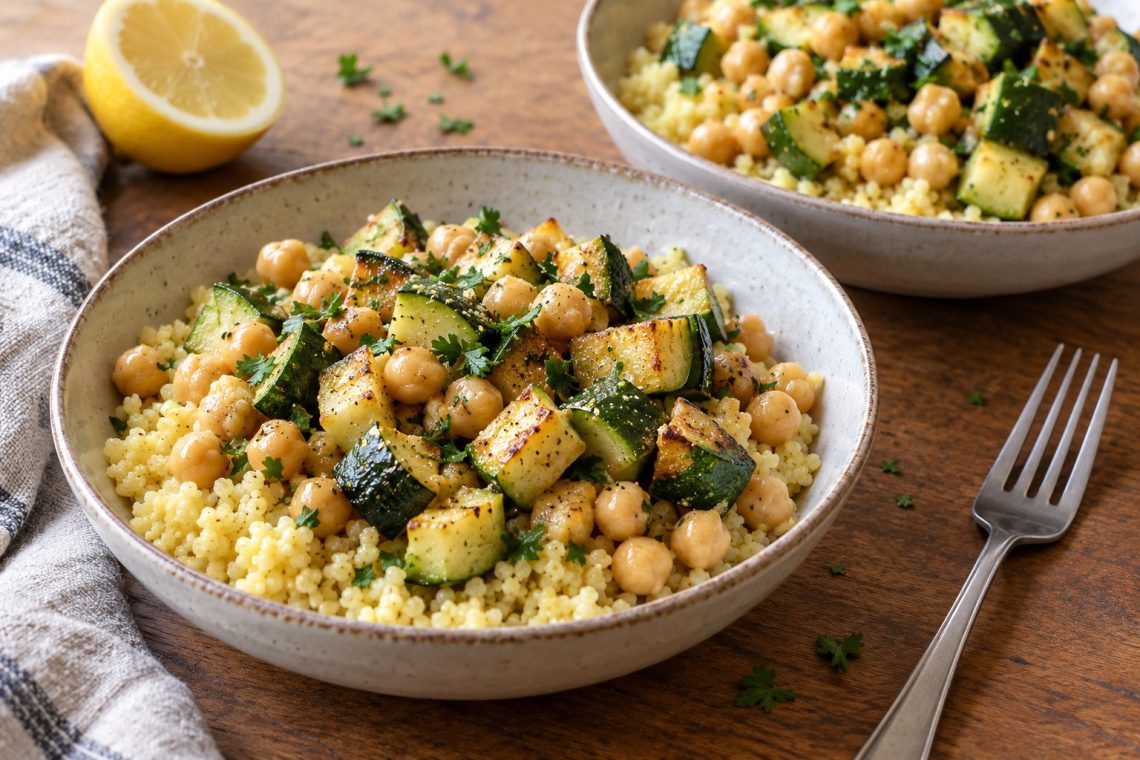
HULLED MILLET / GOLDEN ZUCCHINI / LEMON
Lemon millet chickpea bowls are a good way to turn one zucchini and a can of chickpeas into a warm, satisfying meal. The millet has a mild, nutty flavor, the zucchini gets golden edges in the skillet, and lemon, garlic, and parsley bring the bowl together without cheese. A little olive oil finishes the grain without making it heavy.
The two-pan method matters here. Millet cooks gently under a lid while zucchini browns in an uncovered skillet. Keeping those jobs separate helps you avoid a wet, soft bowl, and it gives the chickpeas just enough time to warm through without drying out.
Lemon millet chickpea bowls: the cooking plan
- Prep
- 10 minutes
- Cook
- 30 minutes
- Covered millet rest
- 10 minutes
- Total
- About 50 minutes
- Yield
- 2 main-course bowls
This includes time to dry and lightly toast the rinsed millet, bring it to a boil, simmer, and rest. About 20 minutes is hands-on work; the skillet cooking happens while the millet cooks or rests. The grain package may change the total, particularly if you use a different type of millet.
Equipment: a 1½–2-quart saucepan with a close-fitting lid, a 10–12-inch skillet, a fine-mesh strainer, measuring cups and spoons, a fork, a knife, and a cutting board. A broad skillet gives the zucchini more contact with the pan.
Ingredients for millet, chickpeas, and zucchini
- ½ cup dry hulled whole-grain millet, rinsed and well drained
- 1 cup water for the millet, or the amount directed by its package
- 1 medium zucchini, about 8 ounces, trimmed and cut into ½-inch cubes
- 1 can chickpeas, 15 ounces net weight, rinsed and well drained; about 1½ cups drained chickpeas
- 1½ tablespoons olive oil, divided into 1 tablespoon for the skillet and ½ tablespoon for finishing
- 1 garlic clove, finely minced
- 1 tablespoon fresh lemon juice
- 1 tablespoon finely chopped fresh parsley
- ¼ teaspoon fine salt to start, divided, plus more to taste
- ⅛ teaspoon ground black pepper, or to taste
Use hulled millet, not millet flour or flakes
Look for small, round, pale yellow grains sold as hulled millet for cooking. Flakes, flour, and mixed-grain packets will not behave the same way. The recipe uses a two-to-one water-to-millet ratio and a simmer of about 20 minutes, matching the basic proportions in NOW Foods’ hulled millet directions. Other products may differ, so use the water and timing printed on your bag when necessary.
The goal is tender grain with a little texture, rather than a creamy porridge. Rinse in a fine-mesh strainer and drain thoroughly. Rinsed millet will steam at first in the dry saucepan; it will not smell toasted until that surface water has evaporated.
Choose a zucchini that will brown
A medium zucchini with a firm center works better than an oversized one with a soft, seedy core. If yours is very large, remove the watery center and measure a comparable amount of firm flesh. Dry the outside after washing, then cut the cubes evenly. Thin shreds or tiny dice can soften before they take on much color.
The canned chickpeas are already fully cooked. Drain away rinse water before adding them to the skillet, because water clinging to the chickpeas can soften the zucchini’s browned surfaces. If using home-cooked chickpeas, start with about 1½ cups that are tender enough to eat, not merely soaked.
Cook the millet and build the bowls
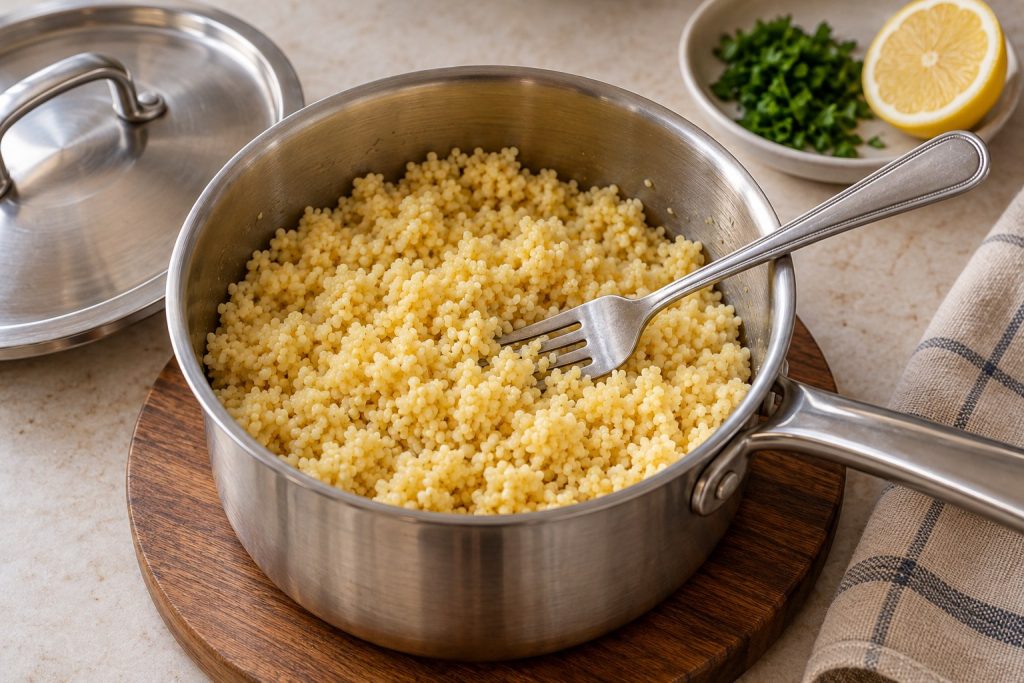
- Dry and lightly toast the millet. Put the rinsed, well-drained millet in the dry saucepan over medium-low heat. Stir for about 3–5 minutes, first letting visible moisture evaporate and then letting the grains smell gently nutty. Stop before they turn dark or smell scorched.
- Add water and simmer. Carefully add 1 cup water and half the salt; the hot pan may release steam. Bring to a boil, cover, and reduce the heat to low. Simmer for about 20 minutes, or follow the millet package, until the grain is tender and the liquid is absorbed. Do not stir repeatedly during cooking.
- Rest the millet. Remove the saucepan from the heat and leave it covered for 10 minutes. Then lift the grains gently with a fork. If there is visible standing water despite tender grain, drain it carefully before fluffing.
- Brown the zucchini separately. While the millet cooks, heat 1 tablespoon olive oil in the skillet over medium-high heat. Add the zucchini in one layer. Leave it undisturbed for about 2 minutes, then turn occasionally for another 4–6 minutes, until several faces are golden and the centers are just tender. Add the remaining salt.
- Warm the chickpeas with garlic. Lower the skillet heat to medium. Add the garlic and stir for about 30 seconds, just until fragrant. Fold in the drained chickpeas and cook for 2–3 minutes, turning gently, until heated through. If the pan becomes dry enough for the garlic to catch, add a teaspoon of water and let it evaporate.
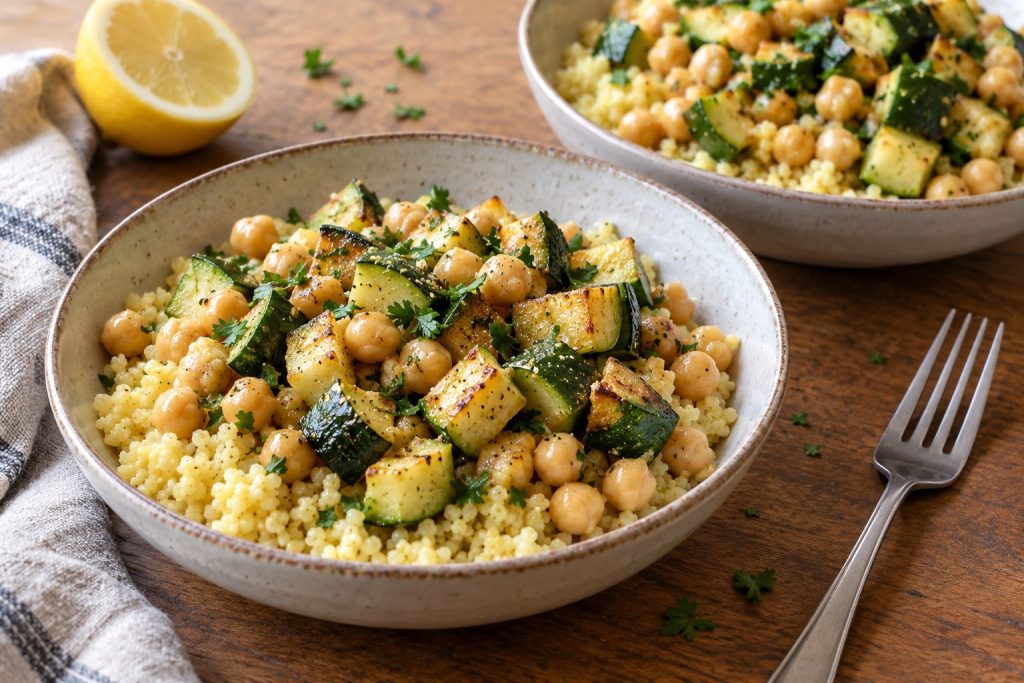
- Finish off the heat. Divide the fluffed millet between two bowls and spoon over the zucchini and chickpeas. Drizzle with the remaining ½ tablespoon olive oil and the lemon juice. Add parsley and pepper, then gently turn a few spoonfuls together so the seasoning reaches the grain. Taste before adding more salt or lemon.
How this bowl gets flavor without cheese
Toasting supplies a gentle nutty base. You do not need deep brown millet. A light aroma is enough, and staying near the pan prevents the small grains from scorching. If you prefer to skip toasting, cook the rinsed millet according to its package; the bowl will taste milder.
Browning gives the zucchini contrast. Resist moving it constantly. A few uninterrupted minutes against the hot skillet produce more flavor than stirring it through a wet pot of grain. The garlic goes in later because it needs much less time than the zucchini.
Finishing at the end keeps the lemon noticeable. Add lemon after the skillet leaves the heat, then taste it with the millet and chickpeas. A spoonful of plain millet may seem underseasoned even when the dressed vegetables taste strong. Judge a combined bite before adjusting the whole batch.
Fix crunchy millet or watery zucchini
| Problem | Adjustment |
|---|---|
| Millet is firm and the pot is dry | Add 1–2 tablespoons hot water, cover, and simmer for a few more minutes. Taste several grains before resting. |
| Millet is tender but clumped | Let excess steam escape, then lift gently with a fork. Vigorous stirring can make the clumps denser. |
| Millet is mushy | Use it as a soft base with the vegetables arranged on top. You cannot restore the original grain texture by further cooking. |
| Zucchini releases a puddle | Keep the skillet uncovered and let moisture evaporate before adding chickpeas. Cook in two batches if doubling. |
| The bowl tastes dry | Mix the dressing through a few spoonfuls first. If needed, add another teaspoon of olive oil and a small squeeze of lemon. |
| The garlic tastes bitter | It may have burned. Avoid scraping dark garlic into the bowls; lower the heat and add garlic later next time. |
On a small screen, scroll the table sideways to see every column.
Useful swaps for a cheese-free grain bowl
Yellow summer squash: use the same amount and cut size as the zucchini. A very seedy squash needs the same trimming and moisture control. Keep the skillet uncovered so the vegetables sauté rather than steam.
White beans: replace the chickpeas with the same drained volume of cannellini or great northern beans. They are softer, so fold them in with a broad spoon and warm gently. They make the bowl creamier without requiring cheese or a sauce.
A little crunch: add a spoonful of toasted pumpkin seeds at the table, or serve thinly sliced radishes alongside. Keep crunchy additions separate when packing lunch. A small amount is enough to give contrast without hiding the lemon and parsley.
More lemon aroma: use a pinch of finely grated lemon zest along with the measured juice. Wash the lemon first and grate only the yellow outer layer. Zest changes the aroma without adding much extra liquid; add it gradually to suit your taste.
Serving and meal-prep ideas
Serve the lemon millet chickpea bowls for lunch or a simple dinner. If you want a lighter portion, serve a smaller scoop with cucumber slices or a crisp leafy salad. Add those cold vegetables at the table, rather than stirring them into a hot skillet where they will release water.
For lunch tomorrow, pack the cooked millet and the chickpea-zucchini mixture side by side. Keep lemon juice and parsley separate if convenient, then add them after reheating. The zucchini will be softer on the second day; browning it well initially still gives the meal more flavor.
If you have more zucchini to use, our small-batch lemon lentil zucchini soup takes those ingredients in a different direction, with a brothy finish instead of a grain base.
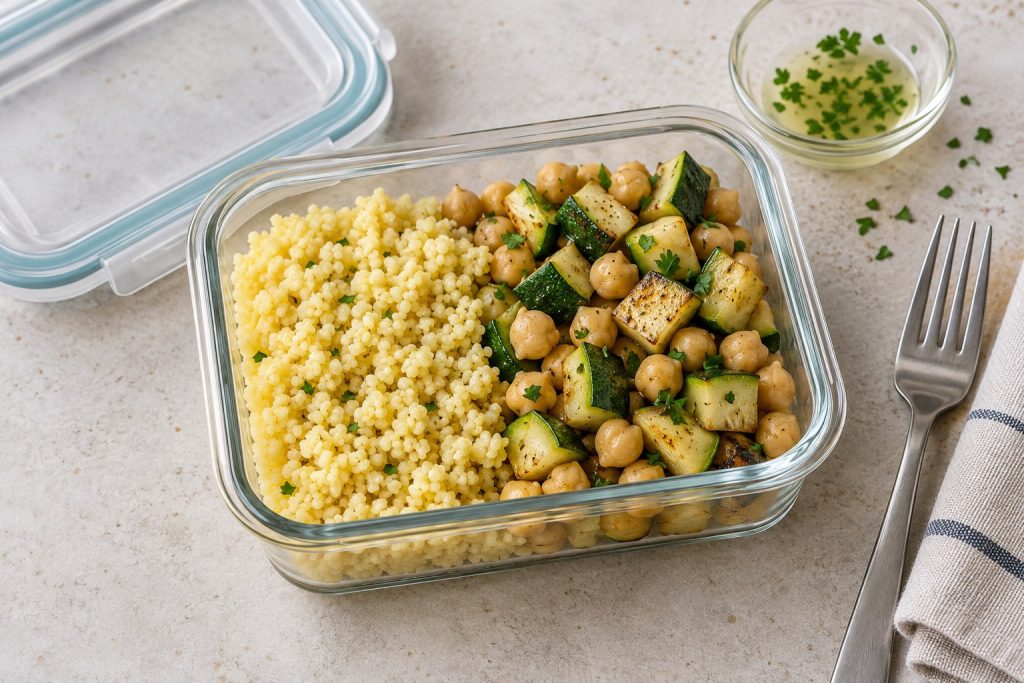
Store and reheat the cooked bowls
Use shallow containers and refrigerate within 2 hours, or 1 hour above 90°F. Store at 40°F or colder, eat within 3–4 days, and reheat leftovers to 165°F, following USDA leftover guidance.
For reheating, sprinkle a little water over the millet and cover the container with a vented microwave-safe cover. Stir between short heating intervals so the middle warms along with the edges. Stop adding water once the millet loosens; too much makes the zucchini mixture wet. Finish with lemon and parsley to taste.
Millet bowl questions
Can I use quinoa instead of millet?
Yes, but cook it with its own package ratio and timing. Do not assume the millet instructions transfer to every grain. For help with preparation, see our guide to rinsing quinoa without a fine mesh strainer. Keep the chickpea and zucchini quantities the same.
Can I use frozen zucchini?
Yes, with a softer result. Cook it according to its package before combining it with the other ingredients, and drain excess liquid. It is less likely to develop the same distinct golden faces as fresh cubes. Do not add frozen zucchini directly to the millet saucepan.
Does this need a cheese substitute?
No. The measured recipe relies on olive oil, garlic, lemon, parsley, and seasoning. A cheese substitute is optional, but it can introduce a much saltier flavor. Taste the completed bowl before adding one, and use a product suited to your preferences.
Can I double it for four people?
Double the ingredients and use a saucepan large enough for the millet to expand. Brown the zucchini in two batches or two skillets; crowding twice as much into the original skillet defeats the purpose of cooking it separately. The simmer time does not simply double.
Can the bowls be eaten cold?
Yes, once the cooked ingredients have been promptly cooled and refrigerated. The millet may be firmer cold, so loosen it with a fork and distribute the lemon and oil before eating. Keep the meal chilled during transport rather than leaving it at room temperature.
THE COMPLETE RECIPE
Lemon Millet Chickpea Bowls with Zucchini (No Cheese)
Yield: 2 main-course bowls
Ingredients
- 1/2 cup dry hulled whole-grain millet rinse and drain well
- 1 cup water for millet, or the amount required by its package
- 1 medium zucchini about 8 ounces; trim and cut into 1/2-inch cubes
- 1 15-ounce can chickpeas rinse and drain well; about 1 1/2 cups drained
- 1 1/2 tablespoons olive oil 1 tablespoon for the skillet and 1/2 tablespoon for finishing
- 1 garlic clove finely minced
- 1 tablespoon fresh lemon juice
- 1 tablespoon finely chopped fresh parsley
- 1/4 teaspoon fine salt divide between millet and zucchini; more to taste
- 1/8 teaspoon ground black pepper or to taste
Instructions
- Dry and lightly toast the millet Put the rinsed, well-drained millet in the dry saucepan over medium-low heat. Stir for about 3–5 minutes, first letting visible moisture evaporate and then letting the grains smell gently nutty. Stop before they turn dark or smell scorched.
- Add water and simmer Carefully add 1 cup water and half the salt; the hot pan may release steam. Bring to a boil, cover, and reduce the heat to low. Simmer for about 20 minutes, or follow the millet package, until the grain is tender and the liquid is absorbed. Leave the covered grain mostly undisturbed. While it cooks, begin the zucchini step.
- Rest the millet Remove the saucepan from the heat and leave it covered for 10 minutes. Then lift the grains gently with a fork. If there is visible standing water despite tender grain, drain it carefully before fluffing.
- Brown the zucchini separately While the millet cooks, heat 1 tablespoon olive oil in the skillet over medium-high heat. Add the zucchini in one layer. Leave it undisturbed for about 2 minutes, then turn occasionally for another 4–6 minutes, until several faces are golden and the centers are just tender. Add the remaining salt.
- Warm the chickpeas with garlic Lower the skillet heat to medium. Add the garlic and stir for about 30 seconds, just until fragrant. Fold in the drained chickpeas and cook for 2–3 minutes, turning gently, until heated through. If the pan becomes dry enough for the garlic to catch, add a teaspoon of water and let it evaporate.
- Finish off the heat Divide the fluffed millet between two bowls and spoon over the zucchini and chickpeas. Drizzle with the remaining ½ tablespoon olive oil and the lemon juice. Add parsley and pepper, then gently turn a few spoonfuls together so the seasoning reaches the grain. Taste before adding more salt or lemon.
Notes
Rate This Recipe
Made this recipe? Choose a star rating in the comment form and share how it turned out. Your cooking time and any ingredient changes can help the next reader.
Rate This Recipe