
Quick Recipe Overview
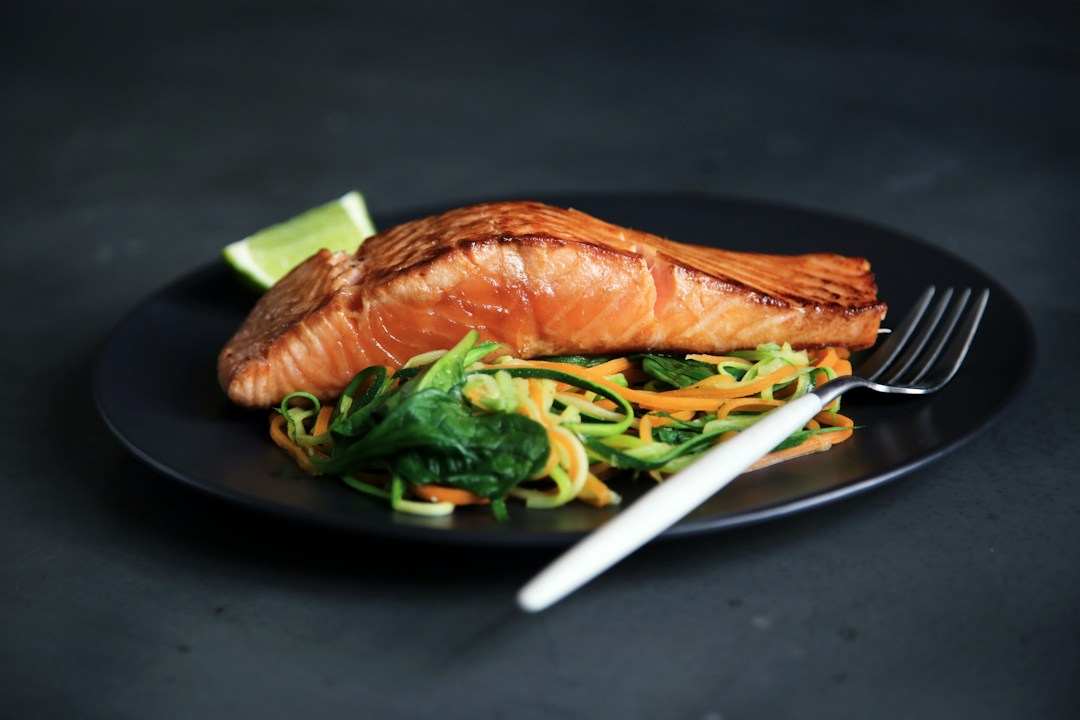
Four 6-ounce salmon fillets get a thin glaze of 2 tablespoons white miso, 1 tablespoon brown sugar, soy sauce and rice vinegar, then bake at 425°F for 10–15 minutes until the thickest part reaches 145°F. A quick English cucumber salad with rice vinegar, toasted sesame oil and sesame seeds goes alongside, with plain rice to catch the extra glaze. Serves 4.
Best method: spread the glaze thin, bake on a foil-lined sheet, and finish with a watched 1-minute broil only if the top is still pale.
| Prep | 15 min | Cook | 10–15 min |
|---|---|---|---|
| Total | About 30 min (rice extra) | Serves | 4 |
| Oven | 425°F | Done at | 145°F in the thickest part |
Miso glazed salmon with sesame cucumber is a 30-minute weeknight dinner: four 6-ounce fillets under a savory-sweet white miso glaze, roasted at 425°F, plated next to a cold, crunchy cucumber salad. The active work is about 15 minutes, and the salad gets made while the fish is in the oven.
This is a plated dinner, not a grain bowl. The fish stays whole, the cucumber stays crisp beside it, and a scoop of plain rice soaks up whatever glaze slides off. If you want the build-your-own bowl version with greens and lots of toppings, see our miso glazed salmon copycat bowl instead.
Equipment
- Rimmed baking sheet lined with foil, so sugary glaze drips don’t weld to the pan.
- Instant-read thermometer: the most reliable way to know the center is done, since the glaze browns before the fish is cooked.
- Small bowl and whisk or fork to smooth the miso glaze.
- Mixing bowl for the cucumber salad.
- Sharp knife or mandoline for thin, even cucumber slices.
- Wide spatula to lift fillets without breaking them.
Ingredients
| Ingredient | Amount | Why it matters / swaps |
|---|---|---|
| Salmon fillets | 4 × 6 oz (about 170 g each) | Pick pieces of similar thickness so they finish together. Skin-on holds the fillet together; skinless also works. |
| White miso | 2 tbsp | Main source of salt and savory depth. Usually milder than red or darker miso; brands vary. |
| Brown sugar | 1 tbsp | Helps the top color. Honey or maple syrup can stand in but brown faster. |
| Water | 1 tbsp | Loosens the miso so it spreads thin. |
| Low-sodium soy sauce | 1 tsp | Extra savoriness. Use tamari labeled gluten-free if needed. |
| Unseasoned rice vinegar | 1 tsp (glaze) + 2 tbsp (salad) | Brightens the glaze and dresses the cucumber. Seasoned rice vinegar adds sugar and salt; cut the salt if using it. |
| Neutral oil | 1 tsp | Greases the foil. |
| English cucumber | 1 large, thinly sliced | Thin skin and small seeds. With a field cucumber, scrape out large seeds. |
| Toasted sesame oil | 1 tsp | Strong aroma; a teaspoon is plenty. |
| Sesame seeds | 1 tsp | Small crunch. Leave out for sesame allergy. |
| Fine salt | ⅛ tsp | For the salad only; the glaze is already salty. |
| Cooked rice | 3 cups | For serving; cooked separately. |
Allergens: contains fish (salmon), soy (miso, soy sauce) and sesame (oil and seeds). Regular soy sauce and some miso varieties contain wheat or barley, so check labels for gluten-free needs. For sesame-free, skip the oil and seeds and add a pinch of sugar and a few drops of neutral oil to the salad instead.
Why it works: a thin glaze and two kinds of heat
Miso and sugar brown fast. A thick coating darkens long before the center of a 1-inch fillet reaches 145°F, and it tastes salty. Thinned with a tablespoon of water and spread in a layer you can almost see through, the glaze colors at about the same pace that the fish cooks.
A 425°F oven cooks the fish evenly from all sides. If the top is still pale when the center is nearly done, a short broil adds color in a minute or two. If it’s browning too early, a loose piece of foil protects the top while the center catches up.
The cucumber does the opposite job. Salt and vinegar pull water out of cucumber slices over time, so the salad is dressed close to serving. That keeps it crunchy and cold next to the warm, rich fish.
Step-by-step method
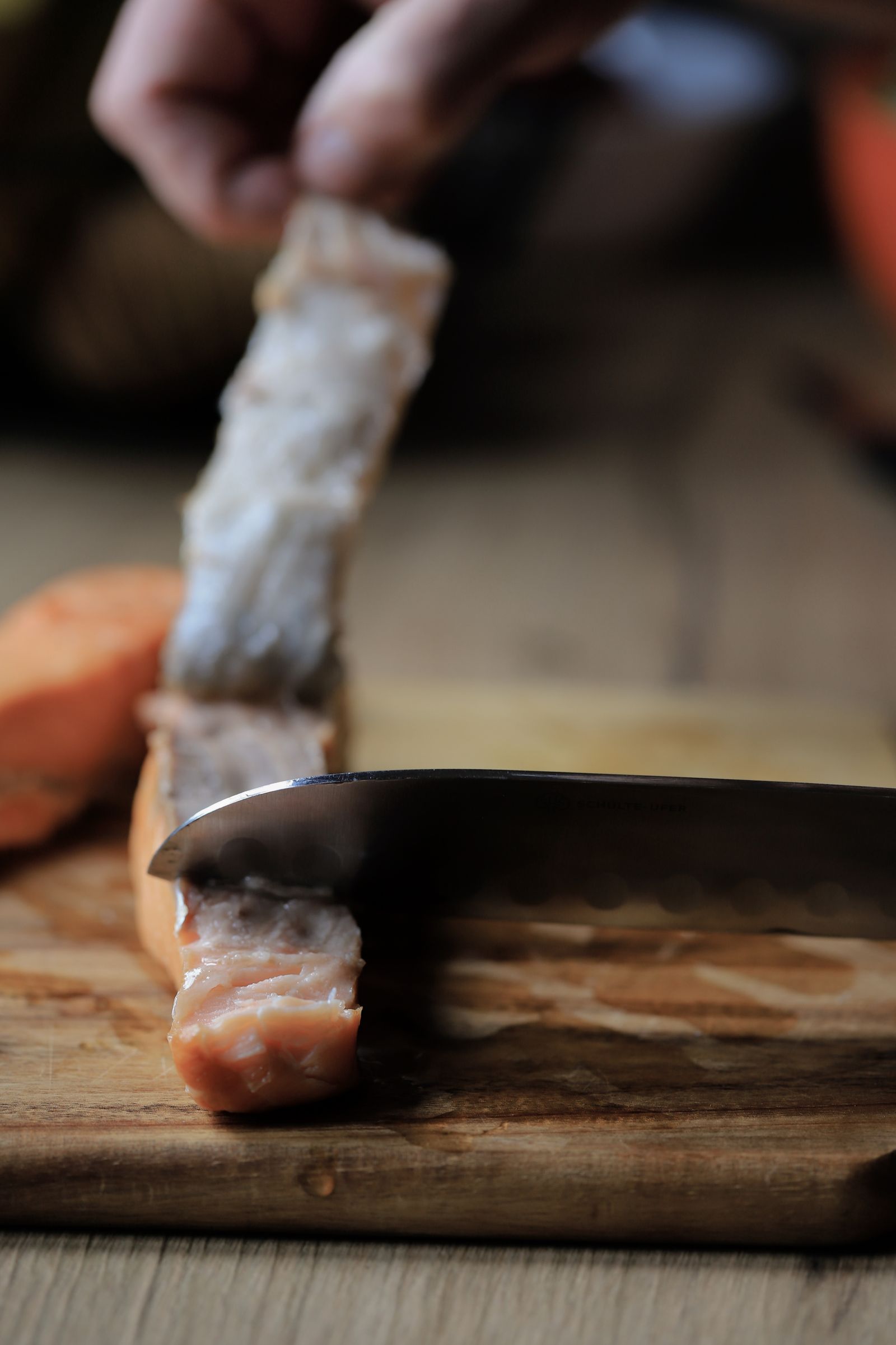
- Heat the oven and prep the pan (5 min). Heat the oven to 425°F with a rack in the center. Line a rimmed sheet with foil and rub on 1 teaspoon oil. Cue: the foil should look lightly shiny all over.
- Dry and arrange the salmon (2 min). Pat the fillets dry with paper towels and set them skin-side down with a couple of inches between them. Cue: the surface feels tacky, not wet, so the glaze will stick.
- Mix the glaze (2 min). Whisk the miso, brown sugar, water, soy sauce and 1 teaspoon rice vinegar. Cue: smooth and spreadable, no lumps of miso.
- Glaze thinly (2 min). Spread the glaze over the tops with a spoon or brush. Throw away any glaze that touched raw fish. Cue: you can still see the color of the salmon through the coating.
- Bake (10–15 min). Start checking at 10 minutes. Thin pieces may be done first; take them off early. Cue: the thickest part reads 145°F, the flesh is opaque and separates into flakes with gentle pressure. If the top darkens too soon, lay foil loosely over it.
- Optional broil (1–2 min). If the fish is done but the glaze is pale, broil on a broiler-safe pan and don’t walk away. Cue: a few deep amber spots, not black edges.
- Make the salad while the fish bakes (5 min). Toss the cucumber with 2 tablespoons rice vinegar, the sesame oil, sesame seeds and salt. Let it stand a few minutes. Cue: slices bend slightly but still snap. Pour off any liquid that pools at the bottom.
- Serve (2 min). Lift the fillets with a wide spatula and plate with rice. Spoon the cucumber next to the fish, not on top, so the dressing doesn’t wash off the glaze.
Timeline tip: start the rice first. The glaze can be mixed up to a day ahead and kept covered in the fridge, and the cucumber can be sliced a few hours ahead and kept separately from the dressing.
Food safety
- Cook fish to 145°F in the thickest part, per the FoodSafety.gov safe minimum internal temperature chart.
- Thaw frozen salmon in the refrigerator and follow the package directions about vacuum packaging. Pat dry before glazing.
- Don’t reuse glaze that touched raw fish as a sauce.
- Refrigerate leftovers within 2 hours (1 hour above 90°F), eat within 3–4 days, and reheat to 165°F, as the USDA FSIS leftovers guide recommends.
Troubleshooting
| Problem | Likely cause | Fix |
|---|---|---|
| Glaze burned before fish was done | Glaze too thick, or rack too close to the top element | Spread thinner, bake on the center rack, and tent with foil once the top is deep amber. |
| Glaze slid off into the pan | Fish was wet when glazed | Pat completely dry first; thicken the glaze slightly with less water. |
| Fish is dry | Overcooked, or a thin tail piece cooked alongside thick ones | Check from 10 minutes and pull each fillet as it reaches 145°F. |
| Fish tastes too salty | Stronger miso or regular soy sauce | Use white miso and low-sodium soy; serve with plain unsalted rice. |
| Cucumber salad is soggy and watery | Dressed too early | Toss within 10 minutes of serving and drain any pooled liquid. |
| Salmon sticks to the foil | Foil not oiled | Oil the foil, or slide the spatula between skin and flesh and leave the skin behind. |
| White goo on the surface | Albumin pushed out by high or uneven heat | It’s harmless. Even fillet thickness and not overcooking keep it to a minimum. |
What to serve with it
Plain steamed rice is the classic partner. Our guide to 10 types of rice and how to cook them right covers short-grain and jasmine. If you’re still learning when salmon is done, read how to know salmon doneness without drying it out. For another sesame-flavored salmon dinner, try the somen noodles with green beans and sesame salmon.
Make-ahead, storage and reheating
- Glaze: mix up to 1 day ahead, covered and refrigerated.
- Cooked salmon: refrigerate in a shallow covered container within 2 hours. Use within 3–4 days.
- Reheating: warm covered at 275°F in the oven, or covered in the microwave at medium power, until it reaches 165°F. It will be more well-done. Leftovers are also good cold, flaked over rice or greens (just keep them chilled).
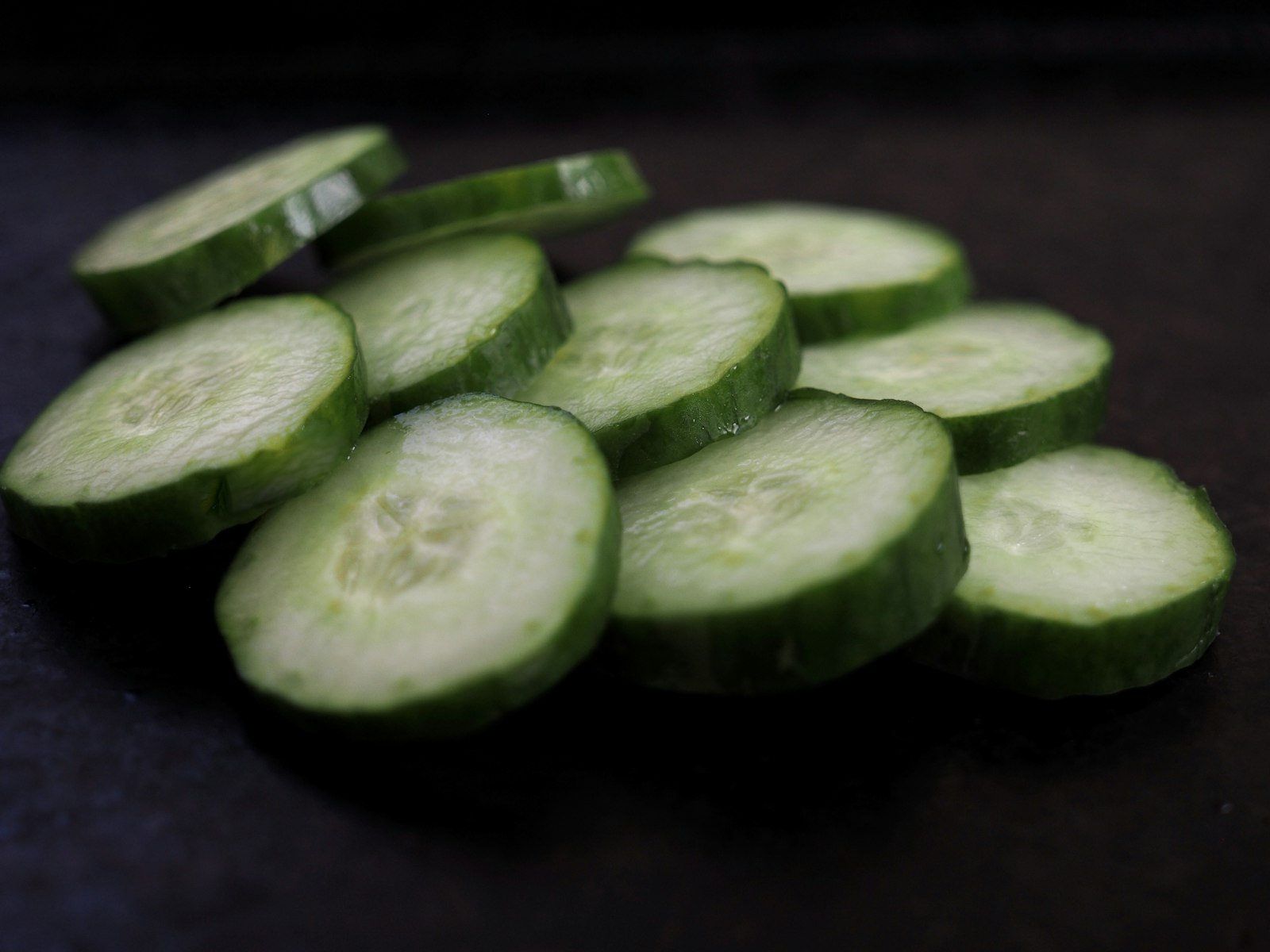
- Cucumber salad: best fresh. Store sliced cucumber and dressing separately and combine just before eating.
More detail is in the USDA guidance on leftovers.
Frequently asked questions
Can I use red miso instead of white?
Yes, but red miso is usually stronger and saltier. Start with about 1½ tablespoons, add a little extra water, and taste the glaze before it touches the raw fish.
Can I cook miso salmon in an air fryer?
Yes, but the circulating heat browns sugar quickly. Use an appliance-safe liner, start checking well before the oven time, and confirm 145°F. Don’t copy the oven timing directly.
Why did my miso glaze burn?
Usually it was too thick or too close to the heat. Use a thin layer, the center rack, and foil if the top darkens before the center is cooked.
Should I eat the salmon skin?
That’s up to you. In this oven method the skin softens rather than crisps, so many people slide the fillet off it. It still helps hold the fish together while baking.
Can I use frozen salmon?
Yes. Thaw it overnight in the refrigerator, pat it very dry, then glaze and bake as written. Excess moisture makes the glaze run.
Is miso glazed salmon gluten-free?
Only if you choose ingredients labeled gluten-free. Regular soy sauce contains wheat, and some miso is made with barley. Use gluten-free tamari and a miso labeled gluten-free.
Can I make the cucumber salad ahead?
Slice the cucumber and mix the dressing separately, refrigerate both, and toss just before serving. Fully dressed salad gets watery within an hour or so.
How do I know salmon is done without a thermometer?
The thickest part turns opaque and separates into flakes with gentle pressure from a fork. A thermometer is still more reliable, especially with a dark glaze on top.
Recommended tools
- Instant-read thermometer: the best way to hit 145°F under a dark glaze.
- Rimmed half-sheet pan: catches drips and fits four fillets with room to spare.
- Handheld mandoline slicer: even cucumber slices in a minute. Use the hand guard.
- Slotted fish spatula: lifts glazed fillets in one piece.
As an Amazon Associate I earn from qualifying purchases.
The takeaway
Keep the glaze thin, check the thickest fillet for 145°F, and dress the cucumber at the last minute. That gives you a warm, glossy fillet next to a cold, crunchy salad in about half an hour.
Miso Glazed Salmon with Sesame Cucumber
Yield: 4 servings · Prep: 15 min · Cook: 10–15 min · Total: about 30 min (rice extra) · Oven: 425°F
Equipment
Rimmed baking sheet, foil, small bowl, mixing bowl, instant-read thermometer, wide spatula
Ingredients
- 4 salmon fillets, 6 oz each, similar thickness
- 2 tbsp white miso
- 1 tbsp brown sugar
- 1 tbsp water
- 1 tsp low-sodium soy sauce
- 1 tsp unseasoned rice vinegar (glaze)
- 1 tsp neutral oil (pan)
- 1 large English cucumber, thinly sliced
- 2 tbsp unseasoned rice vinegar (salad)
- 1 tsp toasted sesame oil
- 1 tsp sesame seeds
- ⅛ tsp fine salt
- 3 cups cooked rice, for serving
Instructions
- Heat oven to 425°F. Line a rimmed baking sheet with foil and oil it lightly. Pat salmon dry and arrange skin-side down with space between fillets.
- Whisk miso, brown sugar, water, soy sauce and 1 tsp rice vinegar until smooth. Spread a thin, even layer over the tops of the salmon. Discard leftover glaze.
- Bake 10–15 minutes, until the thickest part reaches 145°F. Tent with foil if the glaze darkens too quickly; if it is pale when the fish is nearly done, broil 1–2 minutes while watching closely.
- While salmon bakes, toss cucumber with 2 tbsp rice vinegar, sesame oil, sesame seeds and salt. Let stand a few minutes, then drain excess liquid.
- Serve salmon with rice and cucumber salad on the side.
Notes
White miso is milder than darker varieties, but brands vary. No extra salt goes on the fish. Contains fish, soy and sesame; check soy sauce and miso labels for wheat or barley. Refrigerate leftovers within 2 hours and reheat to 165°F.




