
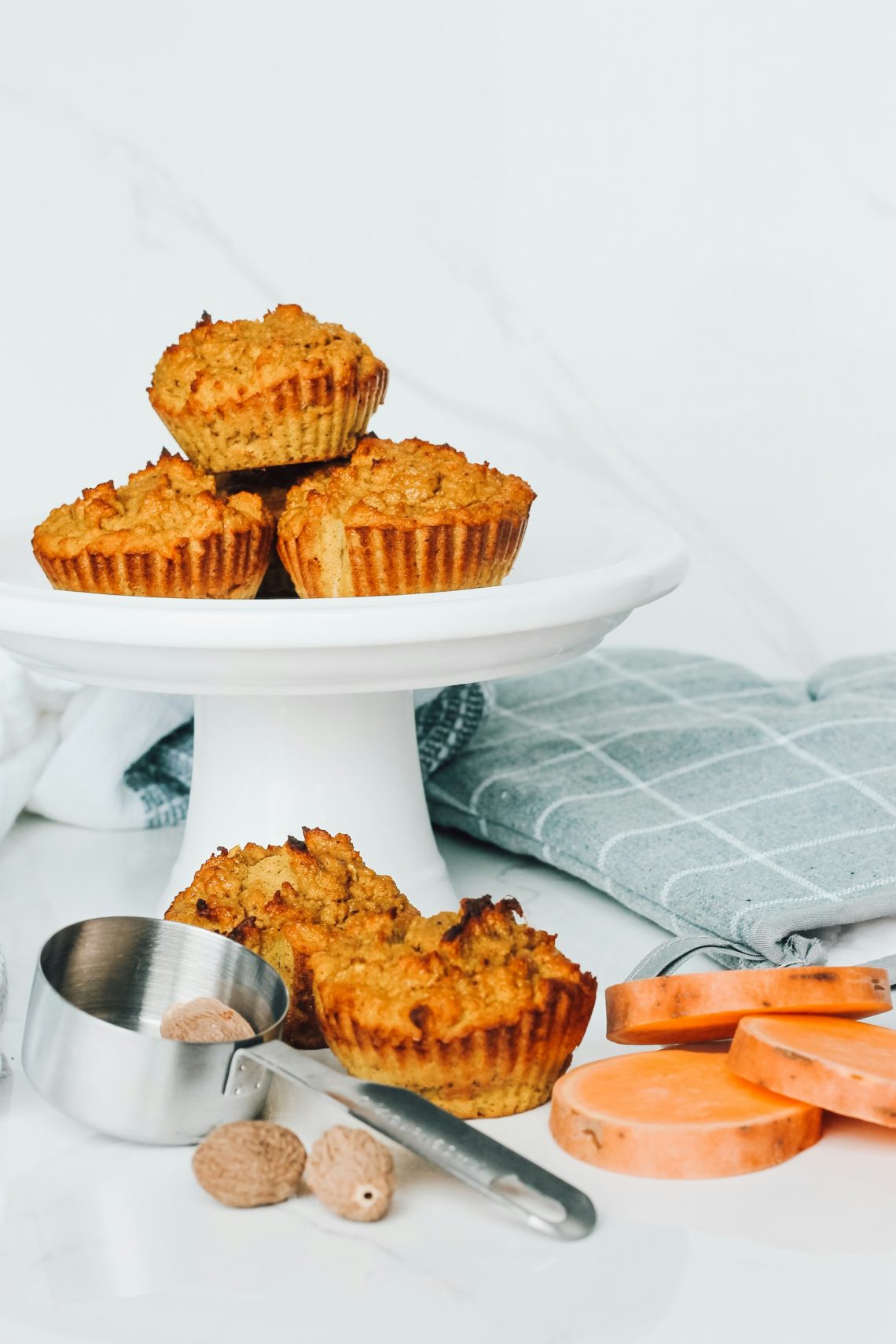
Morning glory oat muffins with carrot and raisins are tender, lightly sweet muffins studded with finely grated carrot, plump raisins, and warm cinnamon. Rolled oats in the batter give the crumb a little chew and body, and oil keeps the muffins soft for days. This batch makes 12, so there are plenty for the week.
It is a simple one-bowl-and-a-whisk style recipe: mix dry, mix wet, fold together gently, and bake. The tips below help you get an even rise and a moist, never tough, crumb.
Affiliate disclosure: As an Amazon Associate I earn from qualifying purchases. Tool links are marked as paid links.
Why oil and oats make a good muffin
Oil stays liquid at room temperature, which keeps a muffin crumb soft and moist long after baking, unlike butter, which firms as it cools. A neutral oil also lets the carrot and cinnamon flavors come through. The 1/2 cup (50 g) of old-fashioned rolled oats adds structure without making the batter heavy, so these muffins taste like a wholesome treat rather than a dense breakfast bar.
Morning Glory Oat Muffins with Carrot and Raisins
Twelve tender oat muffins with finely grated carrot, raisins, and cinnamon.
Equipment
Standard 12-cup muffin pan, paper liners, two mixing bowls, whisk, spatula, box grater, wire rack
Ingredients
- 1 1/2 cups (180 g) all-purpose flour
- 1/2 cup (50 g) old-fashioned rolled oats
- 1/2 cup granulated sugar
- 2 teaspoons baking powder
- 1/2 teaspoon fine salt
- 2 large eggs
- 3/4 cup milk
- 1/3 cup neutral oil
- 1 cup finely grated carrot
- 1/3 cup raisins
- 1 teaspoon ground cinnamon
Instructions
- Heat the oven to 375°F. Line a standard 12-cup muffin pan with paper liners, or grease every well thoroughly.
- Whisk the flour, oats, sugar, baking powder, and salt in a large bowl. In a second bowl, whisk the eggs, milk, and oil until evenly combined.
- Pour the wet ingredients into the dry ingredients and fold with a spatula until mostly combined. Add the carrot, raisins, and cinnamon. Fold only until no dry pockets remain; do not beat the batter smooth.
- Divide the batter among the 12 wells, filling each about three-quarters full.
- Bake 18 to 24 minutes, rotating once if your oven browns unevenly, until the tops spring back lightly and a skewer in the center of a muffin comes out without raw batter.
- Cool in the pan for 5 minutes, then transfer to a wire rack. Serve warm or at room temperature.
Notes
Finely grate the carrots and separate any clumped raisins so the crumb is not stringy. Refrigerate cooled muffins in a covered container and use within 3 to 4 days, or freeze individually for up to a month for best quality.
familyrecipehq.com
Prepare the carrots
Use the fine holes of a box grater to grate the carrot, and measure it loosely packed to reach 1 cup. Fine shreds disappear into the crumb and moisten it, while large strands can leave a stringy texture. Peel the carrot first, since the skin can taste a bit bitter in baked goods. If the grated carrot looks wet, a quick pat with a paper towel keeps the batter from becoming too loose.
Raisins can clump in the bag. Separate them with your fingers before folding them in so each muffin gets an even share. If they are very dry and hard, soak them in hot water for 10 minutes, drain, and pat dry; plump raisins bake up juicier. Chopped dates or dried cranberries make good swaps.
Mixing without toughening
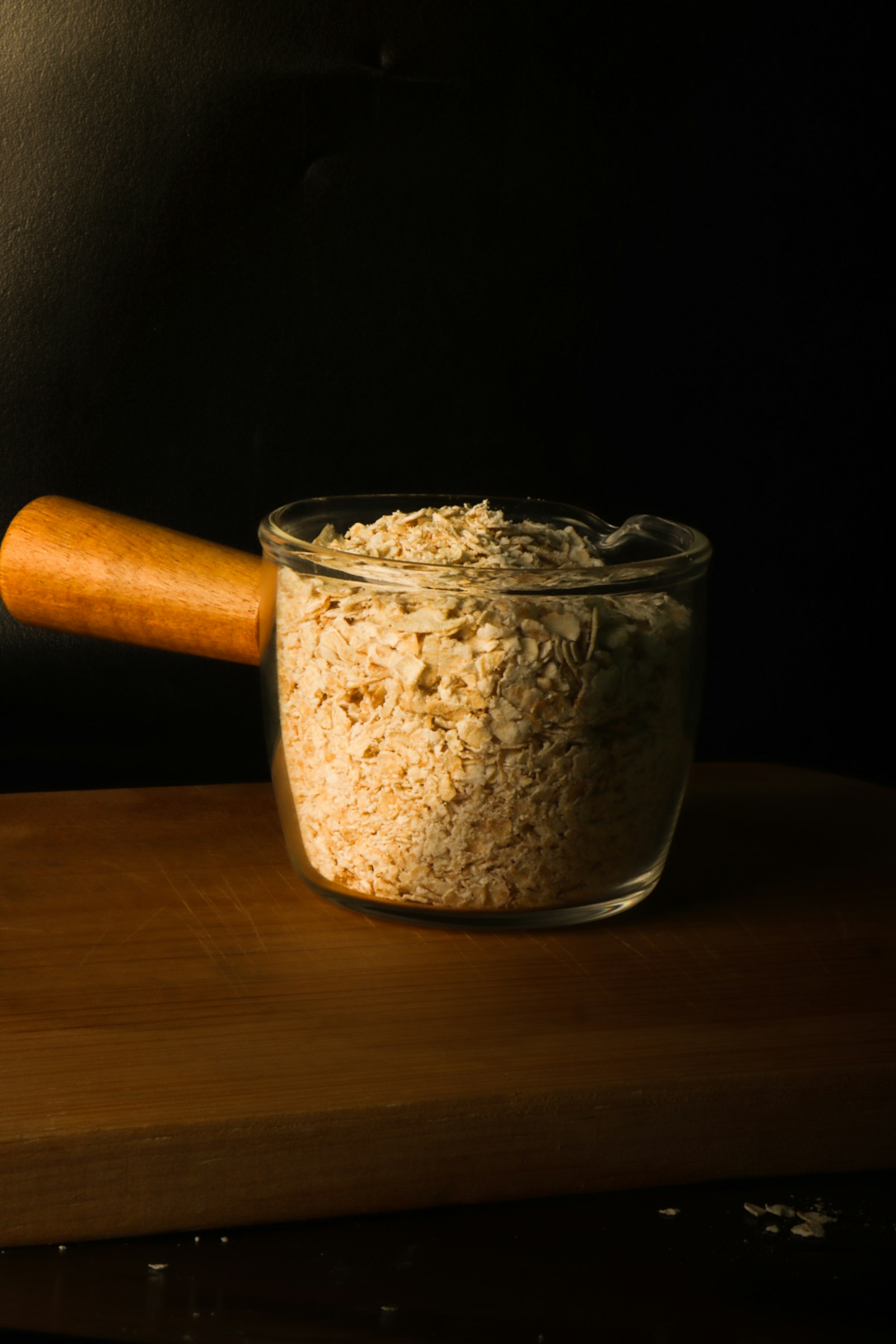
Measure the flour by weight if you can: 180 grams is more reliable than scooping, which can pack in extra flour and produce dry muffins. Whisk the dry ingredients so the baking powder is evenly distributed. In the second bowl, whisk the eggs, milk, and oil until smooth, scraping the sides so no streaks of egg remain.
Pour the wet mixture into the dry and fold with a spatula, reaching underneath, until the dry flour just disappears. A few small lumps are fine. Overmixing develops gluten, which leads to tough muffins with long tunnels. Fold in the carrot, raisins, and cinnamon with as few strokes as possible. Use old-fashioned rolled oats, not instant or steel-cut, which absorb moisture differently.
Fill to three-quarters: each well should be about three-quarters full for a gently domed top. Keep the pan level in the oven, use the center rack, and rotate once if your oven runs hot in one corner.
Baking, testing, and cooling
Bake at 375°F for 18 to 24 minutes. Start checking at 18; the tops should spring back lightly when pressed, and a skewer in the center of a muffin should come out clean or with a few moist crumbs, not wet batter. A smudge from a raisin or carrot is not a sign of raw batter. If the tops darken before the centers are done, the oven is too hot or the wells were overfilled; tent with foil and check your oven with a thermometer next time.
Cool the muffins in the pan for 5 minutes so they set, then move them to a wire rack. Do not seal them in a container while they are still steaming, or the tops get sticky.
Storage, serving, and swaps
Cool the muffins completely, then refrigerate in a covered container and use within 3 to 4 days. To freeze, wrap the cooled muffins individually, package them together once firm, and eat within about a month for best quality. Thaw in the refrigerator or warm a single muffin briefly in the oven or microwave. Serve with yogurt, a piece of fruit, or a glass of milk.
You can swap up to a quarter of the flour for whole-wheat flour for a heartier muffin; expect a slightly denser crumb. Do not replace all of the all-purpose flour with coconut or almond flour in the same amount, as those flours behave very differently.
Frequently asked questions
Why are my muffins tough or tunneled?
That is usually overmixing. Fold only until the dry flour disappears and stop, even if a few lumps remain.
Can I use quick oats instead of old-fashioned?
Quick oats are finer and absorb more liquid, so the muffins may be a bit denser. Old-fashioned rolled oats are the best match for this recipe.
Can I make these without liners?
Yes, but grease every well thoroughly, including the top of the pan, so the muffins release cleanly.
Can I add nuts?
Yes. A few tablespoons of chopped walnuts or pecans can be folded in with the raisins. Check that everyone eating them is fine with nuts.
Can I freeze the muffins?
Yes. Cool them completely, freeze them individually, then package together once firm. Thaw in the refrigerator or warm a single muffin briefly.
Can I use a dairy-free milk?
Unsweetened soy or oat milk can replace the milk at the same amount. The flavor will be slightly different but the structure comes from the flour, eggs, and baking powder.
Helpful tools for this recipe
A 12-cup muffin pan (paid link) is the main piece of equipment, and a digital kitchen scale (paid link) makes measuring the flour by weight easy.
More recipes for your table
If you like muffins for breakfast, try Banana Walnut Breakfast Muffins or Blueberry Lemon Oat Muffins. For a savory take, see Small-Batch Carrot Cheddar Oat Muffins.




