
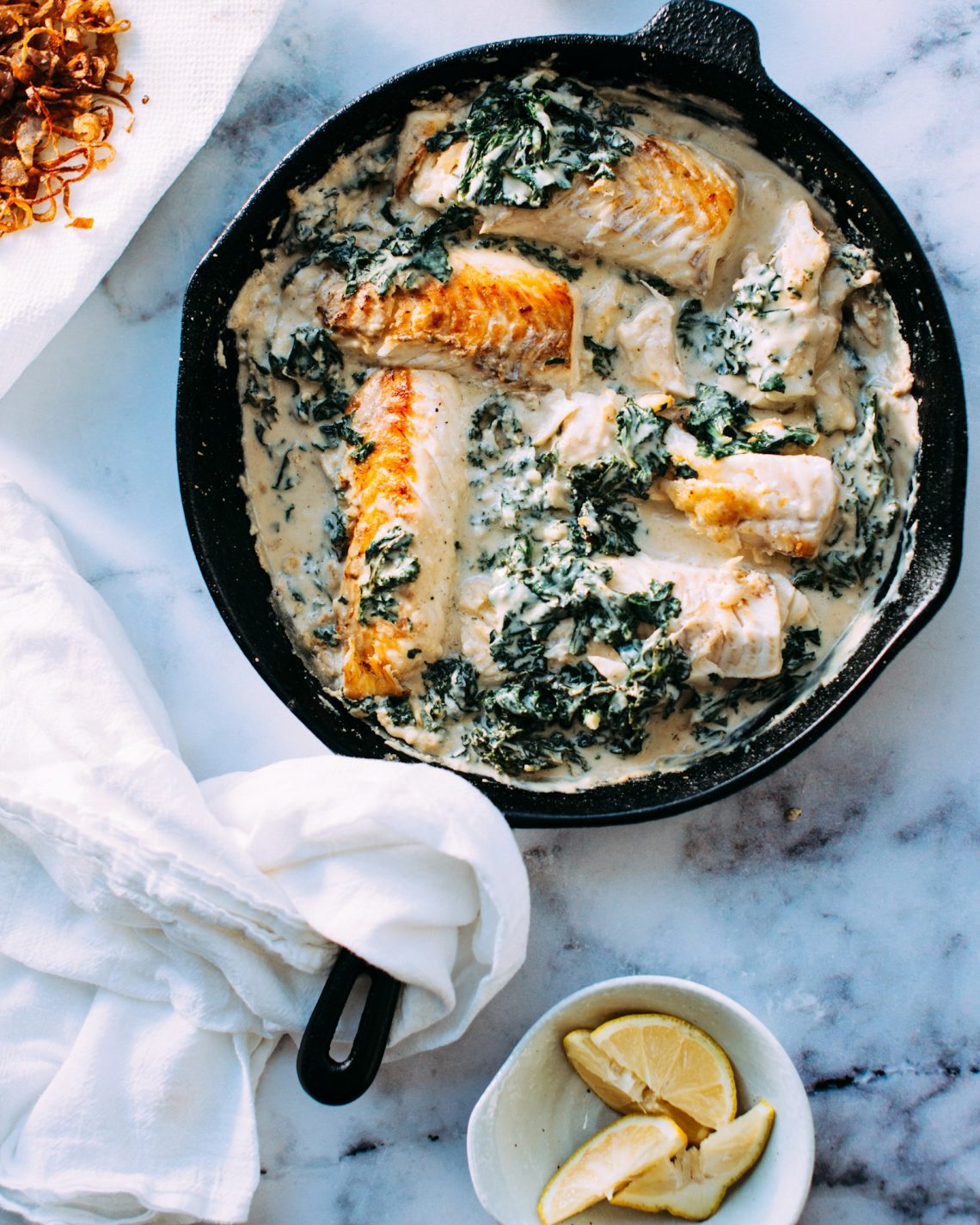
Salmon corn chowder with dill turns two pantry staples, canned salmon and corn, into a gently creamy supper that is ready in about 55 minutes. Sweet corn kernels simmer with onion, garlic and dried dill in vegetable broth, then flaked canned salmon and a little milk finish the pot. It is a light, brothy chowder with big flavor from the dill, and it works with fresh or thawed corn.
This recipe leans on a couple of simple habits: build flavor in the vegetables first, treat the already-cooked salmon gently, and keep the pot from boiling once the milk goes in. Follow those and you will get a chowder with clean flavor and large, tender flakes of fish instead of a mushy, overcooked soup.
The one thing to remember: Canned salmon is already cooked. Fold it in gently near the end so it stays in flakes, and keep the soup below a boil after the milk goes in.
Why salmon, corn and dill belong together
Salmon is rich and slightly sweet, corn is sweet and a little starchy, and dill brings a grassy, bright, almost citrusy note that cuts right through both. Together with a splash of milk, they make a chowder that feels comforting without being heavy. Onion and garlic supply the savory base, and the corn itself helps thicken the broth a little as it simmers.
Ingredient notes and swaps
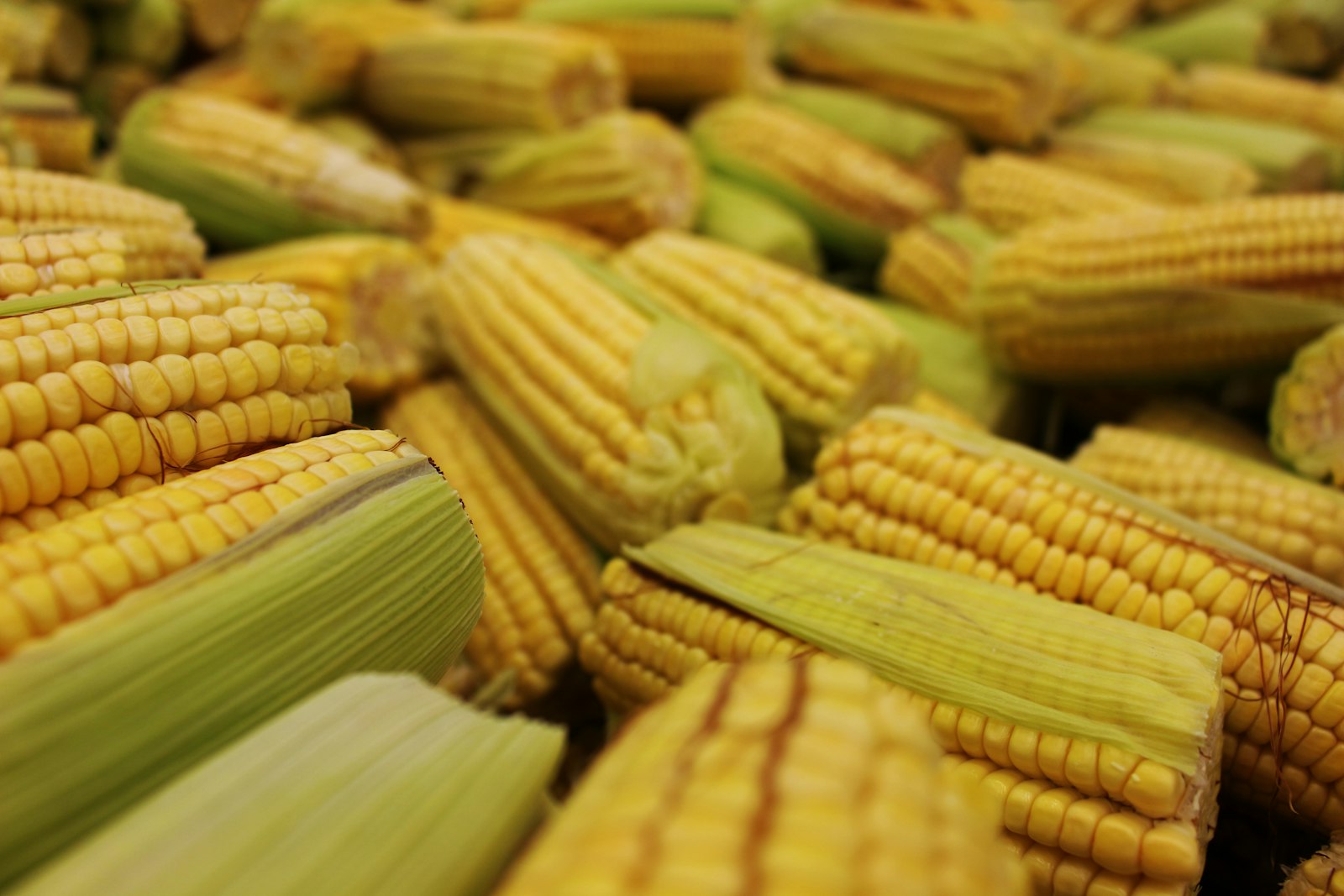
Corn. Two cups of kernels, fresh or thawed, is the amount. If you are using fresh ears, stand the cob upright on a cutting board and slice downward to remove the kernels, which takes the kernels from about three medium ears. Frozen corn works very well; thaw it first and drain any excess water so it does not dilute the broth. Canned corn also works if it is drained and rinsed.
Canned salmon. Two 6-ounce cans, drained and flaked. Canned salmon often contains small, soft bones and sometimes skin. Both are edible and some cooks mash the bones into the fish, while others pick them out. Check the salmon as you flake it and remove whatever you prefer to leave out. Pouches of cooked salmon work the same way, and leftover cooked salmon can stand in, as long as it has been stored safely.
Dill and milk. One teaspoon of dried dill is used here; fresh dill is more delicate, so use about a tablespoon, chopped, and add it at the end rather than at the start. Three-quarters of a cup of milk gives a light creaminess. For a richer chowder, you can use half-and-half instead. Unsweetened plant-based milks work, but taste and texture will differ.
Broth and extras. Low-sodium vegetable broth lets you control the salt. Diced celery or carrots can join the onion if you like, and a few diced potatoes make the chowder heartier, though they would add cooking time and change the recipe.
Step-by-step tips
Soften the onion in olive oil with half the salt over medium heat for 5 to 6 minutes. You want it translucent, not browned, so the chowder stays pale and sweet. Add the garlic for the last 30 seconds. Then stir in the corn and dill for a minute so the kernels are coated, pour in the broth, and scrape the bottom of the pot to release any light browned bits.
Bring to a simmer, reduce the heat so the bubbles are small and steady, and partially cover. Simmer for 15 to 20 minutes, stirring occasionally, until the corn is tender and sweet. If the liquid evaporates too much, add water a quarter cup at a time. For a thicker broth, you can mash a few kernels against the side of the pot, or blend a cup of the soup and stir it back in.
Add the salmon and simmer just 5 to 8 minutes, until it is thoroughly hot. Fold the fish in gently so you keep large flakes. Finally, lower the heat, stir in the milk with the remaining salt and the pepper, and warm it through without boiling. A hard boil can make the milk separate and toughen the fish. Taste a cooled spoonful, adjust the salt gradually, and serve.
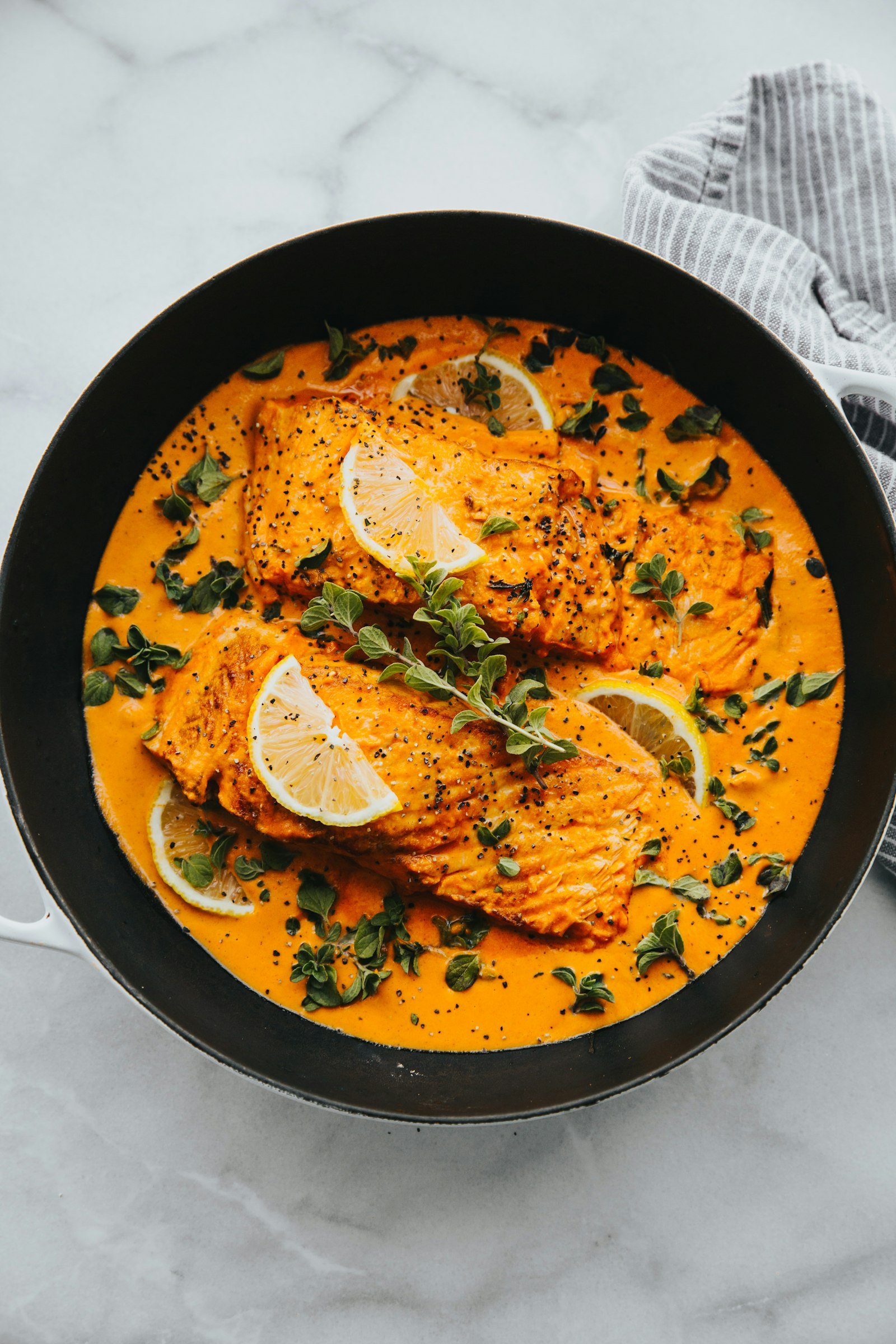
Salmon Corn Chowder with Dill
A light, creamy chowder of sweet corn, onion and dill, finished with flaked canned salmon and milk.
Equipment
4-quart pot, wooden spoon, ladle, cutting board and knife
Ingredients
- 2 tablespoons olive oil
- 1 medium onion, finely diced
- 2 garlic cloves, minced
- 2 cups corn kernels, fresh or thawed
- 2 cans (6 ounces each) canned salmon, drained and flaked
- 4 cups low-sodium vegetable broth
- 1 teaspoon dried dill
- 3/4 cup milk
- 1/2 teaspoon fine salt, plus more to taste
- 1/4 teaspoon black pepper
- Water as needed, added 1/4 cup at a time
Instructions
- Drain and flake the salmon, removing any skin or bones you prefer to leave out. Have the corn ready.
- Heat the olive oil in a 4-quart pot over medium heat. Add the onion and half the salt. Cook 5 to 6 minutes, stirring occasionally, until softened but not heavily browned. Add the garlic and stir for 30 seconds.
- Add the corn and dill. Stir for 1 minute, then pour in the broth and scrape up any light browned bits. Bring to a simmer, then reduce the heat so the bubbles are small and steady.
- Partially cover and simmer 15 to 20 minutes, stirring occasionally, until the corn is tender. Add water 1/4 cup at a time if the liquid runs low.
- Add the salmon and simmer 5 to 8 minutes, until thoroughly hot, folding gently to keep the flakes.
- Lower the heat and stir in the milk, remaining salt and pepper. Do not boil. Taste a cooled spoonful, adjust the salt gradually, and divide among four bowls.
Notes
Canned salmon is already cooked, so it only needs to be heated through. Refrigerate leftovers within 2 hours and use within 3 to 4 days; reheat gently to 165°F.
familyrecipehq.com
Tips, troubleshooting and storage
The fish tastes too strong. A squeeze of lemon juice off the heat, a little extra dill, or a splash more milk can soften it. Draining the canned salmon well also helps.
The soup is too thin. Mash some corn against the pot or blend a cup of soup and stir it back in. Avoid boiling hard to reduce it once the milk is in.
The milk separated. The pot was likely too hot or too acidic when the milk went in. Stir the soup well off the heat and reheat very gently next time.
Serving ideas. Oyster crackers, buttered toast or a slice of rye bread are all good companions, and a sprinkle of fresh dill or black pepper at the table brightens each bowl. A simple cucumber or green salad on the side balances the creaminess.
Make-ahead and storage. Refrigerate leftovers promptly in shallow containers, within 2 hours of cooking or within 1 hour if the room is above 90°F. Keep them at 40°F or below and eat them within 3 to 4 days. Reheat gently to a steaming 165°F, stirring, and add a splash of water if needed. Freezing is possible but dairy-based soups may separate when thawed, so refrigerating is the better option.
Frequently asked questions
Can I use fresh or leftover cooked salmon?
Yes. Flake about 12 ounces of cooked salmon (roughly the amount in two cans) and add it at the same stage. If it is leftover, make sure it has been stored in the refrigerator and is heated until hot throughout.
Should I remove the bones in canned salmon?
That is a matter of preference. The bones in canned salmon are soft and edible, but some people find them unpleasant and prefer to pick them out. Skin can be removed too.
Can I use frozen corn?
Frozen corn works well. Thaw it first, drain off extra liquid, and use the same 2 cups. It may need a little less simmering time because it is often partly cooked.
Is this chowder thick?
It is a brothy chowder, lighter than cream-based versions. For a thicker texture, blend a cup of the soup or mash some corn kernels and stir them back in.
Can I make it without dairy?
You can replace the milk with an unsweetened plant-based milk. The chowder will taste a little different and may be slightly thinner, so add it gradually and keep the heat low.
How do I reheat leftovers without drying the salmon?
Reheat over low heat or in short microwave bursts, stirring between each, until the soup reaches 165°F. Add a splash of water or milk as needed. Gentle heat keeps the salmon in tender flakes.
Helpful tools for this recipe
A corn kernel stripper (paid link) makes quick work of fresh ears, and a 4-quart saucepan with a lid (paid link) is the right size for this chowder.
As an Amazon Associate I earn from qualifying purchases.
More recipes for your table
For more pantry fish ideas, try Tuna Couscous with Frozen Peas, Lemon, and Dill, Pollock with Potatoes and Leeks in a Light Broth, or Elbow Macaroni With Canned Mackerel and Tomato Sauce.
Salmon corn chowder with dill is quick, flexible and kind to a pantry. Cook the corn until tender, fold in the salmon gently, and keep the pot below a boil once the milk goes in.




