Pantry recipe / A four-wedge skillet bread
When dinner needs a little bread but not a full baking pan, this small batch skillet cornbread without eggs offers a four-wedge starting point. Yellow cornmeal supplies its familiar flavor, while flour and hydrated ground flaxseed provide structure. The recipe is intended for a 6-inch skillet; its texture and baking time still need kitchen verification.
The tablespoon of sugar keeps the recipe lightly sweet rather than dessert-like. Serve the wedges warm with butter, spoon chili over a piece, or use them to soak up broth at the bottom of your soup bowl. You do not need an electric mixer: two bowls, a whisk, and a spoon are enough.
Recipe status: This recipe still needs a kitchen test to confirm its texture and baking time.
The recipe is written for a 6-inch oven-safe skillet. Pan size matters: spreading this amount in a 10-inch pan makes a much thinner bread that will need a different baking time. All times below are estimates pending a physical kitchen test; use the doneness cues as well as the clock.
Small batch skillet cornbread without eggs: recipe
- Yield: one 6-inch cornbread, cut into 4 side-dish wedges
- Estimated preparation: 10 minutes
- Estimated baking: 18–24 minutes
- Rest before slicing: 10 minutes
- Estimated total time: 38–44 minutes, including resting; oven preheating may add time
- Equipment: 6-inch oven-safe skillet, two bowls, whisk, spoon, oven mitts
Ingredients
- 1 tablespoon (7 g) finely ground flaxseed
- 3 tablespoons (45 ml) water
- 1/2 cup (60 g) all-purpose flour, spooned into the cup and leveled
- 1/2 cup (70 g) fine or medium yellow cornmeal, not self-rising mix
- 1 tablespoon (12 g) granulated sugar
- 1 teaspoon baking powder
- 1/4 teaspoon fine salt
- 1/2 cup (120 ml) milk
- 2 tablespoons (30 ml) neutral oil, plus 1 teaspoon for greasing the skillet
Cornmeal weights vary by grind and brand. Use the stated weight for this draft and record your brand when testing. Coarse grits and masa harina are different ingredients and should not be substituted directly.
Method
- Prepare the flax mixture. Stir the ground flaxseed and water in a small bowl. Leave for 5–10 minutes until slightly thickened. Use ground flaxseed; whole seeds do not make the same mixture.
- Heat the oven. Set the oven to 400°F with a rack in the middle. Grease the bottom and sides of a room-temperature 6-inch oven-safe skillet with the extra teaspoon of oil. Check the manufacturer’s heat limit, including the handle. Do not preheat the empty skillet for this method.
- Combine the dry ingredients. Whisk flour, cornmeal, sugar, baking powder, and salt in a bowl, breaking up any lumps of baking powder.
- Mix the batter. Stir milk and the 2 tablespoons oil into the flax mixture. Pour into the dry ingredients and fold just until no dry flour remains. The batter should be thick but pourable. Avoid beating it smooth; a few small lumps are fine.
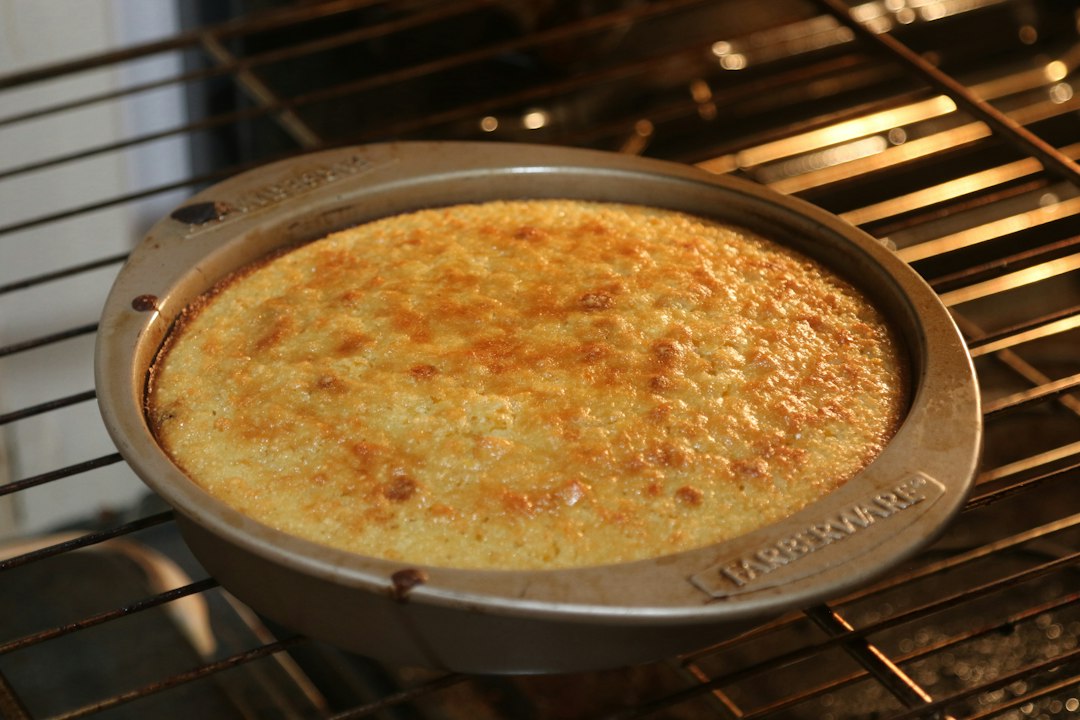
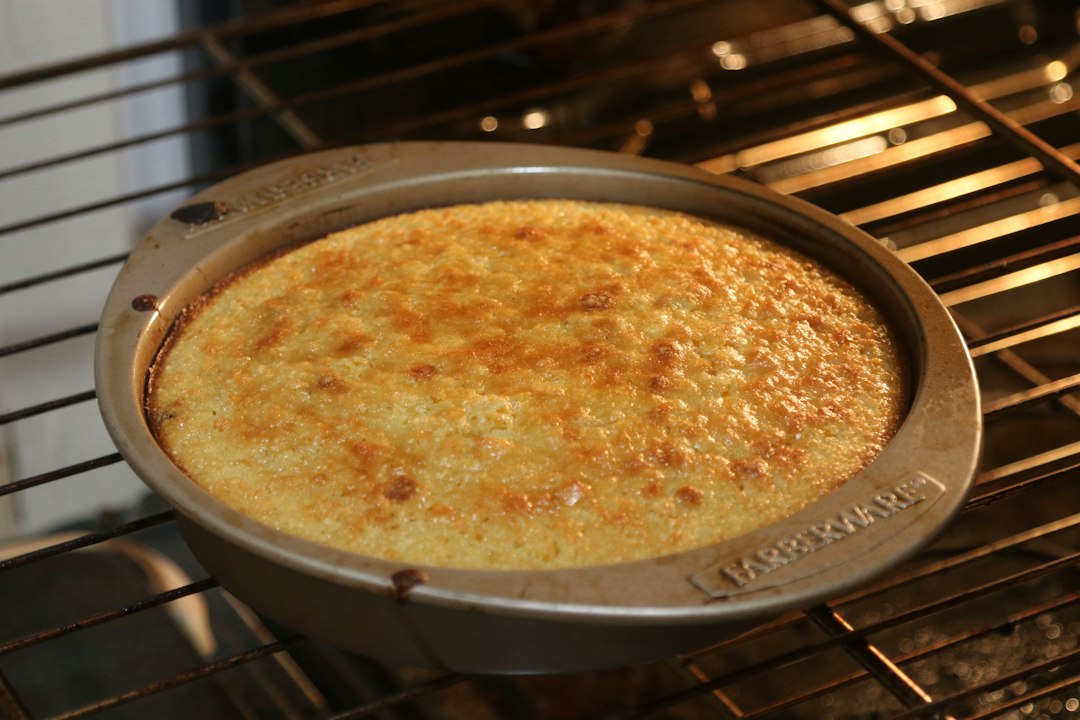
- Bake. Scrape into the prepared skillet and level the surface. Bake for an estimated 18–24 minutes. The edges should look set and lightly golden, the center should spring back gently, and a toothpick inserted in the center should come out without wet batter. Moist crumbs are acceptable. If the center is wet, bake another 2–3 minutes and check again.
- Rest and cut. Place the skillet on a heatproof surface using oven mitts. Leave the bread for 10 minutes before loosening the edges and cutting four wedges. Keep a mitt over the handle as a reminder that it remains hot.
Do not taste raw batter, even without eggs: flour is a raw food. See the FDA flour-safety guidance.
How to get the batter and skillet right
Choose plain cornmeal. Fine or medium yellow cornmeal is the intended ingredient. Fine cornmeal makes a less gritty batter; medium cornmeal gives more noticeable texture. Cornbread mix may already contain flour, salt, sugar, and leavening, so it cannot replace the cornmeal measure in this recipe. Masa harina and coarse grits also behave differently.
Measure the flour gently. Fluff the flour, spoon it into your measuring cup, and level the top with a straight edge. Scooping directly from the bag can pack in extra flour, making a small batch noticeably drier. A kitchen scale is useful here because a small measuring error represents a larger share of a small recipe.
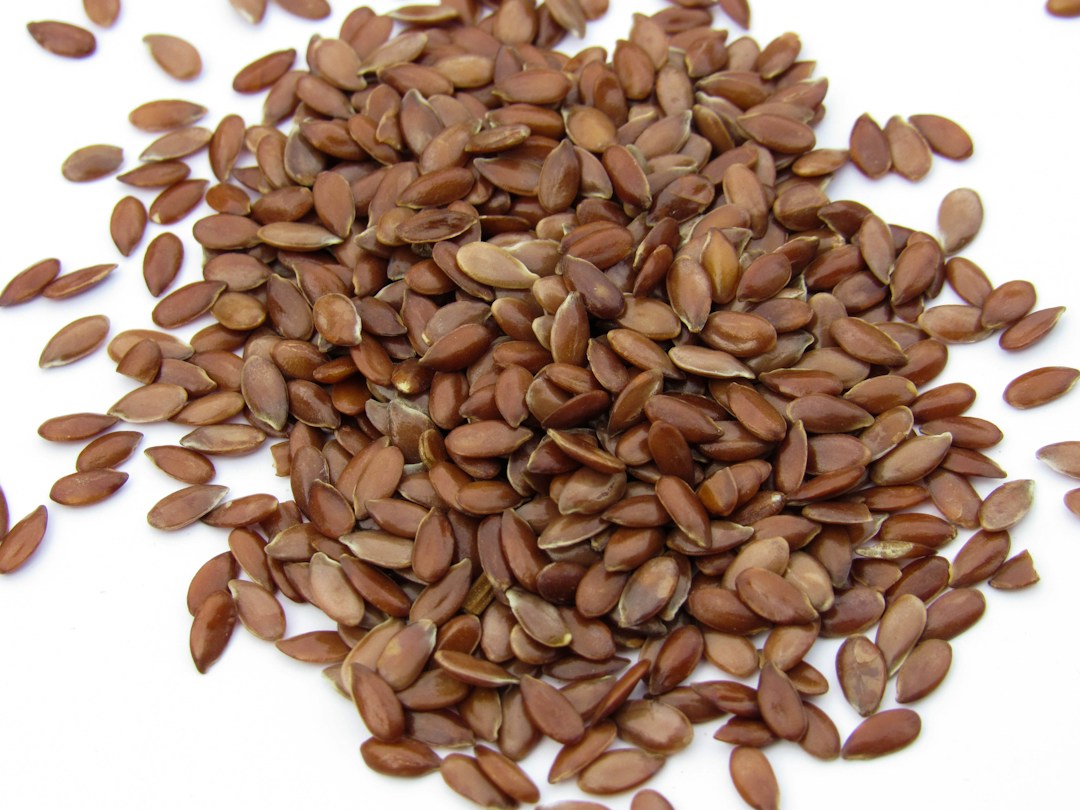
Give the flax time to hydrate. Stir it with the measured water before you start mixing the other ingredients. The mixture should look thicker after its rest, with the ground seeds suspended in the water. Whole flaxseed is not interchangeable: grind it finely first or buy ground flaxseed.
Fold rather than beat. Once the wet ingredients meet the flour, use a spoon or flexible spatula to scrape along the bottom and fold the mixture over itself. Stop when dry pockets disappear. Small lumps are fine. The batter should spread with a little help from the spatula; do not keep adding flour to make it look perfectly smooth.
Why the 6-inch skillet matters
This amount of batter is intended for a 6-inch oven-safe skillet. In an 8- or 10-inch skillet, the same batter spreads into a shallower layer. That changes both the texture and baking time, so the stated baking range should not be treated as reliable for those pans. A smaller, deeper pan can leave the center underdone while the edges are already browned.
This method starts with a greased, room-temperature skillet. Some traditional cornbread recipes call for pouring batter into hot cast iron, but that is a different method. Follow the pan preparation below rather than combining the two approaches. Cast iron, stainless steel, and other oven-safe pans transfer heat differently, so watch the bread as well as the timer.
Check the skillet manufacturer’s oven-temperature limit, including any handle coating. Set the finished skillet on a trivet and keep its handle covered with a mitt while serving; it can remain hot long after the bread comes out of the oven.
What the flaxseed does
Hydrated ground flaxseed helps bind the batter, while flour provides additional structure. It adds a faint nutty taste and small brown flecks. It does not reproduce every effect of an egg, so allow the bread to settle before slicing. King Arthur Baking’s egg-free baking guide discusses flax mixtures as one option; substitutes need to suit the individual recipe.
What to watch for when baking
For a small batch, texture depends on a few details more than on complicated equipment. Use the following checks to distinguish a bread that needs more oven time from one that simply needs to cool before slicing.
| What you notice | What to check | What to do |
|---|---|---|
| Golden edges with a wet center | The middle may be underbaked even when the rim looks ready. | Continue baking in 2–3 minute intervals. Cover loosely with foil if the top is browning too quickly. |
| Wedges break when lifted | The bread may still be too hot, or the flax mixture may not have hydrated. | Give it the full rest, loosen the edges, and support each wedge with a spatula. |
| The bread feels dry | Check flour measurement, pan width, and time in the oven. | For the next batch, weigh the flour and begin checking at the shorter baking estimate. |
| The crumb is heavy or tough | Check for overmixing, old baking powder, or an underdone center. | Fold only until combined, use fresh leavening, and check the center with a toothpick. |
- Sticking: grease the sidewalls as well as the base. Let the bread rest and loosen it with a thin spatula rather than pulling immediately.
Frequently asked questions
Can I leave out the flaxseed?
Do not simply omit it from this version. The hydrated flax mixture supplies both moisture and binding. Baking powder helps the batter rise, but it does not replace that binding role. An eggless recipe built around yogurt or another substitute would need its own ingredient balance and testing.
Is this cornbread vegan or gluten-free?
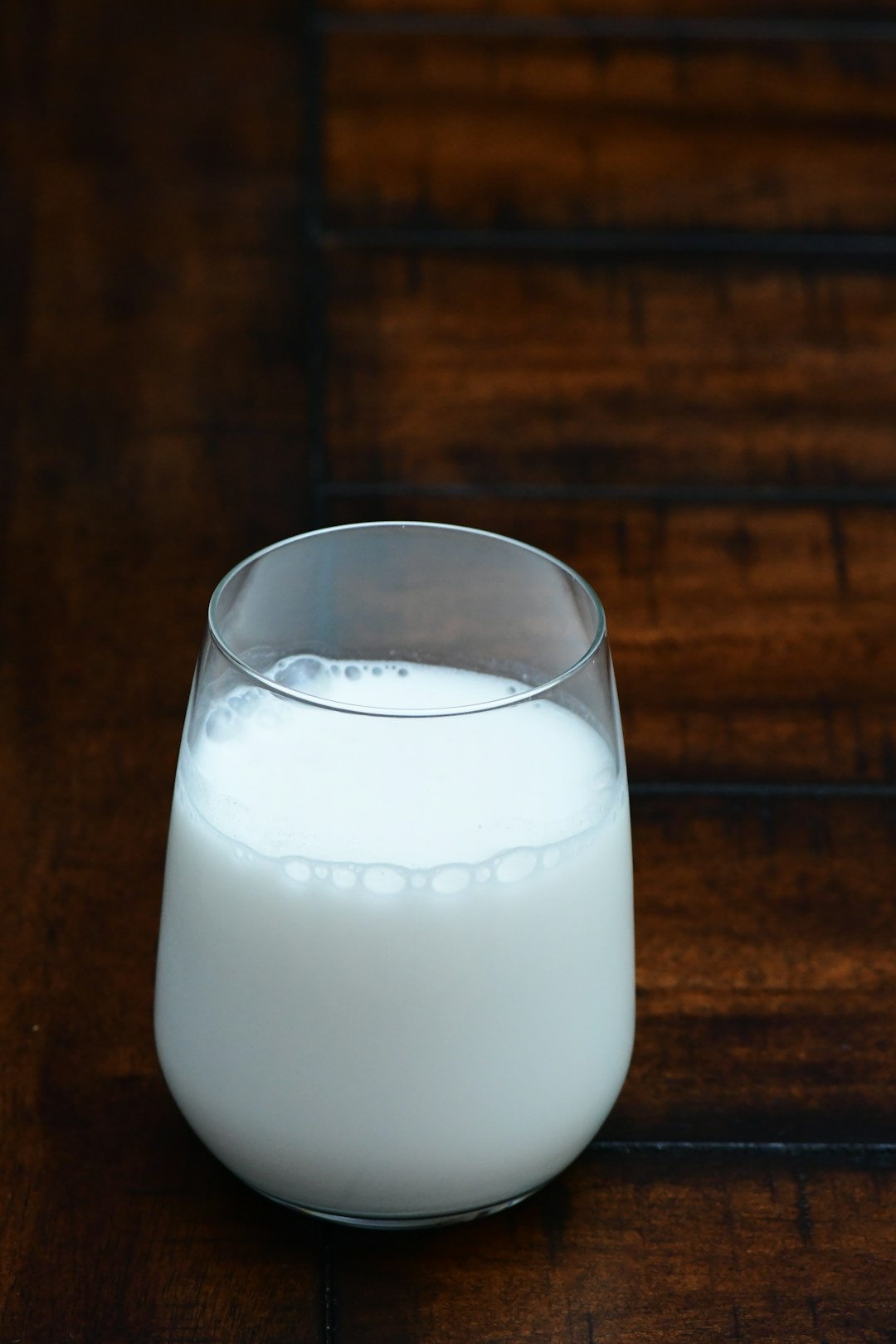
The base recipe is neither: it contains milk and all-purpose wheat flour. Egg-free does not mean dairy-free. Unsweetened plant milk is a possible variation, but it has not been tested here. Replacing wheat flour with a gluten-free blend also needs a separate test because the bread’s structure may change.
Can I use self-rising cornmeal?
Use plain cornmeal for the recipe as written. Self-rising cornmeal and self-rising cornmeal mix contain added ingredients in amounts that vary by product. Combining them with the listed baking powder and salt can change the flavor and rise.
How do I know the middle is baked?
Check the center rather than judging only by the browned rim. It should look set, spring back gently when touched, and leave no wet batter on a toothpick. A few moist crumbs are fine. If the surface is browned but the center remains wet, loosely cover the top with foil and continue checking in short intervals.
Why do I need to rest it before slicing?
Freshly baked eggless cornbread can be fragile while hot. The ten-minute rest lets steam escape and gives the crumb time to settle. Loosen the edge with a thin spatula, then lift each wedge carefully rather than trying to turn out the entire bread immediately.
Can I double the recipe?
You can double the ingredient amounts, but a larger batch needs an appropriate pan and a new baking-time assessment. If you have two matching 6-inch oven-safe skillets, dividing the doubled batter evenly between them keeps the intended depth more consistent. Check each pan separately for doneness.
Serving and ingredient choices
Serve a wedge alongside taco soup with ranch seasoning, a bowl of beans, or a simple vegetable soup. For a less sweet version, you can omit the tablespoon of sugar. Keep the flour and liquid amounts the same so you can assess that one change during testing. Keep wet toppings outside the batter until the base recipe has been tested.
This recipe contains wheat and milk. It is made without eggs, but check packaging and cross-contact information when cooking for an allergy. A plain unsweetened plant milk is a possible variation that needs its own test; do not label the base recipe dairy-free.
Storage and reheating
Cool the bread, then refrigerate in a covered container within 2 hours, or within 1 hour if the temperature is above 90°F. Keep the refrigerator at 40°F or below and use within 3–4 days. These conservative storage instructions follow USDA leftovers guidance. Reheat a wedge covered with foil in a 325°F oven until it reaches 165°F internally; uncover briefly if you want a drier surface. Times depend on wedge thickness and starting temperature.
Recipe development note: This small batch skillet cornbread without eggs has not yet been kitchen-tested. The 6-inch pan size, baking range, crumb texture, and ability to hold together as wedges still need physical verification. If you choose to try it, use the written measurements and doneness cues, and note your pan, cornmeal brand, actual baking time, and result. The estimates above are a starting point, not a tested guarantee.
Printable recipe
Print the measured ingredients and step-by-step instructions using the recipe card below.
THE COMPLETE RECIPE
Small Batch Skillet Cornbread Without Eggs
Yield: 4 side-dish wedges (one 6-inch cornbread)
Ingredients
- 1 tablespoon finely ground flaxseed 7 g; whole seeds are not a direct substitute.
- 3 tablespoons water 45 ml.
- 1/2 cup all-purpose flour 60 g; spoon into the cup and level.
- 1/2 cup fine or medium yellow cornmeal 70 g; plain cornmeal, not self-rising mix, coarse grits, or masa harina.
- 1 tablespoon granulated sugar 12 g.
- 1 teaspoon baking powder
- 1/4 teaspoon fine salt
- 1/2 cup milk 120 ml.
- 2 tablespoons neutral oil 30 ml, for the batter.
- 1 teaspoon neutral oil For greasing the skillet.
Equipment
- 1 6-inch oven-safe skillet Starts greased at room temperature; verify its oven limit, including the handle.
- 2 mixing bowls
- 1 whisk
- 1 spoon or flexible spatula
- Oven mitts
- 1 toothpick For checking the center.
Instructions
- Prepare the flax mixture. Stir the ground flaxseed and water in a small bowl. Leave for 5–10 minutes until slightly thickened. Use ground flaxseed; whole seeds do not make the same mixture.
- Heat the oven. Set the oven to 400°F with a rack in the middle. Grease the bottom and sides of a room-temperature 6-inch oven-safe skillet with the extra teaspoon of oil. Check the manufacturer’s heat limit, including the handle. Do not preheat the empty skillet for this method.
- Combine the dry ingredients. Whisk flour, cornmeal, sugar, baking powder, and salt in a bowl, breaking up any lumps of baking powder.
- Mix the batter. Stir milk and the 2 tablespoons oil into the flax mixture. Pour into the dry ingredients and fold just until no dry flour remains. The batter should be thick but pourable. Avoid beating it smooth; a few small lumps are fine.
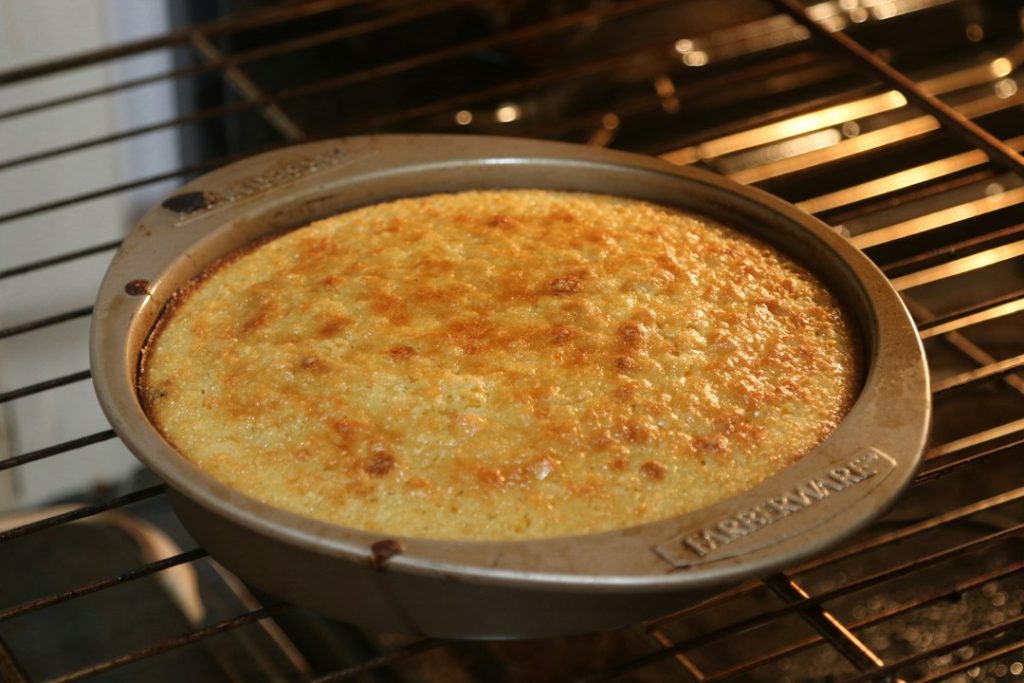
- Bake. Scrape into the prepared skillet and level the surface. Bake for an estimated 18–24 minutes. The edges should look set and lightly golden, the center should spring back gently, and a toothpick inserted in the center should come out without wet batter. Moist crumbs are acceptable. If the center is wet, bake another 2–3 minutes and check again.
- Rest and cut. Place the skillet on a heatproof surface using oven mitts. Leave the bread for 10 minutes before loosening the edges and cutting four wedges. Keep a mitt over the handle as a reminder that it remains hot.
Notes
Rate This Recipe
Made this recipe? Choose a star rating in the comment form and share how it turned out. Your cooking time and any ingredient changes can help the next reader.
Rate This Recipe