STOVETOP COMFORT
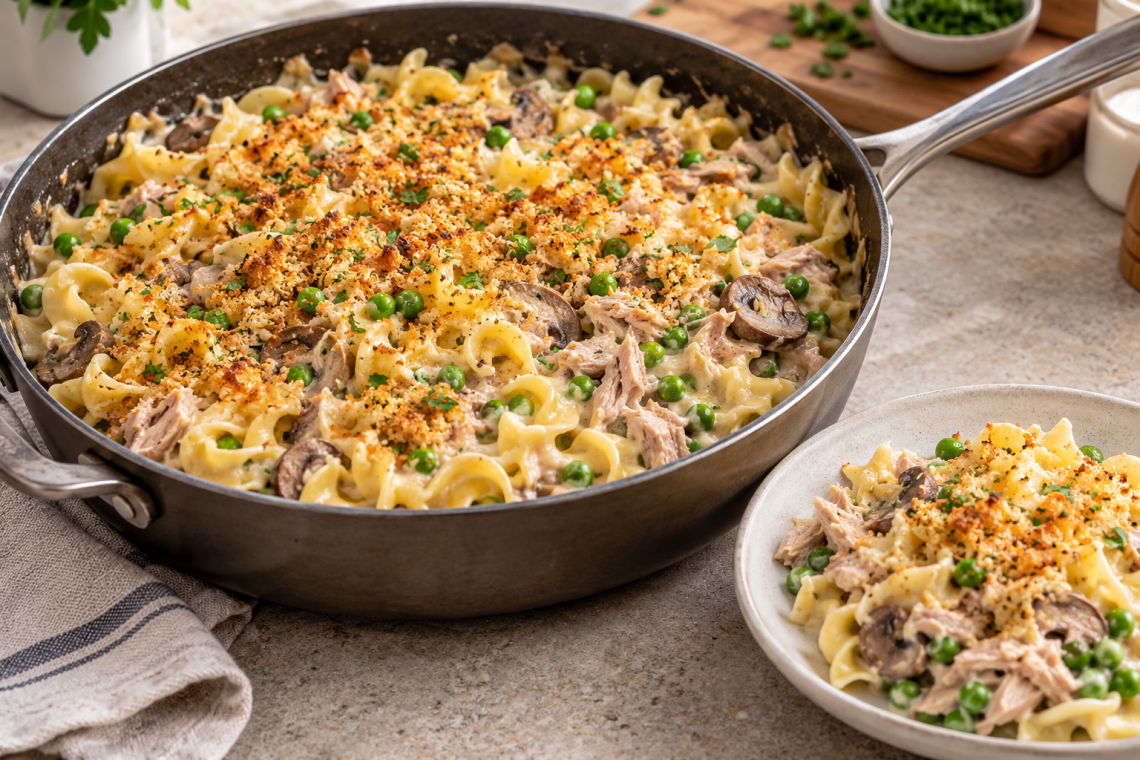
This stovetop tuna noodle casserole without canned soup gives you creamy egg noodles, tender mushrooms, peas, and plenty of tuna in about 45 minutes. A quick butter-and-flour sauce replaces condensed soup, while breadcrumbs toasted in the skillet provide the crisp finish people expect from the classic casserole. Because the finished dish never goes into the oven, it is practical for a busy evening, a small kitchen, or warm weather.
The recipe is built for a deep 12-inch skillet, but the noodles cook separately so their texture is easy to control. The sauce should be thick enough to coat a spoon before the noodles go in. After everything is folded together, a small amount of reserved pasta water lets you correct the consistency instead of serving a dry casserole.
Stovetop tuna noodle casserole without canned soup: recipe card
- Yield: 6 servings, about 1 1/3 cups each
- Prep time: 20 minutes
- Cook time: 25 minutes
- Total time: 45 minutes
- Best pan: Deep 12-inch skillet or 4-quart sauté pan
Equipment
- Large pot for the noodles
- Deep 12-inch skillet or 4-quart sauté pan
- Colander
- Liquid and dry measuring cups
- Measuring spoons
- Whisk
- Wooden spoon or flexible spatula
- Instant-read thermometer for reheating leftovers
Ingredients
For the toasted crumb topping
- 1 tablespoon unsalted butter
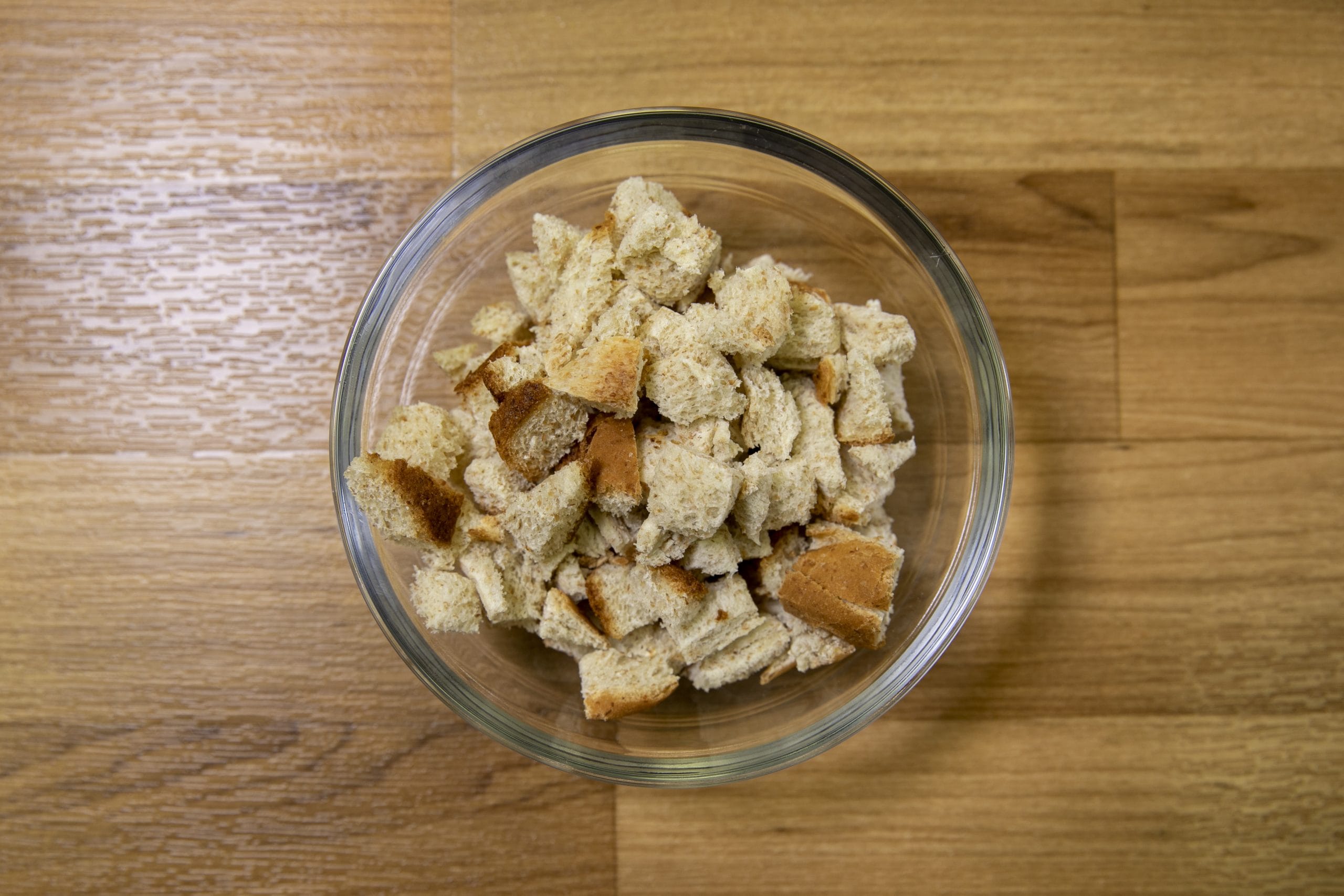
- 1/2 cup plain panko breadcrumbs
- 1 tablespoon finely chopped flat-leaf parsley, optional
- Pinch of fine salt
For the noodles and creamy tuna mixture
- 8 ounces dry wide egg noodles
- 1 tablespoon fine salt for the pasta water
- 3 tablespoons unsalted butter, divided
- 8 ounces cremini or white button mushrooms, sliced about 1/4 inch thick
- 1 small yellow onion, finely diced, about 3/4 cup
- 1 medium celery stalk, finely diced, about 1/2 cup
- 2 garlic cloves, minced
- 1/4 cup all-purpose flour
- 1 1/2 cups whole milk, warmed until no longer refrigerator-cold
- 1/2 cup low-sodium chicken or vegetable broth
- 1 teaspoon Dijon mustard
- 1/2 teaspoon dried thyme
- 1/2 teaspoon fine salt, plus more to taste
- 1/4 teaspoon ground black pepper
- 3/4 cup finely shredded sharp cheddar cheese, about 3 ounces
- 2 cans tuna, 6 ounces each, well drained and broken into large flakes
- 1 cup frozen peas, used straight from the freezer
- 1 teaspoon fresh lemon juice, plus more to taste
Ingredient note: Tuna can sizes vary. The recipe is designed for about 9 to 10 ounces of drained tuna in total. If your cans are only 5 ounces each, use three cans for the fullest tuna flavor or use two and expect a slightly more noodle-forward result.
How to make the casserole on the stovetop
- Boil the water. Bring a large pot of water to a rolling boil. While it heats, measure the sauce ingredients and drain the tuna. Once the water boils, stir in 1 tablespoon salt.
- Toast the crumbs. Melt 1 tablespoon butter in the dry skillet over medium heat. Add the panko and a pinch of salt. Cook for 3 to 5 minutes, stirring often, until the crumbs are evenly golden rather than dark at the edges. Scrape them into a small bowl and stir in the parsley, if using. Wipe away any loose crumbs that remain in the skillet.
- Cook the noodles just shy of tender. Add the egg noodles to the boiling water and cook for 1 minute less than the package’s al dente time. Before draining, scoop out 1 cup of the starchy cooking water. Drain the noodles, but do not rinse them. They will finish cooking in the sauce.
- Brown the mushrooms. Melt 1 tablespoon butter in the skillet over medium-high heat. Add the sliced mushrooms and spread them into an even layer. Cook for 5 to 7 minutes, stirring only a few times, until their released liquid has evaporated and the edges begin to brown. Browning concentrates their flavor and prevents a watery sauce.
- Soften the aromatics. Reduce the heat to medium. Add the remaining 2 tablespoons butter, the onion, and the celery. Cook for 4 to 5 minutes, stirring occasionally, until the onion is translucent and the celery has started to soften. Stir in the garlic for 30 seconds, just until fragrant.
- Cook the roux. Sprinkle the flour evenly over the vegetables. Stir continuously for 1 full minute. The mixture will look pasty and may coat the bottom of the pan, but no dry streaks of flour should remain. This brief cooking removes the raw-flour taste without deeply browning the sauce.
- Build a smooth sauce. Pour in about 1/2 cup of the warm milk while whisking. Once the mixture is smooth, whisk in the remaining milk in two additions, followed by the broth. Add the Dijon, thyme, 1/2 teaspoon salt, and black pepper. Bring the sauce to a gentle simmer, not a hard boil. Cook for 3 to 5 minutes, whisking around the edges and across the bottom, until it coats the back of a spoon. Let the spoon and a small dab of sauce cool before checking whether a line drawn through the coating stays visible.
- Melt the cheese off the strongest heat. Reduce the heat to low. Add the cheddar a handful at a time, stirring until each addition melts. A hard boil can make cheese sauce grainy, so keep the sauce below a simmer once the cheese goes in.
- Fold in the tuna, peas, and noodles. Add the drained tuna and frozen peas. Fold gently so some larger tuna flakes remain. Add the drained noodles and toss until coated. Cook gently for about 3 to 5 minutes, stirring, until the noodles are tender and the peas are fully cooked according to their package directions. Check the mixture in several spots with a food thermometer and continue until it reaches 165°F; the timer alone does not confirm the center is hot.
- Adjust and finish. The sauce should cling generously to the noodles and settle slowly when stirred. If it seems tight, add reserved pasta water 2 tablespoons at a time; 1/4 to 1/2 cup is usually enough. Stir in 1 teaspoon lemon juice. Taste and add salt, pepper, or another small squeeze of lemon only if needed.
- Serve with crunch. Remove the skillet from the heat. Spoon into warm bowls and scatter the toasted crumbs over each serving at the last moment. Keeping the crumbs separate until serving prevents them from absorbing steam and turning soft.
Keep the two burners working together
The noodle pot and skillet can work at the same time. Read the complete method before starting, then have the vegetables chopped, tuna drained, cheese grated, and milk and broth measured. This is more useful than trying to chop each ingredient while the previous step is already cooking.
| Stage | Noodle pot | Skillet and counter |
|---|---|---|
| Getting started | Bring the water to a boil. | Toast and remove the crumbs; begin the mushrooms. |
| Building the sauce | Cook the noodles to the recipe’s slightly underdone stage, using their package time. | Soften the aromatics and prepare the roux and milk sauce. |
| Bringing it together | Reserve cooking water before draining. | Finish the sauce and fold in the tuna, peas, and noodles. |
Set a separate reminder for the noodles. Browning mushrooms should not distract you from a pasta pot that has reached its draining point. Place the heatproof measuring cup and colander where you will use them before the noodles go into the water.
Pause the sauce safely when another task needs attention
A flour-coated skillet needs stirring, especially before the milk is added. Move it off the burner briefly when you must drain noodles instead of leaving the roux over heat unattended. Return it to controlled heat and continue with the measured liquid additions once your hands are free.
Keep the toasted crumbs away from the steam rising from either pan. They are a finishing component, not part of the sauce. At serving, divide the creamy noodles first and add crumbs to individual bowls so the last portion receives the same contrast as the first.
Troubleshooting common problems
| What you notice | What to do |
|---|---|
| The sauce has flour lumps | The first addition of milk is the critical one. Add only about 1/2 cup and whisk it completely smooth before adding more. If small lumps remain after all the liquid is in, press them against the side of the skillet with the whisk. A cold splash of milk into a very hot, dry roux is more likely to seize, which is why slightly warmed milk is useful. |
| The casserole is dry | Egg noodles absorb liquid quickly, especially if they are fully cooked before they meet the sauce. Cook them 1 minute shy of al dente, reserve the pasta water, and loosen the finished skillet gradually. Do not add all the reserved water at once. Two-tablespoon additions give you control. |
| The sauce is watery | First check the mushrooms: their liquid should cook away before the onion is added. Then be sure the sauce reaches a gentle simmer after the milk and broth go in; flour does not reach its full thickening power while the mixture is merely warm. If the finished skillet is still loose, simmer for 1 to 2 minutes before adding any pasta water. |
| The cheese looks grainy or oily | High heat can cause the cheese proteins to tighten and separate. Lower the burner before adding finely shredded cheese and stir it in by handfuls. Pre-shredded cheese can work, but its anti-caking coating may make the sauce less smooth. Cheese grated from a block is the more dependable choice. |
| The dish tastes flat | Drain the tuna well so it does not dilute the sauce, use browned mushrooms rather than pale steamed ones, and do not omit both the Dijon and lemon. A little acidity keeps the dairy-rich sauce from tasting dull. Adjust salt only after the tuna and cheese are in because both can contribute considerable salt. |
Substitutions and their limits
Pasta: Medium shells, rotini, or short ribbons can replace the egg noodles by weight. Cook them 1 minute shy of al dente. Very small pasta may require less sauce, while whole-wheat pasta may need more reserved cooking water. Gluten-free pasta varies widely and can become fragile; cook it separately and fold it in with minimal stirring.
Milk: Two-percent milk can replace whole milk, though the sauce will be slightly less rich. Unsweetened, unflavored soy milk is the most workable nondairy option because it has enough protein to support the sauce. Almond or oat drinks may produce a thinner or sweeter result. Do not use vanilla-flavored milk.
Broth: Vegetable broth keeps the dish meat-free apart from the fish. If using regular rather than low-sodium broth, reduce the added salt and season only after the sauce is complete.
Vegetables: Frozen mixed vegetables can replace the peas cup for cup. Fresh spinach works differently: use about 3 packed cups and wilt it with the mushrooms before making the roux. Avoid adding watery raw vegetables at the end because they can thin the sauce.
Topping: Crushed plain crackers can replace panko, but they brown faster and may already be salted. Gluten-free panko is a direct volume substitute. If you skip the topping, add a tablespoon of chopped parsley or chives for freshness rather than trying to crisp the noodles in the pan.
Tuna: Tuna packed in water or oil both work if drained thoroughly. Oil-packed tuna usually tastes richer. Canned salmon can replace the tuna, but the result will have a more assertive flavor; check carefully for skin and bones as you flake it.
Serving ideas
This is a complete bowl, but a crisp or brightly seasoned side balances the creamy sauce. Serve it with a green salad dressed with lemon vinaigrette, steamed green beans, or roasted asparagus. If the family wants another fast comfort-food option later in the week, this toaster-oven grilled cheese uses similarly familiar ingredients with very little cleanup.
For younger eaters, serve the crumb topping on the side so everyone can choose their preferred texture. For adults, a few dashes of hot sauce, extra black pepper, or chopped dill work well, but add them at the table rather than changing the base skillet for everyone.
Storage, freezing, and reheating
Transfer leftovers to shallow containers and refrigerate within 2 hours. Keep them at 40°F or below and use within 3 to 4 days. Those limits follow USDA guidance for cooked leftovers. Do not leave the full skillet cooling on the counter for an extended period; smaller, shallow portions lose heat more quickly.
For the microwave, place one portion in a microwave-safe bowl and stir in 1 tablespoon milk or water. Cover loosely, heat in 60-second intervals, and stir between intervals until the center reaches 165°F. For the stovetop, warm a portion in a small covered skillet over low heat with 1 to 2 tablespoons milk or water, stirring often, until it also reaches 165°F.
For make-ahead topping, leave out the fresh parsley until serving. Store the plain, dry toasted crumbs separately in an airtight container at cool room temperature for up to 2 days. If parsley has already been mixed in, refrigerate the topping promptly and use within 3 to 4 days. Refresh the crumbs briefly in a dry skillet before adding them to each portion.
Freezing is possible, but it is not the best choice for texture: cooked egg noodles soften and a flour-thickened dairy sauce may look slightly separated after thawing. If freezing is necessary, omit the crumb topping, cool the casserole promptly, and freeze in individual airtight portions. Thaw overnight in the refrigerator, reheat to 165°F, and stir well with a splash of milk. Discard any portion left at room temperature longer than the safe window rather than refreezing it.
Food-safety reference: USDA guidance for cooling, storing and reheating leftovers. Use the earlier deadline when an ingredient was prepared before this meal.
Make-ahead plan
For the best texture, do not fully assemble the dish hours in advance. Instead, toast the crumbs and refrigerate the chopped onion, celery, garlic, and mushrooms in separate containers. Drain the tuna and grate the cheese, then refrigerate them promptly in separate covered containers at 40°F or below. At dinner time, the recipe becomes a sequence of boiling noodles, sautéing vegetables, and finishing the sauce.
If you must prepare the complete skillet ahead, undercook the noodles by 2 minutes instead of 1 and make the sauce slightly loose. Cool it promptly in shallow containers, refrigerate, and reheat once with added milk. This method is practical, but a freshly combined skillet will have a smoother sauce and firmer noodles.
Frequently asked questions
Does a stovetop casserole still count as a casserole?
It uses the familiar casserole combination of noodles, tuna, vegetables, creamy sauce, and a crisp topping, but the method is intentionally adapted for the stovetop. The separate toasted crumbs replace oven browning. Serve it straight from the skillet, with the toasted crumbs added to each bowl just before eating.
Can I make it in one pot?
A true one-pot version is possible, but it is less predictable because egg noodles release starch and absorb liquid quickly. Cooking the noodles separately makes it easier to keep them tender, not mushy, and lets you use measured pasta water to adjust the final sauce. The two-pan approach is worth the extra pot.
Can I leave out the mushrooms?
Yes. Skip the mushroom-browning step. Melt all 3 tablespoons of the sauce butter before cooking the onion and celery, and add another 1/2 cup diced celery or a small diced carrot with them. Keep the separate 1 tablespoon butter for the crumb topping. Mushrooms contribute moisture and savory flavor, so the Dijon, thyme, and final lemon become especially important when they are omitted.
Why not add the breadcrumbs to the whole skillet?
Steam from the sauce softens crumbs quickly. Adding them to individual bowls preserves the contrast between creamy noodles and crisp topping. It also makes leftovers easier to store because the topping can remain separate.
Temperature reference: FoodSafety.gov safe minimum internal temperature chart. A thermometer confirms the safe endpoint; recipe times are estimates.