THE MORNING COUNTER / APPLE FIRST / PEANUT BUTTER LAST
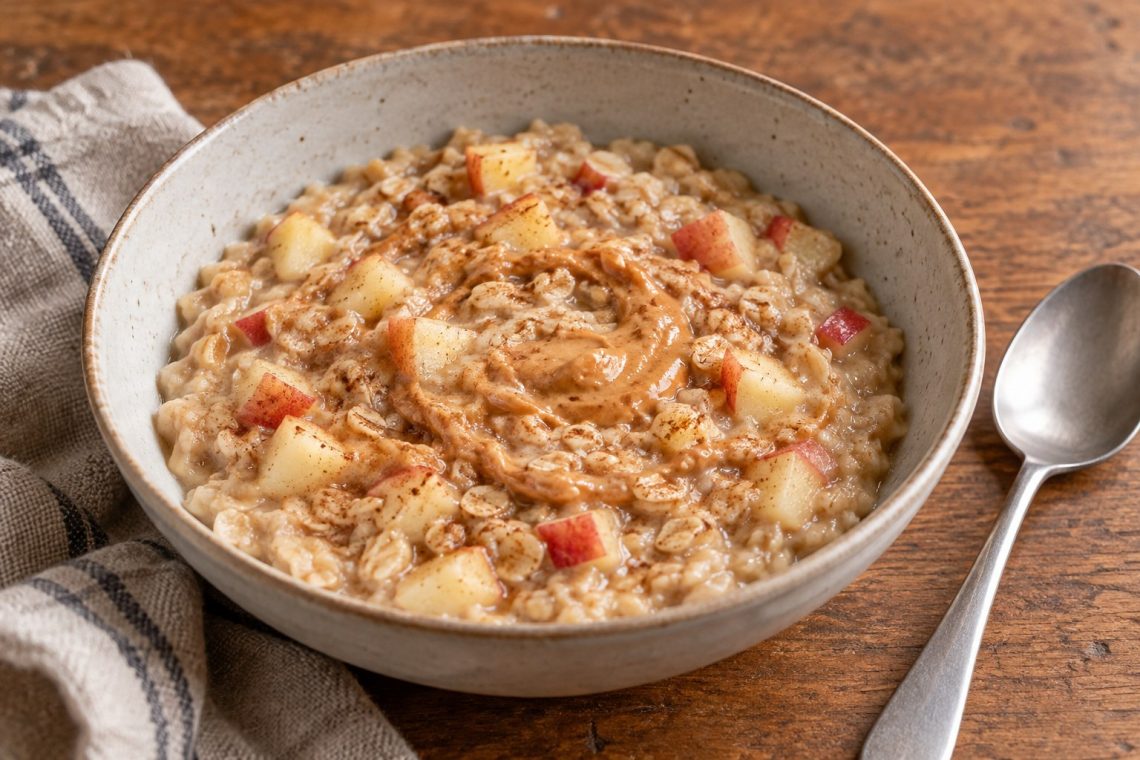
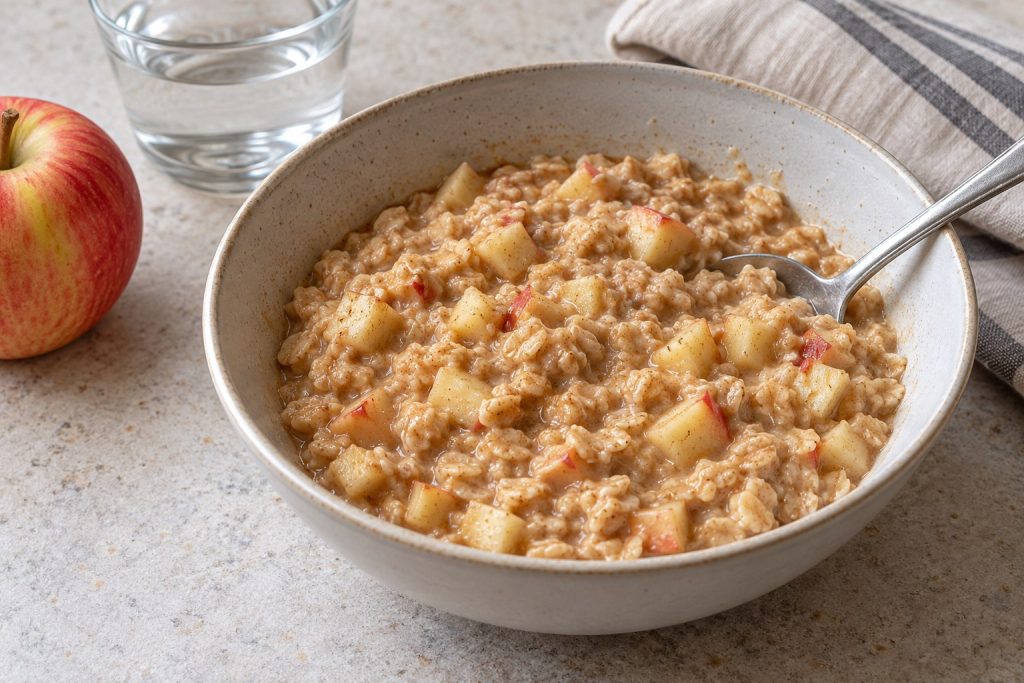
This apple peanut butter oatmeal cooks in the microwave with water, small pieces of apple, and cinnamon, then turns creamy when peanut butter is stirred into the hot oats. It makes one generous bowl without milk. Giving the apple a short head start helps it soften before the oats become too thick, while a roomy bowl keeps the rising oat foam away from the rim.
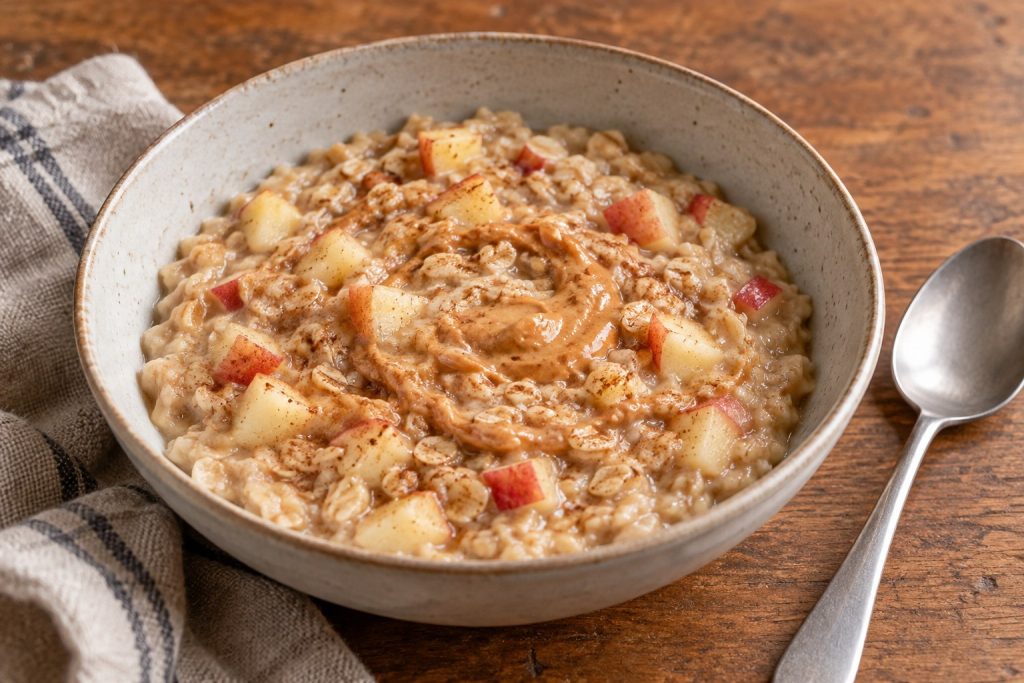
The finished oatmeal should be soft and spoonable, with tender apple pieces and a gentle peanut flavor. Use the clock as a starting point, then check the oats and apple between short microwave bursts. Bowl shape, microwave power, and the apple variety all affect the final timing.
Apple peanut butter oatmeal: one-bowl recipe overview
- Prep
- 5 minutes
- Microwave cooking
- About 5 minutes
- Additional time
- 2 minutes standing
- Total
- About 12 minutes
- Yield
- 1 generous breakfast bowl
The estimate is a starting point for a microwave around 1,000 watts. Use a microwave-safe bowl with at least 1-quart capacity, a microwave-safe cover for the apple’s brief precook, a spoon, measuring cup, knife, and oven mitts. Use the vented cover only for the apple’s brief head start. Remove it before adding oats; leave the remaining cooking uncovered so you can watch the foam rise and stop before it reaches the rim.
Ingredients for microwave oatmeal without milk
- 1/2 cup old-fashioned rolled oats, about 40 g
- 1 cup water, divided, plus a little warm water for loosening if needed
- 1/2 small apple, about 60 g, cored and cut into 1/4-inch dice
- 1 tablespoon smooth peanut butter
- 1/4 teaspoon ground cinnamon
- A small pinch of fine salt
- 1 teaspoon maple syrup, optional
Small apple pieces soften more evenly
Wash the apple before cutting, remove the core, and aim for pieces about 1/4 inch across. Large chunks can stay firm after the oats are cooked. Leave the skin on for a little extra texture, or peel it if you prefer a smoother spoonful.
A crisp sweet-tart apple gives a pleasant contrast to peanut butter. Firmer varieties may need a little more precooking. A softer apple becomes tender sooner, so do not keep heating it solely to reach the longest suggested time.
Use rolled oats and enough water
The recipe uses old-fashioned rolled oats. Quaker’s basic microwave directions use one cup of water for half a cup of old-fashioned oats, with about 2 1/2–3 minutes on high for the plain mixture. Apple and a different microwave can change that time, so this recipe adds a short apple precook and checks in intervals.
Water makes a useful neutral base, and the peanut butter is added after cooking for creaminess. Starting with too little liquid can leave the oats thick before the apple is tender. It is easier to let a slightly loose bowl stand for two minutes than to rescue a dry, overflowing mound.
Soften the apple, cook the oats, then stir in peanut butter
- Give the apple a head start. Put the diced apple in the 1-quart microwave-safe bowl. Take 1 tablespoon from the measured cup of water and add it to the apple. Cover loosely with a microwave-safe cover, leaving a vent. Microwave on high for about 1 minute, until the pieces begin to soften. Remove the cover carefully, directing steam away from you.
- Add the oats and remaining water. Stir in the rolled oats, the rest of the measured water, cinnamon, and salt. Make sure dry oats are moistened. Leave the bowl uncovered for the remaining cooking.
- Cook in short stages. Microwave on high for 90 seconds. Stir thoroughly, scraping the bottom and sides, then continue in 20–30-second bursts until the oats are tender and the apple has softened to your liking. The oat stage often takes about 2 1/2–4 minutes in total. Stop sooner if foam rises close to the rim; stir and reduce power for further cooking.
- Let it stand. Carefully remove the hot bowl with oven mitts and leave it for 2 minutes. The oats will thicken as they absorb more liquid. Check a small cooled spoonful rather than judging the texture while the bowl is still bubbling.
- Finish and adjust. Stir in the peanut butter and optional maple syrup until distributed. If too thick, add warm water a tablespoon at a time. Serve when cool enough to eat, with the apple pieces tender and the oats soft and spoonable.
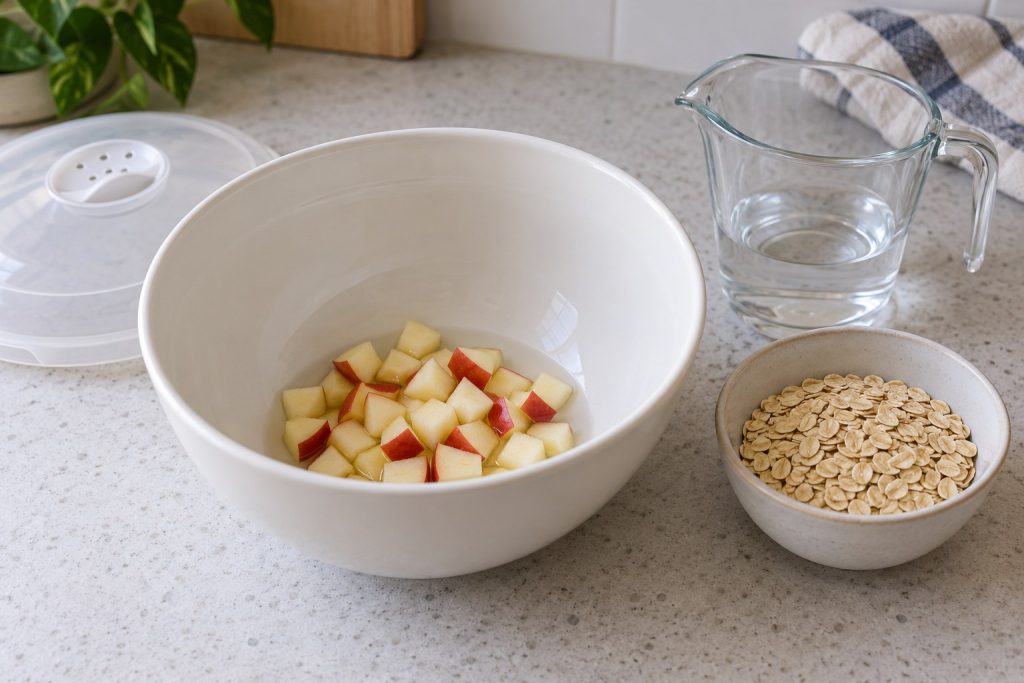
Adjust for your microwave without guessing a new recipe
A high-powered microwave may need shorter bursts after the first stir. If your oats climb rapidly, lower the power to around 50–70 percent and keep checking. The total time may increase, but you gain control over the foam and reduce the chance of losing part of breakfast over the side.
In a lower-powered microwave, the oats may simply need more intervals. Check the actual texture instead of adding a long uninterrupted minute at the end. Stirring brings cooler areas into contact with the hotter mixture and shows whether dry oats are hiding near the bowl’s edge.
Do not cover the oats tightly or seal the bowl. The brief vented cover is only for softening the apple before the oat mixture is added. Use cookware marked microwave-safe, and remember that a bowl can be hot even if the top of the oatmeal no longer looks steamy.
Fix boil-over, firm apple, or a thick bowl
| Problem | What to change |
|---|---|
| Foam rises toward the rim | Stop, let it subside, stir, and continue at lower power. Use a larger bowl next time. |
| Apple is still firm | Give it a longer head start next time or dice more finely. Add a little water before further heating if the oats are already thick. |
| Oatmeal is too thick after standing | Stir in warm water a tablespoon at a time, especially after adding peanut butter. |
| Oatmeal seems loose | Allow the full standing time before adding more microwave cooking. |
| Peanut butter forms a lump | Press it against the bowl with the spoon, then stir in a splash of warm water. |
On a small screen, scroll the table sideways to see every column.
Choose and stir the peanut butter well
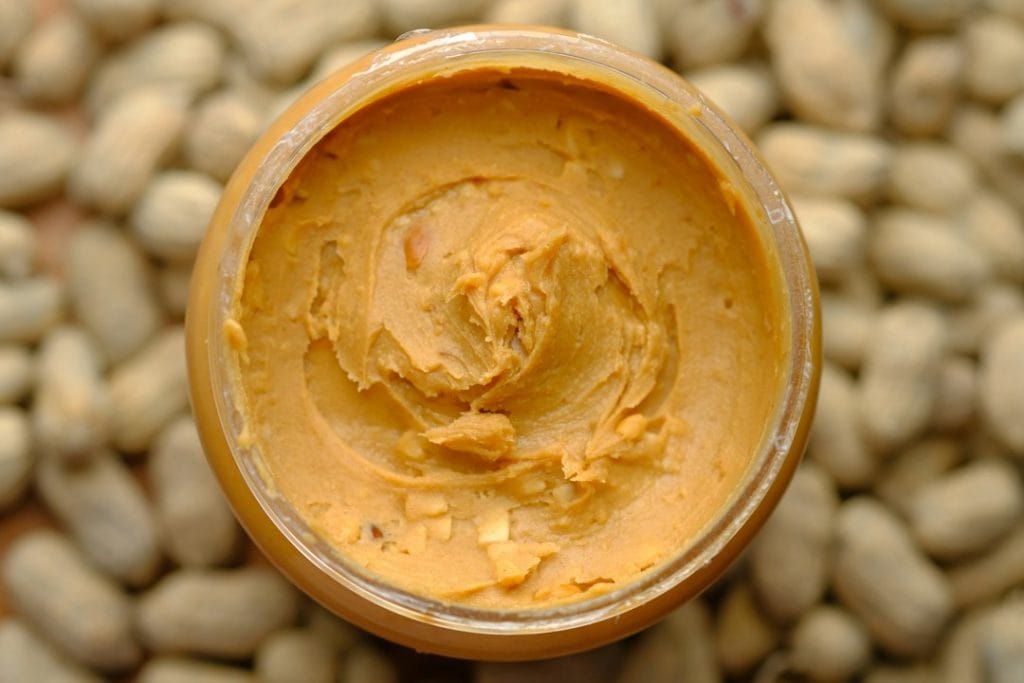
Smooth peanut butter gives the most even finish. If using a natural peanut butter with separated oil, stir the jar thoroughly before measuring. A spoonful taken only from the dry bottom of an unstirred jar can make the oatmeal feel heavy and difficult to mix.
Add the peanut butter after the oats are cooked, while they are still hot enough to soften it. This makes it easier to see the oat texture during cooking and avoids thickening the mixture too early. Crunchy peanut butter works if you like small peanut pieces throughout.
The recipe uses no milk, but check the peanut butter and other packaged ingredients if avoiding milk for an allergy. A different nut or seed butter can change the flavor and thickness; start with the same tablespoon and adjust the finished bowl with water.
Simple changes for another morning
Ripe pear can replace the apple in the same amount. It usually softens more readily, so check during the precook. Keep the pieces small and add any especially juicy pear without extra liquid from the cutting board.
Almond butter gives a milder nutty flavor, while sunflower seed butter provides a different option when suitable for your needs. Neither should be assumed safe for every allergy; use ingredients appropriate to the person eating the bowl.
For a stovetop version, soften the apple in a small saucepan with a little of the measured water, then add the remaining water and bring to a boil. Stir in the oats and cook gently according to their package, stirring often. Add peanut butter after cooking. This alternate method has its own timing.
Serve it as a warm, simple breakfast
Apple peanut butter oatmeal is already flavored throughout, so it does not need a large pile of toppings. A little extra cinnamon or a few thin fresh apple slices can be added at the table if desired. Taste before adding maple syrup, particularly if the peanut butter is sweetened.
For homemade peanut butter, see the peanut butter preparation guide. If you prefer a savory oat breakfast on another day, try oatmeal with peas and cheddar.
Prepare ahead or reheat a saved portion
For an easier morning, measure the dry oats, cinnamon, and salt into the empty bowl the night before. Keep the apple whole until you are ready to prepare it, then dice and cook as directed.
For cooked leftovers, refrigerate in a shallow container within 2 hours, or 1 hour above 90°F, at 40°F or below. Use within 3–4 days and reheat to 165°F, following USDA guidance.
Chilled oats become much thicker. Add a splash of water before reheating, cover loosely, and stir between short microwave intervals. Check the temperature in more than one place. Once hot, loosen the texture again if needed; adding water is more effective than trying to stir a dry mass smooth.
Questions about milk-free microwave oatmeal
Can I use steel-cut oats?
Not with this timing. Steel-cut oats need their own liquid ratio and much longer cooking unless specifically processed as a quick product. Follow their package method instead.
Will quick oats work?
Yes, but use their shorter cooking directions and expect a softer texture. Keep the apple precook so the fruit does not lag behind the faster oats.
Can I microwave two portions together?
For predictable results, make one bowl at a time. A doubled batch needs a substantially larger bowl and different heating time; simply doubling the timer is unreliable.
Should the apple be peeled?
It is optional. The skin gives a little texture, while peeled apple blends more smoothly with the oats. Either way, small dice matter more than peeling for even softening.
How is it creamy without milk?
The cooked oats thicken the water, and peanut butter enriches that soft mixture. Add enough water after standing to keep it spoonable rather than pasty.
THE COMPLETE RECIPE
Microwave Apple Peanut Butter Oatmeal Without Milk
Yield: 1 generous breakfast bowl
Ingredients
- 1/2 cup old-fashioned rolled oats about 40 g
- 1 cup water divided: use 1 tablespoon for the apple first; keep extra warm water for loosening if needed
- 1/2 small apple about 60 g; cored and cut into 1/4-inch dice
- 1 tablespoon smooth peanut butter stir the jar first if oil has separated
- 1/4 teaspoon ground cinnamon
- 1 small pinch fine salt
- 1 teaspoon maple syrup optional
Equipment
- Microwave-safe bowl with at least 1-quart capacity
- Vented microwave-safe cover for the apple precook
- Spoon
- Measuring cup and spoons
- Knife and cutting board
- Oven mitts
Instructions
- Give the apple a head start Put the diced apple in the 1-quart microwave-safe bowl. Take 1 tablespoon from the measured cup of water and add it to the apple. Cover loosely with a microwave-safe cover, leaving a vent. Microwave on high for about 1 minute, until the pieces begin to soften. Remove the cover carefully, directing steam away from you.
- Add the oats and remaining water Stir in the rolled oats, the rest of the measured water, cinnamon, and salt. Make sure dry oats are moistened. Leave the bowl uncovered for the remaining cooking.
- Cook in short stages Microwave on high for 90 seconds. Stir thoroughly, scraping the bottom and sides, then continue in 20–30-second bursts until the oats are tender and the apple has softened to your liking. The oat stage often takes about 2 1/2–4 minutes in total. Stop sooner if foam rises close to the rim; stir and reduce power for further cooking.
- Let it stand Carefully remove the hot bowl with oven mitts and leave it for 2 minutes. The oats will thicken as they absorb more liquid. Check a small cooled spoonful rather than judging the texture while the bowl is still bubbling.
- Finish and adjust Stir in the peanut butter and optional maple syrup until distributed. If too thick, add warm water a tablespoon at a time. Serve when cool enough to eat, with the apple pieces tender and the oats soft and spoonable.
Notes
Rate This Recipe
Made this recipe? Choose a star rating in the comment form and share how it turned out. Your cooking time and any ingredient changes can help the next reader.
Rate This Recipe