
Skillet rutabaga and white beans is a one-pan dinner that turns a firm, inexpensive root into something sweet, golden and tender in about an hour. The short answer to how it works: cut the rutabaga small, steam it covered with a measured splash of broth until the centers soften, uncover to brown the surfaces, then fold in canned cannellini beans with a light Dijon mustard sauce. You get earthy, caramelized cubes and creamy beans in every spoonful, with very little oil and only one pan to wash.
Affiliate disclosure: As an Amazon Associate I earn from qualifying purchases. The paid links below open Amazon search results so you can compare suitable tools.
Serves
4 light mains
Prep
15 minutes
Cook
About 45 minutes
Pan
One 12-inch skillet with lid
Why skillet rutabaga and white beans works
Rutabaga is dense. If you try to brown raw cubes until they are cooked all the way through, the outsides usually darken long before the centers soften, and you end up adding more and more oil to stop them sticking. This recipe separates the two jobs. A covered steaming stage with half a cup of broth cooks the centers gently and evenly. Once the liquid has evaporated, the same pan becomes a dry, hot surface for browning, and the natural sugars in the root caramelize into golden edges.
The beans are held back until the end for a simple reason: canned cannellini beans are already fully cooked. They only need to heat through. Adding them early would mean they simmer for half an hour alongside the rutabaga and break down into mush. Folding them in during the last five minutes keeps them whole and creamy inside.
Finally, the mustard sauce is deliberately small. Two teaspoons of Dijon whisked into a quarter cup of broth is enough to deglaze the browned bits on the bottom of the pan and coat everything lightly. It brightens the sweetness of the rutabaga without turning the dish into a mustard stew.
Ingredients and equipment notes
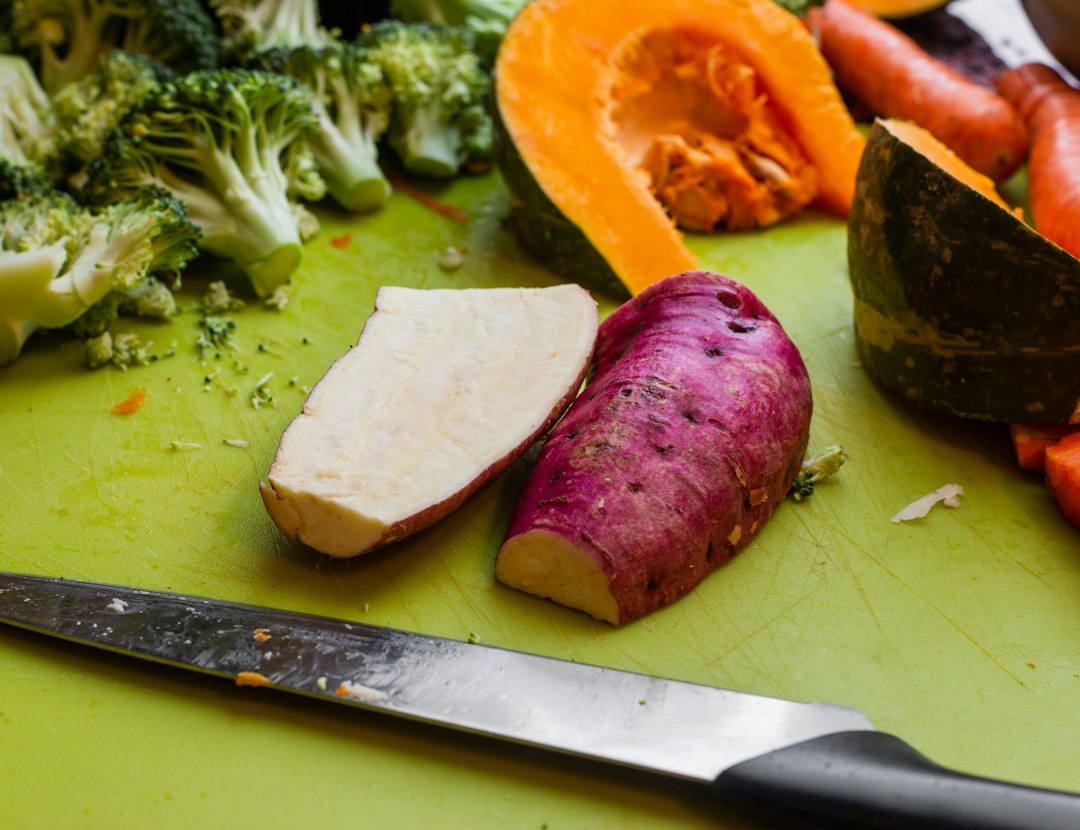
Rutabaga. Look for a heavy root with firm, unwrinkled skin. Many supermarket rutabagas are coated in a thin layer of food-grade wax to slow moisture loss, which must be peeled away along with the tough outer layer. Weigh 1 pound (about 450 g) after peeling and trimming; a whole root will weigh noticeably more. Rutabaga usually has pale yellow flesh and a sturdier texture than small white turnips. If your market labels both as turnips, check what you are buying, because white turnips soften much sooner and would need an earlier tenderness check.
White beans. Two 15-ounce cans of cannellini beans, drained and rinsed, give the dish its creamy contrast. Great northern beans are smaller and slightly firmer; butter beans are softer and more delicate. Let them drain well in a colander so excess water does not dilute the finishing sauce.
Mustard and seasonings. Smooth Dijon mustard blends evenly into the broth. Whole-grain mustard works, though the seeds stay visible and the flavor is milder. Dried thyme, garlic, onion and black pepper round out the savory base, and fresh parsley plus an optional squeeze of lemon finish it. Taste before adding extra salt, because canned beans and broth vary a lot in sodium.
Equipment. A deep 12-inch skillet with a tight lid is the key tool, since it has to steam and then brown. A wide skillet with a lid (paid link) gives the cubes room to brown instead of crowding and steaming. A sturdy chef’s knife (paid link) makes cutting a dense root safer, and a heavy-duty Y-peeler (paid link) helps on roots with thinner wax. You will also want a broad spatula and a colander.
Knife safety with a round root: never balance a whole rutabaga on the board and force a knife through it. Trim a thin slice from one side so it sits flat, cut it into halves or quarters, then peel and cube each stable piece. If the blade sticks, lift the knife out and re-cut rather than rocking it.
How to make skillet rutabaga and white beans
Before you turn on the heat, set up the divided ingredients. Put 1/2 cup of the broth beside the stove for steaming, and whisk the mustard into the remaining 1/4 cup in a small jug. Keep the second tablespoon of oil ready for browning. This simple setup stops the whole measure of broth from going into the steaming stage, where it would have to cook off before you could make the sauce.
- Prep the rutabaga. Wash, trim a flat side, cut into sections, peel off the wax and tough skin, then cut into roughly 1/2-inch cubes. Even size matters more than perfect shapes, because pieces of similar size finish together.
- Soften the onion. Warm 1 tablespoon oil in the skillet over medium heat. Add the diced onion and 1/4 teaspoon salt and cook for about 5 minutes, stirring, until it begins to turn translucent. Add the rutabaga and turn the cubes through the oil for 2 to 3 minutes.
- Steam the centers tender. Pour in 1/2 cup broth, cover and reduce the heat to medium-low. Cook for 18 to 25 minutes, stirring once or twice. If the pan runs dry before the cubes soften, add a tablespoon of water. Doneness cue: a knife slides into the largest cube with only slight resistance.
- Cook off the liquid. Remove the lid and raise the heat to medium. Let any remaining broth evaporate, turning the cubes gently so the onion does not scorch. Cue: the puddle is gone and you hear a quiet sizzle instead of a bubble.
- Brown the rutabaga. Add the remaining tablespoon oil, spread the cubes into a single layer and cook for 5 to 7 minutes, turning occasionally. Cue: several faces of each cube are golden. You do not need to brown every side.
- Build the mustard sauce. Stir in the garlic and thyme for about 30 seconds, just until fragrant. Pour in the mustard-broth mixture and scrape up the golden coating on the bottom of the pan. Fold in the drained beans and black pepper.
- Warm and finish. Simmer gently for 4 to 5 minutes until the beans are hot and the rutabaga is fully tender. Add broth a spoonful at a time if you want more sauce. Off the heat, stir in the parsley, taste, and add lemon juice only if it needs more brightness. Cue: the sauce clings lightly instead of pooling under the beans.
Tip: the sound of the pan is a helpful hint, but look at the bottom too. If your burner has a hot spot, rotate the skillet and move cubes away from any area that is darkening fast. Leave very dark, bitter-looking residue behind rather than scraping it into the sauce.
Troubleshooting skillet rutabaga and white beans
Most problems with this dish come from moving between stages too early or too late. Use the table below to read the pan.
| Problem | Likely cause | Fix |
|---|---|---|
| Cubes still hard after steaming | Pieces cut too large, or heat too low | Add 2 tablespoons water, cover and keep cooking; check every 3 to 4 minutes before browning |
| Edges dark but centers firm | Browning started before the root was tender | Lower the heat, add a splash of broth and cover briefly |
| Rutabaga mushy | Over-steamed or cubes cut very small | Brown with minimal turning and fold the beans in gently |
| Sauce watery | Beans not drained well, or too much broth | Simmer uncovered 1 to 2 minutes before adding parsley |
| Beans breaking apart | Stirred hard or boiled too long | Use broad folding strokes and a gentle simmer only |
| Tastes flat | Under-seasoned or low-sodium products | Add salt a pinch at a time, then a few drops of lemon |
Extra mustard or a hotter burner will not fix an undercooked center. Tenderness has to come from moist heat first. If you are unsure, lift a single cube onto a spoon, let it cool for a few seconds and bite it. It should be soft all the way through while still holding its corners.
Variations to try
- Half carrot, half rutabaga: carrots cook a little faster, so cut them slightly larger than the rutabaga.
- Greens: fold a large handful of baby spinach or chopped kale into the pan with the beans and let it wilt.
- Herb swap: replace parsley with a smaller amount of fresh dill, or use rosemary instead of thyme for a piney note.
- Smoky version: add 1/2 teaspoon smoked paprika with the garlic.
- Crunchy topping: sprinkle toasted sunflower seeds or breadcrumbs on individual portions just before eating.
- No mustard: skip it and season the finished sauce with lemon juice. The result is simpler and less tangy.
Serving ideas
Because the dish is soft and warm, it pairs best with something crisp. A thinly sliced apple and cabbage slaw with a light vinaigrette is a natural match, or try simple cucumber rounds with salt and vinegar. Crusty bread is worth having on the table to catch the small amount of mustard sauce. As a side dish, the recipe stretches to six portions next to roast chicken, pork chops or baked fish; keep the seasoning on the protein fairly restrained so the mustard still shows. For a heartier vegetarian plate, spoon it over cooked farro or barley, or top each serving with a fried or soft-boiled egg.
If you enjoy cozy vegetable-and-bean dinners, our sheet-pan butternut squash and white beans with sage is a hands-off oven version of the same idea.
Storage and reheating
Cool leftovers and refrigerate them in shallow containers within 2 hours of cooking, or within 1 hour if the room is above 90°F. Keep your refrigerator at 40°F or below and eat the leftovers within 3 to 4 days. The browned edges soften in storage, but the flavor holds up well and often improves overnight.
To reheat, warm portions in a covered skillet with a splash of water over medium-low heat, folding gently so the beans stay whole, or microwave covered and stir halfway. Either way, heat leftovers until they reach 165°F in the center. Add fresh parsley after reheating. You can freeze the dish for up to about 2 months for best quality, but expect the rutabaga to soften and the beans to become more fragile. Thaw in the refrigerator, not on the counter. For a full chart of safe temperatures, see FoodSafety.gov’s safe minimum internal temperatures.
Meal-prep note: to make this ahead, steam and brown the rutabaga, cool and refrigerate it, then finish with the beans and mustard sauce on the day you serve. The cubes keep their shape better, and the beans taste freshly warmed.
Printable skillet rutabaga and white beans recipe
Skillet Rutabaga and White Beans With Mustard
Ingredients
Equipment
Method
- Soften the onion. Warm 1 tablespoon oil over medium heat. Add the onion and measured salt. Cook for 5 minutes, stirring, until it starts to soften. Add the rutabaga cubes and turn them through the oil for 2 to 3 minutes.
- Steam the centers tender. Pour in 1/2 cup of the broth. Cover and reduce the heat to medium-low. Cook for 18 to 25 minutes, stirring once or twice. Add a tablespoon of water if the pan becomes dry. A knife should enter a cube with only slight resistance.
- Evaporate the remaining liquid. Remove the lid and let any broth cook away over medium heat. Turn the cubes gently so the onion does not scorch. This may take a few minutes depending on the lid and the amount of moisture left.
- Brown the rutabaga. Add the remaining tablespoon oil. Spread the cubes across the pan and cook for 5 to 7 minutes, turning occasionally, until several surfaces are golden. Do not insist on browning every side; tenderness and a few flavorful edges are enough.
- Make the light sauce. Stir in the garlic and thyme for about 30 seconds. Whisk the mustard into the remaining 1/4 cup broth, then pour it into the skillet. Scrape up the golden coating on the bottom. Fold in the beans and pepper.
- Warm and finish. Simmer gently for 4 to 5 minutes, until the beans are hot and the rutabaga is fully tender. Add a little broth if needed for a light sauce. Remove from the heat, add parsley and taste. Use the optional lemon juice only if the finish needs extra brightness.
Notes
Frequently asked questions
Do I have to peel a waxed rutabaga?
Yes. The wax coating and the tough outer skin should both come off before cooking. On heavily waxed roots, a sturdy knife is often easier than a thin peeler. Work on stable, flat-sided pieces and trim until the flesh underneath looks clean and even in color.
Can I use frozen diced rutabaga?
Plain frozen rutabaga can work if the pieces are a similar size. Check for tenderness earlier, because it may already be partly cooked, and let the extra water it releases evaporate before you add the oil for browning. It will brown less evenly than fresh.
What beans can replace cannellini?
Great northern beans are a close swap, slightly smaller and firmer. Butter beans are creamier but more delicate, so fold them very gently. Chickpeas also work and hold their shape well. Use about 3 cups of any fully cooked, well-drained beans.
How is rutabaga different from turnip?
Rutabaga is usually larger, with yellow flesh and a sweeter, denser texture. Small white turnips are milder, more peppery and cook faster. You can use turnips here, but start checking for tenderness after about 10 minutes of steaming.
Can I make it ahead?
Yes. Refrigerate promptly and reheat to 165°F with a splash of water. For the best texture, cook the rutabaga ahead and add the beans and sauce when you reheat.
Can I roast the rutabaga instead?
Roasting is a different method with its own oil amount, spacing and timing, so it is a separate recipe. If you already have safely stored roasted rutabaga, you can warm it in the skillet with the beans and mustard sauce for a quick adaptation.
Final thoughts
Skillet rutabaga and white beans proves that a humble root can be the star of a weeknight dinner. Steam first, brown second and add the beans last, and you will get tender, golden cubes and creamy beans in a light Dijon sauce every time. Keep the recipe card handy, adjust the seasoning to your family’s taste, and try one of the variations once you have the basic method down.




