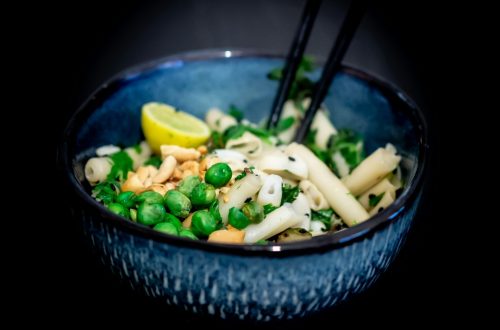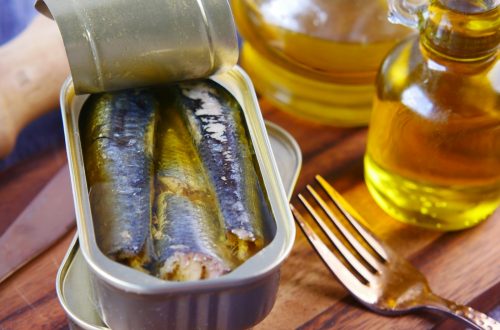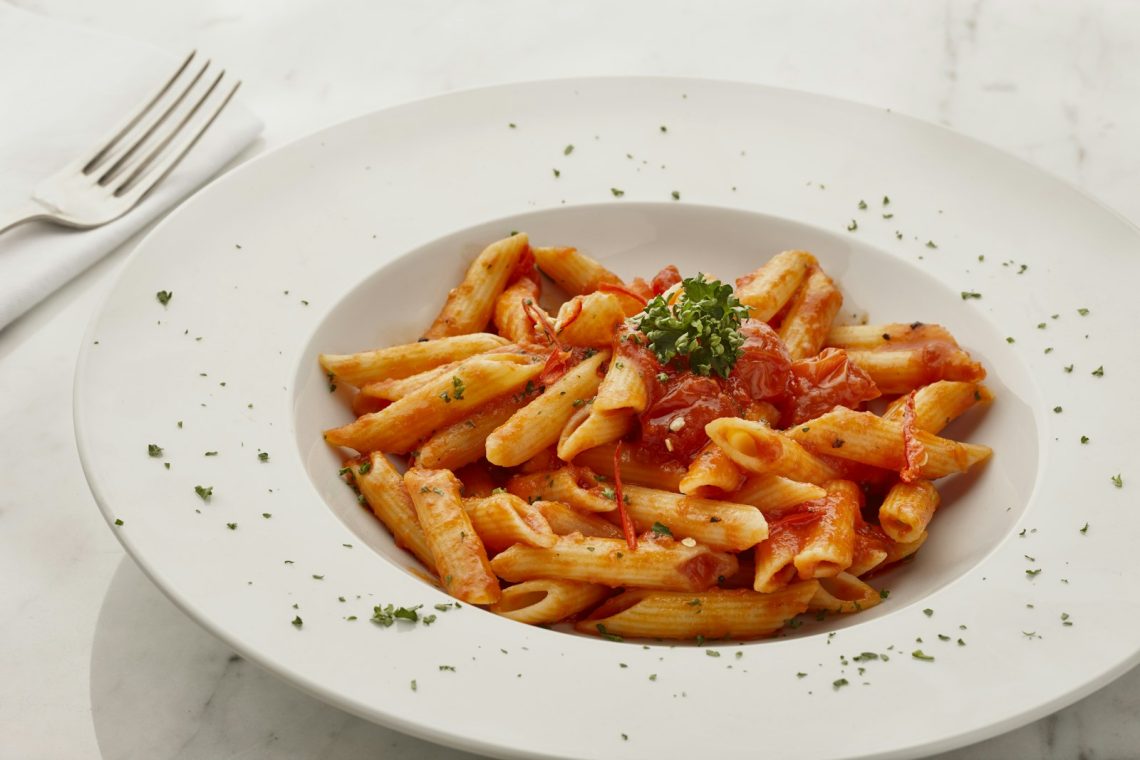
A tin of mackerel can become a warm pasta dinner with very little extra preparation. This elbow macaroni with canned mackerel combines a simple tomato sauce with tender fish flakes and a small amount of capers. The elbow shape catches bits of sauce and makes the meal easy to eat from a shallow bowl.
Affiliate disclosure: As an Amazon Associate I earn from qualifying purchases. These paid links open Amazon search results for comparing equipment.
Use a deep 3-quart skillet (paid link) for the mackerel and tomato sauce, and keep a heatproof measuring cup (paid link) beside the pasta pot for reserving cooking water before draining. A sturdy stainless steel colander (paid link) makes draining easier.
The fish enters the sauce near the end. That gives the tomatoes and onion time to cook without repeatedly stirring delicate mackerel through a bubbling pan. Reserve some pasta water before draining the macaroni; it helps the sauce cling without needing a heavy coating of oil or cheese.
Keep elbow macaroni with canned mackerel and tomato sauce balanced
- Check whether the fish is packed in oil, water or sauce before deciding how much fat and salt the pan needs.
- Reduce the tomato sauce before adding pasta so the finished coating is flavorful rather than watery.
- Reserve pasta water to restore movement if the sauce tightens around the elbows.
- Fold mackerel in last and turn gently so some flakes remain visible.
Taste after the fish is added because its packing liquid changes seasoning. Acid, herbs or black pepper usually improve the finish more cleanly than additional salt.
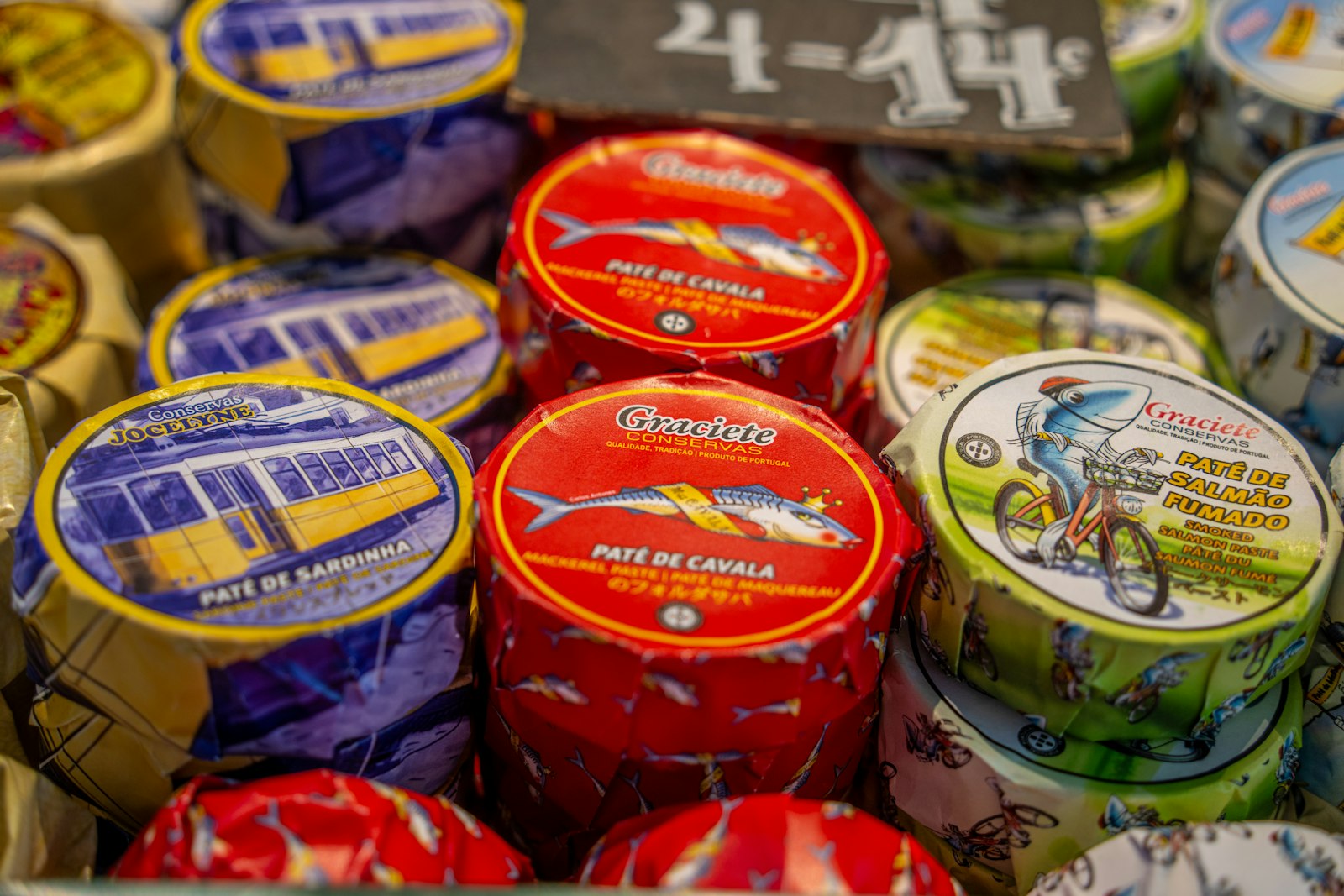
Check which mackerel you have
Use plain canned mackerel in water or olive oil. Fish packed in tomato sauce, mustard or another flavored liquid would change the recipe. Drain it, spread it on a plate and separate it into bite-size flakes. Inspect carefully and remove any firm bones or skin pieces you do not want in the finished pasta.
Boneless fillets give the most consistent texture. Larger cans of traditional mackerel can contain bigger sections of fish, so take a little more time to inspect and flake them. Can sizes include packing liquid; if replacing the small cans listed below, aim for roughly 7 ounces of drained fish rather than matching the can’s total weight alone.
Do not use swollen, leaking or badly damaged cans. If the fish was opened earlier, keep its original refrigeration history in mind. Cooking it into a new sauce does not reset the storage clock. The main recipe assumes freshly opened, commercially canned fish.
Recipe and ingredients
Serves: 4 moderate portions. Preparation: 10 minutes. Cooking: about 25 minutes. Total: about 35 minutes. Use a 4-quart pasta pot, deep 3-quart skillet, lid or splatter screen, colander, measuring cup and broad spoon.
- 8 ounces dry elbow macaroni, approximately 225 g
- 2 cans plain mackerel, approximately 4.4 ounces each, drained and gently flaked
- 1 tablespoon olive oil
- 1/2 medium onion, approximately 75 g, finely diced
- 2 garlic cloves, minced
- 1 can crushed tomatoes, 14 to 15 ounces
- 1/2 teaspoon dried oregano
- 1 tablespoon capers, drained, rinsed and chopped
- 1/4 teaspoon black pepper
- 1/8 teaspoon red pepper flakes, optional
- 2 tablespoons chopped fresh parsley or basil
- 1 teaspoon fine salt for the pasta water, plus more only if needed
- About 2 quarts water for boiling pasta
- Up to 1/2 cup reserved pasta water, as needed
The capers are a small accent, not the main flavor. Rinsing them gives you better control over the salt. If using salty tomatoes or particularly salty fish, you may not need any extra seasoning after cooking. Oregano and a few fresh herbs are enough to support the tomato sauce without burying the mackerel.
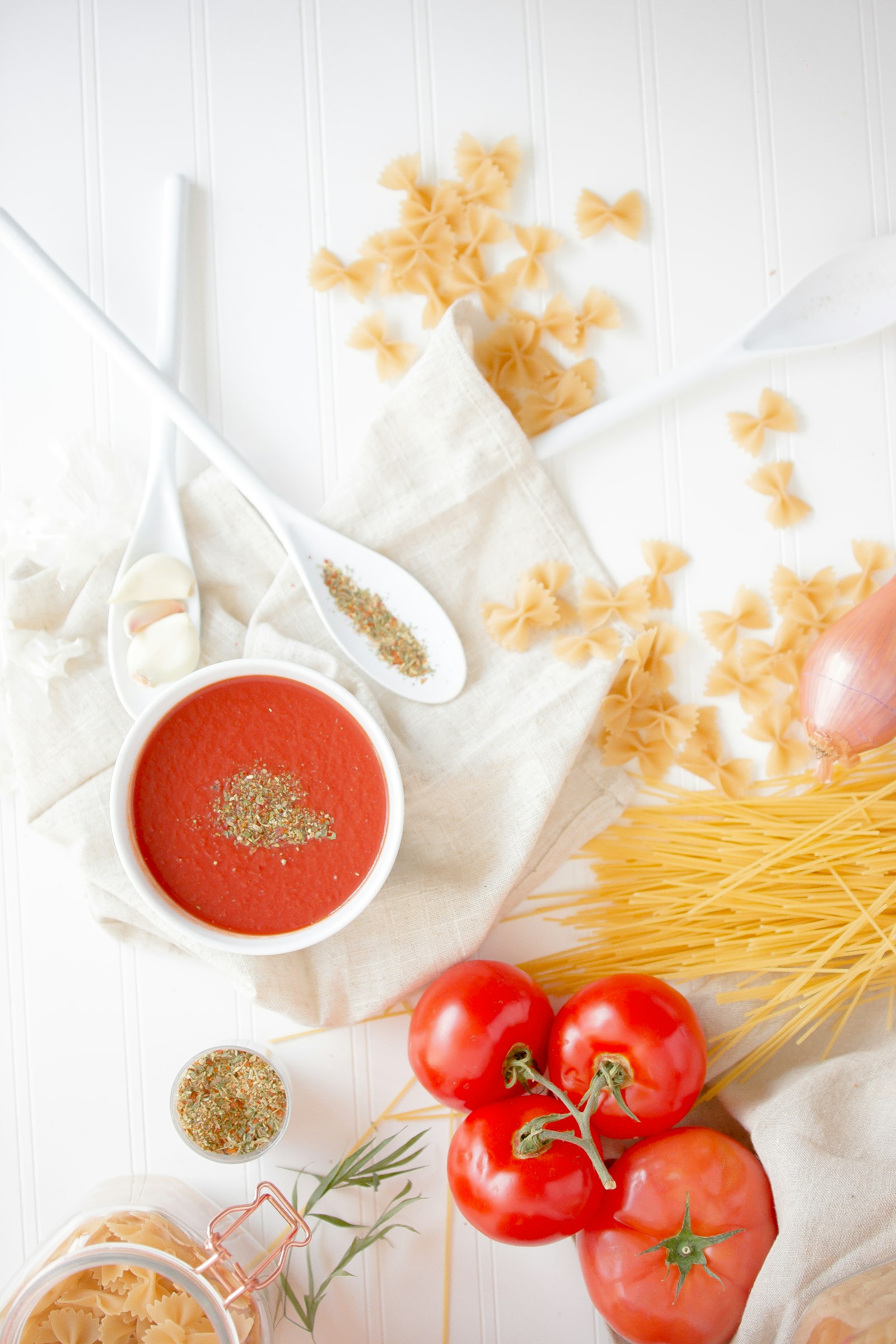
Cook elbow macaroni with canned mackerel
- Start the water. Bring the pasta water and teaspoon of salt to a boil. While it heats, prepare the fish, onion and garlic. Keep the fish separate from the uncooked pasta so it is ready for the final stage.
- Soften the onion. Warm the olive oil in the skillet over medium heat. Add the onion and cook for 5 to 6 minutes, stirring, until translucent and soft. Add the garlic and optional red pepper flakes, then cook for 30 seconds.
- Simmer the tomato sauce. Add the crushed tomatoes, oregano and black pepper. Reduce the heat to a gentle simmer and cook for 10 to 12 minutes, stirring occasionally. If the sauce spits, partly cover with a lid or splatter screen while leaving room for steam to escape.
- Cook the macaroni. Add it to the boiling water and cook according to the package until just tender with a slight bite. Before draining, scoop out 1/2 cup cooking water. Drain without rinsing.
- Warm the fish. Fold the mackerel and capers into the tomato sauce over low heat. Warm for 2 to 3 minutes, using gentle movements so some fish pieces remain intact. If the sauce is thick, add a tablespoon of pasta water.
- Combine and serve. Add the drained macaroni and fold for about 1 minute. Add pasta water by the tablespoon until the sauce coats the elbows without pooling beneath them. Remove from the heat, add the fresh herbs and taste before adding salt. Serve promptly.
A good sauce-to-pasta balance
The tomato sauce should reach inside the elbows and cling to their surfaces. You should still see some pasta between the sauce and fish. A large amount of tomato liquid on the bottom means the sauce needed more reduction before adding the mackerel. A dry, sticky bowl needs a little pasta water, not necessarily more oil.
Different crushed tomatoes have different thicknesses. Some are close to a chunky purée, while others are more liquid. Use the simmering stage to adjust them. Once the fish has been added, prolonged bubbling makes it harder to preserve flakes, so do most of the sauce reduction beforehand.
If you prefer large fish pieces, reserve a few on the plate and warm them gently in the sauce at the very end. Do not leave them cold as a garnish unless you are deliberately serving a chilled dish and handling it accordingly. This recipe is designed as a hot pasta meal.
Frequently Asked Questions
Can I use mackerel already packed in tomato sauce?
It would require adjusting the amount of tomatoes, salt and seasoning. The main recipe is written for plain fish so the sauce can be controlled separately. A flavored can is not a direct swap with identical results.
Can I replace the mackerel with tuna?
Yes as a suggested variation, though tuna is generally leaner and can taste drier in the same sauce. Keep the fish warming stage short and add pasta water as needed. The substitution has not been kitchen validated for this draft.
Do I need to add cheese?
No cheese is needed for the sauce to coat the pasta. Pasta water and the tomato base provide the connection. If you enjoy cheese with fish, offer a small amount separately rather than changing the whole pan’s salt level.
Why should I save pasta water?
It gives you a small, warm supply of liquid for loosening the sauce after the pasta is added. Add it gradually: a tablespoon may be enough. Pouring in the entire half cup without checking can make the bowl too wet.
Can elbow macaroni with canned mackerel be served cold?
The recipe is designed for a warm sauce. A cold pasta salad needs its own dressing balance and prompt chilling. Leftovers can be eaten cold if they were handled safely, but the sauce will be thicker and the fish flavor more pronounced.
Can I use another pasta shape?
Small shells, short spirals or ditalini are reasonable alternatives by weight. Follow the package cooking time and reserve water before draining. Very long pasta changes how the fish and sauce distribute, so it will feel like a different dish.
Serve a balanced plate
A green salad or steamed green beans is an easy accompaniment. Keep the dressing simple because the capers and tomatoes already provide acidity. For larger appetites, offer bread or a small vegetable side rather than increasing the dry pasta without also considering the sauce amount.
If preparing dinner for people who are new to canned mackerel, use boneless fillets and inspect them carefully. The fish has its own assertive flavor; adding excessive garlic or chili to hide it is unlikely to improve the balance. A moderate amount of sauce and fresh herbs provides a better starting point.
Storage and reheating
Refrigerate leftovers in shallow containers within 2 hours, or within 1 hour above 90°F. Keep them at 40°F or below and use within 2 to 3 days. Reheat with a small splash of water, stirring gently, until the center reaches 165°F. The pasta will be softer after reheating, and the fish may break into smaller flakes.
If making the sauce ahead, cool and store it promptly, keeping the macaroni separate until the meal. Reheat the stored sauce to 165°F, then combine with freshly cooked pasta. Count any earlier storage time for the fish as part of the total. Freezing the assembled pasta is possible, but it is less desirable for texture than serving it freshly cooked.
For a different canned-fish pasta dinner, try our stovetop tuna noodle casserole. If you want a sandwich instead, see the easy tuna melt guide.
Food handling references: FDA storage guidance and FoodSafety.gov reheating temperatures.
Elbow Macaroni With Canned Mackerel and Tomato Sauce
Ingredients
Equipment
Method
- Start the water. Bring the pasta water and teaspoon of salt to a boil. While it heats, prepare the fish, onion and garlic. Keep the fish separate from the uncooked pasta so it is ready for the final stage.
- Soften the onion. Warm the olive oil in the skillet over medium heat. Add the onion and cook for 5 to 6 minutes, stirring, until translucent and soft. Add the garlic and optional red pepper flakes, then cook for 30 seconds.
- Simmer the tomato sauce. Add the crushed tomatoes, oregano and black pepper. Reduce the heat to a gentle simmer and cook for 10 to 12 minutes, stirring occasionally. If the sauce spits, partly cover with a lid or splatter screen while leaving room for steam to escape.
- Cook the macaroni. Add it to the boiling water and cook according to the package until just tender with a slight bite. Before draining, scoop out 1/2 cup cooking water. Drain without rinsing.
- Warm the fish. Fold the mackerel and capers into the tomato sauce over low heat. Warm for 2 to 3 minutes, using gentle movements so some fish pieces remain intact. If the sauce is thick, add a tablespoon of pasta water.
- Combine and serve. Add the drained macaroni and fold for about 1 minute. Add pasta water by the tablespoon until the sauce coats the elbows without pooling beneath them. Remove from the heat, add the fresh herbs and taste before adding salt. Serve promptly.