
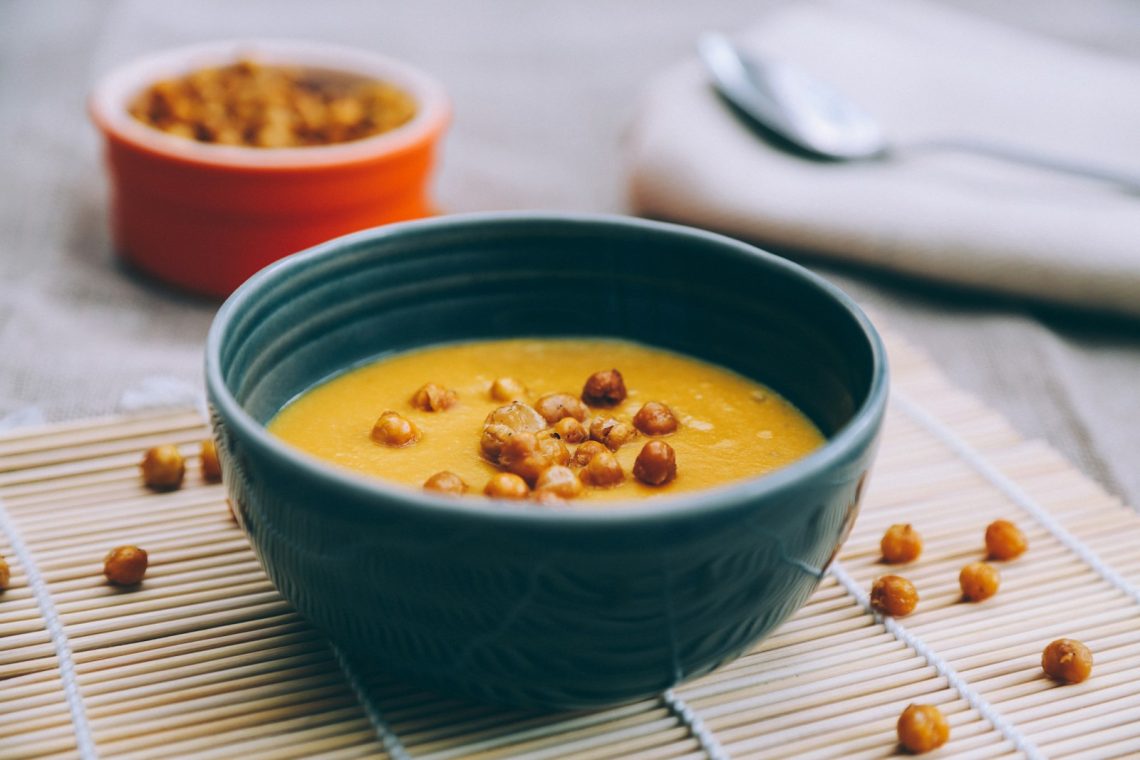
A handful of long pasta can become a spoonable dinner when it is broken into short pieces. This pasta e ceci with broken spaghetti combines chickpeas, garlic and rosemary in a lightly thickened broth. A portion of the chickpeas is mashed before cooking, so the pasta has a creamy base without cream or a tomato sauce.
Affiliate disclosure: As an Amazon Associate I earn from qualifying purchases. These paid links open Amazon search results for comparing equipment.
A heavy 4-quart pot (paid link) holds the chickpeas and broken spaghetti. Use a fork or potato masher (paid link) for the chickpea-mashing step described below. A pasta measurer (paid link) helps portion the spaghetti, and a long-handled wooden spoon (paid link) suits the frequent stirring.
Pasta e ceci means pasta and chickpeas, and home preparations vary in texture and seasoning. This version is a practical pantry interpretation built around conventional dried spaghetti. The pasta cooks directly in the chickpea broth, which means you need to stir and watch the liquid as it approaches tenderness.
Tip: let pasta starch thicken the chickpea broth
- Brown the aromatics and rosemary before adding liquid so their flavor reaches the whole pot.
- Mash a small portion of chickpeas for body while leaving the rest whole.
- Add broken spaghetti only when the broth is simmering and stir frequently to prevent clumping.
- Keep hot water nearby because the pasta continues absorbing liquid until it is served.
The finished dish should sit between soup and pasta: spoonable, glossy and loose enough to move. Add rosemary sparingly at the end, since its flavor intensifies as the pot stands.
Break the spaghetti to fit a spoon
Aim for pieces roughly 1 inch long. They do not need to match perfectly, but a pot containing both long strands and tiny crumbs will be less even to cook and eat. Work with a small handful at a time over a large bowl, or wrap the dry strands loosely in a clean towel before breaking them to contain the pieces.
Use regular wheat spaghetti for the main recipe. Very thin angel hair cooks much faster and can become mushy. Thick spaghetti may need longer, while whole-wheat and legume-based pasta change the timing and liquid behavior. Start with one familiar pasta shape before treating the pot as a place to combine every broken end in the cupboard.
The recipe
Serves: 4. Preparation: 10 minutes. Cooking: approximately 25 minutes. Total: about 35 minutes. Use a heavy 4-quart pot, colander, bowl, fork or potato masher and broad spoon.
Ingredients
- 2 cans chickpeas, 15 ounces each, drained and rinsed
- 6 ounces dry spaghetti, approximately 170 g, broken into 1-inch pieces
- 2 tablespoons olive oil
- 3 garlic cloves, thinly sliced or finely chopped
- 1 teaspoon finely chopped fresh rosemary, or 1/2 teaspoon dried rosemary crushed finely
- 4 cups low-sodium vegetable broth, divided
- 1/4 teaspoon fine salt, plus more to taste
- 1/4 teaspoon black pepper
- 1 teaspoon lemon juice, optional, to taste
- 2 tablespoons chopped fresh parsley
- 1/2 to 1 cup hot water, only as needed during cooking
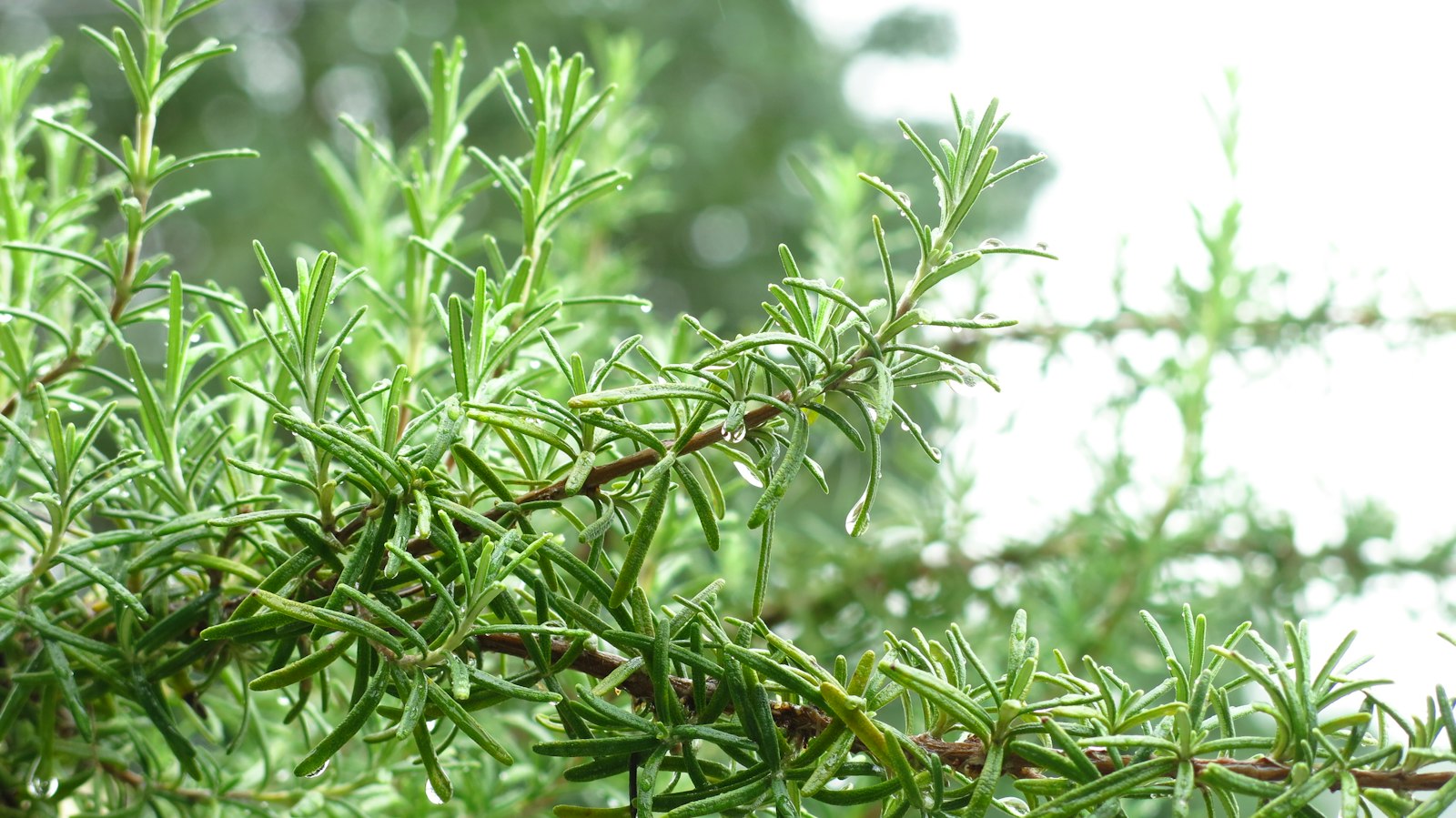
Use the rosemary leaves rather than a woody stem. Chop them finely so no large, stiff pieces remain in the spoonful. The small amount is enough to perfume the broth. If your broth is strongly herbed, begin with less rosemary and taste before adding any more.
Cook pasta e ceci with broken spaghetti
- Mash part of the chickpeas. Put 1 cup drained chickpeas in a bowl with 1/2 cup of the measured broth. Mash with a fork or potato masher until mostly smooth. A few small pieces are fine. Set aside with the remaining whole chickpeas.
- Gently flavor the oil. Warm the olive oil in the pot over medium-low heat. Add the garlic and rosemary. Cook for 1 to 2 minutes, stirring, until fragrant. Keep the garlic pale; if it starts to brown quickly, lower the heat.
- Build the chickpea broth. Add the mashed chickpeas, whole chickpeas, remaining broth, salt and pepper. Stir well and bring to a gentle simmer. Cook for about 5 minutes so the mixture is evenly hot and the mashed chickpeas disperse.
- Add the broken pasta. Stir in the spaghetti pieces. Simmer uncovered, stirring frequently and scraping the bottom, until the pasta is tender with a little bite, usually 8 to 12 minutes depending on the package. Add hot water 1/4 cup at a time if the mixture gets thick before the pasta cooks.
- Check several pieces. Taste pasta from different parts of the pot so a single small fragment does not mislead you. The center should be cooked through, and the broth should still move around the chickpeas. If needed, add a little more hot water and cook briefly.
- Finish and serve. Remove from the heat and stir in the parsley. Taste and add salt or the optional lemon juice only if needed. Spoon into bowls promptly. The mixture continues to thicken as it stands, so leave it slightly looser in the pot than you want in the bowl.
Control the broth while the pasta cooks
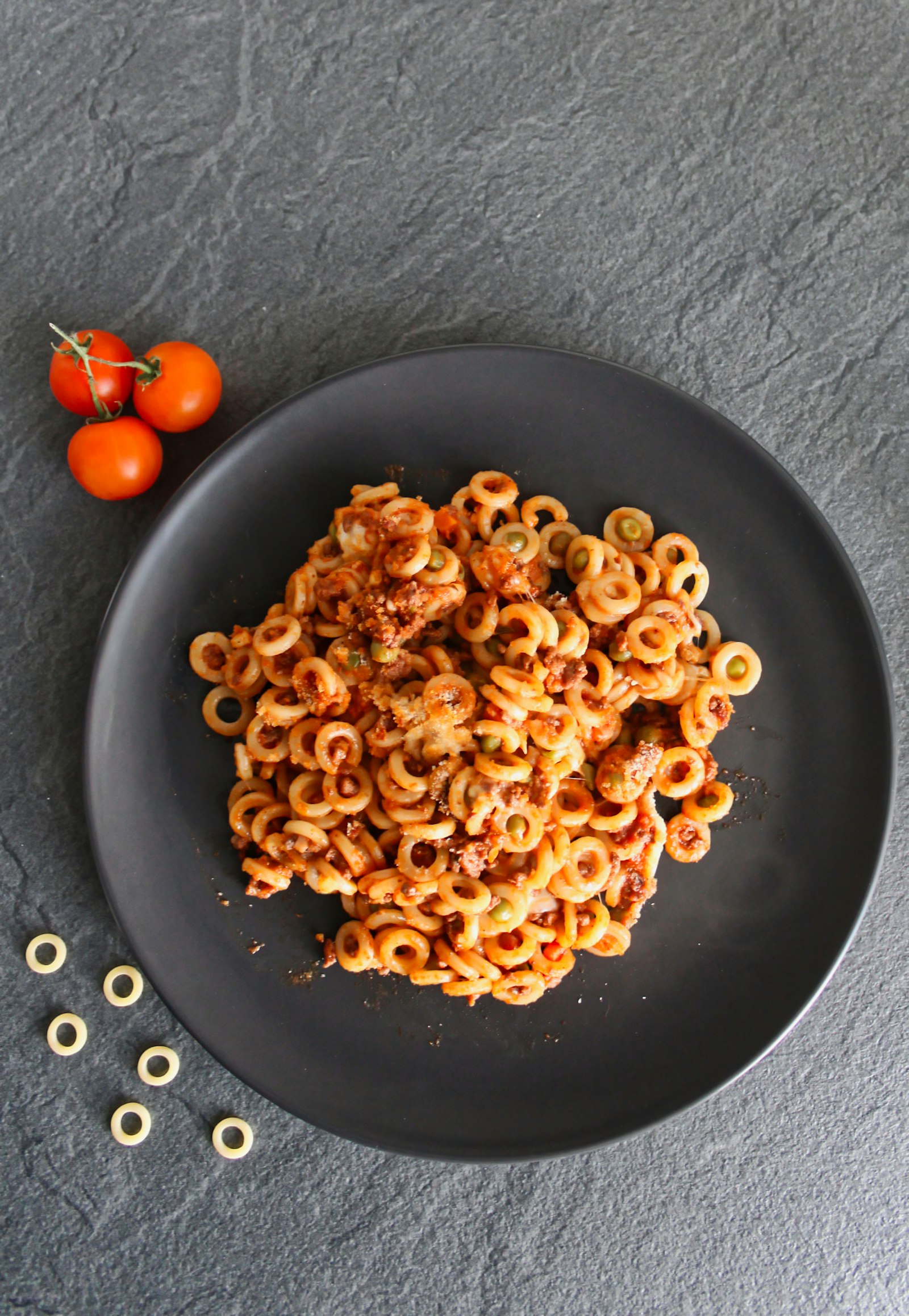
This is a moist, spoonable pasta dish. When you tilt the pot, a little broth should gather at the edge, while the mashed chickpeas keep it from looking watery. The pasta absorbs liquid, and its starch also changes the body of the broth. Those two effects are why the reserve water is kept close to the stove.
Adding a small amount of hot water is a normal adjustment, not a sign that something went wrong. A wide pot evaporates more liquid than a narrow one, and pasta brands vary. Add water gradually so you do not overshoot into a thin soup. If the pasta is ready but the broth is too loose, let the pot stand briefly before deciding whether it needs further cooking.
Frequent stirring matters because the mashed chickpeas and pasta can settle on the bottom. Use slow sweeps through the whole pot rather than stirring only the surface. If the bottom begins to catch, lower the heat and add a little water promptly. Do not scrape a burned layer into the finished dish.
Frequently Asked Questions
Can I use other small pasta?
Yes. Ditalini or small shells are plausible alternatives by weight, using their own package timing. They may absorb liquid differently, so keep hot water available. The main recipe’s 1-inch spaghetti pieces give a particular spoonable texture.
Why mash the chickpeas before cooking?
Mashing a measured portion gives the broth body while leaving most of the beans whole. It is easier to do thoroughly in a bowl than to chase chickpeas around a hot pot. The method does not require a blender.
Can I use dried chickpeas?
Cook them separately until tender and use about 3 cups cooked, drained chickpeas. Their cooking liquid could replace some broth if it is clean, properly handled and pleasantly seasoned. Dry chickpeas cannot be added directly to this short pasta-cooking method.
Can pasta e ceci with broken spaghetti be made ahead?
It can be refrigerated after prompt cooling, but the pasta will absorb more liquid and soften. For the best make-ahead texture, prepare the chickpea base first, refrigerate it safely, then reheat it and cook the pasta at serving time.
Can I add tomato paste?
A little tomato paste would create a different variation. Cook it briefly with the garlic before adding broth and expect to adjust acidity and salt. The main recipe is intentionally tomato-free, so this addition is not an equivalent tested result.
Does it need Parmesan?
No. The mashed chickpeas and pasta starch provide body, and the olive oil carries the garlic and rosemary. If desired, serve grated cheese separately. Check the broth and pasta labels if you need the meal to meet a particular dietary restriction.
Keep the rest of dinner simple
A green salad, sliced tomatoes or cooked greens is enough alongside a bowl. Bread can be useful for the last spoonfuls, but the meal already contains pasta and chickpeas. A small drizzle of olive oil at the table is an optional finish, not a substitute for proper seasoning in the pot.
For people who prefer a stronger flavor, offer black pepper and a little extra chopped parsley separately. Avoid scattering whole rosemary needles over the bowls; finely chopped leaves are more comfortable to eat. The finished dish should remain simple enough that the chickpeas and garlic are easy to recognize.
Refrigerate and reheat
Cool leftovers in shallow containers and refrigerate within 2 hours, or within 1 hour above 90°F. Store at 40°F or below and use within 3 days. Reheat with water or broth added gradually, stirring, until the center reaches 165°F. Expect a softer pasta texture and thicker base than the freshly cooked dish.
If freezing, the chickpea base without pasta is the better quality option. Freeze a promptly cooled portion for up to about 2 months, thaw in the refrigerator and reheat thoroughly before adding fresh pasta and adjusting liquid. Freezing the fully assembled dish is possible but produces much softer spaghetti.
For a different chickpea pasta combination, see our pasta with canned chickpeas and frozen peas. If you want a brothier chickpea meal without pasta, try chickpea lemon soup with celery.
Food handling references: FDA storage guidance and FoodSafety.gov reheating temperatures.
Pasta e Ceci With Broken Spaghetti and Rosemary
Ingredients
Equipment
Method
- Mash part of the chickpeas. Put 1 cup drained chickpeas in a bowl with 1/2 cup of the measured broth. Mash with a fork or potato masher until mostly smooth. A few small pieces are fine. Set aside with the remaining whole chickpeas.
- Gently flavor the oil. Warm the olive oil in the pot over medium-low heat. Add the garlic and rosemary. Cook for 1 to 2 minutes, stirring, until fragrant. Keep the garlic pale; if it starts to brown quickly, lower the heat.
- Build the chickpea broth. Add the mashed chickpeas, whole chickpeas, remaining broth, salt and pepper. Stir well and bring to a gentle simmer. Cook for about 5 minutes so the mixture is evenly hot and the mashed chickpeas disperse.
- Add the broken pasta. Stir in the spaghetti pieces. Simmer uncovered, stirring frequently and scraping the bottom, until the pasta is tender with a little bite, usually 8 to 12 minutes depending on the package. Add hot water 1/4 cup at a time if the mixture gets thick before the pasta cooks.
- Check several pieces. Taste pasta from different parts of the pot so a single small fragment does not mislead you. The center should be cooked through, and the broth should still move around the chickpeas. If needed, add a little more hot water and cook briefly.
- Finish and serve. Remove from the heat and stir in the parsley. Taste and add salt or the optional lemon juice only if needed. Spoon into bowls promptly. The mixture continues to thicken as it stands, so leave it slightly looser in the pot than you want in the bowl.




