
A leftover mashed potato egg skillet is a useful way to turn a small container of yesterday’s potatoes into a hot meal. The potatoes form a shallow base with softened onion and spinach, then whole eggs cook in small wells on top. A lid traps enough steam to set the eggs without an oven. The result is soft and scoopable, with a lightly browned underside rather than a crisp potato pancake.
Jump to the recipe. Because mashed potatoes vary so much, the guide starts with their texture. Thick, lightly seasoned potatoes are easiest to use. Very loose, buttery potatoes need a different approach from stiff mashed potatoes straight from the refrigerator.
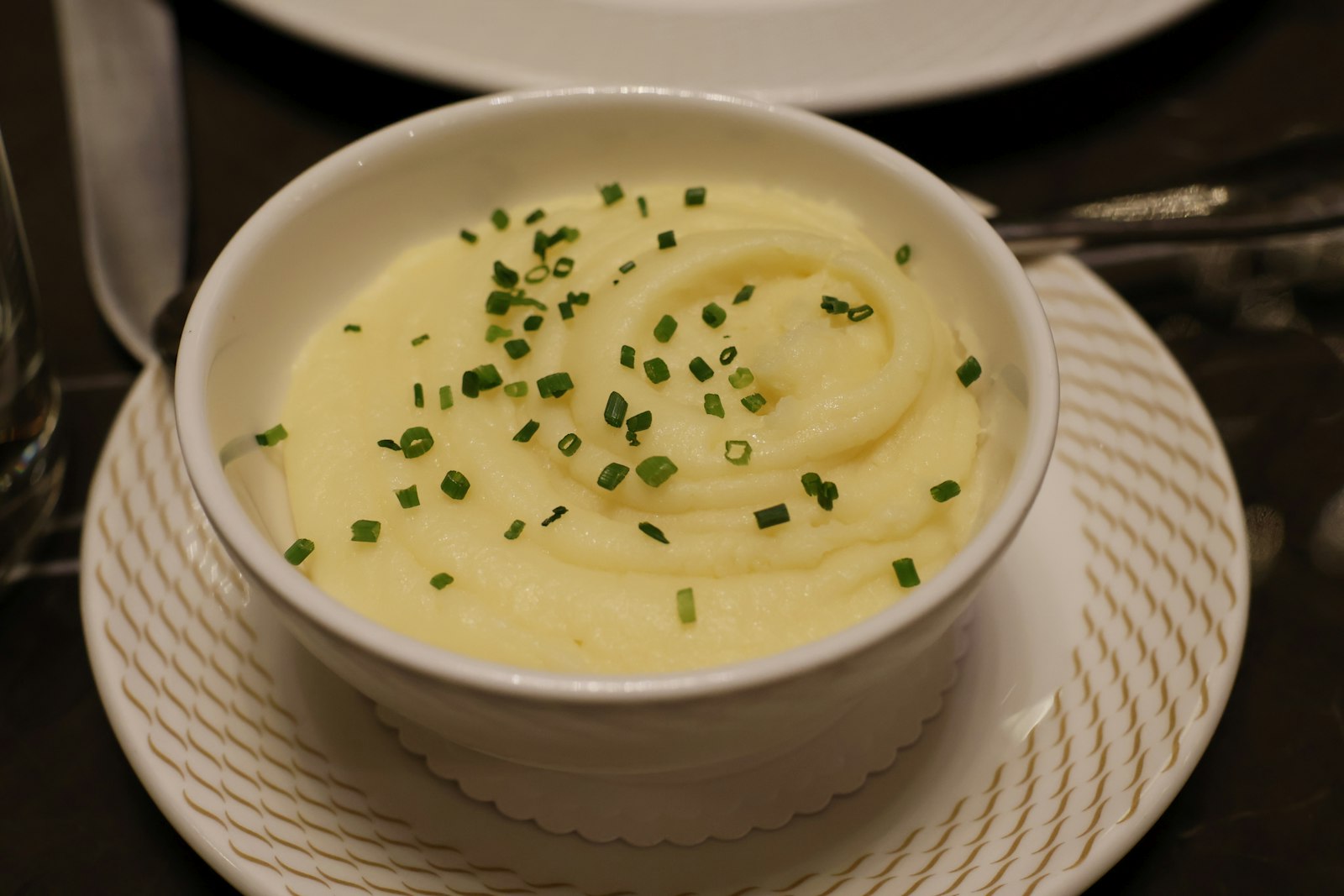
Give leftover mashed potato egg skillet with spinach crisp edges
Start cold
Chilled mashed potatoes hold shape better and brown before spreading across the pan.
Wilt spinach separately
Cook off excess water so it does not soften the potato crust or dilute the eggs.
Add eggs last
Create wells only after the potato base is hot and browned, then cover briefly if the tops need help setting.
Use moderate heat so the bottom colors without burning while the egg cooks. Serve promptly because covered resting continues firming the yolks.
Check the potatoes before you begin
Use potatoes that were refrigerated promptly after the original meal. A new recipe does not erase their previous storage time. If they are already at the end of a 3–4-day refrigerator window, make only what you will eat now and avoid planning several more days of leftovers.
Cold mashed potatoes should mound on a spoon rather than pour. They can include milk, butter, or sour cream, but a very rich version may release more fat as it heats. Garlic-heavy potatoes will produce a garlic-forward skillet, so keep extra seasoning restrained until you taste them.
If your potatoes are loose, warm them uncovered in the pan for a few minutes before making the egg wells. If they are extremely stiff, fold in a tablespoon or two of water while heating. The goal is a base that can hold a shallow indentation without slumping flat.
Leftover mashed potato egg skillet
Affiliate disclosure: As an Amazon Associate I earn from qualifying purchases. Paid links open Amazon search results.
Serves: 2 generously or 3 with sides. Preparation: about 10 minutes. Cooking: about 20 minutes. Total: about 30 minutes. Equipment: 10-inch nonstick or well-seasoned skillet with a lid (paid link), spatula, small cup, and instant-read food thermometer (paid link).
Ingredients
- 1 tablespoon olive oil or unsalted butter
- 1 small onion, finely diced, about 1/2 cup
- 2 packed cups baby spinach, about 2 ounces, chopped
- 2 cups refrigerated leftover mashed potatoes
- 1/4 teaspoon black pepper
- 1/4 teaspoon smoked paprika
- 4 large eggs
- 2 tablespoons water, plus 1–2 tablespoons if the potatoes are very stiff
- 1/4 cup shredded cheddar, about 1 ounce, optional
- 1 tablespoon chopped chives
- Fine salt, only if needed after considering the potatoes’ seasoning
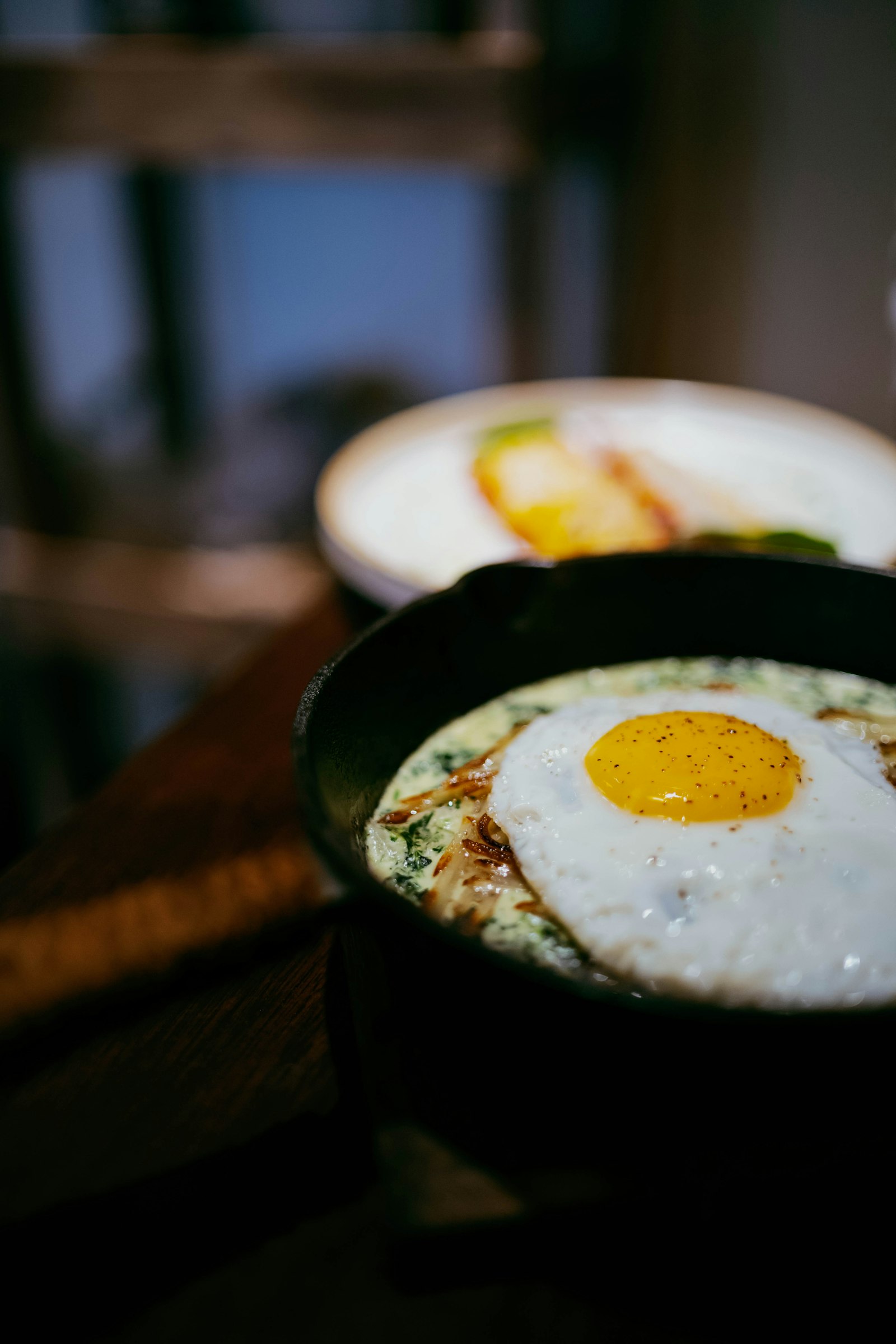
Warm the base, then set the eggs
- Soften the onion. Heat the oil or butter in the skillet over medium heat. Add the onion and cook for 4–5 minutes until soft, stirring regularly. Lower the heat if it colors quickly. Add the spinach and cook for 1–2 minutes until wilted and most visible liquid has evaporated.
- Reheat the potatoes. Add the mashed potatoes, pepper, and paprika. Break the cold potatoes into smaller pieces with the spatula and fold them through the vegetables. Add 1 tablespoon water if they are too stiff to spread. Cook over medium-low heat, stirring occasionally, until the potatoes are hot throughout and reach 165°F in several places. This may take 4–6 minutes or longer depending on their starting temperature.
- Make a stable layer. Spread the hot potatoes evenly, roughly 3/4 inch thick. Let the base sit over medium-low heat for about 2 minutes to develop a little color underneath. Use the back of a spoon to make four broad, shallow wells, leaving a thin layer of potato below each one. Deep holes against bare metal can overcook the egg bottoms.
- Add the eggs carefully. Crack each egg into a small cup, check for shell fragments, and slide it into a well. Sprinkle optional cheddar around the eggs, keeping their surfaces visible. Add the 2 tablespoons water around the edge of the pan, where it can create steam, and immediately cover.
- Cook until fully set. Reduce the heat to low and cook for about 6–10 minutes, checking after 6 minutes. The whites and yolks should be firm, and the egg-containing portion should reach at least 160°F. Add a teaspoon of water at the edge if the pan dries before the eggs finish. The FDA recommends firm whites and yolks and thorough cooking of egg dishes.
- Serve in sections. Remove from the heat, scatter the chives, and use a wide spatula to lift portions from the skillet. Taste before adding salt because mashed potatoes and cheese may already supply enough. Serve promptly while the base is creamy and the eggs are hot.
How to prevent a scorched bottom
Mashed potatoes contain cooked starch and often dairy, so they can catch against hot metal. A moderate burner setting and a pan with an even base are more useful than a long unattended cooking period. Once eggs are added, you can no longer stir the potatoes freely, so make sure the base is thoroughly heated beforehand.
The small amount of water around the edge creates steam. It is not intended to turn the potatoes into soup. A well-fitting lid helps that moisture reach the tops of the eggs. If your lid leaks a great deal, the water may evaporate quickly; add small amounts as needed while keeping the heat low.
A lightly browned layer can be pleasant, but the recipe is not designed to make a rigid crust. Forcing the potatoes to become deeply crisp before the eggs are done increases the risk of bitter spots. If you want a crisp potato cake, use a separate patty recipe with the appropriate binder and thickness.
Adapt to the leftovers you have
Plain mashed sweet potatoes make a different but workable base. Their sweetness pairs with paprika and chives, although they brown readily and need close attention. A blend of ordinary and sweet potatoes can also work. Keep the total amount at 2 cups.
Frozen spinach can replace fresh after it is cooked as directed on the package, squeezed well, and measured to about 1/3 cup. Watery spinach loosens the base and makes the wells collapse. Leftover cooked broccoli, finely chopped, can replace the greens, provided it is safely stored and reheated with the potatoes.
Cheese is optional. Leave it out if the potatoes already contain plenty of dairy or if you want the egg flavor to stand out. A strongly flavored cheese needs less than a mild cheddar. Avoid piling cheese over the eggs because it makes their doneness harder to see.
For a meal without eggs, consider the site’s potato and spinach breakfast hash. For a different potato-based bowl, chickpea mashed potato bowls offer another direction.
Make it a dinner, breakfast, or lunch
A tomato salad, sliced cucumber, or crisp apple adds freshness beside the soft skillet. Toast is useful for a larger appetite, but the potatoes already provide a starchy base, so you do not need several heavy sides. For dinner, serve with a simple green vegetable and let each person choose the portion size they want.
The dish is easiest to portion directly from the pan. Place two eggs and half the potatoes on each plate for two people, or divide more modestly among three with sides. A small uneven edge is part of a skillet meal; trying to cut perfect squares can disturb the eggs.
Common problems and practical fixes
The eggs slide out of the wells: the potatoes may be too loose or the wells too shallow. Carefully nudge the whites back with a spoon, cover, and let them set. Next time, reduce moisture before adding the eggs.
The whites stay clear on top: the lid may not be trapping steam, or the heat may be too low to generate it. Add a teaspoon of water at the edge, cover tightly, and continue cooking. Do not serve the eggs just because the potatoes underneath are hot.
The pan smells scorched: remove it from the burner promptly. Finish the eggs over gentler heat if they are not done, and lift servings without scraping blackened potato into them. A lower starting heat is the main correction for next time.
Store according to the oldest ingredient
Refrigerate extra portions promptly in shallow containers, within 2 hours or 1 hour above 90°F. Keep at 40°F or below. Use within the remaining safe storage window of the original mashed potatoes rather than automatically counting four new days. Reheat to 165°F, following USDA leftover guidance.
The potatoes reheat well with a few drops of water, but fully cooked egg whites may become firmer. For planned meal preparation, make only the onion-spinach-potato base ahead and cook fresh eggs when serving. Keep the components refrigerated rather than assembling raw eggs in the skillet long before cooking.
Frequently Asked Questions
Can I use instant mashed potatoes?
Yes, after preparing them according to the package. Make them thick enough to hold the egg wells and measure 2 cups prepared potatoes. Their seasoning varies, so delay any additional salt until the end.
Can I leave the yolks runny?
This recipe gives directions for fully cooked eggs, with firm whites and yolks. A runny-yolk version would need a different risk assessment and appropriate pasteurized eggs. Do not use the stated cooking endpoint while intentionally leaving the eggs undercooked.
Do I need an oven-safe skillet?
No. The whole recipe cooks on the stovetop under a lid. Use a pan that distributes heat evenly and releases potatoes easily. The lid matters more than whether the handle can go into an oven.
Can I make a single serving?
Halve the ingredients and use a smaller skillet with two eggs. Watch the potatoes because a small pan can heat quickly. Temperature and texture checks still apply even though the amounts are smaller.
Can I use frozen mashed potatoes?
Thaw them safely in the refrigerator or heat according to the package before starting. Stir well and check their consistency. A frozen block added under raw eggs will heat too unevenly for this method.
Why warm the potatoes before adding eggs?
The potatoes need to reheat to 165°F, while eggs can firm quickly on top. Heating the base first gives the leftover mashed potato egg skillet a more even result and prevents waiting for cold potato centers while the eggs overcook.
Leftover Mashed Potato Egg Skillet with Spinach
Ingredients
Equipment
Method
- Soften the onion. Heat the oil or butter in the skillet over medium heat. Add the onion and cook for 4–5 minutes until soft, stirring regularly. Lower the heat if it colors quickly. Add the spinach and cook for 1–2 minutes until wilted and most visible liquid has evaporated.
- Reheat the potatoes. Add the mashed potatoes, pepper, and paprika. Break the cold potatoes into smaller pieces with the spatula and fold them through the vegetables. Add 1 tablespoon water if they are too stiff to spread. Cook over medium-low heat, stirring occasionally, until the potatoes are hot throughout and reach 165°F in several places. This may take 4–6 minutes or longer depending on their starting temperature.
- Make a stable layer. Spread the hot potatoes evenly, roughly 3/4 inch thick. Let the base sit over medium-low heat for about 2 minutes to develop a little color underneath. Use the back of a spoon to make four broad, shallow wells, leaving a thin layer of potato below each one. Deep holes against bare metal can overcook the egg bottoms.
- Add the eggs carefully. Crack each egg into a small cup, check for shell fragments, and slide it into a well. Sprinkle optional cheddar around the eggs, keeping their surfaces visible. Add the 2 tablespoons water around the edge of the pan, where it can create steam, and immediately cover.
- Cook until fully set. Reduce the heat to low and cook for about 6–10 minutes, checking after 6 minutes. The whites and yolks should be firm, and the egg-containing portion should reach at least 160°F. Add a teaspoon of water at the edge if the pan dries before the eggs finish. The FDA recommends firm whites and yolks and thorough cooking of egg dishes.
- Serve in sections. Remove from the heat, scatter the chives, and use a wide spatula to lift portions from the skillet. Taste before adding salt because mashed potatoes and cheese may already supply enough. Serve promptly while the base is creamy and the eggs are hot.




