A ground beef and parsnip skillet is a hearty, one-pan dinner that pairs savory browned beef with sweet, earthy parsnips and carrots in about 45 minutes. Here is the method in brief: brown the beef to 160°F and set it aside, soften onion and diced roots in the drippings, steam them tender under a lid with half a cup of broth, then return the beef with Worcestershire sauce, reduce briefly and finish with red wine vinegar and parsley. It is filling and family-friendly, and it does not need a heavy sauce.
Affiliate disclosure: As an Amazon Associate I earn from qualifying purchases. The paid links below open Amazon search results so you can compare suitable tools.
At a glance
- Serves: 4
- Time: 20 minutes prep, about 25 minutes cooking
- Pan: 12-inch skillet with a lid
- Safe temperature: ground beef to 160°F; reheated leftovers to 165°F
- Key tip: cut parsnips and carrots to the same 1/2-inch size and trim woody cores
Why this ground beef and parsnip skillet works
Ground beef and diced root vegetables need very different amounts of cooking. The beef browns and reaches a safe temperature in under ten minutes, while parsnips and carrots need closer to fifteen minutes of moist heat to soften. Cooking them together the whole time means either tough roots or dry, stewed beef. So the recipe takes the beef out once it is browned, cooks the vegetables in its flavorful drippings, and brings the meat back only for a short finish.
The half cup of broth is a steaming liquid, not a braise. Under a close-fitting lid it softens the diced roots evenly, and it also lifts the browned bits from the bottom of the pan. A brief uncovered simmer at the end reduces whatever is left to a light glaze that coats everything.
Flavor-wise, parsnips are naturally sweet and a little earthy. Rosemary, garlic and smoked paprika add savory depth, Worcestershire sauce brings salt and tang, and a teaspoon of red wine vinegar at the very end keeps the dish from tasting too sweet.
Ingredient and equipment notes
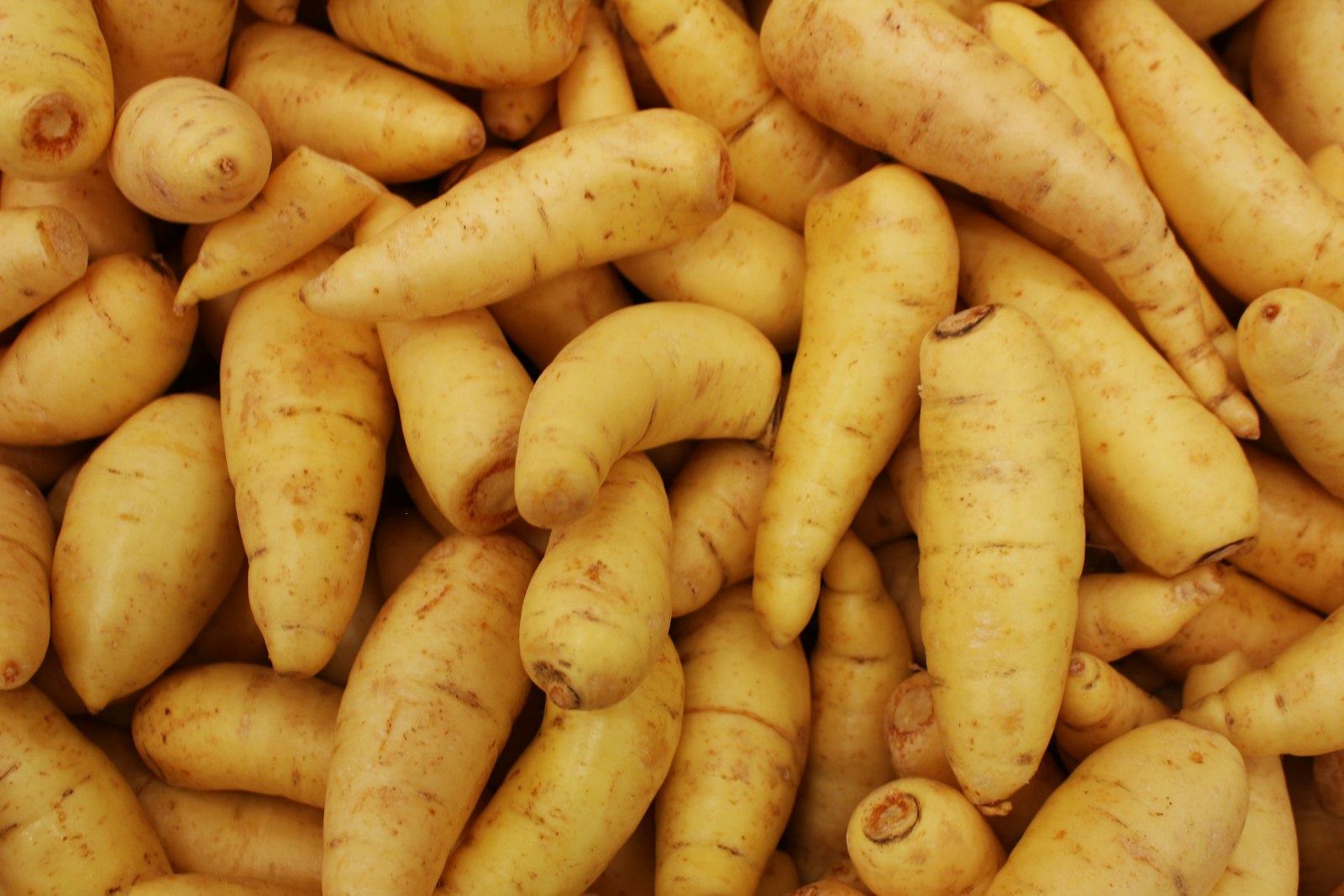
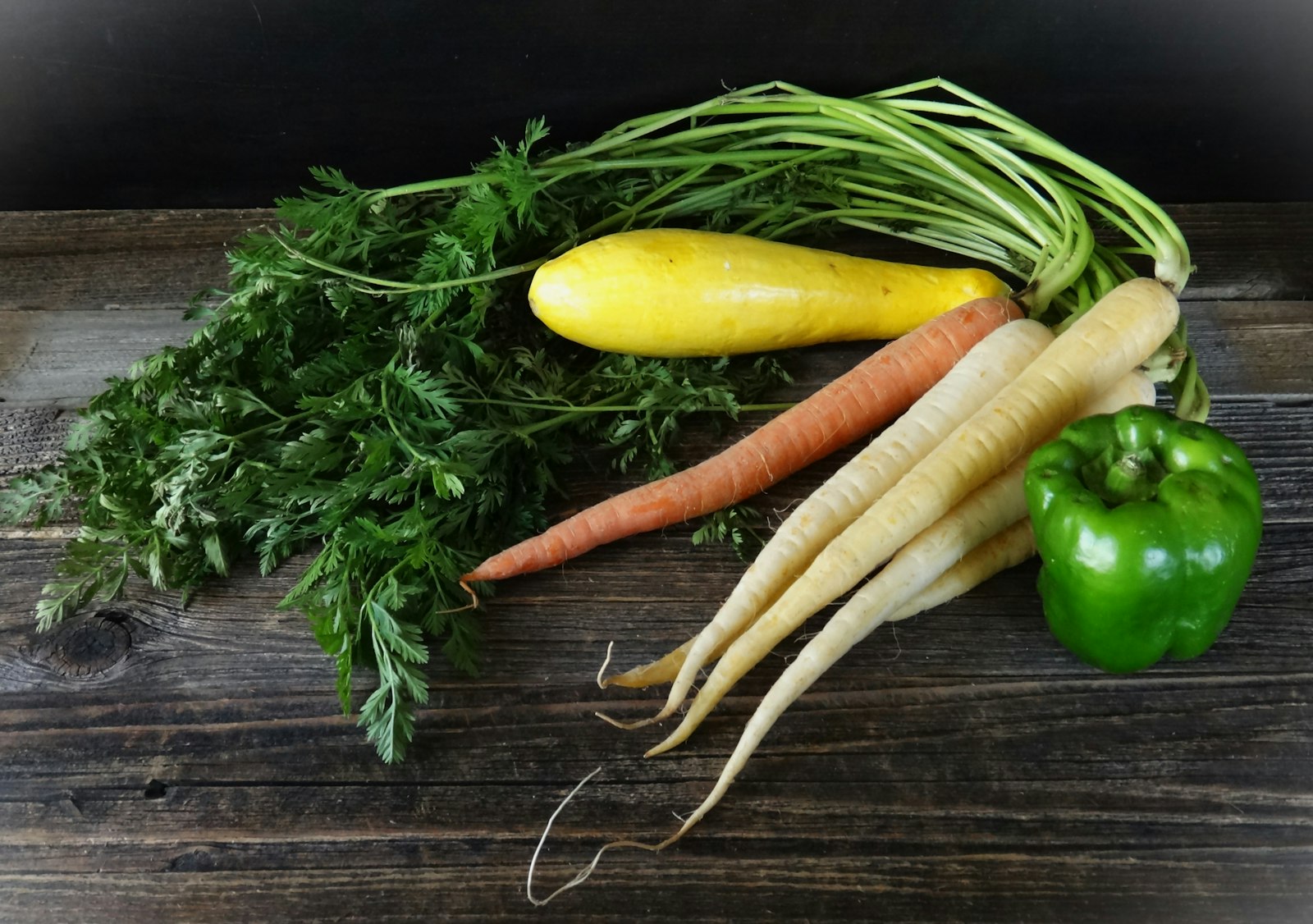
Parsnips. Look for firm, smooth roots without large soft spots. Small and medium parsnips are easier to dice evenly and are less likely to have a tough core. Scrub, peel and trim the ends, then look at the center of the thick end. If it is woody and fibrous, cut around it. Split the thick end lengthwise before dicing and slice the narrow tip into rounds so everything ends up roughly 1/2 inch thick. Weigh 1 pound after peeling and trimming.
Carrots. One large carrot, about 4 ounces, adds color and sweetness. Cut it to match the parsnips so both become tender together.
Ground beef. About 90% lean beef browns well without leaving a lot of fat to pour off. With fattier beef, spoon off the excess and keep only about a tablespoon in the pan for the vegetables.
Seasonings. Crush the dried rosemary between your fingers so you do not bite into stiff needles; dried thyme is a softer swap in the same amount. Worcestershire sauce often contains anchovies, so check the label if that matters for your family. Use reduced-sodium beef broth so you control the salt.
Equipment. A wide skillet (paid link) with a lid gives the beef room to brown and the roots room to steam. A sharp vegetable peeler (paid link) makes quick work of the roots, and an instant-read thermometer (paid link) is the reliable way to confirm the beef is done.
How to make a ground beef and parsnip skillet
Step 1: Brown the beef
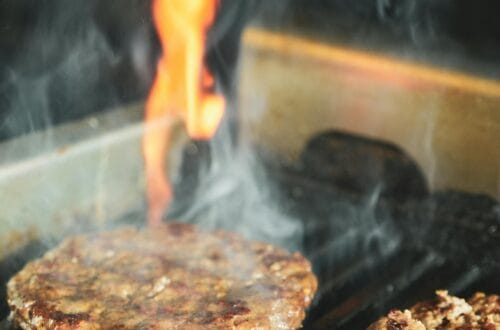
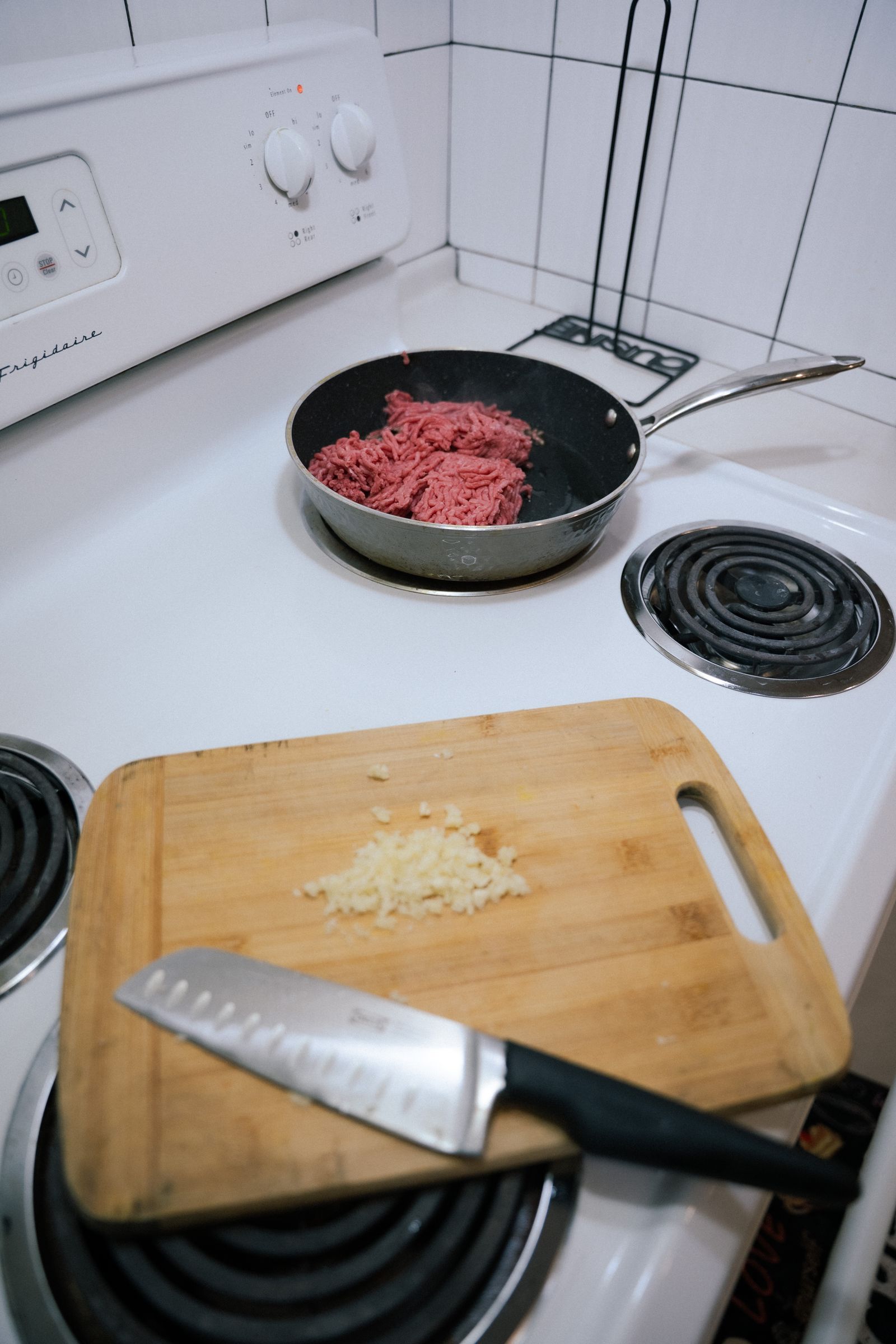
Heat 1 tablespoon olive oil in the skillet over medium-high heat. Add the beef with 1/4 teaspoon salt and the pepper. Break it into small chunks, then let it sit long enough for some surfaces to brown before stirring. Cook 6 to 8 minutes in total. Cue: no pink remains and a thermometer pushed into a thick cluster reads 160°F. Color alone is not a reliable test.
Step 2: Set the beef aside
Lift the cooked beef into a clean bowl with a slotted spoon. Leave about 1 tablespoon of fat in the pan and spoon off any excess. If the pan looks dry, add a teaspoon of oil.
Step 3: Start the vegetables
Add the onion, parsnips, carrot and remaining 1/4 teaspoon salt. Cook over medium heat 4 to 5 minutes, stirring, until the onion softens and a few vegetable edges take on color. Add the garlic, rosemary and smoked paprika for the final 30 seconds, just until fragrant.
Step 4: Steam the roots tender
Pour in 1/2 cup broth and scrape up the browned bits. Cover, reduce the heat to medium-low and cook 8 to 12 minutes, stirring once or twice. Add broth or water a tablespoon at a time if the pan runs dry. Cue: a knife slides into the thickest parsnip piece with no hard center.
Step 5: Combine and reduce
Return the beef and its juices to the skillet, stir in the Worcestershire sauce and cook uncovered 2 to 3 minutes. Cue: everything is steaming hot and the liquid has reduced to a light coating rather than a puddle.
Step 6: Finish and serve
Off the heat, stir in the vinegar and parsley. Taste a forkful with both beef and parsnip before adding more salt. Serve hot.
Food safety: the USDA safe minimum temperature for ground beef is 160°F. Check a few thicker clusters with a thermometer rather than relying on color. Keep raw beef away from peeled vegetables, and use a clean bowl, not the one that held raw meat, when setting the cooked beef aside.
Troubleshooting your ground beef and parsnip skillet
| Problem | Likely cause | Fix |
|---|---|---|
| Parsnips soft outside, tough inside | Woody core or pieces too large | Keep cooking covered with a splash of broth; trim cores next time |
| Vegetables still hard, pan dry | Too little liquid or lid not tight | Add 2 tablespoons broth, cover and continue on medium-low |
| Pan soupy | Too much liquid left | Reduce uncovered before returning the beef |
| Beef dry or rubbery | Overcooked or simmered too long | Fold in a spoonful of broth; remove beef promptly at 160°F |
| Tastes too sweet | Parsnips are naturally sweet | Add a few drops more vinegar and check the salt |
| Beef not browning | Pan crowded or stirred too often | Use a 12-inch pan and let it sit before stirring |
Turning the heat up over a dry pan rarely helps hard vegetables. It darkens the outsides while the centers stay firm. Moist heat and a little patience are what soften the roots; large pieces simply need extra time.
Variations and substitutions
- Ground turkey or chicken: cook to 165°F and add a little extra oil; the flavor is lighter.
- Ground pork or lamb: both cook to 160°F and bring a richer flavor; lamb pairs especially well with rosemary.
- Different roots: swap part of the parsnips for potatoes or extra carrots, cut to the same size, and judge by tenderness rather than the clock.
- Herbs: use dried thyme instead of rosemary, or finish with fresh thyme leaves.
- Tomato twist: stir 1 tablespoon tomato paste in with the garlic for a deeper, savory base.
- Greens: fold in a couple of handfuls of baby spinach with the beef and let it wilt.
- No Worcestershire: use another tablespoon of broth plus an extra splash of vinegar to taste.
What to serve with it
This skillet is rich and slightly sweet, so a fresh green side is the best partner. Try a crisp green salad with a sharp vinaigrette, steamed green beans, or our roasted broccoli for a browned, crunchy contrast. A slice of crusty bread soaks up the pan juices, and a scoop of rice, mashed potatoes or egg noodles stretches the meal for bigger appetites. To double the recipe, use two skillets rather than crowding one; a packed pan steams the beef instead of browning it.
Buying ahead? Raw ground beef keeps only a short time in the refrigerator. Our guide to how long ground beef lasts in the fridge explains when to cook or freeze it.
Storage and reheating
Spread leftovers into shallow containers and refrigerate within 2 hours of cooking, or within 1 hour if the room is above 90°F. Keep the refrigerator at 40°F or below and eat the leftovers within 3 to 4 days. If you made the skillet with beef that was already cooked earlier, count the 3 to 4 days from when that beef was first cooked; adding fresh vegetables does not reset the clock.
To reheat, add a splash of broth or water, cover and warm over medium-low heat, stirring gently so the roots do not mash, until the center reaches 165°F. The microwave works too: cover loosely and stir halfway. For longer storage, freeze cooled portions in airtight containers for 2 to 3 months for best quality, thaw in the refrigerator and reheat to 165°F. Add fresh parsley after reheating for a brighter finish.
Printable ground beef and parsnip skillet recipe
Ground Beef and Parsnip Skillet with Carrots
Ingredients
Equipment
Method
- Brown the beef. Heat the oil in the skillet over medium-high heat. Add the beef, 1/4 teaspoon salt, and pepper. Break into small chunks, then allow some surfaces to brown before stirring. Cook for about 6–8 minutes, turning and breaking larger pieces as needed. Check thick clusters and continue until the beef reaches 160°F.
- Set the beef aside. Transfer the cooked meat to a clean bowl with a slotted spoon. Leave about 1 tablespoon fat in the pan; spoon off excess if the beef released much more. If the pan is unusually dry, add a teaspoon of oil before the vegetables.
- Start the root vegetables. Add onion, parsnips, carrot, and the remaining 1/4 teaspoon salt. Cook over medium heat for 4–5 minutes, stirring, until the onion begins to soften and some vegetable edges color. Add garlic, rosemary, and paprika for the final 30 seconds.
- Steam gently in broth. Pour in the broth and scrape up brown bits. Cover, reduce to medium-low, and cook for 8–12 minutes until a knife enters the parsnips and carrots without a hard center. Stir once or twice. Add more broth or water in tablespoons if the pan becomes dry before the vegetables soften.
- Combine and reduce. Return the beef and its juices to the skillet. Stir in Worcestershire sauce and cook uncovered for 2–3 minutes until the mixture is hot and any excess liquid reduces to a light coating. If using previously cooked leftover beef instead, heat the assembled meal to 165°F.
- Finish with acidity and herbs. Remove from the heat and stir in the vinegar and parsley. Taste a bite containing beef and parsnip before adjusting salt. Serve in bowls or on plates while hot.
Notes
Frequently asked questions
Do I need to peel parsnips?
Young, well-scrubbed parsnips can be left unpeeled, but peeling gives a more even texture in this skillet. Either way, cut out damaged spots and any tough, woody core in larger roots.
What do parsnips taste like?
Parsnips look like pale carrots but taste sweeter and more earthy, with a faintly nutty, herbal note. They become especially sweet when browned, which is why a splash of vinegar balances this dish.
Can I use frozen root vegetables?
Yes, but expect extra moisture and a shorter cooking time since they are often blanched. Cook them until tender, reduce any excess liquid, then return the beef.
Can I use a cast-iron skillet?
Yes, as long as it is large enough and has a lid. Cast iron holds a lot of heat, so turn the burner down when you move from browning the beef to steaming the vegetables.
Is it good for meal prep and lunches?
Yes. Chill portions promptly, keep them cold in transit with an ice pack, and reheat to 165°F before eating.
How do I make it lower in fat?
Use 93% lean beef or ground turkey, drain off all but a teaspoon of fat after browning, and add a little extra broth so the vegetables do not stick.
Final thoughts
This ground beef and parsnip skillet is the kind of weeknight dinner that tastes like more effort than it is. Brown the beef and set it aside, steam evenly cut roots in a little broth, then bring it all back together with Worcestershire, vinegar and parsley. Check the beef with a thermometer, store leftovers promptly, and try one of the variations once the basic method becomes a regular in your kitchen.