
You can make crisp, savory pan-fried chickpea patties without a food processor using nothing more than a can of chickpeas, a fork or potato masher and a skillet. Mash the drained chickpeas into a coarse paste, stir in scallions, parsley, garlic, lemon, cumin and smoked paprika, bind with a quarter cup of flour, rest for 10 minutes, then shape small patties and brown them over medium heat. The outside turns golden while the center stays soft with a little texture. They are perfect in pita, beside a salad or as bite-size patties with a yogurt dip.
Affiliate disclosure: As an Amazon Associate I earn from qualifying purchases. The paid links below open Amazon search results so you can compare suitable tools.
Makes
About 6 small patties
Prep + rest
25 minutes
Cook
20 to 30 minutes in batches
Tools
Fork or masher, nonstick skillet
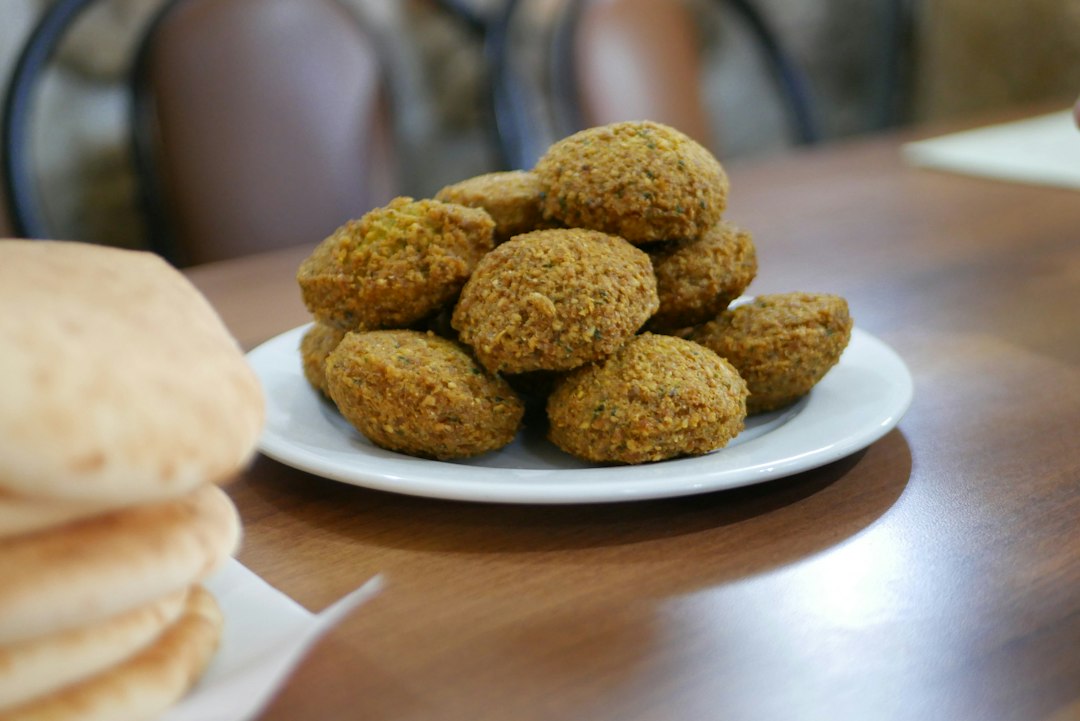
Why pan-fried chickpea patties without a food processor work
A food processor makes a very smooth, uniform mixture, but it is not required for good patties. Canned chickpeas are already fully cooked and soft, so a fork or masher can crush them easily against the side of a wide bowl. What you lose in smoothness you gain in texture: a few small chickpea pieces give each bite more character than a perfectly pureed patty.
Three things hold the patties together. First, mashing most of the chickpeas creates a cohesive paste; whole beans left in the mix create weak spots that crack. Second, a measured quarter cup of all-purpose flour absorbs moisture and sets as it cooks. Third, a 10-minute rest gives that flour time to hydrate, so you can judge the texture accurately before adding more.
Finally, keeping the patties small, about 3 inches across and no more than 1/2 inch thick, means the center cooks through in the time it takes the crust to brown. Large, thick patties tend to bend and break when turned and can stay pasty in the middle.
Ingredients and equipment notes
Chickpeas. This recipe uses one 15-ounce can of cooked chickpeas. Before draining, reserve 2 tablespoons of the can liquid to moisten the mix (plain water works too). Rinse and drain the chickpeas thoroughly and blot off surface water, since excess moisture makes the patties spread. If your brand is very firm and a fork barely dents a chickpea, simmer them briefly in water to soften, drain, and let them cool before mashing. Home-cooked chickpeas work as well: use about 1 1/2 cups, fully cooked and well drained. Dry or merely soaked chickpeas will not cook through in a skillet and are not a substitute here.
Flavorings. Finely sliced scallions, chopped parsley, a grated garlic clove, lemon zest and juice, ground cumin and smoked paprika give a fresh, lightly warm flavor. Cut herbs and scallions small; thick stems create cracks. Cilantro can replace parsley, or use a smaller amount of dill.
Flour. All-purpose flour is the binder. A gluten-free blend or chickpea flour can work but may absorb liquid differently, so fry a trial patty before committing. If the can liquid is salty, use less added salt and taste a cooked sample.
Equipment. A wide, flat-bottomed bowl gives you a firm surface to press against. A manual potato masher (paid link) speeds up the mashing. A 10- to 12-inch nonstick frying pan (paid link) helps the delicate patties release, and a thin spatula (paid link) supports the whole patty when you turn it.
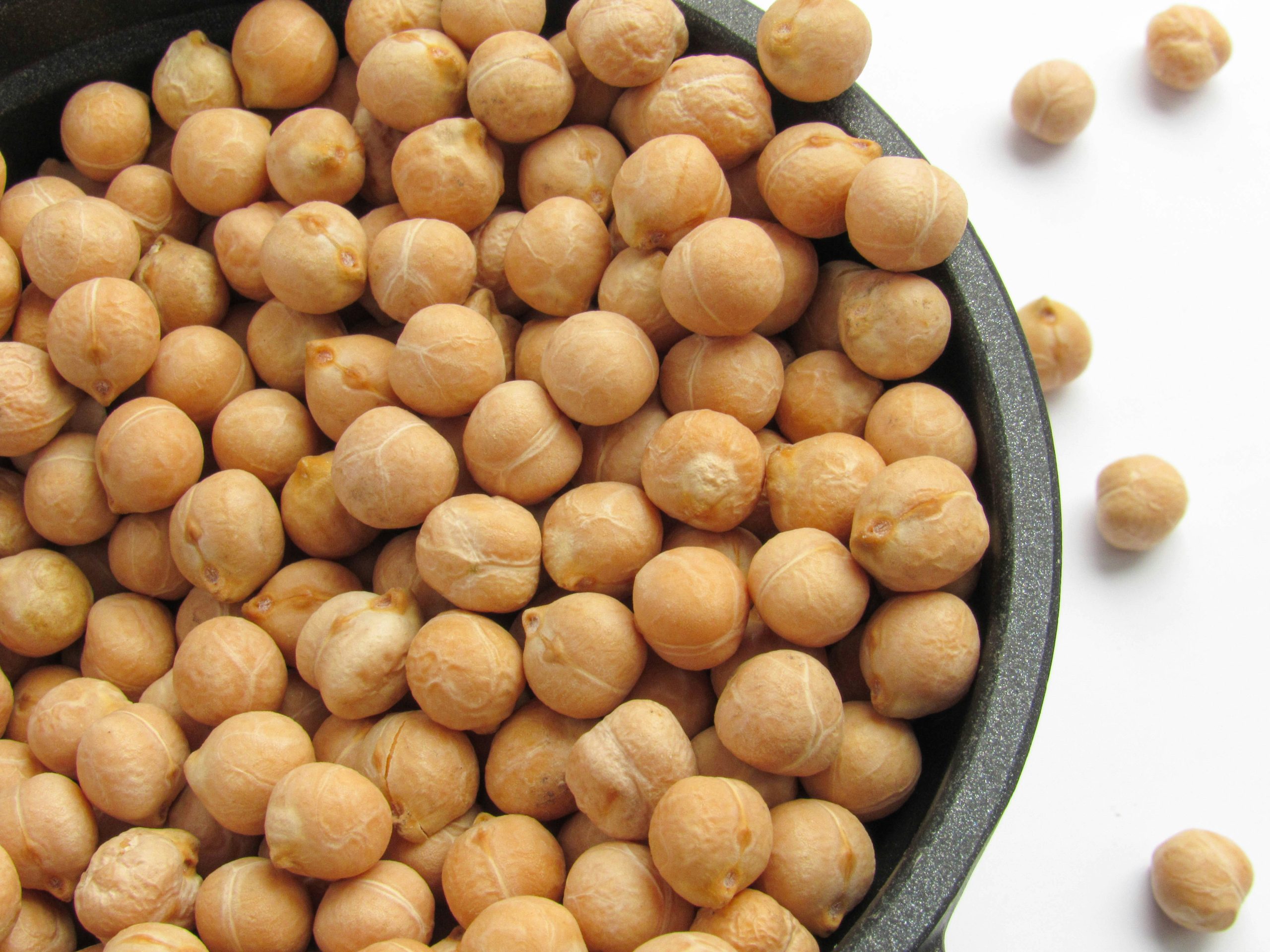
How to make pan-fried chickpea patties without a food processor
- Drain well. Reserve 2 tablespoons can liquid, then rinse the chickpeas in a colander and let them drain for several minutes. Blot away obvious water and tip them into a wide bowl.
- Mash in sections. Press the chickpeas against the bowl with a fork or masher, working on one area at a time, then rotate the bowl and continue. Cue: most chickpeas are crushed into a coarse paste, with only a few pieces about the size of small lentils and no whole chickpeas left.
- Season. Add the reserved liquid, scallions, parsley, garlic, lemon zest and juice, cumin, smoked paprika, salt and pepper. Stir thoroughly so the seasoning is evenly distributed.
- Add flour and rest. Fold in 1/4 cup flour until no dry patches remain. Cover and rest for 10 minutes. Cue: a squeezed handful holds together softly. If it slumps right away, add the extra tablespoon of flour; if it crumbles, add water 1 teaspoon at a time.
- Shape small patties. Divide into about 6 portions of roughly 1/4 cup. Form compact patties about 3 inches wide and no more than 1/2 inch thick, pressing the edges smooth so there are no deep cracks. Slightly damp hands help with sticking.
- Cook a test patty. Heat 1 tablespoon oil in the skillet over medium heat until it shimmers. Cook one patty 4 to 5 minutes, until the underside has a firm golden crust, then slide the spatula fully underneath and turn. Cook another 4 to 5 minutes. Cue: both sides are golden and the center is set, with no wet, raw-flour paste when you break it open.
- Adjust and cook the rest. Let the test patty cool slightly and taste; adjust salt or lemon in the remaining mixture. (Do not taste the raw flour mixture.) Cook the rest in uncrowded batches, adding the remaining oil as needed and lowering the heat if the crust darkens too fast.
- Rest and serve. Transfer to a rack or plate in one layer and let stand 2 minutes so the crust firms. Avoid stacking hot patties, which traps steam and softens them.
Turning tip: chickpea patties are fragile until the first side sets. Wait the full 4 minutes before nudging. If the spatula meets resistance, give it another 30 to 60 seconds instead of scraping under the same edge. Support the whole patty, not just one side, when you flip.
Troubleshooting chickpea patties without a food processor
| Problem | Likely cause | Fix |
|---|---|---|
| Cracks while shaping | Whole chickpeas left or mix too dry | Mash remaining pieces, add 1 teaspoon water, press edges smooth |
| Spreads in the pan | Mix too wet | Rest it longer, then add the extra tablespoon of flour |
| Breaks when turning | Crust not set or patty too large | Wait longer, keep patties 3 inches wide, use a thin spatula |
| Dark outside, pasty inside | Heat too high or patty too thick | Lower heat to medium and flatten patties to 1/2 inch |
| Greasy patties | Pan not hot enough | Let oil shimmer before adding patties |
| Heavy, doughy center | Too much flour used to fix coarse mash | Mash more thoroughly next time instead of adding flour |
Remember that pans often get hotter between batches. The test patty is a guide, not a rule that every later batch needs exactly the same time. Watch the color and lower the heat a little if the second or third batch browns noticeably faster.
Safety note: do not taste the uncooked mixture, because raw flour is not a ready-to-eat ingredient. Pat the patties dry on the surface before frying and lower them into the oil away from you to limit splatter.
Variations
- Herb swap: use cilantro instead of parsley, or a smaller amount of dill or mint.
- Spiced: add 1/4 teaspoon ground coriander, or a pinch of chili flakes or cayenne.
- Vegetable boost: fold in 2 tablespoons finely grated carrot, squeezed dry, with the herbs.
- Gluten-free: use chickpea flour or a gluten-free blend, testing one patty first.
- Bite-size: make 10 to 12 mini patties for an appetizer, cooking about 3 minutes per side.
- Doubled: double the mixture in a larger bowl but keep the patties the same size and cook in batches.
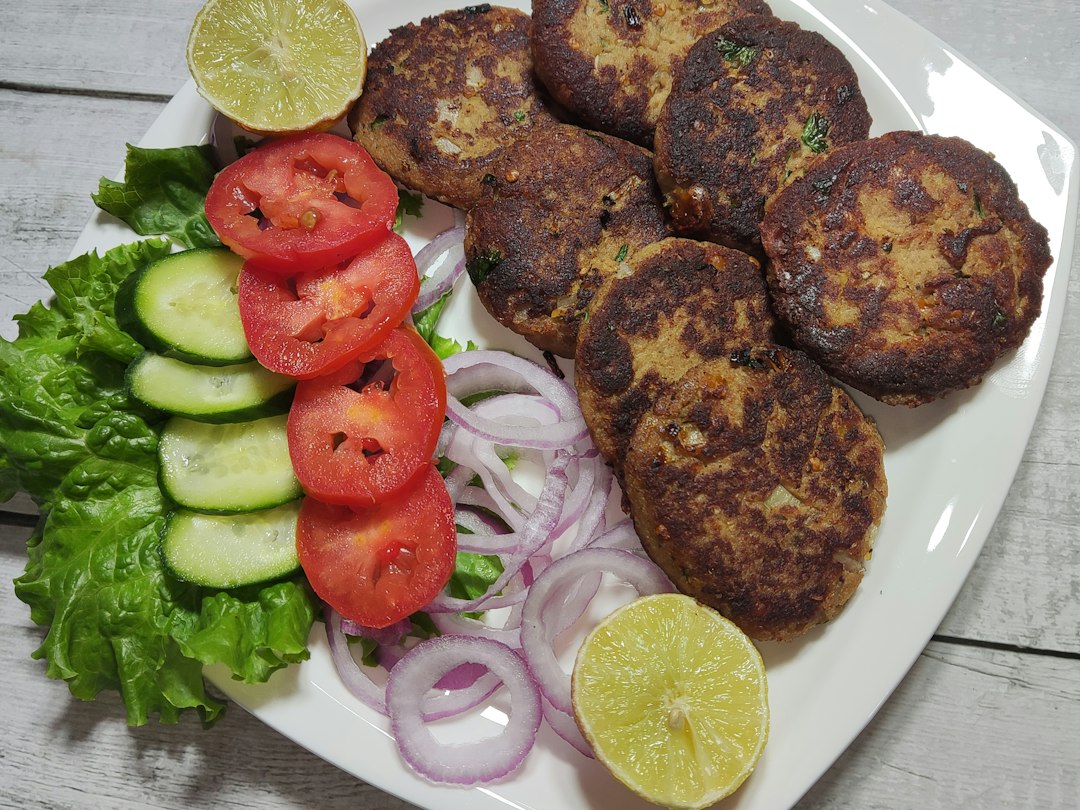
Serving ideas
Tuck two patties into warm pita with lettuce, tomato, cucumber and a spoonful of yogurt or tahini sauce. Serve them on a platter with a chopped cucumber and tomato salad, hummus and pickled onions for a simple mezze-style dinner. They also work on top of a grain bowl or as an after-school snack with a dip. Keep any wet sauce on the side until you eat; a patty soaked in dressing ahead of time loses its crust. For another canned-chickpea lunch, try our chickpea salad pita pockets, or pair the patties with air fryer kohlrabi fries for a crunchy side.
Storage, freezing and reheating
Refrigerate cooked patties in a shallow, covered container within 2 hours of cooking, or within 1 hour if the room is above 90°F. Keep them at 40°F or below and use within 3 to 4 days, following USDA leftover guidance. If you used previously cooked home chickpeas, the earlier of the two deadlines applies.
To reheat, warm patties in a lightly oiled skillet over medium-low heat, turning gently and covering briefly, until the centers reach 165°F. Uncover for the last minute to re-crisp the surface. The microwave works but gives a softer crust. To freeze, cool the cooked patties completely, layer them with parchment in an airtight container and use within about 2 months for best quality. Thaw in the refrigerator, then reheat to 165°F.
Make-ahead tip: cooking the patties and reheating them gives more predictable results than refrigerating the raw mixture, which can loosen as moisture redistributes. If you do chill the mixture, check its texture again and fry a test patty before cooking the batch.
Printable pan-fried chickpea patties recipe
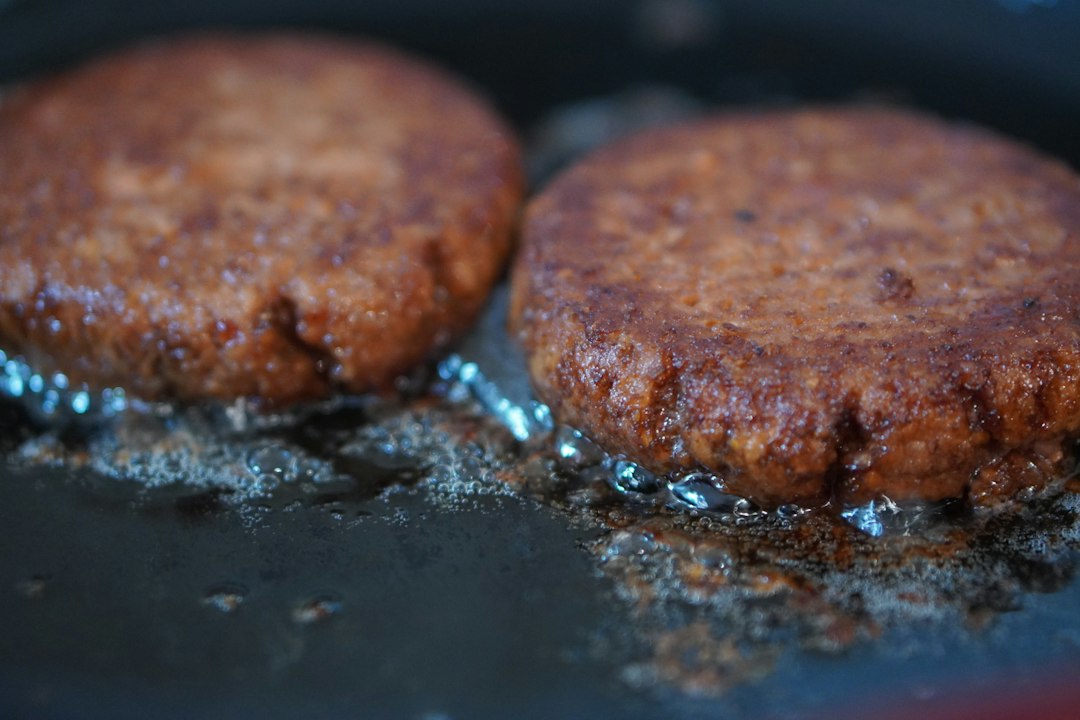
Pan-Fried Chickpea Patties Without a Food Processor
Ingredients
Equipment
Method
- Drain the chickpeas well. Reserve the measured can liquid, then rinse the chickpeas in a colander. Let them drain for several minutes and blot away obvious surface water. Put them in a wide bowl rather than a deep narrow container.
- Mash in sections. Press the chickpeas against the bowl with a fork or masher until most are crushed into a coarse paste. Scrape the bowl and continue. A few pieces the size of small lentils are fine, but whole chickpeas create weak spots in the patties.
- Mix in the flavoring. Add the reserved liquid, scallions, parsley, garlic, lemon zest, lemon juice, cumin, paprika, salt, and pepper. Stir thoroughly so the seasoning is spread through the mash rather than concentrated in one area.
- Add the flour and rest. Fold in the measured flour until no dry patches remain. Cover and rest for 10 minutes. The mixture should be soft but hold together when squeezed gently. If it is wet enough to slump immediately, add the extra tablespoon flour. If very dry and crumbly, add water 1 teaspoon at a time.
- Shape small patties. Divide into about 6 portions, approximately 1/4 cup each. Form compact patties around 3 inches across and no more than 1/2 inch thick. Press the edges together so they do not have deep cracks. Slightly damp hands can help with stickiness.
- Cook a first sample. Warm 1 tablespoon oil in the skillet over medium heat. Add one patty and cook for 4–5 minutes on the first side, until a golden crust forms. Slide the spatula fully underneath and turn carefully. Cook the second side for another 4–5 minutes. The middle should be set, with no wet raw-flour paste.
- Adjust and cook the rest. Let the sample cool enough to taste before changing seasoning. Cook the remaining patties in uncrowded batches, adding the remaining oil as needed. Lower the heat if the crust darkens before the center sets. Do not taste the uncooked flour mixture.
- Serve promptly. Transfer to a plate or rack in one layer. Let stand for 2 minutes so the crust settles, then serve with your chosen salad, pita, or dip. Avoid stacking hot patties, which traps steam.
Notes
Frequently asked questions
Are these the same as falafel?
No. Traditional falafel is usually made from soaked, uncooked chickpeas that are ground and deep-fried. These are pan-fried patties made from cooked canned chickpeas and bound with flour, so the texture is softer and the method is different.
How do I keep the patties from falling apart?
Mash most of the chickpeas, rest the mixture 10 minutes after adding flour, keep the patties about 3 inches wide and 1/2 inch thick, and wait for a firm crust before turning with a thin spatula.
Can I use dried chickpeas?
Only once they are fully cooked. Use about 1 1/2 cups of cooked, well-drained chickpeas. Dry or soaked raw chickpeas will not cook through in the short pan-frying time.
Can I bake them instead?
This recipe is built around skillet contact and a measured amount of oil, so baking is a different method with its own timing. If you try it, brush the patties with oil, bake on parchment and test one first.
Can I make them gluten-free?
Yes, with chickpea flour or a gluten-free flour blend. These absorb liquid differently, so adjust with a teaspoon of water or a little extra flour and fry a test patty.
Are they vegan?
Yes, as written. The chickpea can liquid replaces any egg, and the patties use only plant-based ingredients. Choose a plant-based dip if you want to keep the meal vegan.
Final thoughts
Pan-fried chickpea patties without a food processor are proof that a fork and a little patience are all you need for a crisp, budget-friendly vegetarian meal. Mash thoroughly, rest the mixture, keep the patties small and let the crust set before turning. Once you have the method down, play with the herbs and spices and make them your family’s own.




