
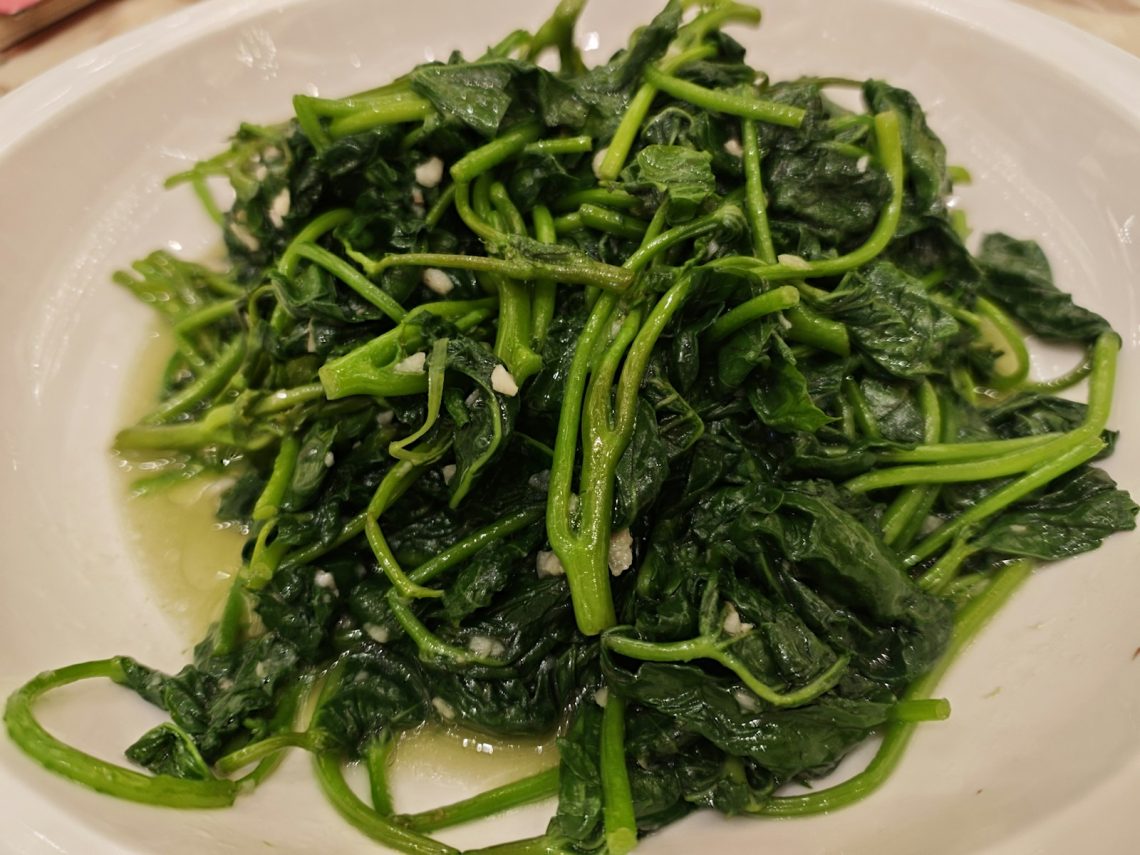
A bunch of kohlrabi can provide a vegetable side before you even cook the bulb. Sauteed kohlrabi leaves with garlic use the broad leaves and the tender portions of their stems, cut into two separate piles so each gets the cooking time it needs. A splash of water softens the greens, while a short uncovered finish keeps them from sitting in liquid.
Affiliate disclosure: As an Amazon Associate I earn from qualifying purchases. These paid links open Amazon search results so you can compare suitable tools.
Choose a 12-inch skillet with a lid (paid link) with room for the greens before they wilt. A pair of kitchen tongs (paid link) is useful for folding the leaves through the pan while the stems finish softening.
Expect substantial cooked greens with a little chew, closer in handling to mature kale than to delicate salad leaves. The goal is tenderness without turning the whole pan into a wet tangle. Garlic, olive oil, and a teaspoon of cider vinegar keep the seasoning simple enough to use with whatever you planned for the kohlrabi bulbs.
Sort the leaves and stems · Jump to the recipe · Fix tough or watery greens
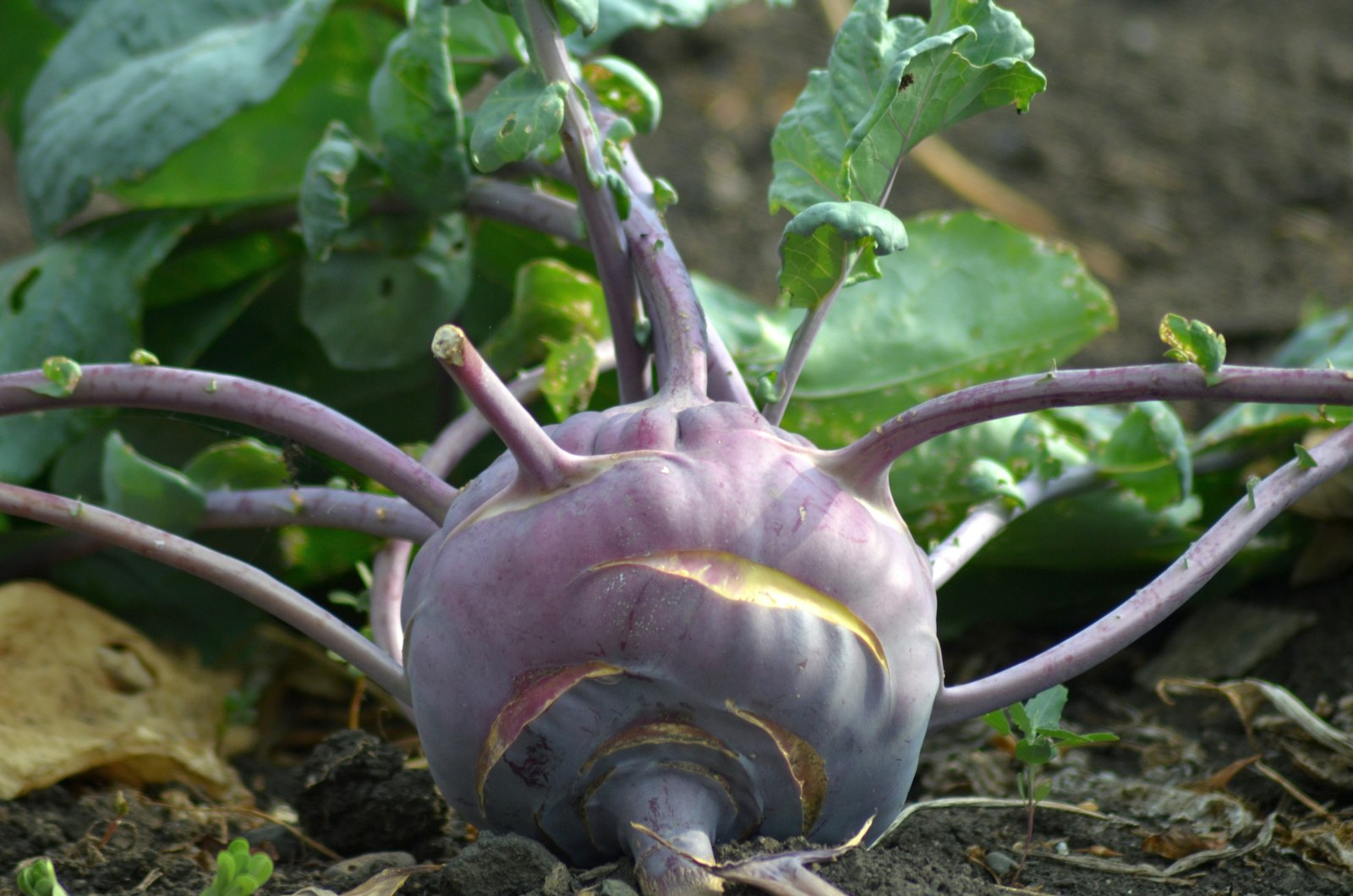
Cook kohlrabi stems before the tender leaves
| Wash | Rinse both sides of the leaves and the grooves of the stems where grit collects. |
| Separate | Slice firm stems thinly and keep them apart from the leafy portions. |
| Stage | Sauté stems first, then add leaves only for the final wilt. |
| Garlic | Add when enough moisture remains to protect it from scorching, or near the finish over lower heat. |
The greens are ready when the stems are tender and the leaves remain bright. Finish with acid after the pan leaves the burner.
Make two piles before you start
Spread the leaves on a board and look at the central ribs. Thin, flexible ribs can be sliced and cooked with the tender stems. Thick ribs that feel woody or resist bending should be removed. The ingredient weight below is the usable amount after this sorting, so a large bunch with heavy discarded stems may yield less than its size suggests.
- Stem pile: Keep tender stems and thin central ribs. Slice across them into pieces about 1/4 inch long. A small, even cut gives them a useful head start in the pan.
- Leaf pile: Stack a few leaves, roll loosely, and cut crosswise into ribbons about 1/2 inch wide. Cut very long ribbons once across the middle so they are easier to turn and eat.
- Discard pile: Remove yellowed, decayed, or damaged portions and woody stem ends. Washing does not turn spoiled material into an ingredient.
Wash grit out of the folds
Rinse the leaves and tender stems under running water, moving the folds apart with your fingers. Use a clean sink or colander and repeat where visible grit remains. The FDA recommends running water for washing produce, along with clean hands and preparation surfaces. Do not use soap on the leaves.
Drain well and shake off excess water. The leaves do not have to be as dry as salad greens because the recipe includes a brief covered step, but a dripping pile makes the measured water meaningless. If washing earlier in the day, refrigerate the drained greens in a covered container with a clean towel until you are ready to cook.
Sauteed kohlrabi leaves with garlic
Yield: 3 small side servings. Prep: 12 minutes. Cook: about 12–16 minutes. Total: about 24–28 minutes. Older or thicker leaves may need a few additional covered minutes.
Equipment
Use a large cutting board, knife, colander, 12-inch skillet with a lid, tongs, and measuring spoons. The greens occupy considerable space before wilting; a pan with enough room makes it easier to fold them without spilling leaves onto the stove.
Ingredients
- 7 ounces (200 g) trimmed kohlrabi leaves, washed, drained, and cut into 1/2-inch ribbons
- About 2 ounces (55 g) tender kohlrabi stems and thin ribs, sliced 1/4 inch thick; omit if none are tender
- 1 tablespoon olive oil
- 2 medium garlic cloves, thinly sliced
- 3 tablespoons water, plus 1 tablespoon more if needed
- 1/4 teaspoon fine salt, divided
- 1/8 teaspoon freshly ground black pepper
- 1 teaspoon cider vinegar, plus 1/2 teaspoon more if needed
Method
- Prepare both piles. Separate the usable stems from the leaves, wash and drain them, and cut as described above. Measure the trimmed leaves; if you have much less than 200 g, scale the seasonings down instead of adding extra stem weight to compensate.
- Start the stems. Warm the oil in the skillet over medium heat. Add the tender stem pieces and cook for about 3 minutes, stirring occasionally. They should begin to soften but do not need to brown. If you have no usable stems, skip this cooking time.
- Warm the garlic. Add the sliced garlic and stir for about 30 seconds, until fragrant. Keep it pale. If it begins to darken quickly, lower the heat and add the first handful of greens promptly.
- Add the leaves. Add the greens in two or three handfuls, turning with tongs as each addition begins to wilt. Sprinkle with half the salt. Once the leaves fit in the pan, add the 3 tablespoons water and cover.
- Soften, then check. Cook over medium-low heat for 5–7 minutes, turning once. Taste a cooled strip of leaf and a stem piece. Both should be tender enough to chew comfortably. If still tough and the pan is dry, add another tablespoon water, cover, and cook for 2 minutes more.
- Finish uncovered. Remove the lid and cook for 1–2 minutes, turning until there is no puddle in the pan. Turn off the heat, add the pepper and 1 teaspoon vinegar, and toss. Taste, then add the remaining salt and optional extra vinegar only if needed. Serve warm.
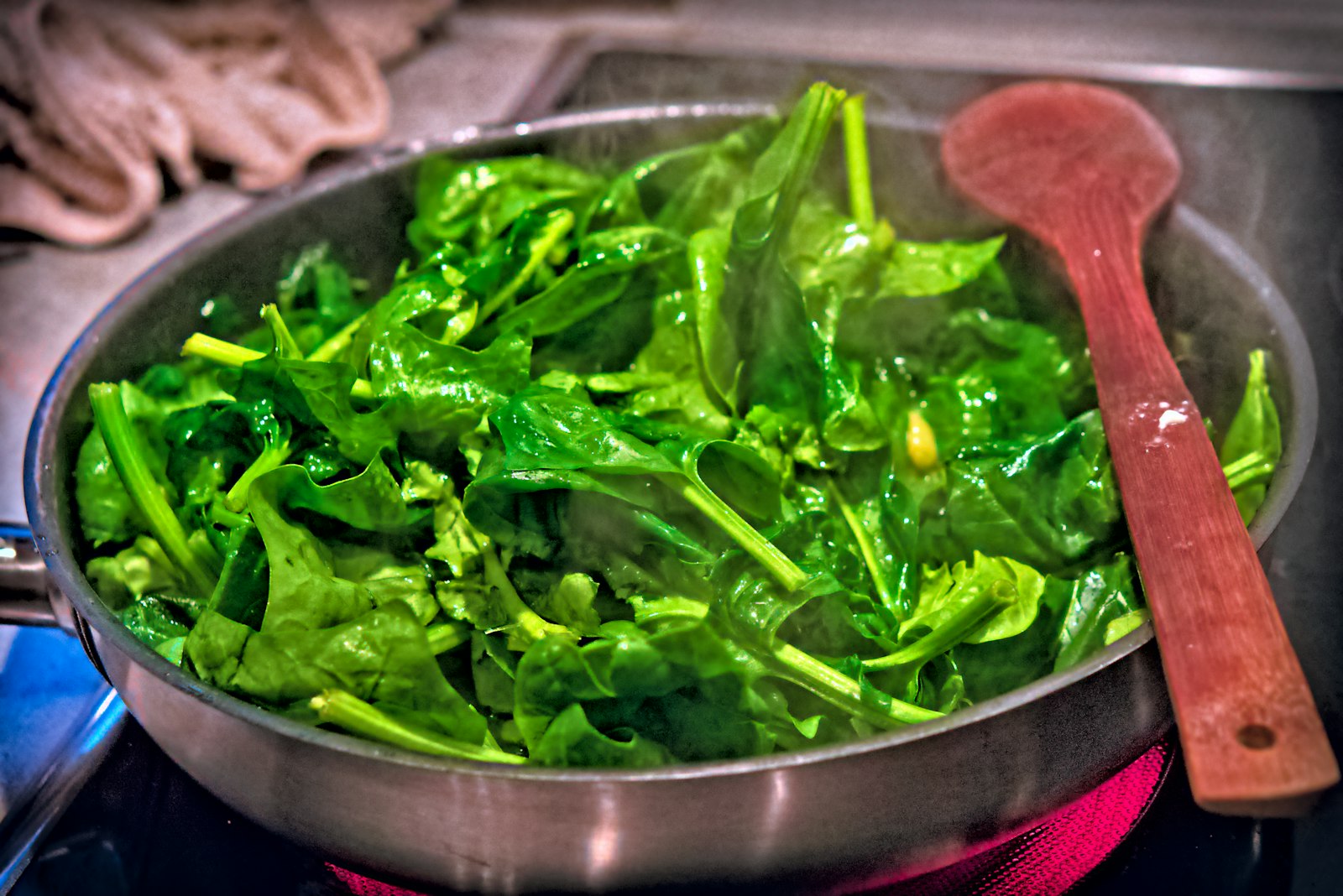
Match the cooking time to the leaves
| Leaf condition | Likely handling need |
|---|---|
| Small, thin, tender leaves | Check early during the covered stage so they do not become overly soft. |
| Broad mature leaves | Use the full covered time, then taste a ribbon and allow more time if needed. |
| Woody ribs with otherwise good leaves | Remove the ribs; longer cooking is not always a good solution for tough woodiness. |
| Leaves wet from washing | Start with the measured water but watch the pan; uncover at the end to evaporate excess moisture. |
A useful doneness check includes the thickest tender stem piece, not just the thinnest leaf. The pan is ready when the leaves fold easily and the stems have lost their raw snap. Some texture is welcome, but a stem that requires persistent chewing needs more time or should have been trimmed away.
Keep the garlic gentle and the vinegar small
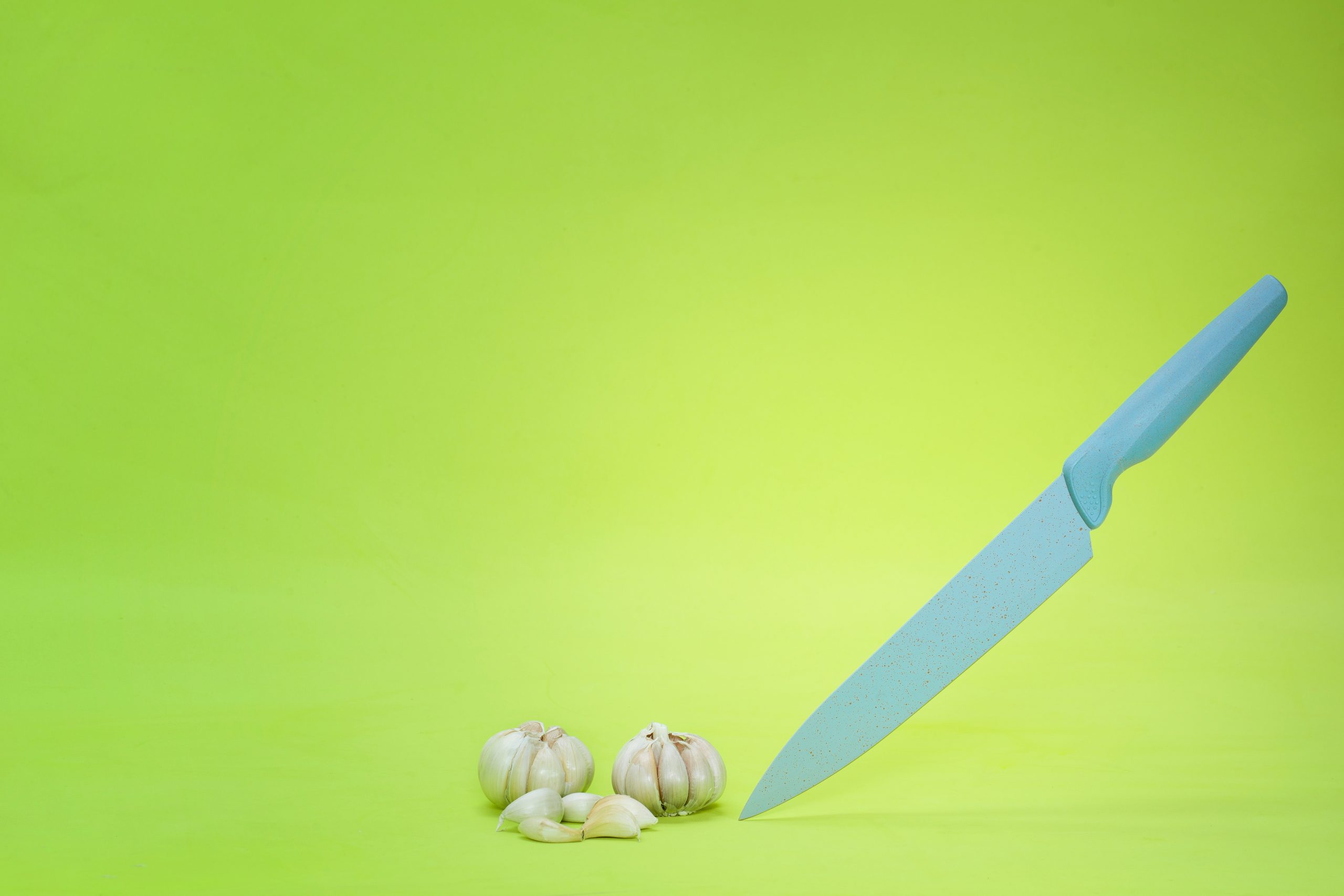
Thin garlic slices are easy to see while cooking, which helps you catch them before they burn. They soften in the covered stage and distribute a milder garlic flavor through the greens. If you prefer minced garlic, use the same two cloves but watch the brief uncovered start especially closely because small pieces color faster.
The vinegar is a finishing adjustment, not a liquid for braising the leaves. Start with one teaspoon and toss thoroughly before tasting. A sour pool under the greens does not improve their texture. Lemon juice can replace the vinegar in the same initial amount for a different, brighter finish.
Fix tough, wet, or strongly flavored greens
The leaves are still tough: Add a tablespoon of water, cover, and give them another couple of minutes over gentle heat. Stirring harder does not soften their structure. Check again and avoid letting the skillet boil dry while the lid is on.
The pan is watery: Uncover and spread the leaves out as much as possible. Let the excess moisture evaporate before adding vinegar. If the greens are already very soft, lift them out with tongs and leave the liquid behind instead of cooking them endlessly.
The garlic is bitter or black: Burnt garlic can affect the whole pan. Avoid scraping charred pieces into the greens. For the next batch, reduce the heat before adding garlic and keep the prepared leaves within reach so you can move on promptly.
The greens taste assertive: Try a small pinch of salt first, then taste with the planned main dish. A teaspoon of extra olive oil can round the finish. Piling in more vinegar is not a reliable way to soften a bitter impression.
Use the bulb and leaves in the same meal
Cook the bulb separately as air fryer kohlrabi fries and serve a small portion of the greens beside them. Their different textures make the two parts feel useful in their own ways. Start the bulbs first, then cook the leaves toward the end so they arrive warm without sitting under a lid for a long time.
For a simple topping, scatter a tablespoon or two of oven-made breadcrumbs from stale bread over the greens at the table. Keep the crumbs out of the skillet during the covered stage, when they would soak up moisture. Toasted bread beside the greens is an equally easy option if you do not want to prepare a separate topping.
Storage and a gentle second use
Put cooked leftovers in a shallow container and refrigerate within 2 hours, or within 1 hour above 90°F. Store at 40°F or below for up to 3–4 days and reheat to 165°F throughout, following USDA leftover guidance. Keep the original cooking date in mind when combining them with another leftover dish.
Reheat a small portion in a covered skillet with a tablespoon of water, then uncover briefly. The leaves will soften further, which makes them useful on toast or stirred into an already-hot bowl of cooked grains. Check the full combined portion is thoroughly reheated rather than assuming hot rice automatically heats cold greens.
Frequently Asked Questions
Can I cook the stems with the leaves from the start?
Only if the stems are very thin and tender. The separate head start is useful for most substantial stems. Cut them small and check a piece at the end; the appearance of wilted leaves does not tell you the stems are ready.
Do I need to blanch the leaves first?
Not for this measured skillet method. The covered water stage softens them in the same pan. Exceptionally tough or woody material should be trimmed out rather than treated as a problem that blanching will necessarily solve.
Can I use only the leaves?
Yes. Skip the stem cooking stage and go directly from warming the oil to briefly cooking the garlic. Keep the 200 g leaf amount and the remaining seasonings, then check the leaves during the covered step.
Can sauteed kohlrabi leaves with garlic be made without oil?
A water-cooked version is possible, but it has a different finish. Start the tender stems in a small splash of water, add the garlic and leaves, and watch closely so the pan does not dry out. Do not use the oil-heating step unchanged.
What if my bunch gives only half the leaves?
Halve the garlic, oil, salt, and vinegar and use a smaller skillet. Start with 2 tablespoons water to create enough steam, then uncover to evaporate any excess. The cooked portion will be small because leaves shrink as they wilt.
Can I add cheese?
You can add a small scattering after serving, but taste the base greens first and reduce the final salt if the cheese is salty. Keep cheese out of the covered cooking stage so it does not cling to the pan.
Sautéed Kohlrabi Leaves With Garlic
Ingredients
Equipment
Method
- Prepare both piles. Separate the usable stems from the leaves, wash and drain them, and cut as described above. Measure the trimmed leaves; if you have much less than 200 g, scale the seasonings down instead of adding extra stem weight to compensate.
- Start the stems. Warm the oil in the skillet over medium heat. Add the tender stem pieces and cook for about 3 minutes, stirring occasionally. They should begin to soften but do not need to brown. If you have no usable stems, skip this cooking time.
- Warm the garlic. Add the sliced garlic and stir for about 30 seconds, until fragrant. Keep it pale. If it begins to darken quickly, lower the heat and add the first handful of greens promptly.
- Add the leaves. Add the greens in two or three handfuls, turning with tongs as each addition begins to wilt. Sprinkle with half the salt. Once the leaves fit in the pan, add the 3 tablespoons water and cover.
- Soften, then check. Cook over medium-low heat for 5–7 minutes, turning once. Taste a cooled strip of leaf and a stem piece. Both should be tender enough to chew comfortably. If still tough and the pan is dry, add another tablespoon water, cover, and cook for 2 minutes more.
- Finish uncovered. Remove the lid and cook for 1–2 minutes, turning until there is no puddle in the pan. Turn off the heat, add the pepper and 1 teaspoon vinegar, and toss. Taste, then add the remaining salt and optional extra vinegar only if needed. Serve warm.
Notes
- Stem pile: Keep tender stems and thin central ribs. Slice across them into pieces about 1/4 inch long. A small, even cut gives them a useful head start in the pan.
- Leaf pile: Stack a few leaves, roll loosely, and cut crosswise into ribbons about 1/2 inch wide. Cut very long ribbons once across the middle so they are easier to turn and eat.
- Discard pile: Remove yellowed, decayed, or damaged portions and woody stem ends. Washing does not turn spoiled material into an ingredient.




