
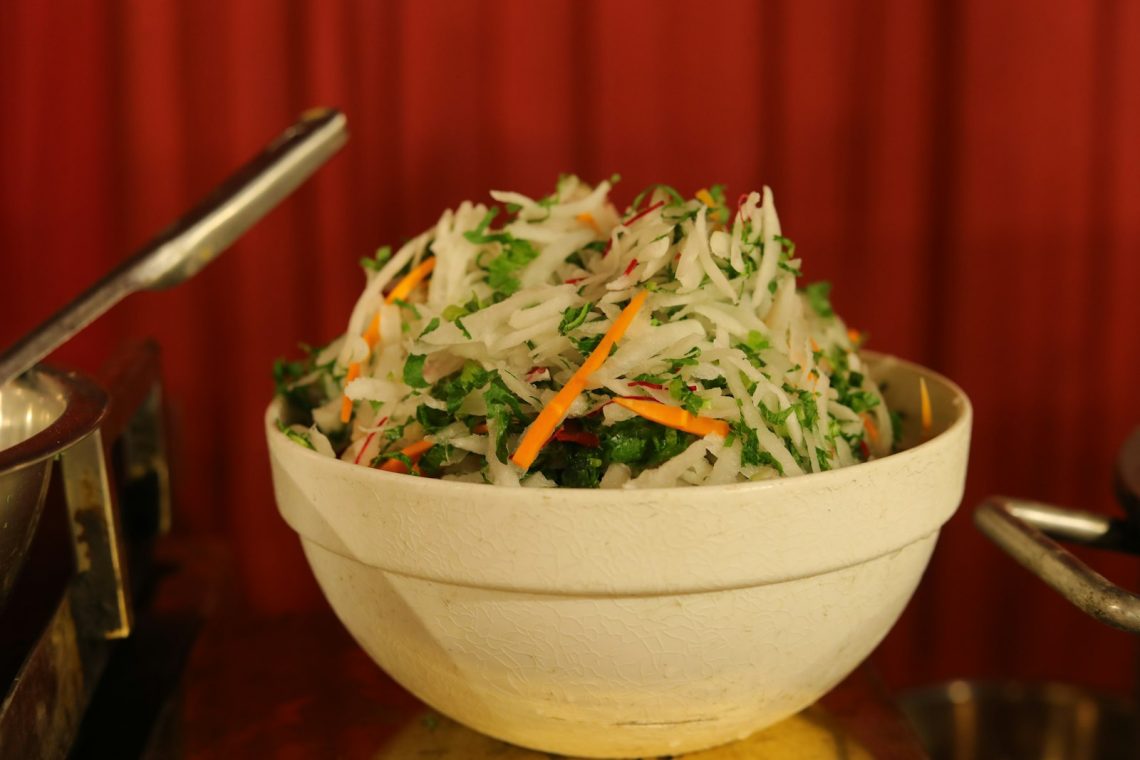
The thick stalk left after cutting broccoli florets can make a crisp side of its own. Broccoli stem slaw with rice vinegar starts by removing the tough outer layer, then cutting the pale center into thin matchsticks. A light sesame dressing adds tang without hiding the mild vegetable flavor.
Affiliate disclosure: As an Amazon Associate I earn from qualifying purchases. These paid links open Amazon search results so you can compare suitable tools.
A vegetable peeler (paid link) helps remove the tough broccoli-stem exterior. Use a sharp chef’s knife (paid link) on a stable board for the thin matchstick cuts described below.
This is a stem-focused slaw, so the peeling and cutting matter more than a long ingredient list. The finished pieces should be easy to chew raw, with enough structure to stay crisp through a short refrigerated rest. If a piece feels woody before dressing, more vinegar will not turn it into a tender matchstick.
See what to trim · Jump to the recipe · Adjust the dressing
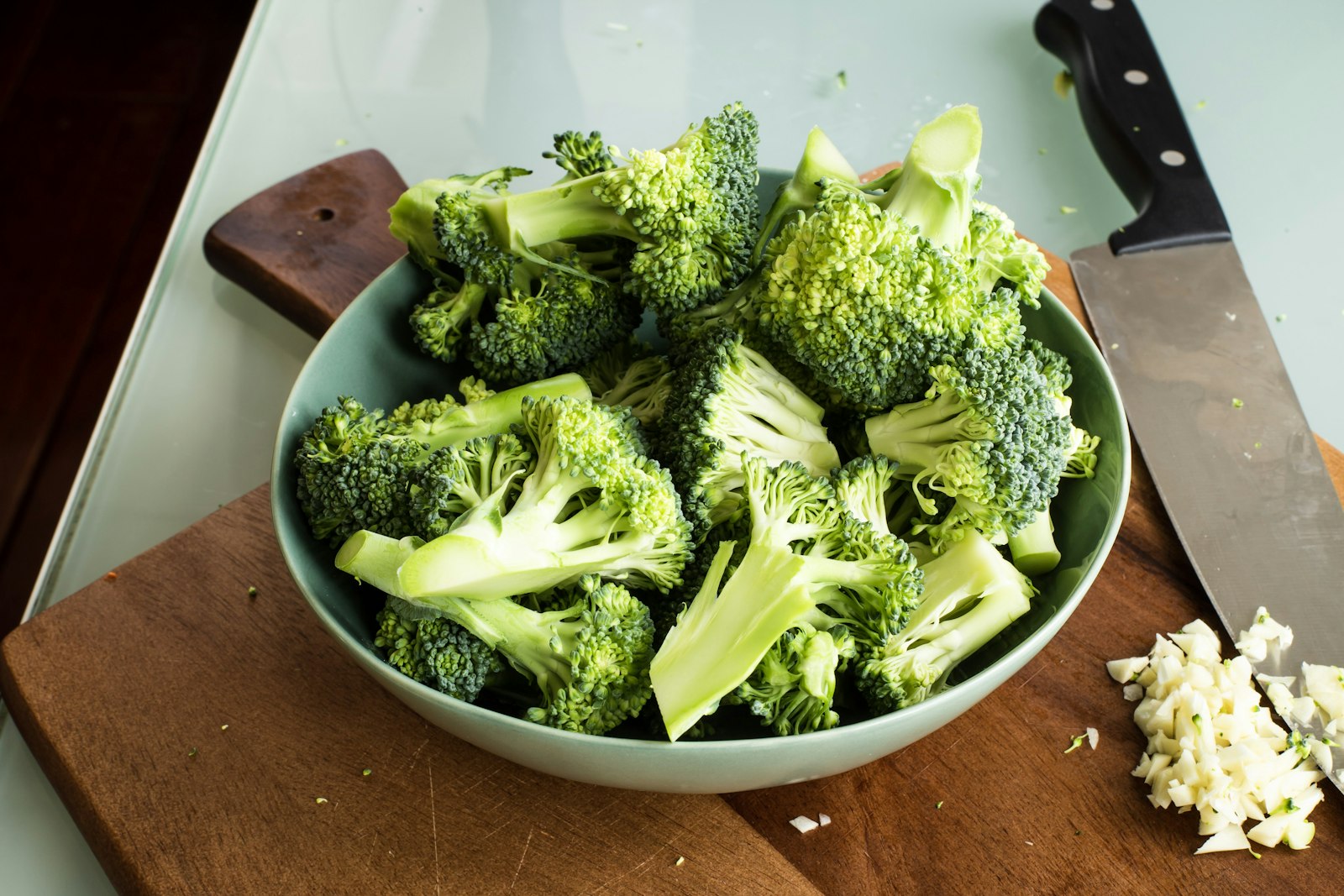
Turn broccoli stems into crisp, even slaw
- Trim the dry base and peel away any tough, fibrous outer layer before measuring.
- Julienne or grate the tender center to a consistent thickness so every piece softens at the same rate.
- Salt only as directed, then drain any released water before adding the dressing.
- Toss with rice vinegar shortly before serving to preserve crunch while giving the stems time to absorb flavor.
If the slaw tastes sharp, balance it with a small amount of sweetness or oil rather than rinsing away the seasoning. Add delicate herbs and toasted toppings after the resting period.
Find the tender center before measuring
Wash the whole broccoli stems under running water and dry them. Cut off the dry bottom end and any remaining woody branch nubs. Set a stem securely on the board and use a vegetable peeler or a small knife to remove the fibrous outer layer, working away from your fingers.
The amount to remove varies. A young, slim stem may need only a light peel; a large mature stalk can have a substantial tough ring. Take a thin slice from the peeled center and taste it. It should have a crisp bite that you can chew comfortably, not leave persistent strings. Peel a little more wherever the test piece remains tough.
Weigh the stems after trimming. The recipe calls for 10 1/2 ounces, or 300 g, of usable center. The number of broccoli heads needed depends on how much stalk came with each one, so a weight is more useful than promising that two or three heads will always provide enough.
| Part of the stalk | Use in the slaw? | Preparation |
|---|---|---|
| Pale, crisp central stem | Yes | Cut into thin, short matchsticks. |
| Tender narrow branch | Yes, if the test bite is comfortable | Trim rough edges and slice thinly. |
| Thick fibrous outer layer | No | Peel away before measuring. |
| Dry or damaged bottom portion | No | Trim away rather than disguising it with dressing. |
Broccoli stem slaw with rice vinegar
Yield: 4 side servings. Prep: 20 minutes. Rest: 15 minutes in the refrigerator. Total: 35 minutes. Cooking: none.
Equipment
Use a vegetable peeler, a sharp knife, a stable cutting board, measuring spoons, and a medium mixing bowl. A kitchen scale helps with the trimmed amount. A box grater is an alternative, but produces a finer, softer slaw than the matchstick version.
Ingredients
- 10 1/2 ounces (300 g) peeled, trimmed broccoli stems
- 2 tablespoons unseasoned rice vinegar
- 1 tablespoon neutral oil, such as canola or avocado oil
- 1 teaspoon toasted sesame oil
- 1 teaspoon soy sauce
- 1 teaspoon granulated sugar
- 2 tablespoons thinly sliced scallion greens
- 2 teaspoons toasted sesame seeds, optional
- A small pinch of fine salt, only if needed after tasting
Method
- Peel and test. Wash and trim the stems, remove the tough outer layer, and taste a thin slice from the center. Continue peeling any area that remains stringy. Measure 300 g of prepared stems.
- Make thin matchsticks. Cut the stems into sections about 2 inches long. Slice each section into planks about 1/8 inch thick, laying a flat side on the board for stability. Stack only a few planks at a time and slice into matchsticks about 1/8 inch wide.
- Dissolve the seasoning. In the mixing bowl, stir the rice vinegar, soy sauce, and sugar until the sugar is dissolved. Whisk in the neutral oil and sesame oil. Taste with a prepared stem piece.
- Toss the slaw. Add the stem matchsticks and scallion greens. Toss gently but thoroughly so the dressing reaches the pieces at the bottom. Cover and refrigerate for 15 minutes.
- Check after resting. Toss again and taste. Add a small pinch of salt only if needed. The stems should remain crisp but no longer taste completely separate from the dressing.
- Serve. Sprinkle with sesame seeds if using and lift the slaw into a serving bowl with tongs or a slotted spoon. Leave excess dressing behind if the stems have released liquid. Keep the remaining portion cold.
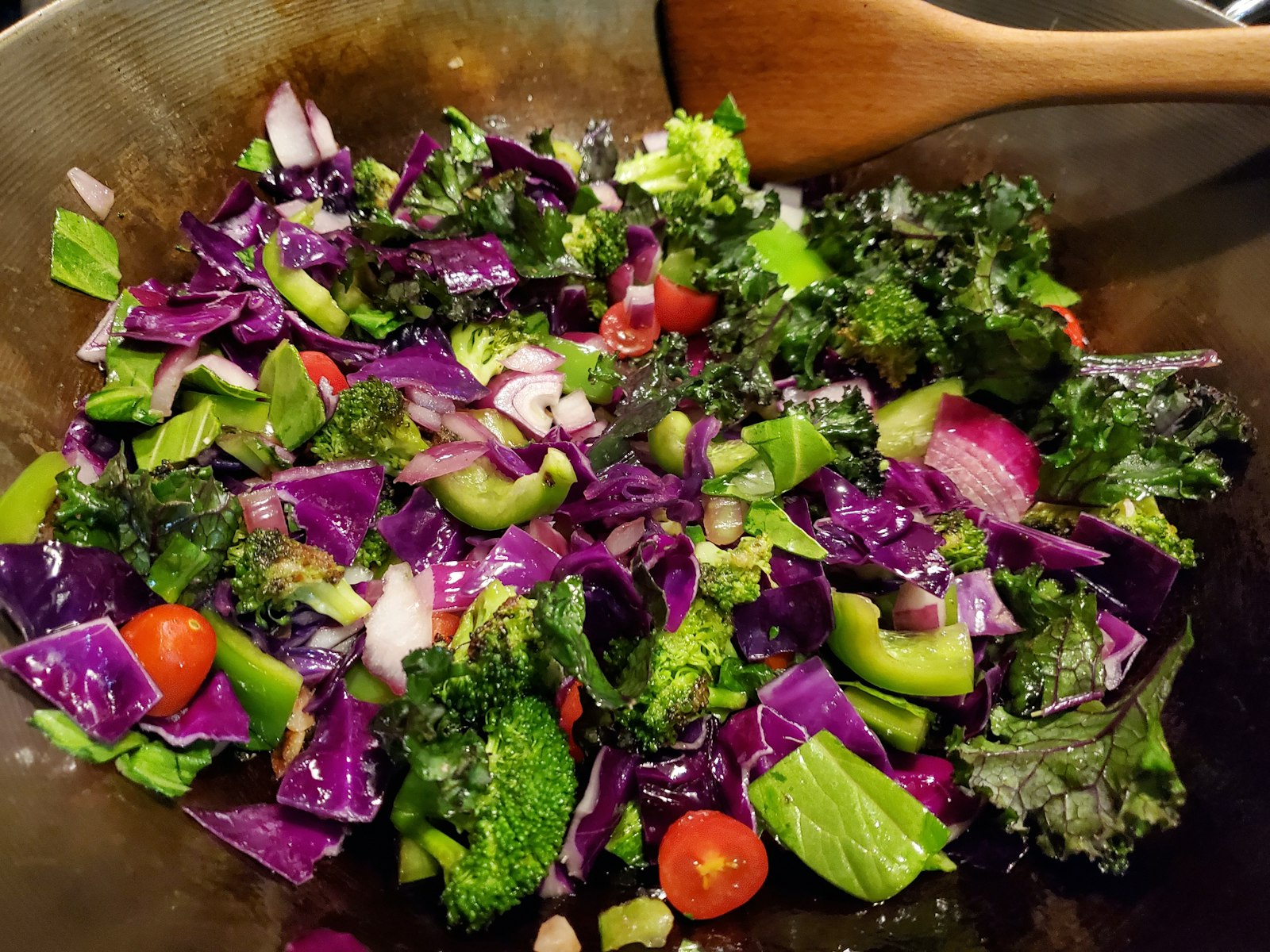
Choose matchsticks or a grater
Matchsticks give the clearest crunch and are useful beside a soft main dish. Keep them short enough to fit on a fork without trailing over the plate. Very thick sticks may look tidy but feel woody even when the center itself is tender, so aim for thin, consistent cuts rather than speed.
For a finer slaw, grate the peeled stems on the large holes of a box grater. Use the same trimmed weight but begin with about three-quarters of the mixed dressing. Grated stems release moisture more quickly and may need less liquid. Add the remaining dressing only after the brief rest and a taste check.
A mandoline can slice planks, but it is not necessary. If using one, follow its instructions and use its guard. A knife offers enough control for a small batch, especially when you first cut a stable flat side and avoid stacking too many slippery pieces.
Use unseasoned rice vinegar
Unseasoned rice vinegar gives you control of the sugar and salt. Seasoned rice vinegar already includes additional seasoning, so it is not a straight swap in a measured dressing. If that is what you have, omit the teaspoon of sugar initially, reduce the soy sauce, and taste with a stem piece before adding more.
The toasted sesame oil is a flavoring in this recipe, not the main volume of oil. A teaspoon is enough to make its presence clear in a small bowl. Replacing the full tablespoon of neutral oil with more toasted sesame oil can overwhelm the mild broccoli center.
The dressing should taste slightly more assertive on its own than it does on the finished vegetable. Still, make adjustments gradually: a few drops of vinegar for more tang, a teaspoon of neutral oil for a gentler finish, or a small pinch of salt if the flavor is flat. Do not add soy sauce repeatedly just to darken the slaw.
Variations based on what needs using
- A little carrot: Replace up to 75 g of the stem weight with peeled carrot matchsticks. Keep the total vegetable weight at 300 g so the dressing quantity remains useful.
- No sesame: Replace the teaspoon of sesame oil with neutral oil and omit the seeds. The result will have a simpler rice-vinegar finish.
- No scallions: Leave them out or use 1 tablespoon finely chopped chives. A large amount of raw onion would change the balance more noticeably.
- A different soy sauce: A labeled gluten-free tamari can replace ordinary soy sauce if that suits your needs. Check the specific product label rather than assuming every tamari has the same ingredients.
Fix a slaw that is too chewy or too wet
Stringy pieces: The outer layer was not fully removed or some sticks are too thick. If there are only a few, take them out and slice thinner. A bowl dominated by woody material is better redirected to a cooked preparation than left in vinegar for hours with the expectation that it will become tender.
A watery bottom: The vegetable has released moisture. Lift the slaw with tongs or a slotted spoon and taste before adding more dressing. For the next batch, dry the washed stems and use the matchstick cut if you prefer less liquid than the grated version produces.
Too much sesame flavor: Add more prepared stem if available, or combine a small portion with an undressed vegetable side. Extra vinegar alone will make the dressing sharper without reducing the concentration of sesame oil.
Use the florets and stems on different parts of the plate
Cook the florets with this guide to browned, crisp roasted broccoli and keep the stems for the cool slaw. The two preparations use different textures from the same purchase without making the plate feel like two identical sides. You can prepare the slaw first and refrigerate it while the florets roast.
The slaw also works beside pork tenderloin cooked to a checked temperature or a simple rice bowl. Serve the cold slaw at the edge rather than stirring it into a hot sauce immediately; that preserves its crunch and lets each bite have a little contrast.
Storage without sacrificing the crunch
For making ahead, keep the cut stems and dressing in separate covered containers in the refrigerator and combine shortly before serving. The cut stems should be clean and well drained. Follow FDA produce handling guidance for washing and clean preparation surfaces.
Refrigerate the dressed slaw at 40°F or below and plan to eat it within 2 days for the best texture. Keep it out of refrigeration for no more than 2 hours, or 1 hour in temperatures above 90°F, following USDA leftover handling limits. The vinegar dressing does not make the mixed salad shelf-stable.
Frequently Asked Questions
Can I leave the outer peel on?
Only where it is tender enough to chew comfortably. The point of peeling is to remove tough fibers, not to make every stem look identical. Taste a thin slice and trim further where necessary.
Can broccoli stem slaw with rice vinegar use cooked stems?
Cooked stems make a different, softer salad. This version is written for crisp raw centers cut thinly. If using safely stored cooked stems, cut them gently and add less dressing at first because they may release more liquid.
Can I use white vinegar instead?
It tastes sharper in this small dressing. Start with 1 tablespoon white vinegar and 1 tablespoon water in place of the rice vinegar, then taste with the vegetable before adding more. The flavor will differ from the original.
Does the slaw need mayonnaise?
No. The light oil and vinegar dressing is designed to coat the thin stems. Mayonnaise would produce a different finish and is not needed to hold the ingredients together.
Can I freeze the prepared slaw?
Freezing is not useful if you want a crisp raw texture after thawing. Make a smaller batch instead. Extra stems intended for later cooking can be handled separately using an appropriate vegetable-freezing method.
How small a batch can I make?
For 150 g prepared stems, halve the dressing and use a smaller bowl. Keep the cuts thin and short. The same short refrigerated rest works for the smaller portion, so there is no need to wait longer.
Broccoli Stem Slaw With Rice Vinegar
Ingredients
Equipment
Method
- Peel and test. Wash and trim the stems, remove the tough outer layer, and taste a thin slice from the center. Continue peeling any area that remains stringy. Measure 300 g of prepared stems.
- Make thin matchsticks. Cut the stems into sections about 2 inches long. Slice each section into planks about 1/8 inch thick, laying a flat side on the board for stability. Stack only a few planks at a time and slice into matchsticks about 1/8 inch wide.
- Dissolve the seasoning. In the mixing bowl, stir the rice vinegar, soy sauce, and sugar until the sugar is dissolved. Whisk in the neutral oil and sesame oil. Taste with a prepared stem piece.
- Toss the slaw. Add the stem matchsticks and scallion greens. Toss gently but thoroughly so the dressing reaches the pieces at the bottom. Cover and refrigerate for 15 minutes.
- Check after resting. Toss again and taste. Add a small pinch of salt only if needed. The stems should remain crisp but no longer taste completely separate from the dressing.
- Serve. Sprinkle with sesame seeds if using and lift the slaw into a serving bowl with tongs or a slotted spoon. Leave excess dressing behind if the stems have released liquid. Keep the remaining portion cold.




