
Celery root mash with braised mushrooms and peas is a practical way to turn a knobbly root vegetable into a warm, spoonable plate. A little potato keeps the mash cohesive without covering up celeriac’s mild celery-and-parsley flavor. Above it, mushrooms brown first, then finish in a small amount of savory broth; frozen peas go in at the end so they remain green rather than disappearing into the sauce.
This is a small-batch vegetarian meal for two light portions, or three vegetable-side portions alongside a protein. It is not a shepherd’s pie and it does not require a casserole dish or oven. For dependable celery root mash, the most important decisions happen before serving: dry the drained root well, use a wide skillet for the mushrooms, and reduce the liquid until it coats a spoon. Those three controls keep the mash from becoming watery under the topping.
A small-batch kitchen guide
Soft celeriac mash. Deeply browned mushrooms. Bright peas. This recipe is all about keeping those three elements distinct until they meet in the bowl.
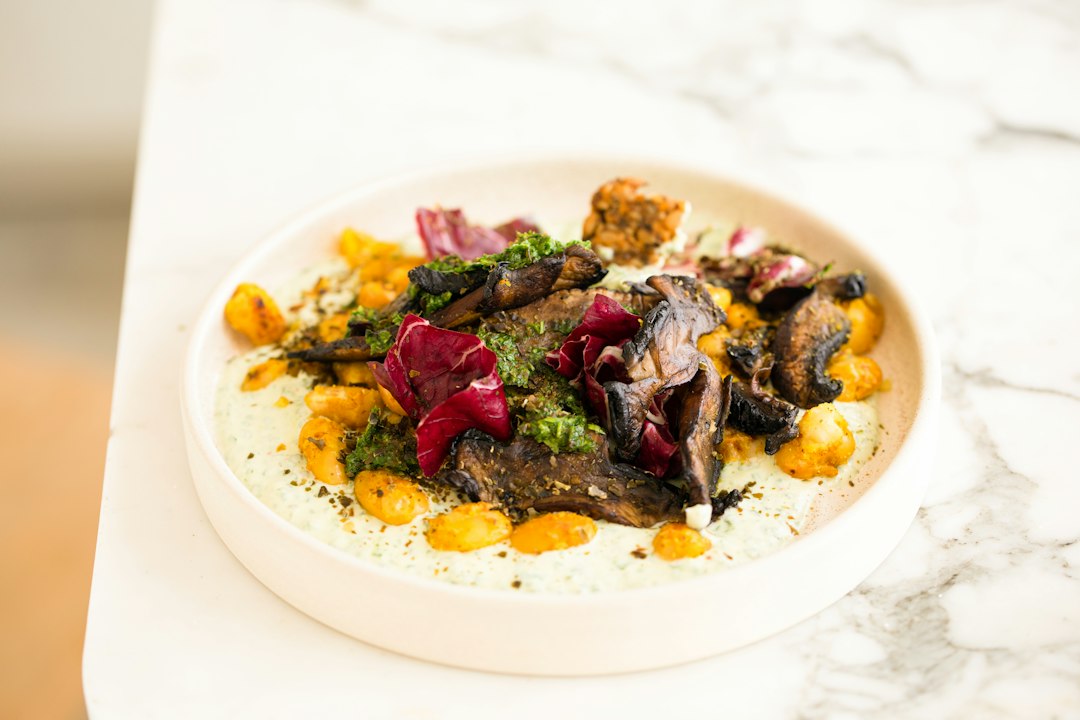
Celery Root Mash with Braised Mushrooms and Peas
Ingredients
Equipment
Method
- Peel the celery root deeply to remove its tough, irregular skin. Weigh 1 pound of prepared flesh and cut it into ¾-inch cubes. Cube the potato to a similar size.
- Place the celery root and potato in a saucepan, cover with cool water by about 1 inch, and add ½ teaspoon salt. Bring to a boil, then simmer for 18–23 minutes, partly covered, until a knife slides easily into the largest pieces.
- Heat olive oil in a wide skillet over medium-high heat. Spread the mushrooms in a single layer and cook for 8–10 minutes, stirring occasionally, until their moisture evaporates and browned spots develop.
- Reduce heat to medium. Add shallot and cook about 90 seconds. Add garlic and thyme for 30 seconds. Stir in flour for about 45 seconds, then add vegetable broth, Dijon, and optional soy sauce. Simmer uncovered for 6–8 minutes until glossy and lightly thickened.
- Stir in frozen peas and simmer for 2–3 minutes, until hot throughout. Taste and adjust pepper and salt as needed.
- Drain the tender celery root and potato thoroughly. Let steam escape for about 1 minute, then return them to the warm saucepan over low heat for 30–60 seconds to remove surface moisture.
- Turn off the heat. Mash with butter, warm milk starting with 3 tablespoons, and pepper. Add more milk by the tablespoon only if needed. Stir in optional lemon juice, taste for salt, and divide between bowls. Spoon the mushroom-pea topping over the mash and garnish with parsley.
Notes
At a glance: warm celeriac mash with mushroom-pea gravy
Affiliate disclosure: As an Amazon Associate, Family Recipe HQ earns from qualifying purchases. These links open Amazon search results so you can compare options.
Helpful kitchen tools for this recipe
- Potato masher for breaking down the cooked celery root and potato.
- Vegetable peeler for trimming the celery root before cubing.
- 12-inch skillet to give the mushrooms room to brown.
- 3-quart saucepan with lid for simmering the root vegetables.
- Yield: 2 light mains or 3 sides, approximately 3 to 3½ cups altogether.
- Equipment: 3-quart saucepan with lid, colander, 12-inch skillet, sturdy masher, sharp knife and vegetable peeler.
- Time: about 20 minutes preparing, 35 minutes cooking, 55 minutes total; boil and skillet stages overlap.
- Main texture cues: celeriac and potato offer no resistance to a knife, mash holds soft peaks, mushroom liquid looks glossy rather than soupy, peas are hot throughout.
- Diet: vegetarian when the broth is vegetarian; vegan and gluten-free adaptations are described below, but check packaged ingredients.
Why keep the mash and topping separate?
Celeriac has enough moisture that mashing it straight from boiling water can leave a loose puree. The tablespoon of butter and modest splash of warm milk will help texture only after the vegetables are thoroughly drained. A small Yukon Gold potato brings starch and makes a fork-mashed version easier; it should not turn this into ordinary mashed potatoes. Start with roughly three parts prepared celeriac to one part potato by weight.
Mushrooms behave differently. In a crowded pan they release moisture and steam instead of developing browned edges. Spread them across a wide skillet, allow their released liquid to evaporate, and stir less frequently at the beginning. Only then add the shallot and the broth. The peas should stay out of this early stage: they need reheating, not extended braising. Treating them as a late ingredient makes their color and texture more predictable.
Ingredients and what each one does
The amounts below are for the full recipe, not per serving. Because celery roots vary dramatically in size and how deeply their crevices must be trimmed, weigh the prepared flesh if possible. You need approximately 1 pound after cutting away the tough outside. A root weighing 1¼ to 1½ pounds before trimming is a rough shopping estimate, not a guaranteed yield.
For the celery root mash
- 1 pound (450 g) peeled, trimmed celery root (celeriac), cut into even ¾-inch cubes
- 5 ounces (140 g) Yukon Gold potato, scrubbed, peeled if preferred, and cubed to match
- ½ teaspoon fine salt for the cooking water, plus a separate pinch at the end if needed
- 1 tablespoon unsalted butter
- ⅓ cup (80 mL) milk, warmed, beginning with only 3 tablespoons; keep the rest in reserve
- ⅛ teaspoon ground white or black pepper
- 1 teaspoon fresh lemon juice, optional, for the finish
Do not replace the measured milk with an unmeasured pour. Different roots absorb different amounts of liquid; adding everything immediately is the easiest way to produce runny mash. Warm the milk so the cooked vegetables do not cool abruptly while you work.
For the braised mushroom and pea topping
- 10 ounces (285 g) cremini or white button mushrooms, wiped clean and cut into ¼-inch slices
- 1 tablespoon olive oil
- 1 small shallot (about 2 tablespoons finely chopped)
- 1 garlic clove, minced
- ½ teaspoon dried thyme, or 1½ teaspoons fresh leaves
- 1 teaspoon all-purpose flour for light sauce thickening
- ¾ cup (180 mL) low-sodium vegetable broth
- 1 teaspoon Dijon mustard
- 1 teaspoon low-sodium soy sauce, optional, for savory depth
- ½ cup (70 g) plain frozen peas, no need to thaw first
- ⅛ teaspoon black pepper, plus a small pinch of salt to taste only after reducing
- 1 tablespoon chopped parsley, optional garnish
The flour here is just enough to lightly bind the broth, not to turn the topping into a thick cream sauce. If you omit it, simmer longer and expect a looser broth. The soy sauce and prepared broth can both contribute salt, so add extra salt after tasting, not before simmering.
The cooking sequence
Step-by-step: celery root mash with braised mushrooms and peas
Work on the topping while the roots simmer, then mash just before serving.
- Prepare and trim the celeriac (about 10 minutes). Scrub away soil, slice a thin flat base so the root stands safely, and use a sharp knife to remove its thick, irregular skin and any deeply lodged dirt. A peeler works only on smoother areas. Weigh 1 pound of the clean flesh; cut into approximately ¾-inch cubes. Dice the potato similarly. Keep pieces close in size so they finish together. Discard spoiled or soft areas rather than trying to rescue them with seasoning.
- Simmer the roots (18–23 minutes). Place the cubes in a 3-quart saucepan, cover with cool water by approximately 1 inch, and add ½ teaspoon salt. Bring to a boil, lower to a steady simmer, and partly cover. Start checking at 16 minutes. A thin knife should slip through the thickest cube without force; don’t rely on the clock alone. While the vegetables cook, start the mushrooms so both components can finish near the same time.
- Brown the mushrooms (8–10 minutes). Preheat a 12-inch skillet over medium-high heat. Add the olive oil, then spread sliced mushrooms into one layer; some overlap is acceptable, but a deep pile is not. Let the first side sit about 3 minutes before stirring. Continue until their initial moisture boils away and visible browned spots form. If your skillet is small, brown in two batches and allow a little extra cooking time; overcrowding is a common cause of a pale, watery topping.
- Build the aromatics (2 minutes). Reduce the skillet to medium. Add finely chopped shallot to the browned mushrooms and cook about 90 seconds until softened. Stir in garlic and thyme for the last 30 seconds, just until fragrant, avoiding scorching. Sprinkle the teaspoon of flour over the mushrooms and stir for approximately 45 seconds to remove its raw surface.
- Braise and reduce the topping (6–8 minutes). Stir the vegetable broth, mustard and optional soy sauce together in a cup, then slowly pour into the skillet while scraping up the browned bits. Bring to a gentle bubble, not a violent boil. Cook uncovered until the liquid has reduced enough to coat the back of a spoon; drag a spoon across the pan and the sauce should not flood the path instantly. It will still flow because this is a light vegetable gravy. Adjust with 1–2 tablespoons water only if it becomes too thick before the mushrooms are tender.
- Add peas late (2–3 minutes). Stir the frozen peas into the bubbling mushroom sauce. Heat until no icy centers remain and all peas are hot, typically 2–3 minutes. Turn the skillet to its lowest setting or remove from heat while finishing the mash. This prevents the peas from dulling and gives you a chance to taste the final salty ingredients together. Add black pepper and only a small extra pinch of salt if necessary.
- Drain and dry the mash vegetables (2 minutes). Tip the fully tender celeriac and potato into a colander. Shake thoroughly and let the visible steam escape for about 1 minute. Return them to the empty saucepan over low heat for roughly another 30–60 seconds, shaking gently, until puddles disappear. Do not scorch the bottom. This additional drying step matters more to the final texture than extra butter or milk.
- Mash, serve and evaluate (3–4 minutes). Turn off the heat. Mash the roots by hand with butter, warm milk starting at 3 tablespoons, and pepper. Add reserved milk by the tablespoon only if too stiff to spoon; a few tiny root pieces are normal. Fold in the optional teaspoon of lemon juice and taste for salt. Divide mash between two warm shallow bowls, spoon mushrooms and peas over the center, and finish with parsley. The gravy should sit on top without turning the mash into soup.
Doneness over minutes: The exact simmer is affected by cube size and root age; the specified knife test is more reliable than a rigid minute mark. The topping’s finished consistency matters too: if broth pools deeply around the mushrooms, keep simmering before adding peas. Do not allow the mash to rest uncovered for a long time; it can crust over as it cools.
Troubleshooting notes
Three useful texture fixes before serving
If the mash is watery
Do not add flour to finished mash. First return it to the saucepan over very low heat, stirring carefully for a minute or two so some surface moisture escapes. If it has already been enriched with milk, work slowly: aggressive heat can cause scorching. Next time trim pieces more evenly, drain for longer, and hold back more milk. A small amount of potato provides body, but it cannot correct a cup of unnecessary liquid.
If the mushrooms are pale or swimming in liquid
Check the pan size, not just the seasoning. Mushrooms should have room to release their water. If they remain pale, remove any excess liquid briefly, let the pan dry and continue until edges brown; restore a measured amount of broth afterward. If the completed sauce looks watery, simmer it uncovered before adding peas. If the sauce is too thick, add broth or hot water by the tablespoon. Avoid pouring dry flour into a hot pan of finished sauce because it makes lumps.
If the peas are tough or the sauce tastes flat
Some frozen peas are larger and need another minute at a simmer. Split one to check that its center is hot and no longer icy. If the finished topping is flat, first taste it with the mash; the low-sodium ingredients are intentional and the two components balance each other. A few drops of lemon or a little chopped parsley often brighten the plate without another salty seasoning. A spoon of Dijon can sharpen the flavor, but begin small so it doesn’t dominate the delicate celery root.
Substitutions and serving options that preserve the method
Without milk or butter: Warm unsweetened plain oat milk or vegetable broth and use olive oil instead of butter. Choose a product without vanilla or sugar. Since these liquids vary in body, add gradually. For gluten-free cooking, replace the all-purpose flour with a small amount of cornstarch slurry added near the end, and choose certified gluten-free tamari instead of conventional soy sauce; verify broth and mustard labels.
Without potato: Use 1 pound of celeriac alone for a stronger celery-root flavor and a looser, slightly fibrous mash. You may need even less milk. If a very smooth puree is important, a processor can be used briefly, but overprocessing potato makes it gluey; keep the hand masher if the potato is included. A few tender lumps are a more honest outcome than promising restaurant-smooth puree without a fine sieve.
Alternative mushrooms: White button and cremini behave similarly when sliced to consistent thickness. Larger portobello pieces need more pan space and can make the sauce darker. Avoid substituting wild mushrooms unless you have a reliable commercial source and species-specific cooking guidance; this small-batch version is built around cultivated grocery-store mushrooms.
To make a more substantial supper, serve with a separately cooked bean salad, an egg prepared to a safe degree of doneness, or another protein. The mash and pea quantity alone make this a light meal, not a high-protein main. If a grain-based alternative sounds better, the site’s quick-cooking barley with mushrooms and peas takes a different route: chewy barley rather than a celeriac base. Use this root version when you specifically want a soft mash under a spoonable topping.
Planning the cooking order for two people
You can prepare the celeriac and potato cubes first, then set the saucepan over heat while you wipe and slice the mushrooms. The 18–23-minute vegetable simmer leaves enough time to brown mushrooms and reduce broth, although very crowded pans will add a few minutes. Warm your milk briefly near the end. Resist the urge to mash early and let the puree sit while reducing a watery sauce; it cools and stiffens. If one component finishes first, keep the mushrooms warm and mash only when the topping is almost ready.
Serving bowls with broad bases make it easier to keep the topping distinct: spread mash as a shallow oval and place the mushrooms in the center. If you want a saucier presentation, spoon a little broth toward the edge, but don’t pour in everything from the skillet at once. Guests can add more at the table. The recipe scales to four light portions by doubling, but a single 12-inch skillet will likely require two mushroom batches to brown correctly; a larger saucepan may also be needed.
Make ahead, safe chilling and reheating
For the best texture, cook the two components in advance but store them in separate airtight shallow containers. Refrigerate promptly: FoodSafety.gov advises placing perishables in the refrigerator within two hours of preparation, or within one hour when temperatures exceed 90°F. Set the refrigerator to 40°F or below. Use refrigerated cooked leftovers within 3–4 days; freezing the mash may change its texture, so make a small batch when you can. FoodSafety.gov chilling guidance and USDA FSIS reheating guidance provide primary-source details.
When reheating, add a splash of milk or water to the mash and warm in a small covered saucepan over medium-low heat, stirring until uniformly hot. Reheat the mushroom-pea topping separately and stir often; if you microwave it, cover loosely and rotate or stir halfway to avoid cool spots. USDA guidance calls for reheating leftovers to 165°F (74°C) throughout. Do not rely on steam alone to judge a chilled center. If the dish has sat out beyond safe limits, discard it instead of reheating to try to make it safe.
Quick answers
Frequently asked questions
Ingredient swaps, texture questions and make-ahead details.
Is celery root the same as the root of ordinary celery?
Celery root, also called celeriac, is a vegetable grown for its large knobby underground portion. Look for celeriac in the produce section. The strong outer skin and root crevices need trimming, and you should measure or weigh the usable inner flesh after peeling. Celery stalks do not replace it in this mash.
Can I use frozen mushrooms or canned peas?
Frozen mushrooms typically release more moisture as they thaw and are less suited to the initial browning technique; thaw and drain well, then expect extra time. Canned peas are already cooked and softer than frozen peas. Drain them, fold them into the sauce off heat, and just warm gently; they are a fallback, not a texture-equivalent substitution.
Why is there a potato in celery root mash?
The small potato supplies starch that helps celery root mash hold together with limited added milk. Celeriac is the dominant ingredient by weight and flavor. You can omit the potato but should expect a different, somewhat looser vegetable puree. The potato is not there to disguise the celeriac’s taste.
What if I have only a 10-inch skillet?
Brown the sliced mushrooms in two batches. Crowding is a bigger problem than the smaller pan itself. Transfer the first batch to a plate, finish the second, then return the mushrooms before adding shallot, flour, and measured broth. The sauce stage can happen with all the mushrooms together once their released water has evaporated.
Can I make the mushrooms creamy instead of brothy?
Yes, add up to 2 tablespoons cream only after the broth has reduced and before the peas, keeping heat gentle. It will change the finish and may mute the celeriac flavor, so this recipe uses a lighter broth by default. When serving guests with dietary restrictions, check the dairy and mustard labels instead of assuming an alternative works identically.
Can I prepare the mash in a blender?
For a pure-celeriac version you can puree briefly and adjust liquid carefully. For the mixed celeriac-potato version, a hand masher is usually safer for texture because potatoes can become sticky when worked aggressively. A smooth finish also depends on very tender cubes and good draining, not just the appliance.
More recipes to try
If you enjoy the browned-mushroom topping or want another cozy vegetarian side, these related Family Recipe HQ recipes use similar ingredients in a different way:
- Quick-Cooking Barley with Mushrooms and Peas — a hearty grain side with the same mushroom-and-pea combination.
- Small Batch Baked Polenta with Mushrooms — creamy baked polenta topped with savory mushrooms.
- Small-Batch Mushroom Barley Soup Without Wine — a warming one-pot option for mushroom lovers.
The useful finishing check
For a satisfying finish, celery root mash with braised mushrooms and peas should be three distinct textures in one bowl: soft, not watery mash; tender browned mushroom slices held in a light coating sauce; and peas still identifiable after being heated. If one component is too loose, correct its liquid before combining. That sequence gives this celery root mash a coherent role at dinner without relying on cream, baked casserole timing, or a complicated shopping list.




