
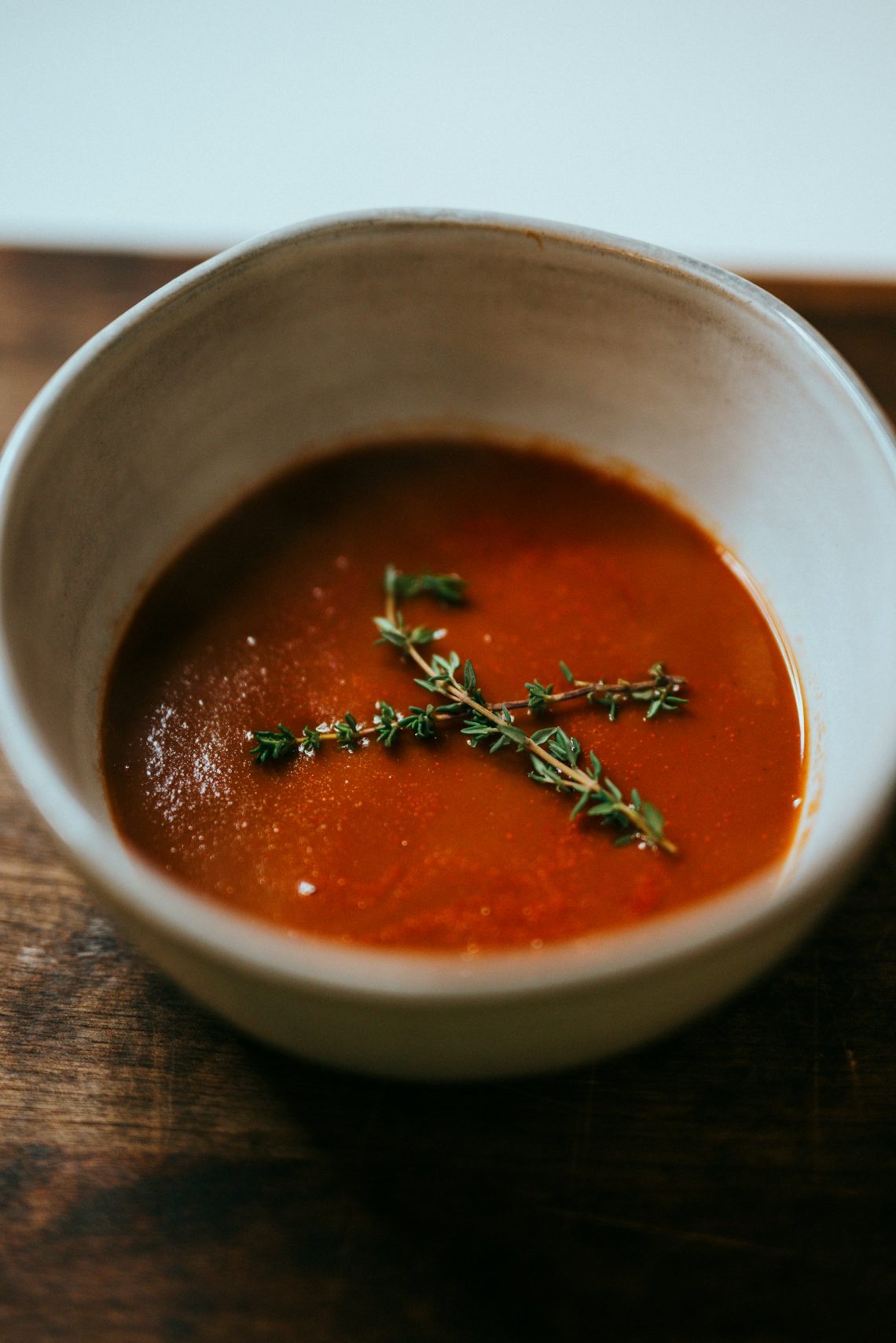
Shrimp tomato soup with white beans is a bright, savory pot that pairs the acidity of tomatoes with the mild creaminess of white beans and sweet, tender shrimp. Oregano and garlic give it a Mediterranean feel, and a splash of lemon juice at the end wakes everything up. It is built from pantry and freezer staples, which makes it a good answer to a night when you want something comforting but have not planned ahead.
The key to this recipe is the order of operations. The tomato base simmers first so the onion softens and the flavors meld. The shrimp, which are fully cooked before they go in, join the canned white beans only at the end, just long enough to get everything hot. That keeps the shrimp tender and snappy instead of tough, and the beans creamy rather than broken down.
Why this combination works
Tomatoes, white beans and shrimp each contribute something different. Canned diced tomatoes with their juice provide body, sweetness and acidity. White beans add a soft, starchy texture that makes the soup feel substantial, and their mild flavor lets the tomato and oregano come forward. Shrimp bring a clean, slightly sweet seafood note and a bit of chew. Lemon juice ties the whole thing together, balancing the tomato and brightening the shrimp.
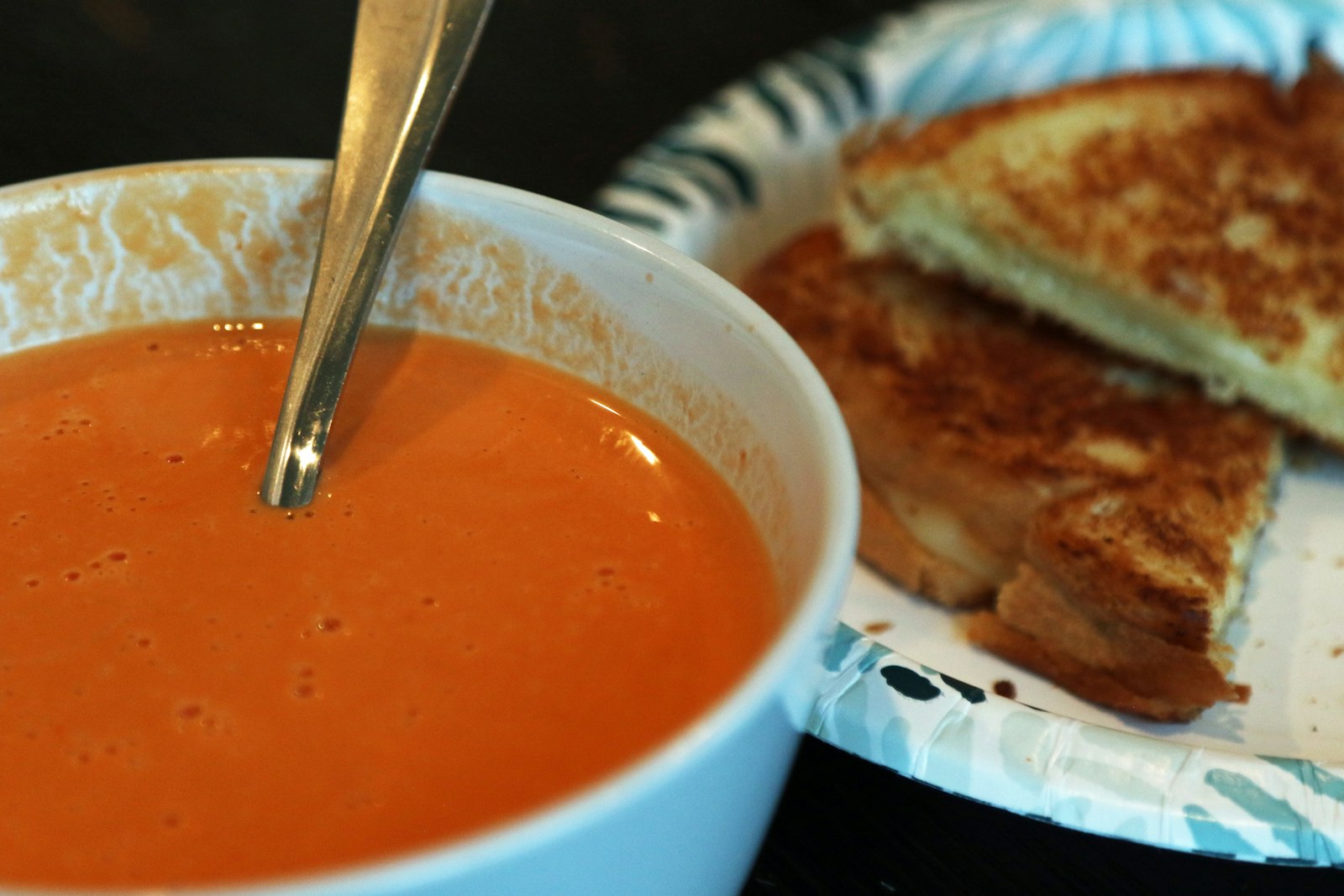
Because the soup uses low-sodium vegetable broth, you decide how salty it gets. That matters here, since canned beans, canned tomatoes and cooked shrimp can all carry their own salt. Taste before you season at the end.
Ingredient notes and swaps
Shrimp. The recipe calls for 12 ounces of fully cooked, peeled shrimp. Cooked shrimp from the refrigerated seafood counter or a bag of thawed, cooked frozen shrimp both work. Check that the tails are removed, or snip them off. If you only have raw shrimp, cook them separately first until they are pink and opaque, then add them as written; adding raw shrimp to this recipe would change the timing and is not what these directions assume.
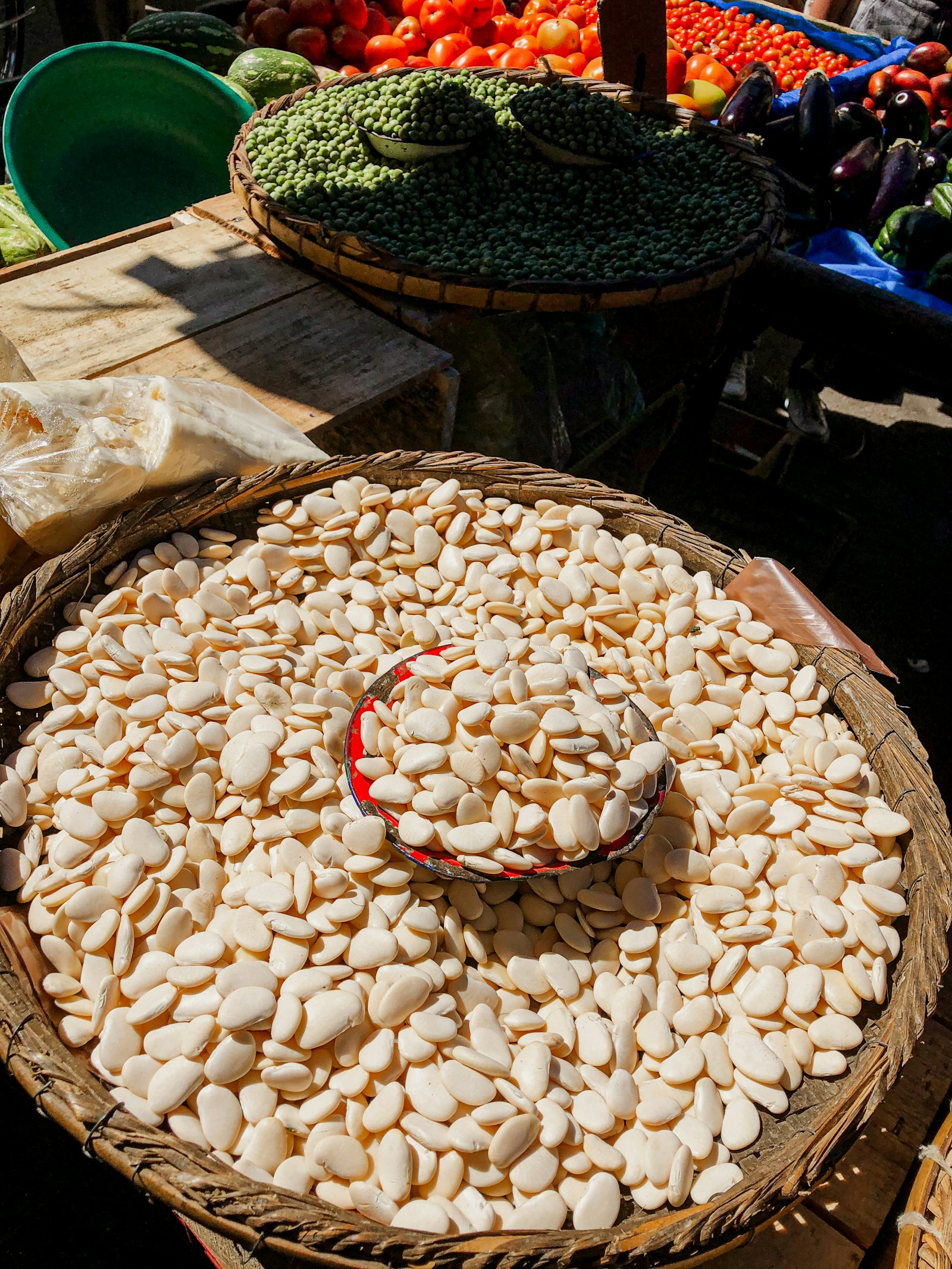
White beans. One and a half cups of canned white beans, rinsed and drained, which is about one standard can. Cannellini are creamy and large, great northern are a little firmer, and navy beans are small and soft. Rinsing removes the thick canning liquid and some of the salt. Dried beans would need to be cooked on their own first, because they cannot cook through in this short simmer.
Tomatoes. Two cups of canned diced tomatoes, with their juice, are used. Fire-roasted diced tomatoes add a smoky note, but check the label for added seasonings or salt. Crushed tomatoes would give a smoother texture, while whole tomatoes can be crushed by hand into the pot.
Herbs and acid. One teaspoon of dried oregano is used. Fresh basil or parsley stirred in at the end is a nice addition, though not part of the measured recipe. Two tablespoons of lemon juice finishes the soup; fresh juice tastes best, but red wine vinegar can be used in a small amount if you are out of lemons.
Step-by-step tips
Warm the olive oil in a 4-quart pot over medium heat and add the onion with half the salt. The salt helps the onion release moisture so it softens rather than browns. After about 5 to 6 minutes it should look translucent and soft. Add the garlic for just 30 seconds, stirring so it does not catch on the bottom of the pot and turn bitter.
Stir in the diced tomatoes and oregano and cook for a minute, then add the broth. Scrape any light browned bits off the bottom, because those carry flavor. Bring to a simmer and lower the heat until the bubbles are small and steady. Partially cover and let the soup simmer for 15 to 20 minutes. If it reduces too much, add water a quarter cup at a time.
Now add the shrimp and beans together and heat for 5 to 8 minutes, just until the soup is thoroughly hot. Do not boil hard at this stage. The shrimp are already cooked, so they only need to be warmed. Finally, stir in the lemon juice, the rest of the salt and the pepper. Taste a cooled spoonful and adjust the salt gradually.
Rubbery shrimp are avoidable: The shrimp are already cooked. Warm them only until the soup is safely hot rather than simmering them for the full vegetable stage, which would make them tough.
Serving ideas
- Crusty bread: a toasted slice rubbed with a cut garlic clove is perfect for dipping.
- Green salad: arugula with a lemony dressing echoes the soup’s brightness.
- Fresh herbs: chopped parsley or basil on top adds color and aroma.
- A drizzle of olive oil: a small pour on each bowl makes it feel finished.
Troubleshooting, make-ahead and storage
The soup tastes too acidic. Canned tomatoes can be sharp. Simmer a few minutes longer, add a little extra water or broth, and hold back some lemon juice. A tiny pinch of sugar is sometimes used, but try the other fixes first.
The shrimp are tough. They were probably cooked too long. Next time add them last and heat only until the soup is hot. They are still safe to eat, just chewier.
The soup is thin. Press some of the beans against the side of the pot and stir them back in, which thickens the broth without any added starch.
Make-ahead and storage. You can simmer the tomato base ahead of time and refrigerate it, then reheat and add the shrimp and beans just before serving. Cool finished soup quickly in shallow containers and refrigerate within 2 hours, or within 1 hour if the room is above 90°F. Keep it at 40°F or below and eat it within 3 to 4 days. Reheat to a steaming 165°F. Shrimp texture is best the day it is made, so consider adding leftover shrimp fresh to reheated soup base.
Frequently asked questions
Can I use frozen cooked shrimp?
Yes. Thaw them in the refrigerator or under cold running water, pat them dry, and add them as written. Do not add them frozen, because they will cool the soup and take longer to heat evenly.
Can I use dried beans?
Only if you cook them first. Dried beans need much longer than this soup simmers. Once cooked and drained, measure 1 1/2 cups and use them as written.
Can I make it without shrimp?
Yes. Leave the shrimp out for a tomato and white bean soup, or add extra beans or some chopped greens. The soup will be lighter and meatless if your broth is vegetable.
Is it spicy?
No. A pinch of red pepper flakes with the oregano adds warmth if you want it. Hot sauce at the table is another easy option.
Can I add pasta or rice?
Cook it separately and add it to individual bowls so it does not soak up all the broth in the pot. This keeps leftovers from turning thick and starchy.
Why add lemon at the end?
Heat dulls the fresh taste of lemon juice. Stirring it in at the end keeps the flavor bright and lets you adjust the acidity after tasting the finished soup.
Shrimp Tomato Soup with White Beans
A tomato and oregano soup with canned white beans and fully cooked shrimp, brightened with lemon juice.
Equipment
4-quart pot, wooden spoon, ladle, cutting board and knife
Ingredients
- 2 tablespoons olive oil
- 1 medium onion, finely diced
- 2 garlic cloves, minced
- 2 cups canned diced tomatoes with juice
- 12 ounces fully cooked peeled shrimp
- 1 1/2 cups canned white beans, rinsed and drained
- 4 cups low-sodium vegetable broth
- 1 teaspoon dried oregano
- 2 tablespoons lemon juice
- 1/2 teaspoon fine salt, plus more to taste
- 1/4 teaspoon black pepper
- Water as needed, added 1/4 cup at a time
Instructions
- Have the tomatoes, cooked shrimp and rinsed beans ready beside the stove. Keep the shrimp and beans together for adding later.
- Heat the olive oil in a 4-quart pot over medium heat. Add the onion and half the salt. Cook 5 to 6 minutes, stirring occasionally, until softened but not heavily browned. Add the garlic and stir for 30 seconds.
- Add the tomatoes and oregano. Stir for 1 minute, then pour in the broth and scrape up any light browned bits. Bring to a simmer, then reduce the heat so the bubbles are small and steady.
- Partially cover and simmer 15 to 20 minutes, stirring occasionally. Add water 1/4 cup at a time if the liquid runs low.
- Add the shrimp and beans and simmer 5 to 8 minutes, just until thoroughly hot. Do not boil hard.
- For a thicker soup, press a few beans against the side of the pot and stir them back in. For a thinner soup, add a little hot water.
- Stir in the lemon juice, remaining salt and the pepper. Taste a cooled spoonful, adjust the salt gradually, and divide among four bowls.
Notes
The shrimp are already cooked, so they only need to be heated through. Refrigerate leftovers within 2 hours and use within 3 to 4 days; reheat to 165°F.
familyrecipehq.com
Helpful tools for this recipe
A 4-quart soup pot (paid link) gives the soup room to simmer, and a lemon squeezer (paid link) makes the finishing juice quick work.
As an Amazon Associate I earn from qualifying purchases.
More recipes for your table
If you like beans and tomato, try Pasta e Ceci With Broken Spaghetti and Rosemary or Chickpea Stew With Cornmeal Drop Dumplings. For another quick seafood dinner, see Tuna Couscous with Frozen Peas, Lemon, and Dill.
Shrimp tomato soup with white beans is a fast, flexible dinner. Build the tomato base first, add the cooked shrimp last, and finish with lemon for a bright pot of soup.




