This post contains affiliate links. As an Amazon Associate, Family Recipe HQ earns from qualifying purchases at no extra cost to you.
Lemon poppy seed biscotti are twice-baked cookies with a crisp bite and a bright citrus aroma. The first bake sets two small logs of dough; the second dries the sliced pieces so they hold up beside coffee or tea. A little butter makes them less hard than very lean biscotti, while keeping the dry texture that’s perfect for dipping.
The secrets are simple: rub the zest into the sugar, slice the logs while they’re still slightly warm, and give every slice an even second bake. This guide walks you through each stage, the fixes for common problems, and a printable recipe card.
Jump to Recipe🍋 Key Takeaways
- Rub the zest into the sugar to spread lemon flavor through every bite.
- Sticky dough? Chill it for 10–15 minutes instead of adding flour.
- Slice the logs warm, about 15 minutes out of the oven, with a serrated knife.
- The second bake is what makes biscotti crisp. Don’t skip it.
- Cool completely before storing, or trapped steam will soften them.
Why Biscotti Are Baked Twice
“Biscotti” means “twice-cooked,” and both bakes do a different job. Skip the second and you get soft cookies, not biscotti. The final texture depends mostly on how long you dry the slices.
1. First Bake
Sets the logs so they’re firm enough to slice. They should be lightly golden and set, not dried all the way through.
2. Rest & Slice
A 15-minute rest lets the crumb settle. Hot logs crumble; fully cold logs turn brittle and crack under the knife.
3. Second Bake
Dries the cut sides at a lower heat. A shorter bake gives a gentle crunch; a longer one makes them firmer for dipping.
⚠️ The Golden Rule
If the dough feels sticky, chill it for 10–15 minutes. Don’t add more flour. Extra flour makes biscotti tough and overly hard. Lightly floured or damp hands make shaping easy.
Getting the Lemon and Poppy Seed Flavor Right
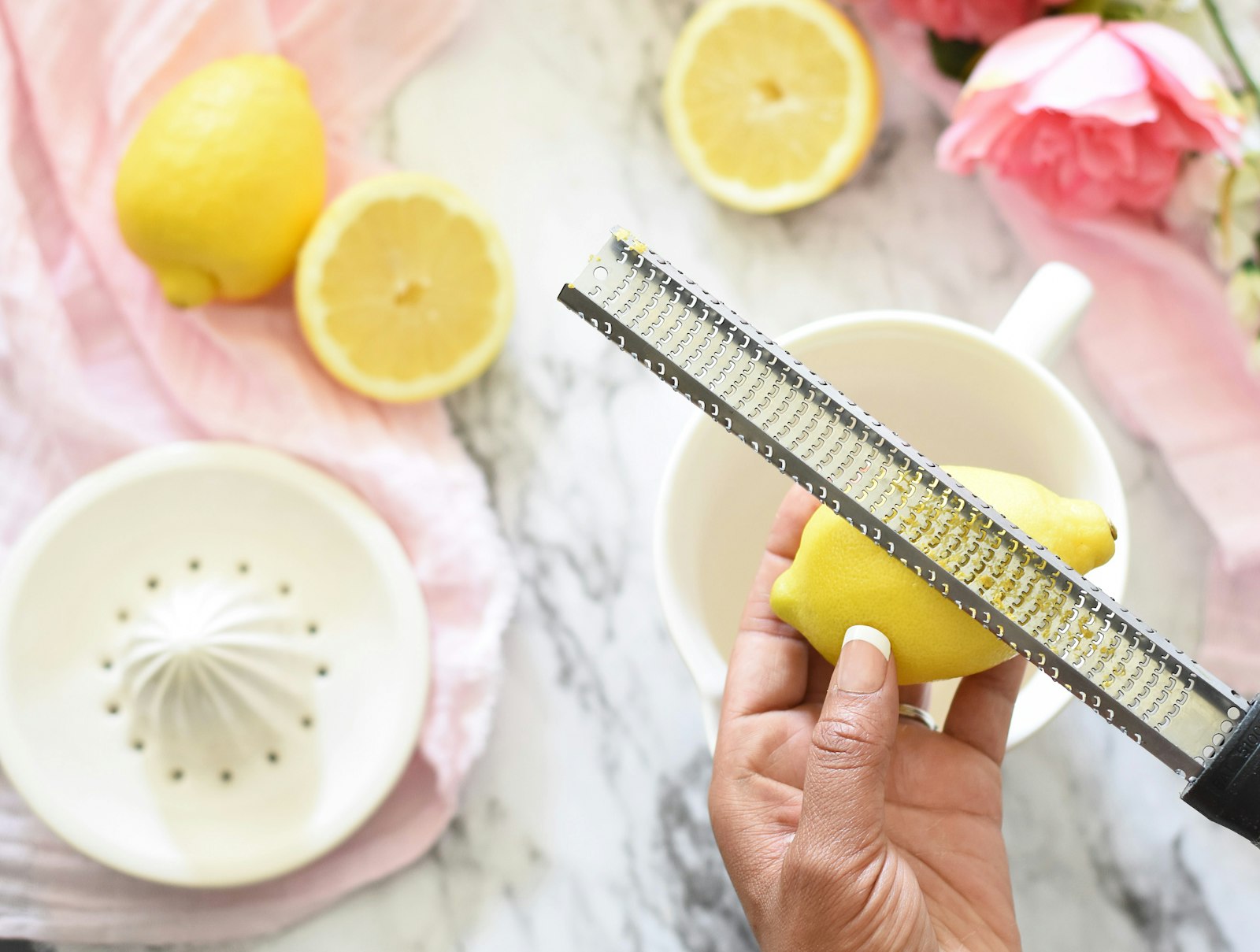
Rubbing fresh zest into the sugar releases the lemon oils and spreads the aroma through the whole dough. Use a fine rasp-style zester and take only the yellow layer; the white pith underneath is bitter.
| Choice | Result | Our Advice |
|---|---|---|
| Zest rubbed into sugar | Bright, even lemon aroma | Best method. Rub for 30 seconds until fragrant. |
| Lemon juice in the dough | Adds water, little flavor | Skip it. Save juice for an optional glaze. |
| 1 tbsp poppy seeds | Pretty speckles, light crunch | Just right for this batch size. |
| Extra poppy seeds | Sandy, gritty texture | Stick to 1 tbsp. Check seeds smell fresh, not oily. |
What Each Ingredient Does
Every ingredient has a job. Exact amounts in grams and cups are in the printable recipe card below.
Sweetness, crisp texture and golden color. It also carries the lemon oils.
All the citrus flavor, without the extra liquid that juice would add.
Just 4 tbsp, so the crunch is approachable rather than rock-hard.
Bind the dough and give the logs their structure.
Form the crumb; baking powder adds a little lift so they aren’t dense.
Speckled color and a tiny, pleasant crunch in every slice.
Helpful Equipment
A long serrated bread knife saws through the logs without crushing them.
Takes fine zest with none of the bitter white pith.
A sturdy half-sheet pan bakes both logs evenly.
A cooling rack lets air reach every side so the biscotti stay crisp.
How to Make Lemon Poppy Seed Biscotti, Step by Step
Treat mixing, slicing and drying as separate stages, and these biscotti come out right every time.
Troubleshooting Common Problems
| Problem | Likely Cause | Fix |
|---|---|---|
| Logs crumble when sliced | Sliced too hot | Rest the full 15 minutes; saw gently |
| Slices crack and shatter | Logs cooled completely | Slice while still slightly warm |
| Biscotti are soft | Short second bake, or stored warm | Bake until dry; cool fully before storing |
| Too hard to bite | Extra flour or over-dried | Chill sticky dough instead; shorten the second bake |
| Deep cracks in the logs | Too much flour or uneven shaping | Keep logs even; stop the first bake once set |
| Bitter lemon taste | White pith in the zest | Zest only the yellow layer |
✅ Tips for the Best Biscotti
- Keep slices the same thickness so they all dry at the same rate.
- Watch the tips during the second bake; they brown faster than the centers.
- Let the oven drop to 325°F before the second bake for even drying.
- Ragged edges? Wipe crumbs off the blade and use long, light sawing strokes.
- Don’t taste the raw dough; it contains raw eggs and flour.
Variations and Storage
Easy Variations
- Lemon almond: fold in up to ⅓ cup finely chopped toasted almonds (adds a tree-nut allergen).
- Chocolate-dipped: dip the bases of cooled biscotti in melted dark or white chocolate.
- Lemon glaze: drizzle lightly over cooled biscotti; let it dry fully before packing.
- Orange poppy seed: swap the lemon zest for orange zest.
Storing & Freezing
- Room temperature: store in an airtight container for about a week, away from moist cakes or bread.
- Freezer: wrap well and freeze. Thaw at room temperature in the container.
- Re-crisp: if humidity softens them, warm briefly in a low oven, then cool fully again before storing.

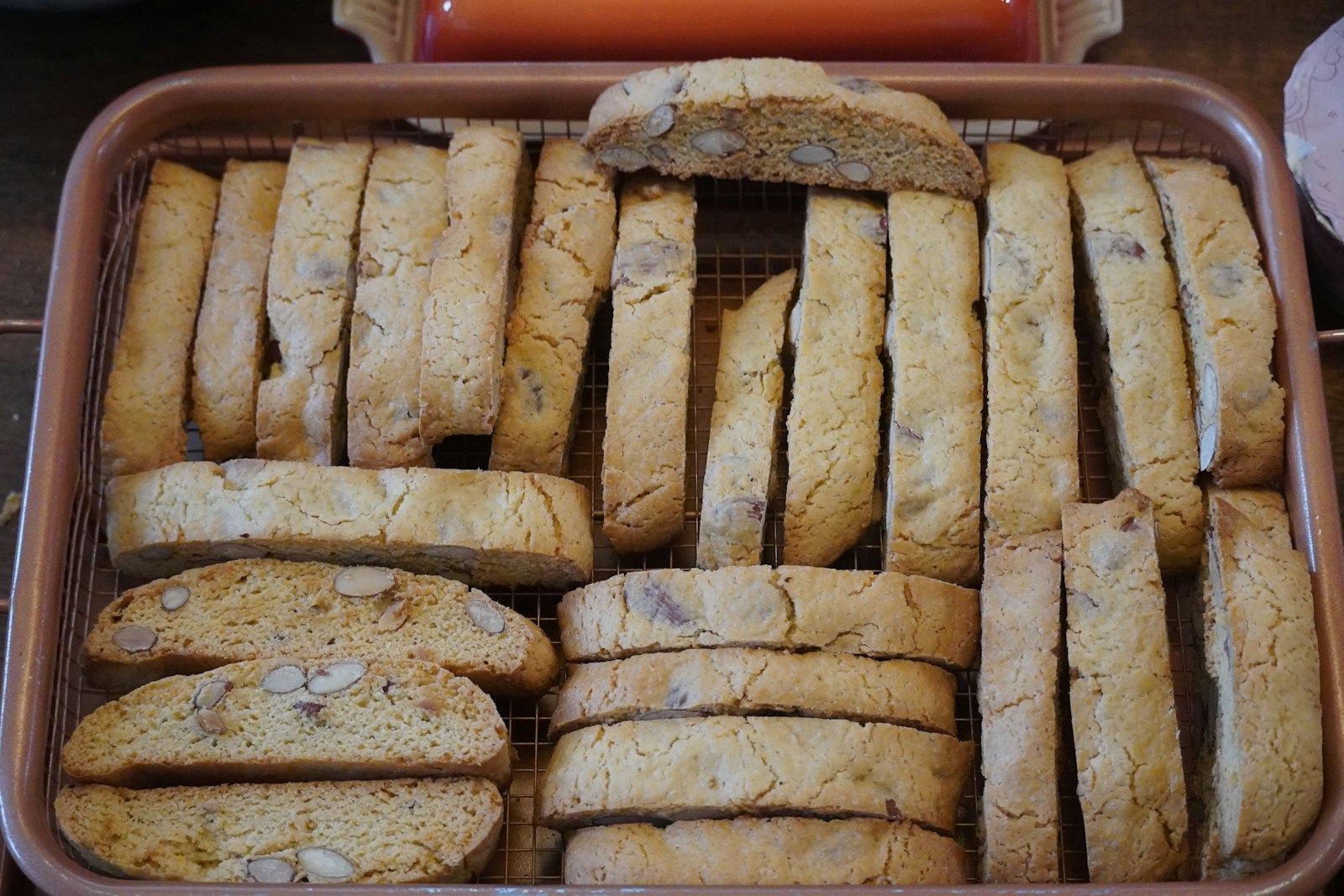
Lemon Poppy Seed Biscotti
Ingredients
Method
- Heat the oven to 350°F (175°C) and line a baking sheet with parchment. Rub the lemon zest into the sugar, then beat with the softened butter until creamy.
- Beat in the eggs one at a time, then the vanilla. Whisk the flour, baking powder and salt separately, then stir into the wet mixture with the poppy seeds until a soft dough forms. Chill 10–15 minutes if too sticky to shape.
- Divide in half. Shape two logs about 9 inches long and 2 inches wide, leaving several inches between them. Bake 23–27 minutes until lightly golden and set.
- Cool on the sheet for 15 minutes. Lower the oven to 325°F (165°C). Move the logs to a board and gently saw into ¾-inch slices with a serrated knife.
- Lay the slices cut-side down on the sheet. Bake 8–10 minutes, turn, and bake another 8–10 minutes until dry and lightly golden.
- Cool completely on a rack before storing airtight. The biscotti crisp further as they cool.
Notes
Frequently Asked Questions
Yes. Half-inch slices are more delicate and dry faster, so shorten the second bake and check often. Keep the whole batch the same thickness for even results.
Yes, drizzle a small amount over fully cooled biscotti. It adds moisture, so let it dry completely before packing. The plain version stays crisp longer.
A few cracks are normal as the dough expands. Deep splits usually come from too much flour, uneven shaping or overbaking the first stage. Keep the logs even and stop the first bake once they are set.
Yes. Fold up to 1/3 cup finely chopped toasted almonds into the dough. Small pieces slice more cleanly. This adds a tree-nut allergen, so keep the original version when that matters.
Usually extra flour was added to sticky dough, or the second bake ran long. Chill sticky dough instead of adding flour, and shorten the second bake for a gentler crunch.
Final Thoughts

Lemon poppy seed biscotti are most dependable when you treat slicing and drying as separate steps. Let the logs settle briefly, cut evenly, and cool the finished cookies completely so their crisp texture lasts well beyond the first cup of tea.