
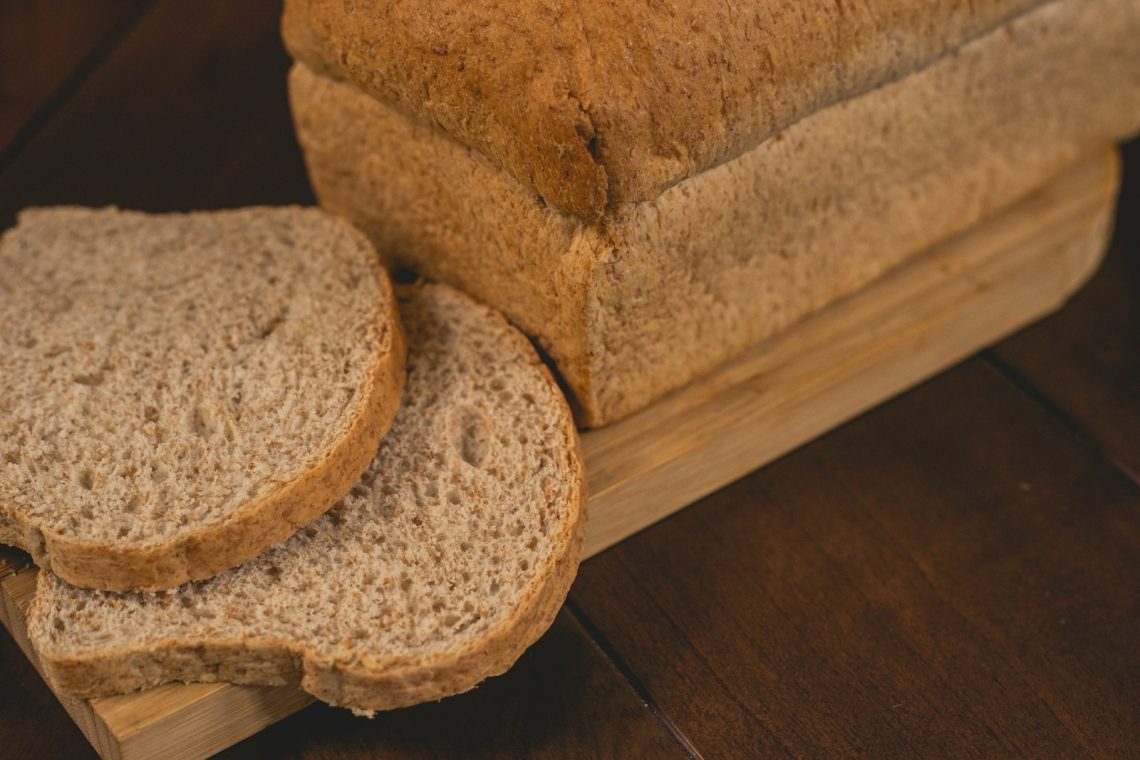
Molasses cornmeal anadama bread is a soft yeast loaf with a warm brown color, a mild molasses flavor, and a fine cornmeal texture. Cooking the cornmeal into a small porridge before mixing hydrates it and keeps the finished slices from feeling gritty. Bread flour provides the structure needed for a useful sandwich loaf.
This version makes one loaf in an 8½-by-4½-inch pan. It is good toasted with butter, paired with sharp cheese, or used for a hearty sandwich. Choose mild unsulfured molasses rather than blackstrap for a balanced flavor, and allow the cooked cornmeal to cool before it meets the yeast.
At a glance
One soft sandwich loaf, gently sweet from molasses, with a tender cornmeal crumb.
40 min bake
about 3 hr 50 min total with rising and cooling
12 slices
The cornmeal needs a head start
Fine or medium-fine cornmeal absorbs water more predictably than very coarse meal. Whisk it into simmering water and cook until it thickens into a soft porridge. Stir along the bottom and corners of the pan so it does not scorch. This brief cooking step softens the grain before the bread dough is formed.
If the porridge becomes extremely stiff, stir in a small splash from the measured remaining water. Do not replace the cornmeal with cornstarch; they are different products with different purposes. Let the mixture cool until lukewarm after adding butter and molasses. A steaming-hot base can damage the yeast and make the first rise disappointing.
Molasses changes flavor and color
Mild unsulfured molasses gives a rounded sweetness and deep color without the bitter edge of blackstrap. Read the label carefully if you have more than one kind in the pantry. The loaf should taste gently sweet and earthy, not medicinally bitter.
Measure 60 grams rather than trying to pour an imprecise amount from a large jar. Lightly oiling the measuring spoon or cup helps it release. Molasses also affects how quickly the crust browns, so a dark-looking loaf may still need more time in the center. Keep the amount measured on the first bake before experimenting with a stronger flavor.
Ingredients and equipment
Yield: 12 slices. Prep: 25 minutes. Cook: 40 minutes. Total: 230 minutes (includes about 105 minutes rising and 60 minutes cooling).
- 70 g fine cornmeal
- 300 ml water, divided: 240 ml for porridge, 60 ml for dough
- 30 g unsalted butter
- 60 g mild unsulfured molasses
- 360 g bread flour
- 7 g instant yeast, 2¼ teaspoons
- 7 g fine salt, about 1⅛ teaspoons
Equipment: small saucepan; mixing bowl; 8½-by-4½-inch loaf pan; dough scraper; thermometer; wire rack. A kitchen scale makes the gram measurements easy and is the most reliable way to measure sticky molasses.
How to make molasses cornmeal anadama bread
1. Cook the cornmeal porridge
Bring 240 ml water to a simmer. Whisk in the cornmeal and cook over low heat 3–5 minutes until thick and softened. Remove from the heat and stir in the butter and molasses. Cool until lukewarm, about 100–110°F.
2. Mix and knead a soft, elastic dough
Mix the flour, yeast, and salt, then add the cooled cornmeal mixture and the remaining 60 ml water. Mix into a soft dough, rest 10 minutes, then knead 8–10 minutes until elastic. The dough may seem sticky at first because the cooked grain holds moisture.
Use a dough scraper rather than adding repeated handfuls of flour. A little tackiness is appropriate. The cornmeal interrupts a perfectly transparent windowpane, but the dough should stretch before tearing and gather into a rounded mass. If it feels dry and cracks at every fold, add water a teaspoon at a time rather than forcing a stiff dough through kneading.
3. Let it rise until doubled
Cover the dough in a lightly greased bowl and let it rise until doubled. In many kitchens this takes 60–90 minutes, but use the volume change as the guide. Grease the 8½-by-4½-inch loaf pan while you wait.
4. Shape with enough tension for a good crown
Turn the dough out gently and press it into a rectangle roughly as wide as the loaf pan. Roll the rectangle into a snug log, pinching the seam closed, and place it seam-side down in the greased pan. Cover and proof 35–55 minutes until the center rises about an inch above the rim. The dough should look puffy and spring back slowly after a light touch. A fully proofed loaf expands more evenly in the oven than one baked while still tight.
5. Bake beyond the first dark crust
Heat the oven to 350°F and bake 35–40 minutes, checking after about 30 minutes. The molasses makes the crust brown readily, so tent loosely with foil if needed. Continue until the loaf sounds hollow when tapped and the center registers around 195–200°F. The thermometer is especially useful for a moist, dark loaf where color alone can mislead.
6. Cool before slicing
Remove the loaf from the pan after 5 minutes and cool on a rack for at least an hour. Steam needs a way to escape from the sides and bottom. Slicing too soon compresses the crumb and can leave a gummy line near the base. A cooled loaf gives much neater slices and a clearer cornmeal texture.
Baker’s tips and troubleshooting
- Check the porridge temperature. Lukewarm (100–110°F) is the target before the yeast goes in; a hot base can weaken the rise.
- Resist extra flour. A slightly tacky dough bakes into a softer loaf than one stiffened with handfuls of flour on the counter.
- Watch the proof, not the clock. Rising times change with kitchen temperature, so look for doubled volume and a slow spring-back.
- Dense loaf? Check the yeast, the temperature of the cornmeal base, and whether too much flour was added during kneading.
- Dark crust, pale center? Tent with foil and rely on the 195–200°F internal reading.
- Raw dough should not be tasted before baking.
Serving and storing the finished loaf
Toast brings out the cornmeal and molasses flavors. A thin layer of butter is enough for breakfast, while sharper cheese balances the mild sweetness in a sandwich. The loaf also works with a bean soup or vegetable stew, where its slightly sweet flavor contrasts with savory broth.
Keep the fully cooled loaf wrapped at room temperature for up to two days for best quality. Slice and freeze the extra rather than waiting until it is stale. Toast frozen slices directly or thaw them covered.
Helpful tools
The right pan size and a quick temperature check make this loaf much more predictable. If you need them, these optional tools are worth a look: an 8½-by-4½-inch loaf pan, an instant-read thermometer for checking the center of the loaf, and a bench dough scraper for handling soft dough.
Family Recipe HQ may earn a commission from qualifying purchases made through affiliate links, at no additional cost to you.
Anadama bread FAQ
Can I use blackstrap molasses?
It is much stronger and more bitter, so it is not the recommended one-for-one choice for this loaf. Use mild unsulfured molasses for the intended flavor. If you only have blackstrap, choose a formula specifically balanced around it.
Can I make this with all-purpose flour?
All-purpose flour can work, though the dough may have slightly less strength and the loaf may be a little lower. Keep it soft and knead until elastic. Avoid adding extra flour simply to make the surface dry.
Can I use a larger loaf pan?
A 9-by-5-inch pan will produce a lower loaf and may bake a little faster. Start checking early and use the center temperature. Do not wait for the dough to reach the same height above a wider rim if it has already become fully proofed.
Why can I still feel cornmeal grains?
Coarser meal or insufficient precooking can leave a stronger grain texture. Use fine or medium-fine cornmeal and cook the porridge until the grains soften. The loaf should have a gentle cornmeal character, not hard gritty pieces.
How do I know the loaf is fully baked?
Because molasses darkens the crust early, color is not a reliable guide. The loaf should sound hollow when tapped underneath and read about 195–200°F in the center on an instant-read thermometer.
More recipes for your table
For a quicker cornmeal bread without yeast, try Small Batch Skillet Cornbread Without Eggs. Use a toasted slice for a variation on Toasted Peanut Butter and Jelly Sandwich: Skillet Guide.
Molasses cornmeal anadama bread is most reliable when the cornmeal is softened, the yeast is kept away from excessive heat, and the center is baked fully. A patient cooling period then gives you slices ready for toast or sandwiches.
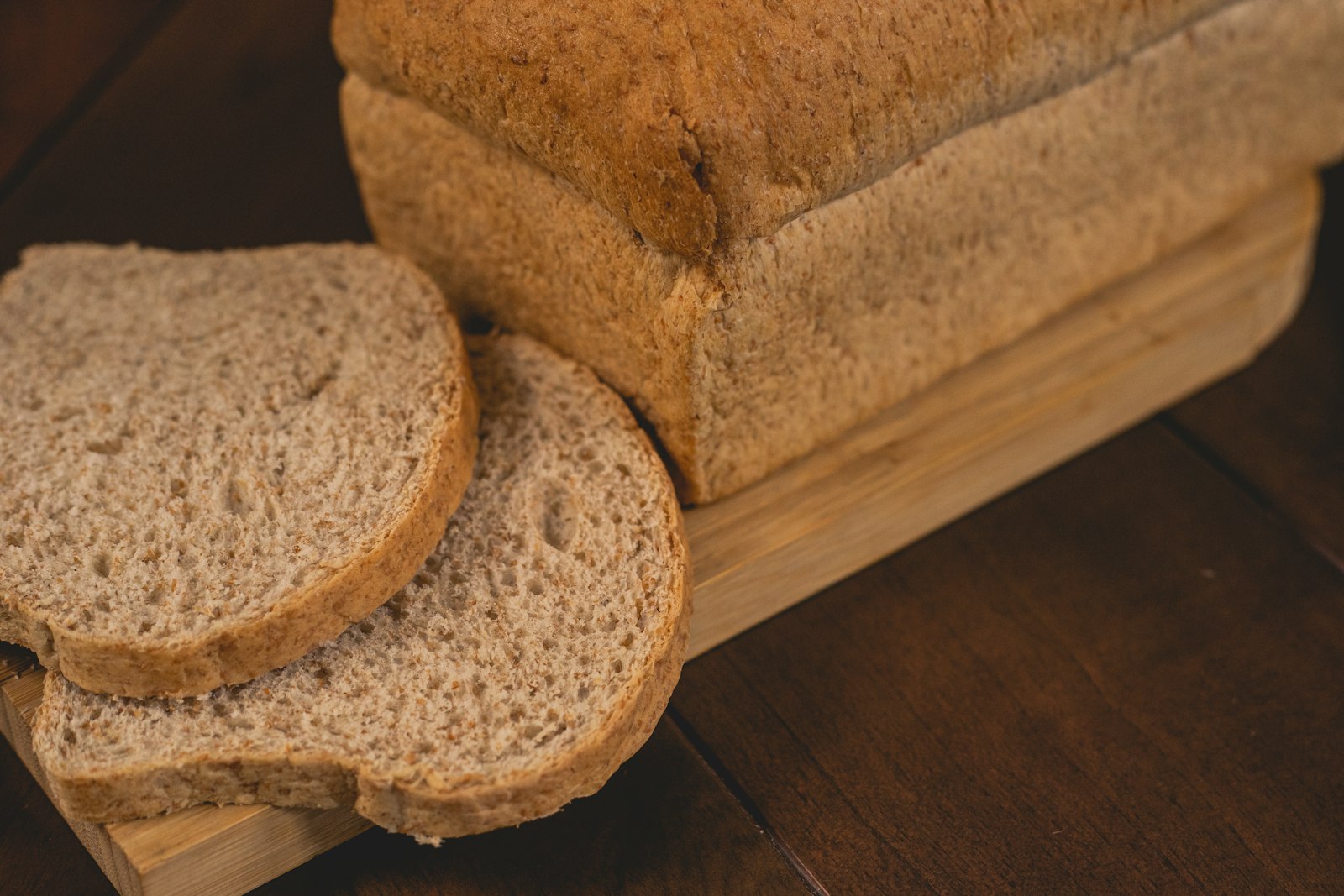
Molasses Cornmeal Anadama Bread
Ingredients
Equipment
Method
- Bring 240 ml water to a simmer. Whisk in the cornmeal and cook over low heat 3–5 minutes until thick and softened. Remove from the heat and stir in the butter and molasses. Cool until lukewarm, about 100–110°F.
- Mix the flour, yeast and salt. Add the cooled cornmeal mixture and the remaining 60 ml water. Mix into a soft dough, rest 10 minutes, then knead 8–10 minutes until elastic.
- Cover in a lightly greased bowl and let rise 60–90 minutes until doubled. Grease an 8½-by-4½-inch loaf pan.
- Press the dough gently into a rectangle, roll into a snug log and pinch the seam. Place seam-side down in the pan. Cover and proof 35–55 minutes until the center is about 1 inch above the rim.
- Heat the oven to 350°F. Bake 35–40 minutes until browned and the center reaches about 195–200°F. Tent with foil if the crust darkens early.
- Rest in the pan 5 minutes, then transfer to a rack and cool at least 1 hour before slicing.




