Quick Recipe Overview
Sesame Roasted Okra with Lemon
Fresh okra split lengthwise, roasted on a hot sheet pan until the edges brown, then finished with toasted sesame seeds and a squeeze of lemon. A simple, low-slime vegetable side with no deep frying.
15 minutes
25 minutes
40 minutes
4 servings
Best method: Dry the pods well, split them lengthwise, roast cut-side down at 425°F in a single layer, add sesame seeds halfway, and add lemon only after roasting.
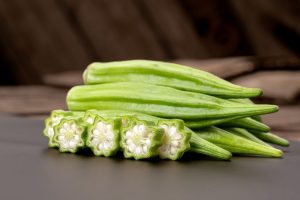
This sesame roasted okra is the recipe to make when you want okra with browned, slightly crisp edges and a tender center, without breading or a pot of hot oil. The pods are split lengthwise so the broad cut surface sits flat against a hot sheet pan, sesame seeds go on halfway through so they toast instead of burning, and fresh lemon goes on at the very end for brightness.
It is also one of the easiest ways to win over people who think they dislike okra. Okra’s reputation for sliminess comes mostly from long, wet cooking like stews and boiling. A hot, dry oven treats it very differently. With a few simple habits (dry pods, a roomy pan, high heat, and acid added last), you get a side dish that tastes nutty, a little smoky, and fresh.
Why this sesame roasted okra works
- Lengthwise halves brown better: splitting the pods exposes a flat surface that makes full contact with the pan, so you get real browning instead of just softening.
- Dry heat keeps slime in check: okra’s gel-like mucilage becomes noticeable in wet, slow cooking. A hot oven drives off surface moisture quickly.
- Sesame goes in late: tiny seeds scorch fast. Adding them for the last 7 to 10 minutes gives a toasty, nutty flavor without bitterness.
- Lemon goes in last: juice added before roasting would create steam and slow browning. Added after, it brightens the whole pan.
- Pantry seasonings, big payoff: garlic powder and a little smoked paprika give background savoriness without hiding the okra.
How to choose and store okra
Look for 2- to 4-inch pods
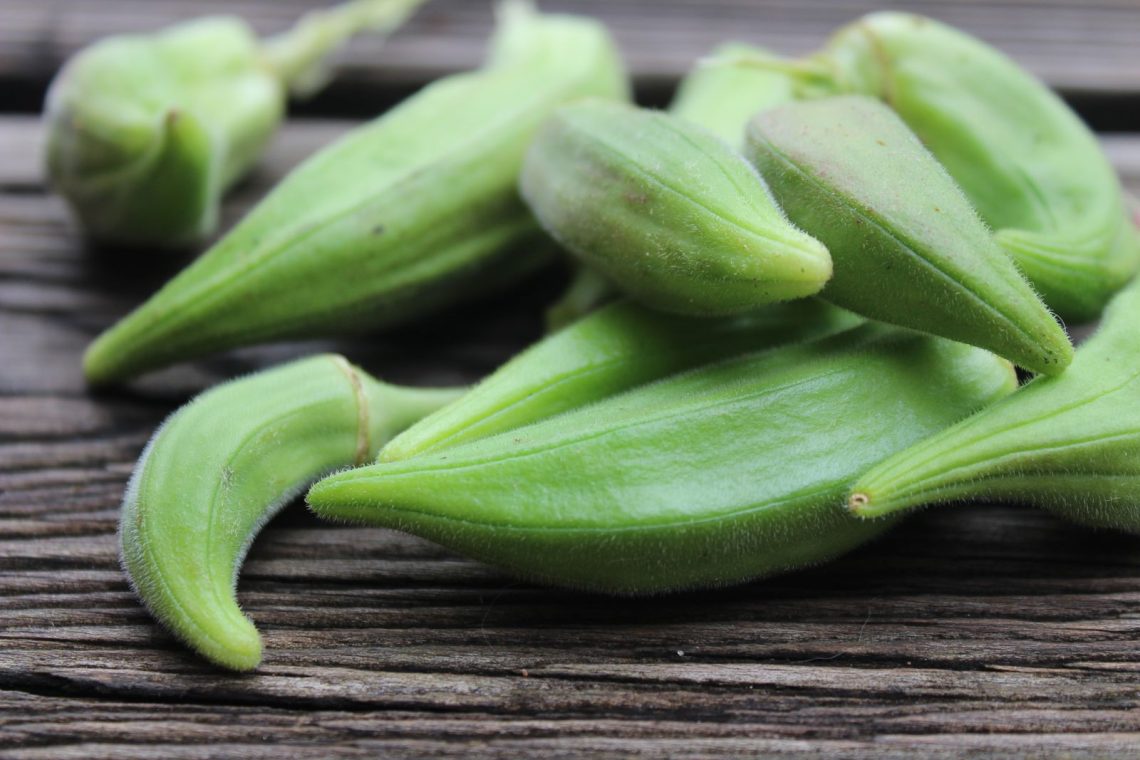
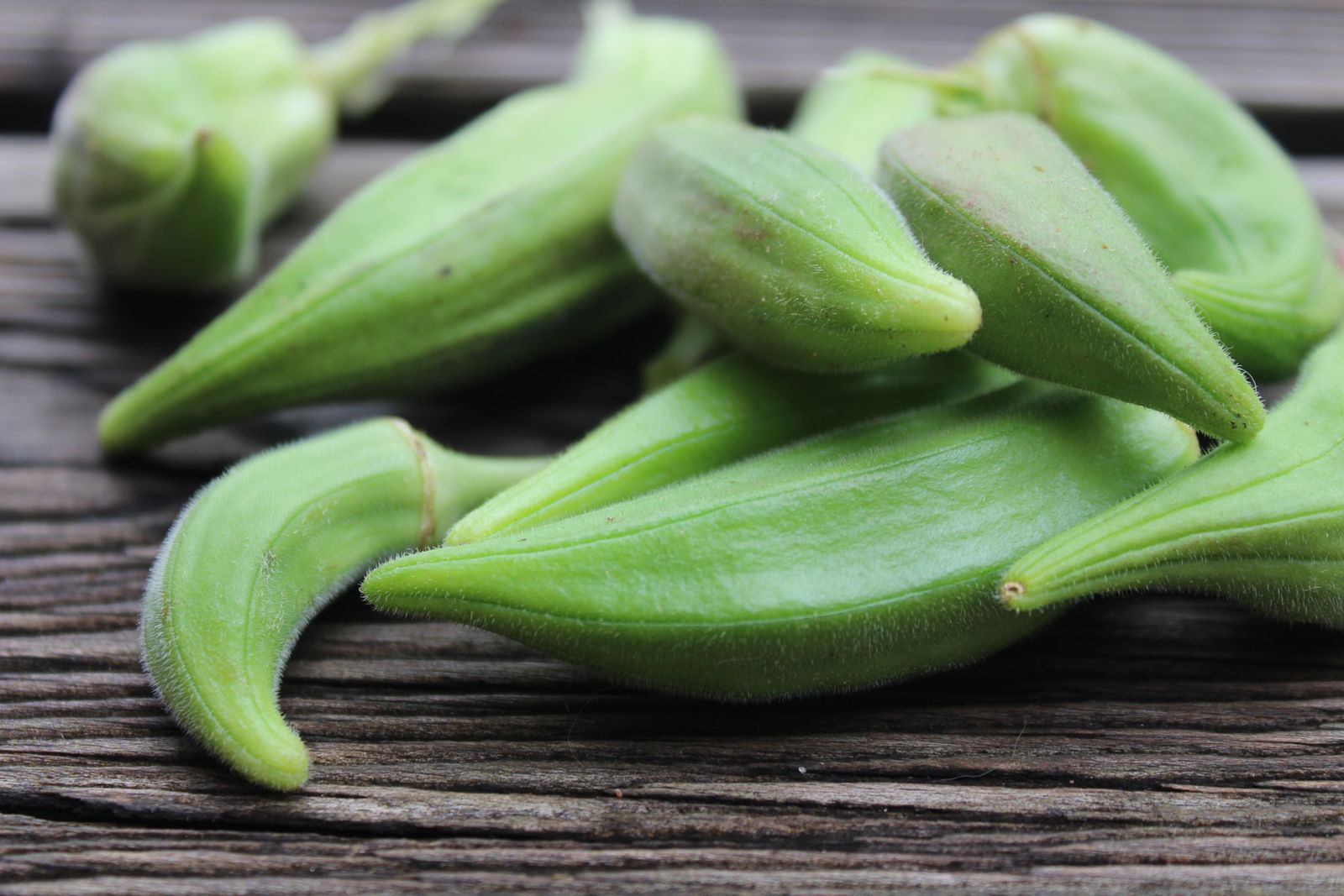
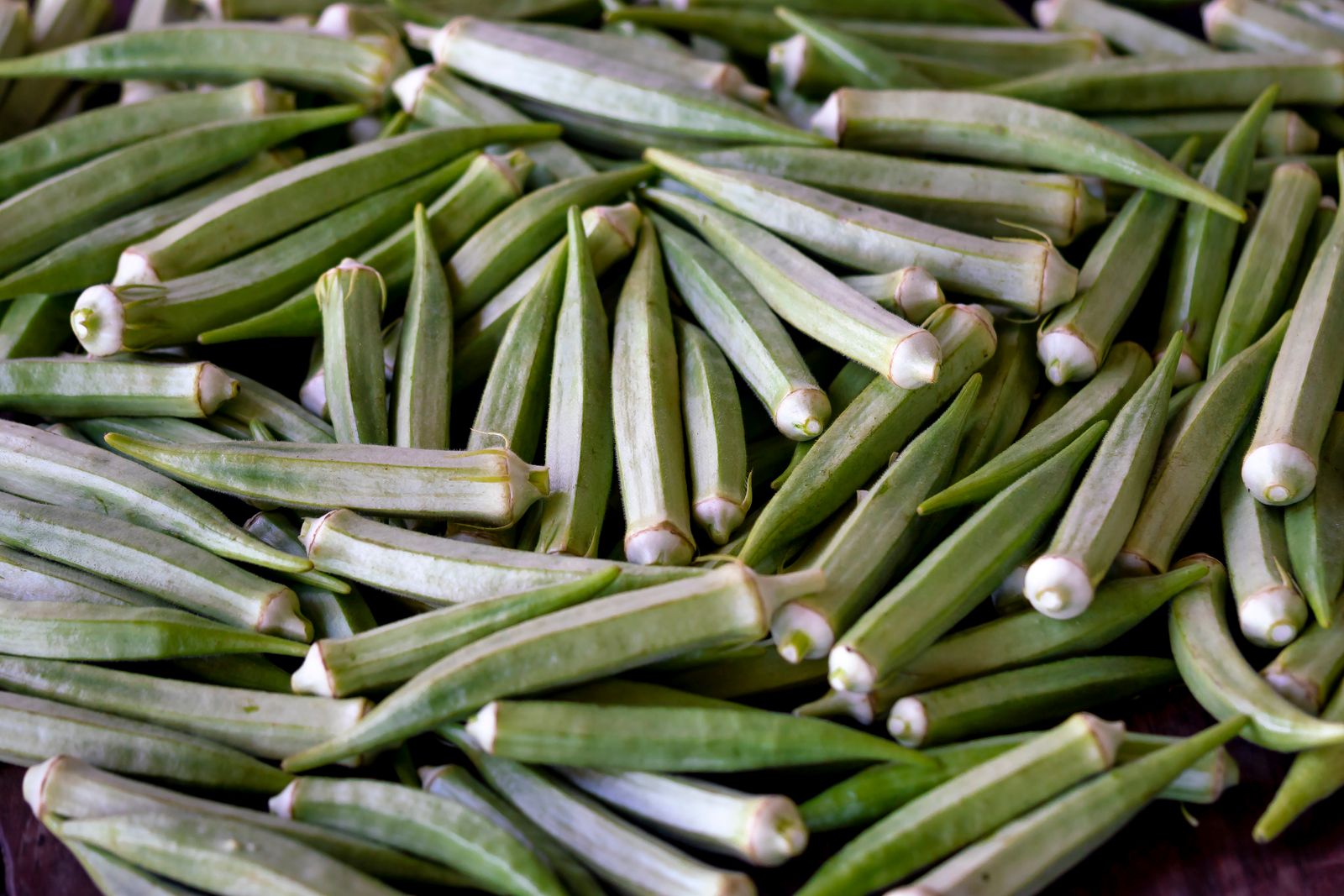
Extension gardening guides from Iowa State and the University of Maryland both recommend harvesting okra when pods are about 2 to 4 inches long, because larger pods quickly turn tough and stringy. The same rule is useful at the store or farmers market. Choose bright green, firm pods that feel plump rather than limp, with few dark or soft spots. Some round-podded varieties stay tender a little longer, but for roasting, smaller is the safer bet.
A quick test: try pressing the tip of a pod. Tender pods give or snap cleanly. If the tip bends like a twig or the knife meets real resistance when you cut, that pod is woody, and extra roasting time will not fix it.
Store it dry and use it soon
Okra is a warm-weather vegetable and does not keep long. Store it unwashed in a paper towel-lined bag or container in the refrigerator, and plan to cook it within a few days. Moisture speeds spoilage, so wash only right before cooking. Okra is also sensitive to very cold temperatures, which can cause dark spots and pitting, so keep it away from the coldest back corner of the fridge.
Ingredients and helpful substitutions
Okra
One pound of fresh okra serves about four people as a side. Okra shrinks as it roasts, so it may look like a lot on the pan at first. Fresh pods are strongly preferred for this method; see the FAQ below for notes on frozen okra.
Olive oil
Two tablespoons is enough to lightly coat a pound of okra and help the seasonings and seeds cling. Avocado oil or another neutral oil works too. For a deeper sesame flavor, replace 1 teaspoon of the olive oil with toasted sesame oil, but keep most of the oil neutral, since toasted sesame oil is strongly flavored and is better as an accent.
Seasonings
Fine salt, garlic powder, smoked paprika, and black pepper make a balanced blend. Garlic powder is used instead of fresh garlic because minced garlic tends to scorch in a 425°F oven. If you love fresh garlic, warm a minced clove gently in a spoonful of oil and drizzle it over the okra after roasting.
Sesame seeds
White sesame seeds turn golden and nutty; black sesame seeds look striking and taste slightly more earthy. A mix of both is lovely. Pre-toasted seeds work, but watch them closely because they darken faster. Note that sesame is one of the nine major food allergens recognized by the FDA, so leave the seeds off (or serve them on the side) if anyone at the table is allergic.
Lemon
Use fresh lemon juice, not bottled, plus a little zest if you have it. Lime juice is a good swap and pairs especially well if you add a pinch of chile flakes.
How to make sesame roasted okra
1. Heat the oven and dry the okra well
Heat the oven to 425°F (220°C) with a rack in the center. Rinse the whole pods, then dry them thoroughly with clean kitchen towels. This is the most important step in the recipe. Any water left on the surface has to evaporate before browning can begin, and wet okra tends to steam and turn soft. If you have time, let the dried pods sit on a towel for 10 to 15 minutes while the oven heats.
2. Trim and split the pods
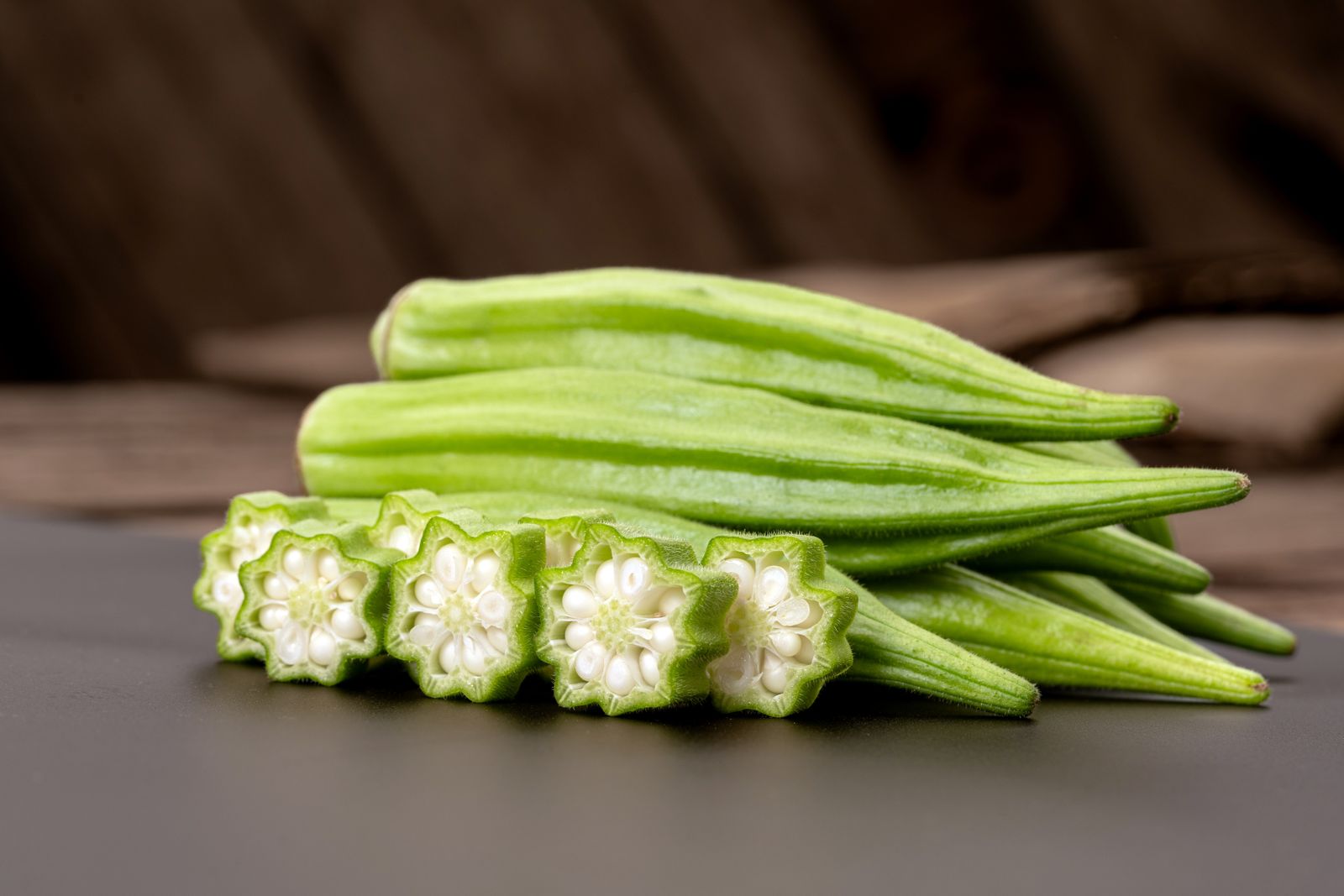
Slice off only the very end of the stem, leaving the cap mostly intact. Cutting deep into the top wastes the meaty shoulder of the pod and opens more of the interior. Then split each pod in half lengthwise with a sharp knife so the halves lie relatively flat. Quarter any extra-large pods so all the pieces are about the same size and finish at the same time.
3. Season and spread out on the pan
In a large bowl, toss the okra with the olive oil, salt, garlic powder, smoked paprika, and pepper until evenly coated. Spread the pieces on a large rimmed sheet pan in a single layer, placing as many as you can cut-side down, with a little space between them. If they overlap heavily, use two pans. Crowding traps steam and is the most common reason roasted okra comes out pale and soft.
4. Roast, then add the sesame seeds
Roast for 15 minutes, until the cut sides are starting to brown. Pull the pan out, turn the pieces with a thin metal spatula, and sprinkle the sesame seeds evenly over the top. Return the pan to the oven for 7 to 10 minutes more, until the edges are well browned, the pods are tender when pierced, and the seeds smell toasty. Dark pans brown faster than light aluminum pans, so check a few minutes early the first time you make this.
5. Finish with lemon and serve right away
Move the okra to a wide platter, then add the lemon juice and optional zest. Toss gently and taste for salt. Serve immediately with extra lemon wedges. Avoid piling the okra into a deep bowl or covering it, because trapped steam softens the browned edges within minutes.
What causes okra slime, and how roasting helps
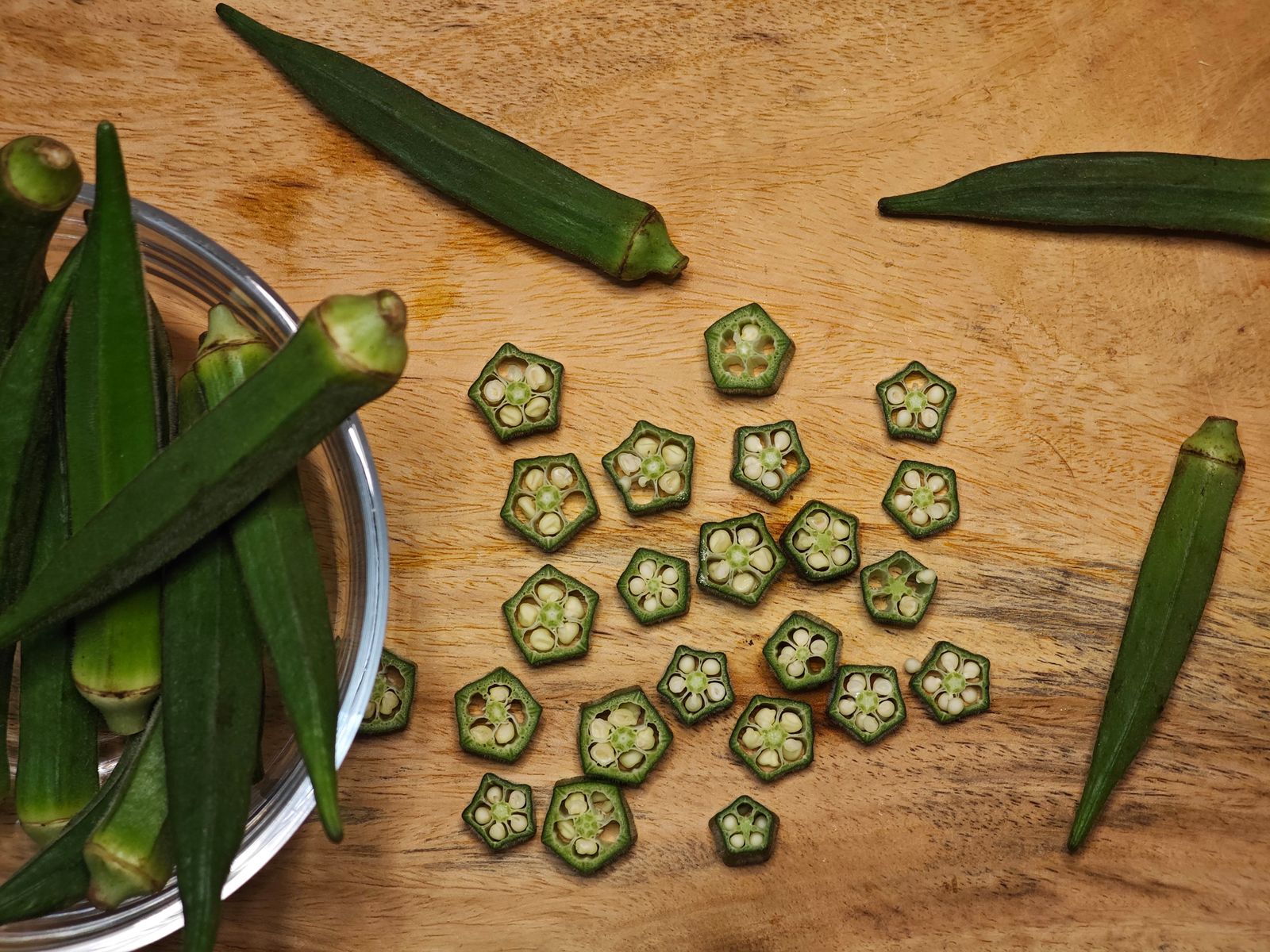
The slippery texture in okra comes from mucilage, a gel made of long, tangled carbohydrate chains (polysaccharides) and some proteins. In the plant, it helps the pod hold on to water. In the kitchen, it is the same quality that makes okra such a good thickener for gumbo.
Mucilage is concentrated around the seeds inside the pod, and it becomes most noticeable when okra cooks slowly in liquid. Research on okra mucilage also shows that it is most viscous at a neutral pH, which is why acidic ingredients like tomatoes, vinegar, and lemon are traditionally paired with okra. That gives us three practical levers:
- Keep it dry. Dry pods and a dry, hot oven let surface moisture evaporate quickly instead of turning gummy.
- Use high heat and space. A 425°F oven and a single layer brown the cut surfaces, which changes the eating texture dramatically.
- Add acid at the end. Lemon after roasting brightens the flavor and makes any remaining slipperiness less noticeable, without adding steam during cooking.
Roasting will not erase every trace of okra’s natural texture, and that is fine. The goal is tender pods with browned, flavorful surfaces, not something that tastes like a fried snack.
Troubleshooting roasted okra
| Problem | Likely cause | Fix |
|---|---|---|
| Pale and soft | Crowded pan, wet pods, or oven not fully heated | Dry pods well, use two pans, and wait for the oven to reach 425°F |
| Slimy | Okra was cut while wet, or lemon was added before roasting | Dry before cutting and add lemon only at the end |
| Tough or stringy | Pods were too large or old | Choose 2- to 4-inch pods and discard any that resist the knife |
| Burnt tips, raw centers | Uneven sizes or a dark pan | Cut pieces to a similar size; lower the oven to 400°F for dark pans |
| Bitter sesame | Seeds roasted too long | Add seeds only for the last 7 to 10 minutes |
Flavor variations
- Spicy: add ⅛ to ¼ teaspoon cayenne with the dry seasonings, or a pinch of chile flakes after roasting.
- Sesame-ginger: swap the smoked paprika for ½ teaspoon ground ginger and finish with a few drops of toasted sesame oil along with the lemon.
- Cajun-style: replace the garlic powder and paprika with 1 teaspoon salt-free Cajun seasoning and finish with lemon.
- Everything-bagel: use everything-bagel seasoning in place of the plain sesame seeds and reduce the salt by half, since most blends are already salted.
- Herby and sesame-free: skip the seeds and finish with chopped parsley, dill, or cilantro and extra lemon zest.
What to serve with sesame roasted okra
This side works with rice and beans, grilled or roasted chicken, fish, a vegetable curry, or a simple grain bowl. It is also good as a snack with a yogurt or tahini-lemon dip on the side; keep any sauce separate so the edges stay crisp. For okra in a saucier dish, try our Canned Black-Eyed Peas With Okra and Tomatoes, and for another sheet-pan method, read How to Roast Broccoli So It Gets Brown and Crisp.
Make-ahead, storage, and reheating
Roasted okra has the best texture fresh from the oven, but you can prep ahead: wash and thoroughly dry the whole pods up to a day in advance and refrigerate them, then trim, cut, and season just before roasting.
Refrigerate leftovers in shallow containers within 2 hours of cooking, or within 1 hour if the room is above 90°F. Keep the refrigerator at 40°F or colder and use cooked leftovers within 3 to 4 days, following USDA leftover guidance. Reheat leftovers to 165°F, as advised by FoodSafety.gov. A sheet pan, toaster oven, or air fryer brings back some crispness; the microwave works but will soften the edges. Freezing is possible if a softer texture is acceptable.
Okra nutrition at a glance
Okra is a low-calorie vegetable with a good amount of fiber. According to USDA FoodData Central figures, 1 cup (about 100 grams) of raw okra provides roughly 33 calories, about 3 grams of fiber, about 23 milligrams of vitamin C, and about 31 micrograms of vitamin K, along with folate, magnesium, and vitamin B6. The finished dish adds olive oil and sesame seeds, so the totals per serving will be higher than raw okra alone.
Frequently Asked Questions About Sesame Roasted Okra
Is roasted okra slimy?
Much less than boiled or stewed okra. Dry pods, a hot oven, and a single layer on the pan keep the texture tender with browned edges. You may still notice a little natural silkiness inside the pods, which is normal.
Should I roast okra whole or cut?
Both work. Whole pods release a little less of the interior and are easy to pick up as a snack. Halving them lengthwise, as in this recipe, gives more browned surface and more flavor in each bite.
Can I use frozen okra?
You can, but expect a softer result. Frozen okra holds extra water and is usually sold in rounds. Roast it straight from frozen on a well-oiled pan with plenty of space, and allow extra time for the moisture to cook off. Add the sesame seeds once most of the water has evaporated.
Do I need to soak okra in vinegar first?
No. Some cooks soak okra in vinegar because acid reduces the thickness of mucilage, but it adds a drying step and is not necessary for this oven method. Drying the pods well, roasting in one layer, and finishing with lemon are more reliable for this recipe.
Can I make this in an air fryer?
Yes. Cook the seasoned okra at about 375°F to 400°F in a single layer, working in batches, and shake the basket halfway. Add the sesame seeds for the last few minutes. Air fryers vary widely, so check early and go by color and tenderness.
Why are my sesame seeds burning?
They were likely added too early, or your oven or pan runs hot. Add them only for the final 7 to 10 minutes, and use a light-colored pan if you have one. Pre-toasted seeds may need even less time.
Can I use toasted sesame oil instead of olive oil?
Use it as an accent rather than the main oil. Toasted sesame oil has a strong flavor and is best in small amounts. Replace about 1 teaspoon of the olive oil with it, or drizzle a few drops on after roasting.
How do I make it without sesame?
Simply leave out the seeds. Finish with extra lemon zest, chopped fresh herbs, or a pinch of flaky salt. The okra will still be well seasoned and browned.
How do I know when it is done?
The cut sides should be golden to deep brown, the pods should be tender when pierced with a fork, and the sesame seeds should look golden and smell toasty. Remove the pan before the thin tips turn black.
Can I prepare it a few hours ahead?
Wash and dry the whole pods ahead and refrigerate them. Cut and season close to roasting time. Fully cooked okra can be reheated, but it will not have the same freshly roasted edges, so plan to roast it near serving time when you can.
Recommended tools for roasted okra
A heavy, rimmed sheet pan holds steady heat and keeps the okra in one layer, and a thin metal spatula makes it easy to flip the halves without tearing them.
As an Amazon Associate I earn from qualifying purchases.
Conclusion: Make This Sesame Roasted Okra
Sesame roasted okra proves how good this vegetable can be with the right method: small, dry pods, a hot oven, plenty of space on the pan, sesame added late, and lemon added last. It is quick enough for a weeknight and interesting enough for guests. Save the printable recipe card below so you have it ready the next time you bring home a bag of fresh okra.
Sesame Roasted Okra Recipe Card
Use the printable recipe card below for the ingredient list, step-by-step instructions, timing, and a print button.
Sesame Roasted Okra with Lemon
Ingredients
Equipment
Method
- Heat the oven to 425°F (220°C) with a rack in the center. Rinse the okra and dry it thoroughly with clean towels. The pods should feel dry to the touch before you cut them.
- Trim only the tough stem tips, leaving the caps mostly intact. Split each pod in half lengthwise. Quarter any extra-large pods, and discard pods that feel woody or resist the knife.

- Toss the okra with olive oil, salt, garlic powder, smoked paprika, and pepper. Spread on a large rimmed sheet pan in one layer, placing most pieces cut-side down with space between them. Use two pans if they overlap.
- Roast for 15 minutes, until the cut sides are starting to brown.
- Turn the pieces with a thin spatula and sprinkle evenly with sesame seeds. Roast 7 to 10 minutes more, until the edges are browned, the pods are tender when pierced, and the seeds smell toasty. Watch the thin tips closely near the end.
- Transfer to a wide platter. Add the lemon juice and optional zest, toss gently, and taste for salt. Serve right away with lemon wedges; do not cover, or trapped steam will soften the browned edges.