
THE FAMILY TABLE · EASY COMFORT FOOD
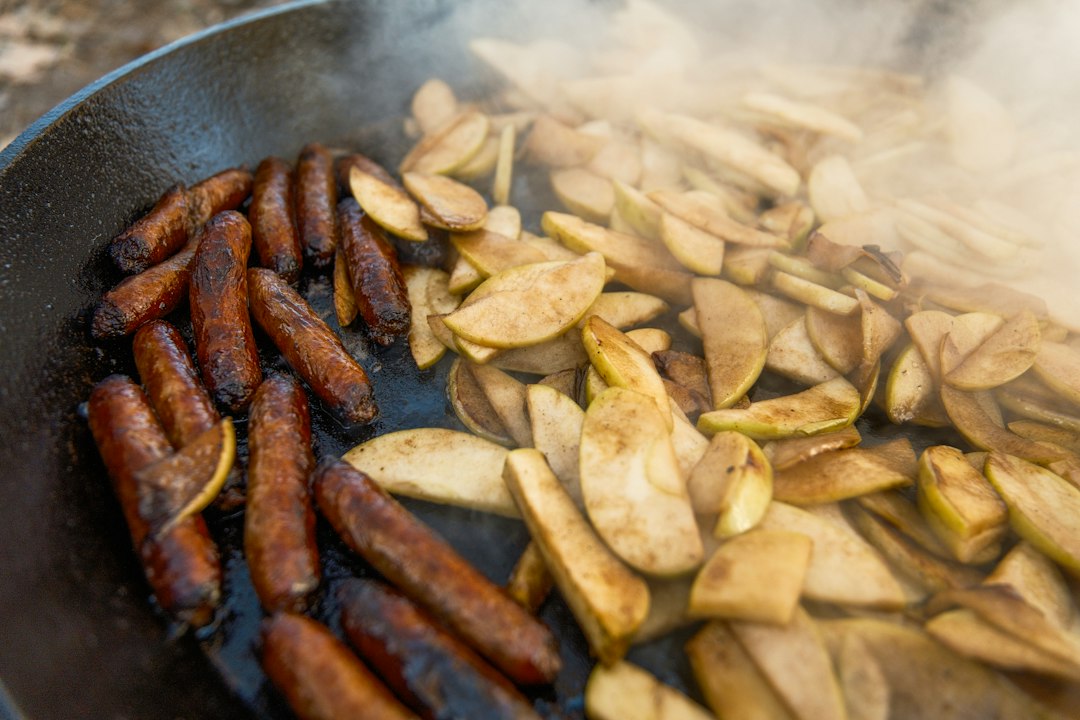
There is something wonderfully practical about a dinner built from a few familiar ingredients. Cabbage softens into sweet, buttery ribbons, potatoes turn tender and hearty, and browned smoked sausage brings the savory flavor that ties every bite together.
This is a one-skillet meal with a simple cooking rhythm: brown the sausage first, give the potatoes time to soften, and add the cabbage later so it stays tender instead of collapsing into the pan. A small splash of vinegar at the end balances the smoky richness. The result is a filling, unfussy dinner that tastes like it took more effort than it did.
The recipe at a glance
Prep: 15 minutes Cook: 30–35 minutes Total: about 45–50 minutes
Yield: 4 generous servings Cooking method: Covered skillet Heat: Medium to medium-low
Best potatoes: Yukon Gold or red potatoes Best sausage: Fully cooked smoked kielbasa or smoked sausage
The most important tip: Cut the potatoes evenly and cook them partway before adding the cabbage. Potatoes take longer to soften, while cabbage can go from tender to limp if it sits in the pan too long.
Why the cooking order matters
Although the ingredient list is short, the order you add everything makes a noticeable difference. Putting all the ingredients in the skillet at once can leave you with sausage that has steamed instead of browned, potatoes that are still firm, and cabbage that has cooked down too far.
- Brown the sausage first. A few minutes of direct contact with the hot skillet creates browned edges and leaves savory bits on the bottom of the pan. Those browned bits become part of the seasoning for the vegetables.
- Start the potatoes before the cabbage. Even small potato cubes need time to steam in the broth. Giving them a head start means the cabbage does not have to overcook while you wait for the potato centers to soften.
- Let the cabbage finish uncovered. Cabbage releases moisture as it wilts. A short covered period softens it; uncovering near the end lets excess liquid evaporate and brings the flavors together.
- Use acid at the end. Apple cider vinegar gives the finished skillet a light tang. Adding it after cooking keeps the flavor bright and helps balance the sausage’s salt and fat.
Ingredients and what each one does
Affiliate disclosure: As an Amazon Associate I earn from qualifying purchases. These amounts make four generous servings. Choose a wide, deep 12-inch skillet with a lid or a 5-quart Dutch oven. The pan needs enough room for the cabbage to wilt without spilling over the sides. A deep skillet with a fitted lid is useful for this style of one-pan dinner.
Main ingredients
- 1 pound fully cooked smoked sausage or kielbasa: Slice into coins about ½ inch thick. Pork, beef, turkey, or chicken smoked sausage all work. Check the package because salt, smoke, and spice levels vary by brand.
- 1 small head green cabbage: Remove the hard core and cut the leaves into bite-size pieces or short ribbons. You should have roughly 6 to 8 cups once chopped.
- 1½ pounds Yukon Gold or red potatoes: Scrub and cut into even ½- to ¾-inch cubes. Leave the skins on for texture, or peel them if you prefer a softer finish.
- 1 medium yellow onion: Thinly slice it so it softens quickly and becomes part of the base seasoning.
- 2 garlic cloves: Mince finely. Garlic burns quickly, so it goes into the pan after the onion has started to soften.
- ¾ cup low-sodium chicken broth: This creates steam to cook the potatoes. Keep a little extra nearby in case the skillet becomes dry before the potatoes are tender.
Oil, seasoning, and finish
- 2 tablespoons olive oil: Use 1 tablespoon to brown the sausage and the remaining tablespoon for the vegetables.
- 1 tablespoon butter: Adds a rounded, savory flavor to the onion and cabbage. For a dairy-free version, replace it with another tablespoon of olive oil.
- 1 teaspoon smoked paprika: Reinforces the smoky flavor and adds color without making the skillet hot.
- ½ teaspoon black pepper and ¼ teaspoon kosher salt to start: Smoked sausage and broth may already contain plenty of sodium, so taste before adding more salt.
- 1 tablespoon apple cider vinegar: Stir in after the heat is turned off. White wine vinegar also works; add it gradually and taste.
- 2 tablespoons chopped fresh parsley: Adds a fresh finish. Sliced green onion is another good option.
Equipment
- Wide, deep 12-inch skillet with a lid, or a 5-quart Dutch oven
- Sharp chef’s knife and a large cutting board for the cabbage
- Wooden spoon or sturdy spatula, a plate for the browned sausage, and measuring cups and spoons
- Instant-read thermometer if you substitute raw sausage
Allergens: the butter contains milk (swap in olive oil for dairy-free). Smoked sausages can contain milk, soy, wheat or mustard depending on the brand, and broth may contain celery or soy, so check those labels. The recipe has no eggs, nuts, fish or shellfish as written.
How to make cabbage, potatoes, and sausage in a skillet
Before you start, have the vegetables cut and the broth measured. Use medium heat to brown the sausage, then lower the heat when the potatoes go in. A steady, gentle simmer cooks the potato cubes without scorching the bottom of the pan.
1. Cut the vegetables into even pieces
Cut the potatoes into cubes close to the same size, about ½ to ¾ inch. If some pieces are much larger than others, the small ones can become soft and crumbly before the large centers are cooked. Slice the onion thinly. Cut the cabbage into bite-size pieces, discarding the thick core. Slice the sausage into coins and mince the garlic.
2. Brown the sausage, then take it out of the pan
Set a large deep skillet over medium heat and add 1 tablespoon of olive oil. When the oil is shimmering, lay the sausage slices in a single layer. Brown for about 2 to 3 minutes per side, working in batches if needed. You are looking for caramelized spots on the cut surfaces, not a hard crust all the way around. Transfer the sausage to a clean plate. Leave the browned bits in the skillet; they will season the onion and potatoes.
3. Build the onion and garlic base
Add the remaining tablespoon of olive oil and the butter. Stir in the onion and cook for 3 to 4 minutes, scraping the bottom of the pan, until the slices are glossy and beginning to turn translucent. Add the garlic and smoked paprika and stir for about 30 seconds. If the garlic begins to brown quickly, lower the heat before adding the potatoes.
4. Steam the potatoes until partly tender
Add the potato cubes, chicken broth, black pepper, and the starting amount of salt. Stir once to coat the potatoes and loosen any browned bits. Cover the skillet and reduce the heat to medium-low. Cook for 10 to 14 minutes, stirring once halfway through so the bottom pieces do not stick. The broth should gently bubble under the lid. If it boils hard, lower the heat; if the pan looks dry and the potatoes are still firm, add broth 1 tablespoon at a time.
5. Fold in the cabbage and finish the vegetables
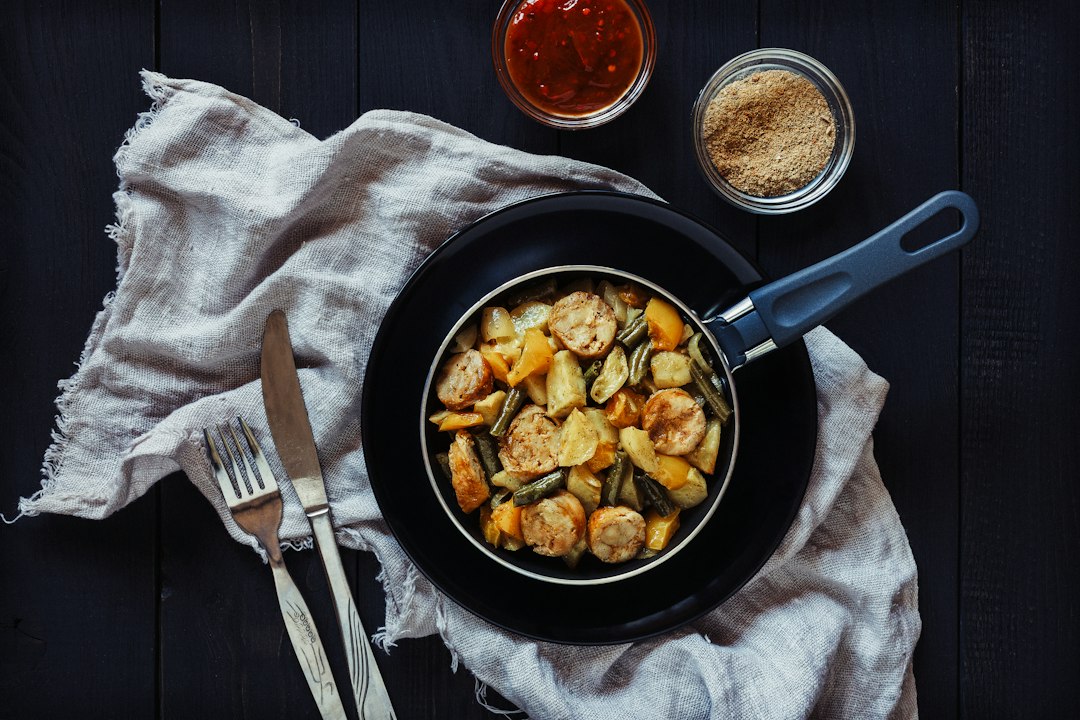
Add the cabbage in two or three handfuls, folding it through the potatoes as it begins to wilt. It may fill the skillet at first, but the leaves will shrink significantly. Cover and cook for 7 to 10 minutes, stirring once or twice. Start checking after 7 minutes. The cabbage should be softened and glossy, while the potatoes should be close to fork-tender. If you prefer cabbage with more bite, uncover it as soon as the leaves collapse and continue cooking without the lid.
6. Return the sausage and let excess moisture cook off
Return the browned sausage to the skillet and stir gently so it is distributed through the vegetables. Cook uncovered for 3 to 5 minutes, until the sausage is hot and the largest potato pieces are completely tender when pierced in the center with a fork. If the pan is still very wet, keep it uncovered for another minute or two. Avoid stirring vigorously at this stage so the potatoes keep their shape.
7. Taste, brighten, and serve
Turn off the heat. Stir in the apple cider vinegar and parsley. Taste a bite with sausage and potato together before adding more salt; the sausage seasons the entire pan. Add another teaspoon of vinegar if you want a sharper finish, or a spoonful of broth if you prefer the vegetables a little juicier. Serve straight from the skillet while hot.
How to tell when everything is ready
- Potatoes: A fork or paring knife slides into the center of a larger cube without a hard, chalky spot.
- Cabbage: The leaves are soft and flexible, but still hold their shape rather than turning to mush.
- Smoked sausage: Fully cooked sausage should be hot throughout. If you substitute raw ground pork or beef sausage, cook it to 160°F; raw chicken or turkey sausage must reach 165°F. Use a food thermometer rather than judging by color alone.
- Skillet: There should be a little moisture coating the vegetables, not a pool of broth at the bottom.
The little techniques that improve the result
Choose potatoes that hold their shape
Yukon Gold potatoes are a dependable choice because they become creamy inside without falling apart as easily as very starchy potatoes. Red potatoes also keep their shape and have thin skins that do not need peeling. Russet potatoes can work, but their fluffy texture makes them more likely to break when folded through the cabbage. If using russets, cut them slightly larger and stir gently.
Do not crowd the sausage
If sausage slices overlap, they trap steam and stay pale. Brown them in two batches if your skillet is smaller than 12 inches. The browned bits left behind are useful flavor, so do not wash or wipe out the pan between batches unless the drippings are burnt.
Control the liquid instead of adding it all at once
The measured ¾ cup of broth is there to create steam while the potatoes cook, not to make a soup. Use a little more only when the pan is dry before the potatoes soften. Once the cabbage has cooked down, uncover the skillet so the extra moisture can evaporate. If you accidentally add too much broth, remove the lid and simmer gently until the vegetables are coated rather than swimming.
Season at the end as well as the beginning
Smoked sausage can range from mildly seasoned to very salty. Start with a modest amount of salt, then taste the finished skillet after the sausage has been returned. The vinegar also changes how the seasoning tastes, so add it before making the final salt adjustment.
Troubleshooting: what to do if the skillet is not turning out right
- The potatoes are still firm: Cover the skillet again and continue cooking over medium-low heat for 3 to 5 minutes. Add a tablespoon of broth if the bottom is dry. Check a large cube in the center, not just a small piece at the edge.
- The cabbage is too soft: It has cooked too long or stayed covered after it wilted. Remove the lid and stop cooking as soon as the potatoes are tender. Next time, add cabbage a few minutes later or cut it into slightly larger pieces.
- The skillet is watery: Remove the lid and simmer uncovered for several minutes. Avoid adding more broth unless the potatoes are still undercooked.
- The bottom is sticking: Lower the heat and loosen the browned bits with a splash of broth. Make sure the pan is not dry before covering it to steam the potatoes. A heavy-bottomed skillet helps distribute heat more evenly.
- The meal tastes flat: Add a small pinch of salt, a little black pepper, or another teaspoon of apple cider vinegar. Add one adjustment at a time and taste again.
- The sausage seems greasy: Spoon off excess rendered fat after browning, leaving about a tablespoon in the pan for flavor. Then add the butter and onion.
Easy variations using the same flavor combination
Oven-roasted cabbage, potatoes, and sausage
For more browned edges, heat the oven to 425°F. Cut the potatoes into ½-inch pieces and toss with olive oil, paprika, pepper, and a little salt. Spread them on a large rimmed sheet pan in a single layer; a heavy-duty rimmed half-sheet pan gives the vegetables room to roast. Roast the potatoes for about 15 minutes first. Add cabbage pieces and sliced fully cooked sausage, toss carefully, and roast for another 12 to 18 minutes, checking the potatoes for tenderness. The cabbage will be more browned at the edges than in the skillet version.
Cheesy cabbage, potato, and sausage skillet
When the potatoes are tender and the sausage is hot, sprinkle ½ cup shredded sharp cheddar over the skillet. Cover for 1 to 2 minutes, just until the cheese melts. Finish with sliced green onions. Add cheese only at the end; stirring it into the broth can make the pan heavy and sticky.
Cabbage, potato, and sausage soup
Brown the sausage in a soup pot and transfer it to a plate. Soften the onion and garlic, then add 5 to 6 cups of chicken broth and the potatoes. Simmer until the potatoes are partly tender, add the cabbage, and cook until the vegetables are soft. Return the sausage and heat through. For a thicker broth, mash a few potato pieces against the side of the pot. Add vinegar a teaspoon at a time at the end.
Ingredient substitutions that work
- Sausage: Fully cooked smoked turkey, chicken, beef, or pork sausage can be used. Leaner poultry sausage may release less fat, so keep the full amount of oil in the recipe. Raw fresh sausage can also be used, but cook it completely and verify its safe temperature before serving.
- Cabbage: Savoy cabbage is tender and cooks a little faster. Red cabbage is firmer and may tint the potatoes. Napa cabbage is delicate; add it later and shorten its cooking time.
- Potatoes: Yukon Gold and red potatoes are the easiest to manage. If using russets, cut them slightly larger and avoid over-stirring.
- Broth: Chicken broth gives the most familiar savory flavor, but vegetable broth works. Use low-sodium broth so you can control the salt from the sausage.
- Vinegar: Apple cider vinegar gives a mild tang. White wine vinegar is a good alternative. Lemon juice can be used in a smaller amount for a fresher citrus finish.
- Butter: Use olive oil instead for a dairy-free version. The dish will still have plenty of flavor from the browned sausage and onions.
What to serve with this hearty skillet dinner
Because the skillet already includes protein and vegetables, you do not need much on the side. Cornbread, crusty bread, or warm dinner rolls are useful for catching the savory juices. A crisp green salad, dill pickles, vinegar slaw, or steamed green beans adds freshness and cuts through the richness. For a larger family meal, set mustard, hot sauce, or extra apple cider vinegar on the table so everyone can adjust their own serving. Looking for another way to use cabbage? Try our cabbage and cannellini bean skillet with lemon mustard for a meat-free dinner, or make roasted cabbage wedges with cannellini beans as a different style of vegetable-forward meal.
Make-ahead, storage, and reheating
What you can prepare ahead
Slice the cabbage and onion up to a day ahead and refrigerate them in separate covered containers. Mince the garlic and measure the seasonings too. Potatoes can be peeled and cubed ahead, but keep them completely covered in cold water in the refrigerator to prevent browning. Drain and dry them thoroughly before cooking; excess water can cause the hot oil to splatter. For the freshest texture, cook the skillet close to serving time.
How to store leftovers safely
Transfer leftovers to shallow containers and refrigerate within 2 hours. Keep the refrigerator at 40°F or below and use the leftovers within 3 to 4 days. Smaller, shallow portions cool faster than leaving the entire skillet on the counter or putting a deep, hot pan straight into the refrigerator. For general food-safety guidance, see the FDA’s safe food handling recommendations.
Best way to reheat the meal
For the stovetop, place a portion in a skillet with 1 to 2 tablespoons of broth or water. Cover and warm over medium-low heat, stirring gently once or twice. For the microwave, cover loosely and stir halfway through so the center heats evenly. Reheat leftovers to 165°F, checking with a food thermometer. The cabbage and potatoes will be softer than when freshly cooked, so use a gentle hand when stirring.
A small digital instant-read food thermometer is helpful if you use raw sausage or want to verify that reheated leftovers have reached 165°F. For raw ground pork or beef sausage, the minimum is 160°F; poultry sausage should reach 165°F. See the FoodSafety.gov temperature chart for the complete guidance.
Frequently asked questions about cabbage, potatoes, and sausage
Do I need to boil the potatoes before making this skillet?
No. Cut the potatoes into even ½- to ¾-inch cubes and cook them directly in the covered skillet with the measured broth. The lid traps steam and helps the centers soften without a separate pot of boiling water. Begin checking after about 10 minutes. If a fork meets a hard center, cover the pan again and cook for a few more minutes; add broth a tablespoon at a time only if the bottom is dry. Larger cubes will take longer, which is why keeping the pieces similar in size matters.
Which potatoes are best with cabbage and smoked sausage?
Yukon Gold potatoes are a great all-purpose choice because they become creamy inside but usually hold together when stirred gently. Red potatoes are another reliable option and can be cooked with their skins on. Russets are starchier and tend to break apart more easily, especially after they become fully tender. If russets are what you have, cut them slightly larger, avoid frequent stirring, and fold the cabbage through gently.
Should I brown the sausage before adding the vegetables?
Yes. Browning fully cooked smoked sausage first gives the slices a deeper flavor and leaves browned bits in the pan for the onion and potatoes. Transfer the slices to a plate while the vegetables cook, then return them near the end so they do not overcook. If you are using raw fresh sausage instead of precooked kielbasa, cook it thoroughly and check the center with a thermometer: ground pork or beef sausage must reach 160°F, while chicken or turkey sausage must reach 165°F.
How do I keep the cabbage from turning mushy?
Do not add the cabbage at the same time as the raw potatoes. Let the potatoes cook until they are partly tender first, then fold in the cabbage. Cut the leaves into bite-size pieces rather than shredding them very finely, keep the lid on only until the leaves wilt, and uncover for the final few minutes. Stop cooking when the cabbage is soft enough to bite but still has some shape; it will continue to soften slightly from the residual heat.
Can I make cabbage, potatoes, and sausage ahead of time?
You can do most of the prep a day ahead. Slice the cabbage and onion, mince the garlic, and measure the seasonings into separate covered containers in the refrigerator. Potatoes can be cubed ahead if they remain submerged in cold water in the refrigerator; drain and dry them very well before cooking. The finished skillet is best served freshly made because the cabbage softens and the potatoes lose a little of their texture after sitting.
Why are my potatoes still hard while the cabbage is already soft?
This usually happens when the potato pieces are too large, the skillet was not covered long enough, or the heat was too high and the liquid evaporated before the potatoes cooked through. Remove the cabbage temporarily if it is already tender, add 2 to 3 tablespoons of broth to the pan, cover, and continue cooking the potatoes over medium-low heat. Next time, cut the potatoes smaller and give them their full head start before adding the cabbage.
Can I use raw sausage instead of smoked kielbasa?
Yes, but the method and food-safety check are different. Brown raw sausage first and cook it completely before it is served with the vegetables. Ground pork or beef sausage needs to reach 160°F; chicken or turkey sausage needs to reach 165°F. If the sausage is in large links, check the thickest part without touching the pan. Keep the raw sausage plate and utensils separate from the cooked food, and wash hands and surfaces after handling raw meat.
Can I freeze the leftovers?
You can freeze the cooked mixture in airtight, freezer-safe portions, but the texture will not be quite the same after thawing. Potatoes may become grainy or mealy, and cabbage becomes softer. Freeze only portions that have been cooled and packed promptly, thaw them in the refrigerator, and reheat to 165°F. For the best texture, refrigerate the amount you expect to eat within 3 to 4 days and freeze only the extra portions.
How can I make this recipe for more than four people?
Double the ingredients, but use a large Dutch oven or two skillets rather than crowding everything into one standard pan. Brown the sausage in batches so it still gets color. Cook the potatoes in a roomy layer and add the cabbage in handfuls as it wilts. The cooking time may increase slightly, so use the fork test for the potatoes and the texture of the cabbage instead of relying on the clock alone.
Cabbage, Potatoes, and Sausage Skillet
Prep: 15 minutes · Cook: 30–35 minutes · Total: about 45–50 minutes · Yield: 4 servings
Ingredients
- 2 tablespoons olive oil, divided
- 1 pound fully cooked smoked sausage or kielbasa, sliced ½ inch thick
- 1 tablespoon butter (or more olive oil)
- 1 medium yellow onion, thinly sliced
- 2 garlic cloves, minced
- 1 teaspoon smoked paprika
- 1½ pounds Yukon Gold or red potatoes, cut in ½- to ¾-inch cubes
- ¾ cup low-sodium chicken broth, plus a little extra if needed
- ½ teaspoon black pepper and ¼ teaspoon kosher salt, plus more to taste
- 1 small head green cabbage, cored and chopped (6–8 cups)
- 1 tablespoon apple cider vinegar
- 2 tablespoons chopped fresh parsley
Instructions
- Heat 1 tablespoon oil in a deep 12-inch skillet over medium heat. Brown the sausage in a single layer, 2–3 minutes per side; transfer to a plate.
- Add the remaining oil and the butter. Cook the onion 3–4 minutes until translucent, then stir in the garlic and paprika for 30 seconds.
- Add the potatoes, broth, pepper and salt. Cover, reduce to medium-low and cook 10–14 minutes, stirring once, until the potatoes are partly tender.
- Fold in the cabbage in handfuls. Cover and cook 7–10 minutes, stirring once or twice, until the cabbage is soft and glossy.
- Return the sausage and cook uncovered 3–5 minutes, until the sausage is hot and the largest potato cube is tender in the center.
- Off the heat, stir in the vinegar and parsley. Taste before adding more salt and serve hot.
Notes
If you use raw sausage instead of smoked, cook pork or beef sausage to 160°F and chicken or turkey sausage to 165°F. Refrigerate leftovers within 2 hours and reheat to 165°F.
A cozy skillet dinner worth keeping in the rotation
Recipes with cabbage, potatoes, and sausage are popular because the ingredients are affordable, filling, and easy to keep on hand. The best version is not about complicated seasoning; it is about getting the timing right. Brown the sausage, let the potatoes steam until nearly tender, add the cabbage later, and finish with a little vinegar to balance the smoky flavor.
Keep the skillet simple for a busy weeknight, or use the oven-roasted, cheesy, and soup variations when you want something a little different. Serve it hot from the pan with bread or a crisp side, and save any leftovers for an easy next-day lunch.
Food-safety references: FoodSafety.gov safe minimum internal temperatures and FDA safe food handling guidance. Photo credits: Noah Ridge, Elena Leya, and Dextar Studio via Unsplash.




