Quick Recipe Overview
Apple Cranberry Free-Form Tart
One 9-inch round of chilled pie dough, 3 cups of thinly sliced apples and 1/2 cup of fresh cranberries, folded into a rustic tart on a parchment-lined sheet pan. It bakes at 400°F for 35–45 minutes and cuts into 6 wedges.
Best method: Slice the apples thin, keep the fruit layer shallow, leave a 2-inch border, and bake until the underside of the crust is browned, not just the rim.
| Prep | 25 minutes |
|---|---|
| Bake | 35–45 minutes |
| Cool | 20 minutes |
| Total | About 1 1/2 hours |
| Oven | 400°F (200°C) |
| Yield | One 10-inch tart, 6 servings |
This apple cranberry free-form tart is the easiest way to get pie flavor without a pie plate: one round of chilled dough, 3 cups of thinly sliced apples, 1/2 cup of tart fresh cranberries, a spoonful of cornstarch and a short bake at 400°F. The edges are folded up over the fruit by hand, so it doesn’t matter if your circle is a little lopsided. Rustic is the point.
It’s a good first pastry project for anyone nervous about crimping a pie, and a handy fall dessert when you have a few apples and half a bag of cranberries left from another recipe. It serves 6, takes about 25 minutes of hands-on work, and tastes best slightly warm, about 20 minutes out of the oven.
Equipment
- Rimmed baking sheet (half sheet): the rim catches any juice that leaks from a pleat, so it doesn’t drip and smoke on the oven floor.
- Parchment paper: you roll the dough directly on it, then slide the whole sheet onto the pan. No lifting, no stretching.
- Rolling pin: any straight or tapered pin works.
- Sharp paring knife or mandoline: for slicing apples about 1/8 inch thick.
- Mixing bowl and pastry brush: for tossing the filling and brushing on the egg wash.
- Thin metal spatula: to peek at the underside of the crust near the end of baking.
Ingredients and Why Each One Matters
| Ingredient | Amount | Why it’s there |
|---|---|---|
| Chilled pie dough | About 250 g (one 9-inch crust) | The folded crust holds everything; cold fat makes it flaky. |
| Apples, peeled and thinly sliced | 3 cups (about 3 medium) | The main fruit. Thin slices soften in the time the crust takes to brown. |
| Fresh cranberries | 1/2 cup | Sharp, bright contrast to sweet apple; they pop and turn jammy. |
| Granulated sugar | 3 tablespoons | Sweetens the filling and balances the cranberries. |
| Cornstarch | 1 tablespoon | Thickens the juices so they turn glossy instead of soaking the crust. |
| Lemon juice | 1 tablespoon | Keeps apple slices from browning and sharpens the flavor. |
| Ground cinnamon | 1/2 teaspoon | Classic warm spice for apples. |
| Large egg, beaten | 1 | Egg wash gives the crust a glossy, deep golden finish. |
| Coarse sugar | 1 tablespoon | Adds crunch and sparkle to the folded edge. |
Substitutions
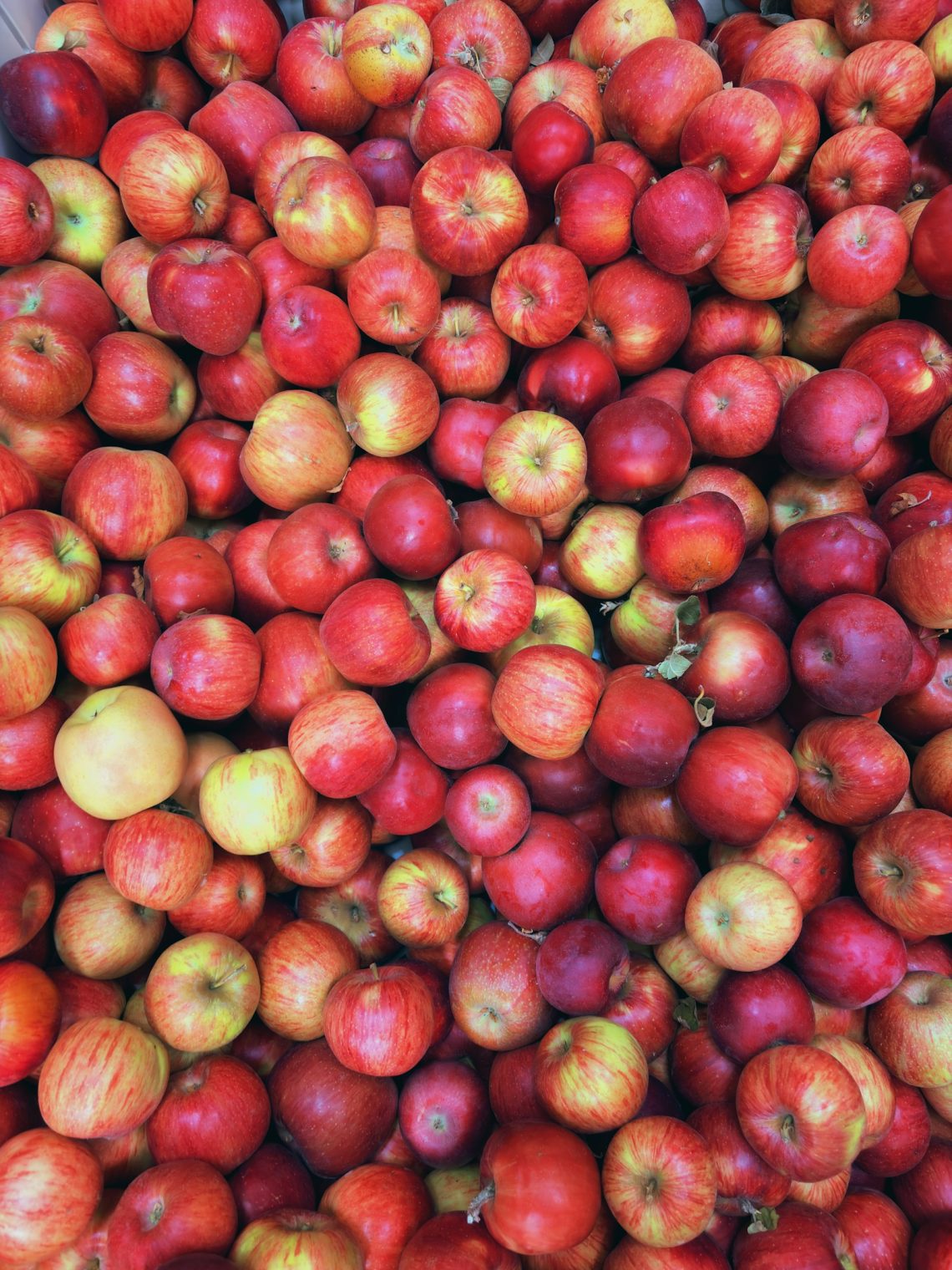
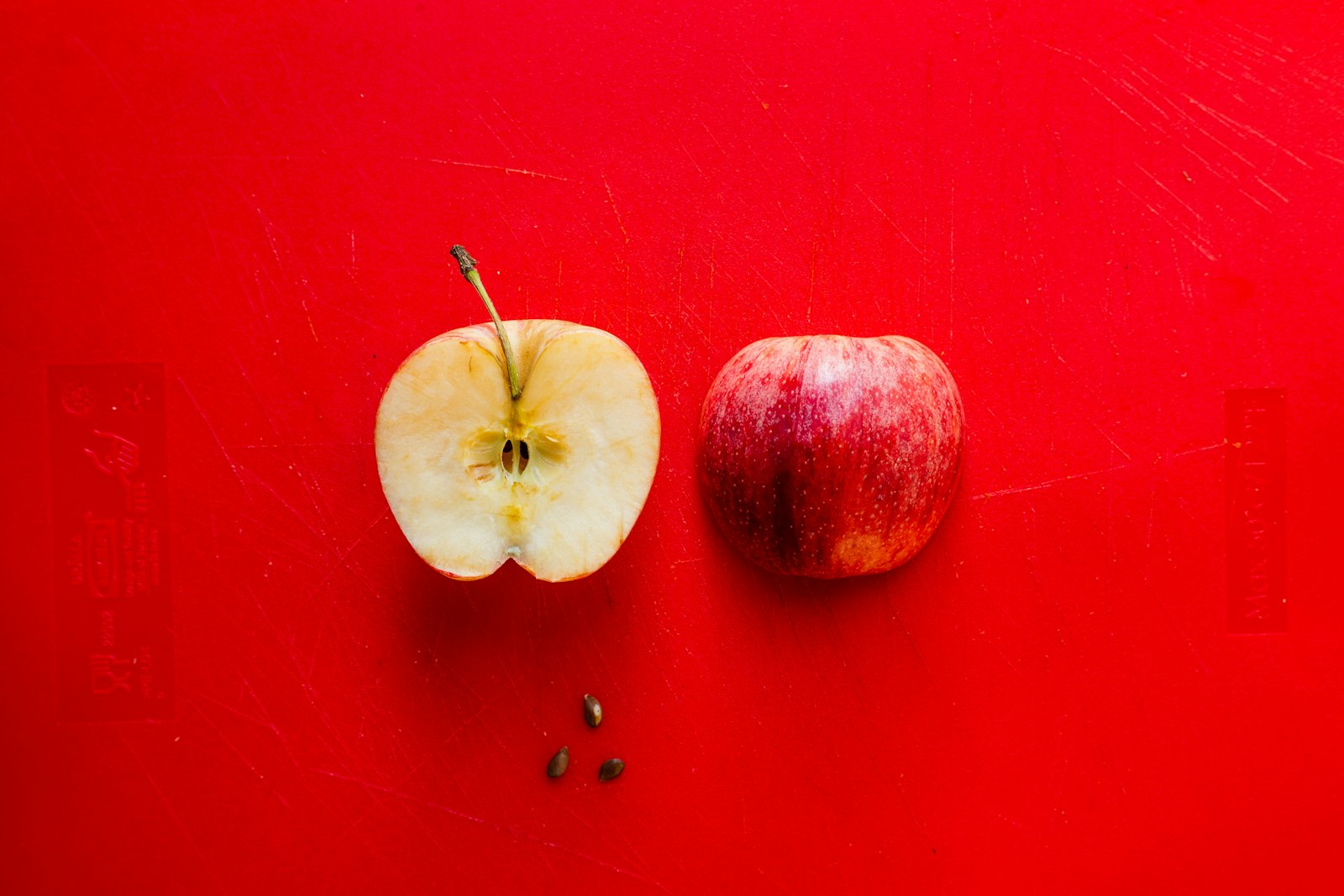
- Apples: a firm baking apple that holds its shape (such as Honeycrisp, Granny Smith or Braeburn) works best. Very soft apples can turn to sauce.
- Cranberries: frozen cranberries can go in straight from the freezer; there’s no need to thaw them. Dried cranberries work too, but use about 1/3 cup and expect a sweeter, chewier result.
- Dough: a store-bought refrigerated roll-out crust or your own single-crust recipe both work. Let store-bought dough sit a few minutes so it unrolls without cracking.
- Cornstarch: the same amount of tapioca starch or 2 tablespoons all-purpose flour can stand in.
- Egg wash: for an egg-free finish, brush the crust with milk or cream instead. It browns a little less.
Allergens: This recipe contains wheat (gluten) from the pie dough and egg from the egg wash. Most pie doughs also contain milk (butter); check the label on store-bought crusts, as some use shortening or other fats.
Why This Free-Form Method Works
A free-form tart (often called a galette) bakes faster than a double-crust pie because there’s only one layer of pastry and the fruit layer is shallow. That’s also why slice thickness matters so much here: the crust is done in about 40 minutes, so the apples need to be thin enough to cook through in the same time. Slices about 1/8 inch thick turn tender; thick wedges can still be crunchy when the pastry is ready.
The open center lets steam escape, which concentrates the fruit juices instead of trapping them. Cornstarch thickens those juices once they come to a full bubble, which is why “bubbling in the center” is one of the doneness cues. If the filling never bubbles, the starch hasn’t fully thickened and the juices will stay runny.
Keeping the dough cold is what makes it flaky. Small pieces of solid fat in the dough melt in the hot oven and release steam, leaving thin layers behind. If the dough warms up while you fold it, chill the whole pan for 10–15 minutes before it goes in the oven.
Finally, keeping the cranberries in the middle of the fruit, away from the folded edge, matters because they burst as they bake. Juice that escapes right at a pleat can run under the crust and make the bottom soggy or stick to the parchment.
Step-by-Step Method
- Heat the oven (about 15 minutes). Set a rack in the lower-middle position and heat the oven to 400°F (200°C). A lower rack helps the bottom crust brown. Cue: wait until the oven is fully preheated before baking.
- Roll the dough (5 minutes). On a sheet of parchment, roll the chilled dough into a rough 12-inch circle about 1/8 inch thick. Slide the parchment onto the rimmed baking sheet. Cue: the dough should feel cool and firm; if it’s sticky or soft, chill the pan for 10 minutes.
- Toss the filling (5 minutes). In a bowl, toss the apple slices and cranberries with the sugar, cornstarch, lemon juice and cinnamon until no dry cornstarch is visible. Cue: every slice looks lightly coated and glossy.
- Arrange the fruit (5 minutes). Spread the fruit in a shallow, even layer, leaving a 2-inch border all around. Keep the cranberries toward the center. Leave any liquid pooled in the bowl behind. Cue: the fruit layer is no more than about 1 inch deep.
- Fold and finish (5 minutes). Fold the border up over the fruit, overlapping and pleating as you go. Pinch any tears closed. Brush the exposed crust with beaten egg and sprinkle with coarse sugar. Cue: the center fruit stays uncovered, about 6 inches across.
- Bake (35–45 minutes). Bake until the crust is deep golden on top and underneath, and the juices in the center are bubbling. Cue: lift an edge with a thin spatula; the bottom should be browned, not pale. If the rim browns too fast, cover it loosely with foil.
- Cool (20 minutes). Let the tart rest on the pan so the juices thicken. Slide it off on the parchment and cut into 6 wedges with a sharp knife. Cue: juices look jammy, not watery.
Make-ahead timeline: Slice and toss the filling up to 30 minutes ahead (longer and the apples release lots of liquid). The dough can be rolled out, covered and chilled on its parchment up to a day ahead. Assemble just before baking.
Food Safety Notes
Raw dough and egg wash
- Don’t taste raw pie dough or the raw egg wash. Uncooked flour and raw eggs can carry bacteria; the FDA explains why raw flour should be cooked before eating.
- Wash hands, the brush and the bowl after handling raw egg.
- Cover and refrigerate leftovers within 2 hours and reheat slices thoroughly if you serve them hot. See USDA FSIS guidance on leftovers and FoodSafety.gov’s temperature chart.
Troubleshooting
| Problem | Likely cause | Fix |
|---|---|---|
| Soggy, pale bottom | Rack too high, or tart pulled too early | Bake on the lower-middle rack and check the underside before removing. |
| Juice leaked out | Tear in a pleat, or cranberries at the edge | Pinch tears closed; keep cranberries in the center; leave bowl liquid behind. |
| Apples still firm | Slices too thick | Slice about 1/8 inch thick; tent the crust with foil and bake a few minutes more. |
| Runny filling | Filling never reached a bubble, or sliced while hot | Bake until the center bubbles and cool a full 20 minutes. |
| Crust slumped or shrank | Dough was too warm going in | Chill the assembled tart 10–15 minutes before baking. |
| Rim too dark | Hot oven spot or heavy egg wash | Brush lightly; cover the rim loosely with foil for the last 10 minutes. |
What to Serve With It
Serve wedges slightly warm with vanilla ice cream, lightly sweetened whipped cream or plain Greek yogurt. If you’re baking for a crowd, set out a second fruit dessert so guests can try both.
- Bake a second galette with a different fruit: Pear Almond Galette.
- Prefer a topping to a crust? Try the Apple Cranberry Pecan Crumble.
- For breakfast with the same flavors: Apple Cranberry Oat Muffins.
Make-Ahead, Storage and Reheating
- Refrigerate: Once cool, cover leftovers and refrigerate within 2 hours. Keep at 40°F (4°C) or below and eat within 3–4 days, following USDA leftover guidance.
- Reheat: Warm slices on a sheet pan at 350°F for about 10 minutes to re-crisp the crust. The microwave works but softens the pastry.
- Freeze: Wrap cooled wedges individually and freeze. Reheat from frozen in the oven until warmed through.
- Freeze unbaked: You can assemble the tart (without egg wash) on its parchment, freeze until solid, then wrap. Bake from frozen, adding egg wash first and expecting a longer bake.
FAQ
What’s the difference between a galette and a free-form tart?
They’re the same idea: a single round of pastry folded up around a filling and baked on a flat pan. “Galette” is the French name; “free-form tart” and “crostata” (Italian) describe the same rustic style.
Do I need a tart pan?
No. The folded border holds the fruit. A rimmed baking sheet lined with parchment is all you need.
Can I use frozen cranberries?
Yes. Add them straight from the freezer. Thawed cranberries release more juice, so if they’ve already thawed, drain them well.
Which apples are best?
Firm apples that keep their shape when baked, such as Honeycrisp, Granny Smith or Braeburn. A mix of tart and sweet apples gives the fullest flavor.
Why is the bottom of my tart soggy?
Usually it was baked on a rack that was too high or pulled out before the underside browned. Bake low in the oven and check underneath with a spatula before removing it.
Can I make it ahead for a party?
Bake it the same day if you can, a few hours ahead. Serve at room temperature or reheat briefly at 350°F to re-crisp the crust.
Can I make it gluten-free?
Yes, use a gluten-free pie dough. These doughs are more fragile, so roll between two sheets of parchment and fold gently, patching cracks as you go.
How do I know when it’s done?
The crust is deep golden on top and underneath, the apples are tender when poked with a knife, and the juices in the center are bubbling.
Recommended Tools
- Shop half sheet baking pans on Amazon
- Shop rolling pins on Amazon
- Shop precut parchment sheets on Amazon
- Shop pastry brushes on Amazon
As an Amazon Associate I earn from qualifying purchases.
Bake It This Week
An apple cranberry free-form tart asks for very little: one crust, a few apples, a handful of cranberries and a sheet pan. Slice thin, keep the filling shallow, and bake until the bottom is golden. The printable card below has everything in one place.
Apple Cranberry Free-Form Tart
Yield: 6 servings · Prep: 25 min · Bake: 35–45 min · Cool: 20 min · Total: about 1 1/2 hours · Oven: 400°F (200°C)
Ingredients
- About 250 g chilled pie dough (one 9-inch crust)
- 3 cups peeled, thinly sliced apples
- 1/2 cup fresh cranberries
- 3 tablespoons granulated sugar
- 1 tablespoon cornstarch
- 1 tablespoon lemon juice
- 1/2 teaspoon ground cinnamon
- 1 large egg, beaten, for brushing
- 1 tablespoon coarse sugar
Instructions
- Heat the oven to 400°F (200°C) with a rack in the lower-middle position.
- Roll the chilled dough on parchment into a roughly 12-inch circle; slide the parchment onto a rimmed baking sheet.
- Toss the apples and cranberries with the sugar, cornstarch, lemon juice and cinnamon.
- Spread the fruit in a shallow, even layer, leaving a 2-inch border and keeping cranberries toward the center.
- Fold the border over the fruit, pleating as needed and pinching tears closed. Brush the crust with egg and sprinkle with coarse sugar.
- Bake 35–45 minutes, until the crust is golden underneath and around the rim and the filling bubbles.
- Cool 20 minutes before slicing. Serve warm or at room temperature.
Notes
- Slice apples about 1/8 inch thick so they soften in time.
- Chill the assembled tart 10–15 minutes if the dough feels soft.
- Refrigerate leftovers within 2 hours; eat within 3–4 days.