
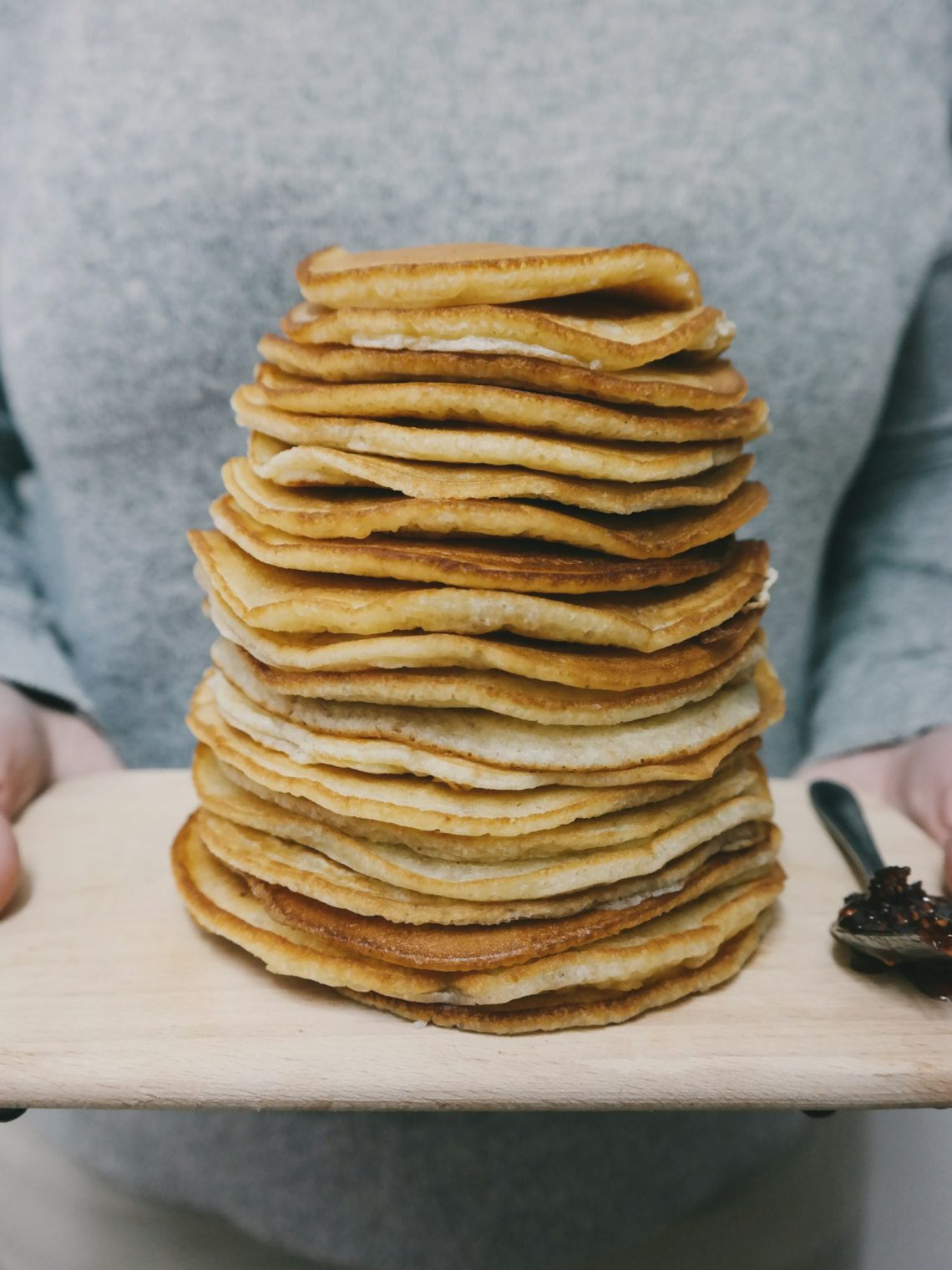
Buckwheat pear pancakes for two combine a nutty flour blend with finely grated pear for a breakfast that feels substantial without making a large stack. Half buckwheat flour supplies flavor, half all-purpose flour helps the pancakes hold together, and one whole egg keeps the small batch easy to measure.
Affiliate disclosure: As an Amazon Associate I earn from qualifying purchases. These paid links open Amazon search results for comparing equipment.
Grate the firm pear with a box grater (paid link), then keep a broad thin spatula (paid link) beside the skillet for turning the small pancakes.
The batter rests briefly while the skillet heats. Grated pear distributes through the pancakes rather than forming large fruit pockets, and moderate heat lets the centers set before the outside becomes too dark. The recipe makes approximately six small pancakes for two plates.
Jump to the six-pancake recipe
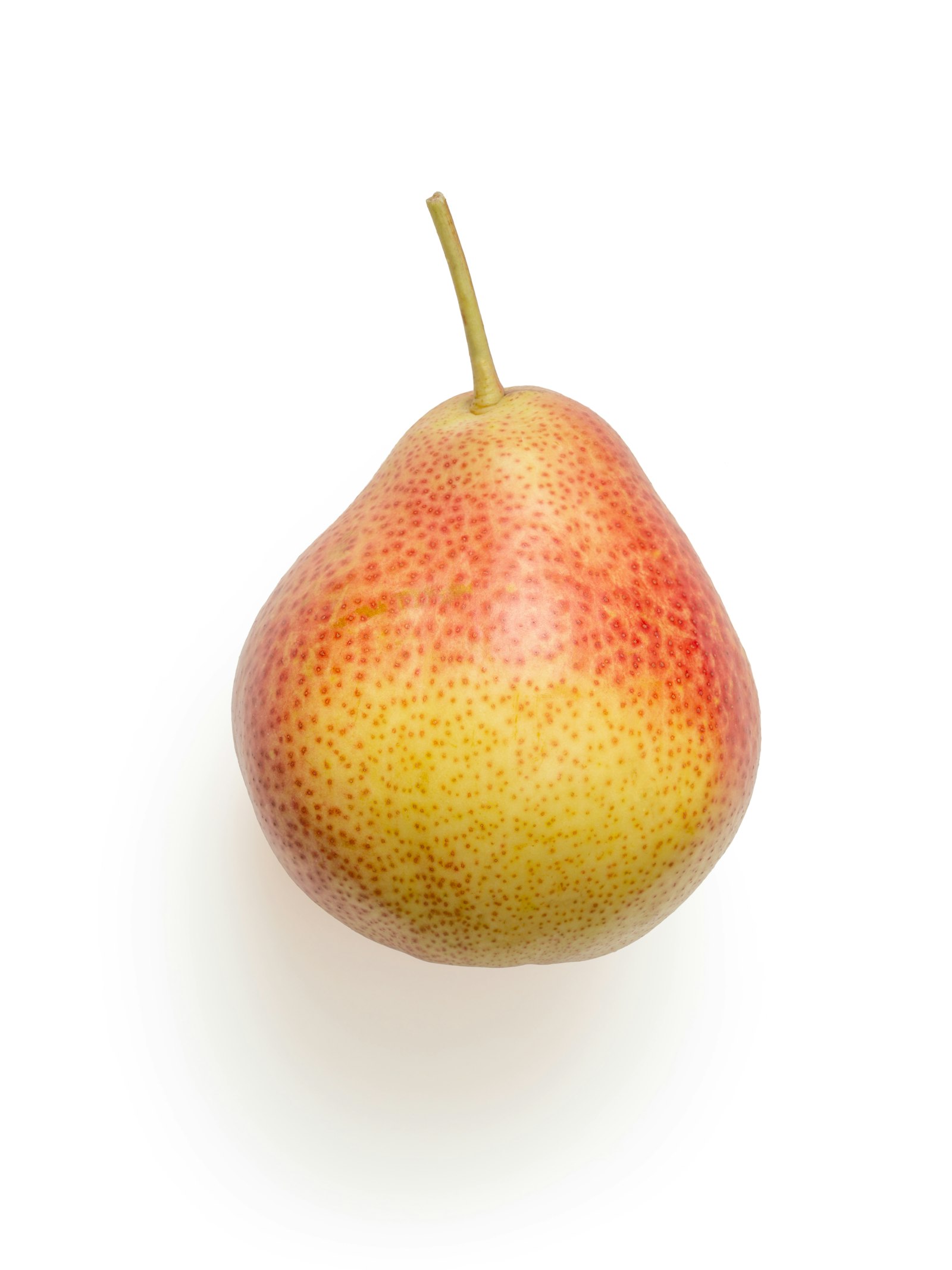
Control pear juice before mixing buckwheat batter
| Pear | Use firm-ripe fruit, grate or dice as directed, and blot excess juice. |
| Batter | Mix until the dry flour disappears, then rest briefly so buckwheat hydrates. |
| Griddle | Use moderate heat; buckwheat darkens naturally and can look done before the center sets. |
| Turning | Flip when bubbles form and the edges look dry enough to lift cleanly. |
If the first pancake spreads too far, allow more rest. If it is too thick, add liquid by the teaspoon.
Use two flours for a balanced first batch
Buckwheat flour varies in color and intensity. Some products are pale and mild, while darker whole-grain versions have a stronger flavor. The equal blend with all-purpose flour keeps the buckwheat noticeable without making it the entire structure of the pancake.
Because the recipe includes wheat flour, it is not gluten-free. Replacing the wheat flour with another product requires a different formula. Keep the stated blend for the intended result and make any dietary change through a recipe developed for that requirement.
A firm ripe pear is easier to grate than a very soft one. Peel it if you want a smoother texture, then grate the flesh on the large holes of a box grater. Avoid the core and measure the prepared fruit after grating.
Buckwheat pear pancakes for two
Yield: approximately 6 pancakes, each about 4 inches across. Preparation: 15 minutes, including a 5-minute batter rest. Cooking: about 15 minutes in two batches. Total: about 30 minutes.
Equipment: two bowls, whisk, spatula, box grater, 1/4-cup measure, and a 12-inch nonstick or well-seasoned skillet for cooking three pancakes at a time. A broad thin spatula makes flipping easier.
Ingredients
- 1/2 cup buckwheat flour, approximately 60 g
- 1/2 cup all-purpose flour, spooned and leveled, 60 g
- 1 tablespoon granulated sugar, approximately 12 g
- 1 1/4 teaspoons baking powder
- 1/8 teaspoon fine salt
- 1 large egg
- 1/2 cup milk, 120 ml, plus 1–2 tablespoons if needed after resting
- 1 tablespoon neutral oil, plus 1–2 teaspoons for the skillet as needed
- 1/4 teaspoon vanilla extract
- 1/2 cup grated ripe pear, approximately 80–85 g, measured without packing
- Maple syrup, optional, for serving
Mix and cook step by step
- Prepare the pear. Wash, core, and grate the fruit. If there is a visible pool of juice, drain that loose liquid away, but do not squeeze the grated pear completely dry. Measure 1/2 cup of the grated flesh.
- Combine the dry ingredients. Whisk both flours, sugar, baking powder, and salt in a bowl. Break up flour or leavener lumps now, before the wet ingredients are added.
- Combine the wet ingredients. In the second bowl, whisk the egg, measured milk, tablespoon of oil, and vanilla. Stir in the grated pear, separating the strands so they are distributed through the liquid.
- Fold and rest. Add the wet mixture to the flour bowl. Fold until no dry flour remains; small lumps are fine. Let stand for 5 minutes while the skillet heats over medium-low. The batter should thicken slightly during this pause.
- Check the flow. Lift a spoonful of batter. It should fall in a thick ribbon and spread slowly. If it barely drops from the spoon, fold in extra milk 1 tablespoon at a time. Avoid thinning it into a crepe-like liquid.
- Cook the first side. Lightly oil the skillet and spread the oil with a brush or folded paper towel held safely with tongs. Add about 1/4 cup batter per pancake, leaving room to flip. Cook for 2–3 minutes, until the edges begin to set and bubbles appear on the surface.
- Flip once. Slide the spatula underneath and turn each pancake. Cook for another 1–2 minutes, until the underside is browned and the center springs back lightly. Cut into the first pancake if needed; it should not contain a wet band of batter.
- Adjust and finish the batch. Lower the heat if the outside colors before the center sets. Add a little more skillet oil if needed and repeat with the remaining batter. Divide the pancakes between two plates and serve with optional syrup.
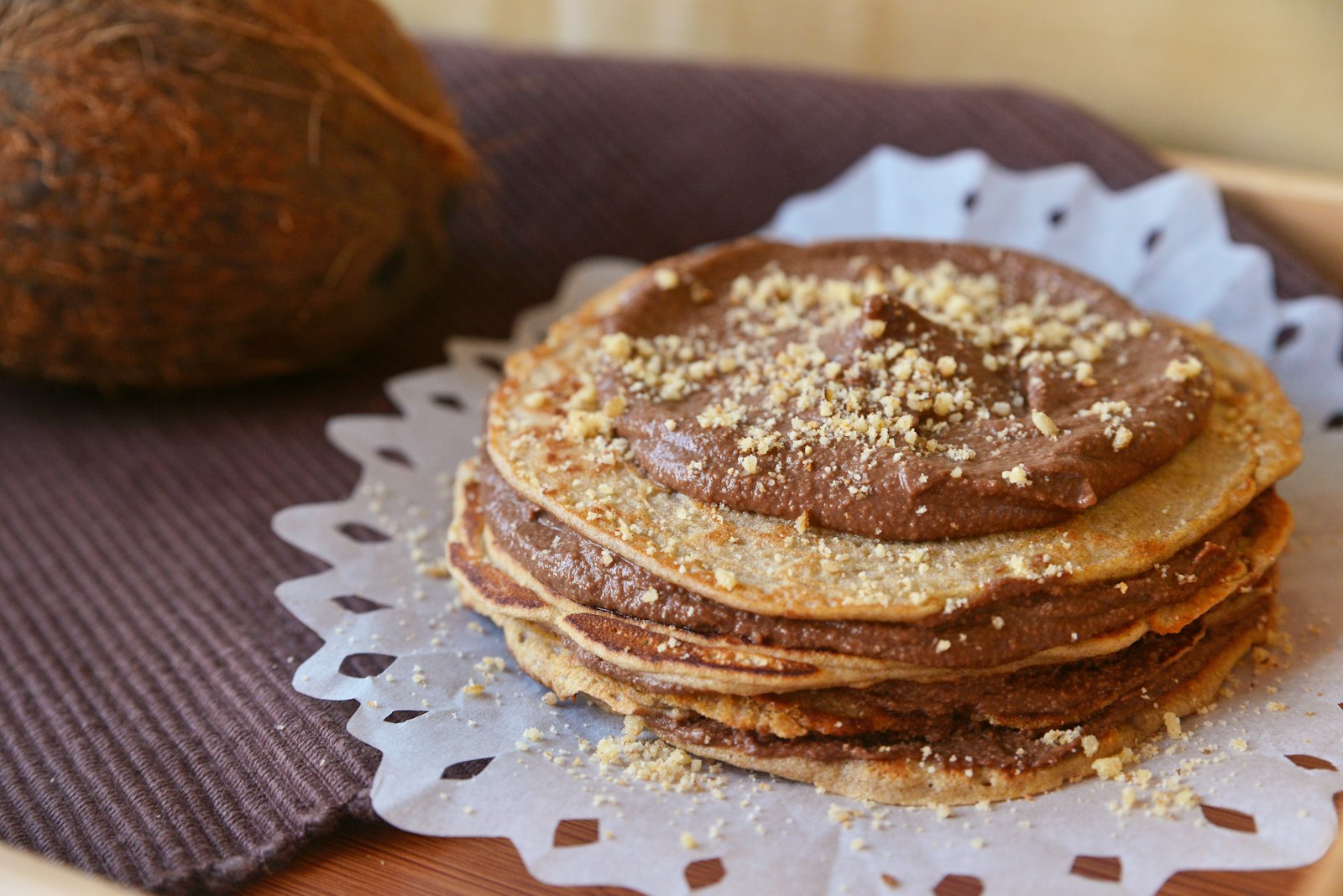
Grated pear changes the batter gradually
The pear carries moisture inside its flesh as well as some loose juice. Draining only a visible puddle keeps the recipe from becoming unpredictable while retaining the fruit’s character. Squeezing it completely dry would produce a different ingredient.
The five-minute rest allows the flour to hydrate before you decide whether to add milk. A batter that looks slightly loose immediately after mixing may thicken enough on its own. Adding liquid too early can make the pancakes spread thinly and become harder to turn.
Very overripe pear behaves more like puree. Save it for a recipe that calls for mashed fruit rather than forcing it into a grated-fruit method. A crisp unripe pear, meanwhile, may leave firmer strands in the finished pancake.
Use the first pancake to set the heat
The first pancake tells you whether the skillet is ready. If it stays pale and takes a long time to set, increase the heat slightly. If it browns in well under two minutes while the top remains wet, lower the heat and give the pan a brief pause.
Moderate heat is particularly useful with fruit batter because the outside can color before the center cooks. Do not press the pancake down after flipping. That compresses the crumb and can push moisture onto the skillet instead of helping it finish evenly.
Cook only as many pancakes as fit comfortably. Crowding makes flipping awkward and can lead to broken edges. Keep the first batch loosely covered on a warm plate, or briefly in a low oven, while the second batch cooks.
Keep the mixing gentle
The University of Wyoming’s quick-bread method guide includes pancakes among batters that benefit from combining wet and dry ingredients separately and limiting final mixing. Fold enough to remove dry patches without trying to make the batter glossy and perfectly smooth.
A scale is useful when working with two flours. The King Arthur ingredient weight chart provides a reference for common baking ingredients, but check your flour package too. Different milling can affect how much flour settles into a cup.
The small sugar amount supports flavor and browning without making the pancakes dessert-like. Add syrup at the table rather than greatly increasing the batter sugar, which can make the surfaces brown faster.
Substitutions and serving choices
Milk alternative: use an unsweetened oat or soy beverage in the same amount. The batter still contains egg and wheat flour. A sweetened beverage changes the flavor, so be restrained with syrup.
Spice: add 1/4 teaspoon ground cinnamon to the dry ingredients if desired. A small pinch of ginger also pairs with pear, but avoid a heavy spice mixture that hides the buckwheat.
Apple: a grated apple can be explored at the same measured amount, with the same attention to loose juice. It stays firmer and tastes different, so treat it as a variation rather than expecting identical pancakes.
Serve with sliced fruit, plain yogurt, or a modest drizzle of maple syrup. For a different small-batch pancake formula using oats and banana, try banana oat pancakes without eggs or milk. If preparing ingredients for a trip, the separate camping pancake mix guide addresses a dry-mix approach.
Save cooked pancakes, not wet batter
Cook the full batch once the batter is mixed. Leaving it overnight changes the fruit moisture and the activity of the baking powder. Dry ingredients can be measured ahead, with milk and eggs kept refrigerated separately.
Refrigerate cooked leftovers within 2 hours, or within 1 hour above 90°F. Keep covered at 40°F or colder and use within 3–4 days. Reheat to 165°F, following USDA leftover guidance. Freeze cooled pancakes separated with parchment for up to a month for best texture.
Frequently Asked Questions
Can I make them entirely with buckwheat flour?
Not with a guaranteed equivalent result from these measurements. The all-purpose flour supplies structure in this formula. An all-buckwheat pancake needs its own development and can be more fragile.
Why are the pancakes dark?
Darker buckwheat flour naturally gives a deeper color. Judge the cooked surface and center rather than expecting the pale interior of a plain wheat pancake. A burned smell or nearly black crust still indicates excessive heat.
Can I leave out the egg?
The egg helps bind this batter. Omitting it changes structure and liquid, so choose a recipe developed without egg rather than simply leaving it out.
Should I peel the pear?
Peeling gives a more uniform texture. Tender skin can remain if you enjoy it, but thick skin may leave noticeable strands. Either way, remove the core before grating.
Can I make smaller pancakes?
Yes. Use less batter per pancake and expect more pieces. They will cook faster, so watch the edges and check the first one instead of applying the full timing automatically.
Why is the middle still wet after flipping?
The skillet may be too hot, the pancakes too thick, or the batter too wet. Lower the heat and allow more gentle cooking. Buckwheat pear pancakes for two should have a set center with tender fruit, not raw batter.
Buckwheat Pear Pancakes for Two
Ingredients
Equipment
Method
- Prepare the pear. Wash, core, and grate the fruit. If there is a visible pool of juice, drain that loose liquid away, but do not squeeze the grated pear completely dry. Measure 1/2 cup of the grated flesh.
- Combine the dry ingredients. Whisk both flours, sugar, baking powder, and salt in a bowl. Break up flour or leavener lumps now, before the wet ingredients are added.
- Combine the wet ingredients. In the second bowl, whisk the egg, measured milk, tablespoon of oil, and vanilla. Stir in the grated pear, separating the strands so they are distributed through the liquid.
- Fold and rest. Add the wet mixture to the flour bowl. Fold until no dry flour remains; small lumps are fine. Let stand for 5 minutes while the skillet heats over medium-low. The batter should thicken slightly during this pause.
- Check the flow. Lift a spoonful of batter. It should fall in a thick ribbon and spread slowly. If it barely drops from the spoon, fold in extra milk 1 tablespoon at a time. Avoid thinning it into a crepe-like liquid.
- Cook the first side. Lightly oil the skillet and spread the oil with a brush or folded paper towel held safely with tongs. Add about 1/4 cup batter per pancake, leaving room to flip. Cook for 2–3 minutes, until the edges begin to set and bubbles appear on the surface.
- Flip once. Slide the spatula underneath and turn each pancake. Cook for another 1–2 minutes, until the underside is browned and the center springs back lightly. Cut into the first pancake if needed; it should not contain a wet band of batter.
- Adjust and finish the batch. Lower the heat if the outside colors before the center sets. Add a little more skillet oil if needed and repeat with the remaining batter. Divide the pancakes between two plates and serve with optional syrup.




