
Quick Recipe Overview
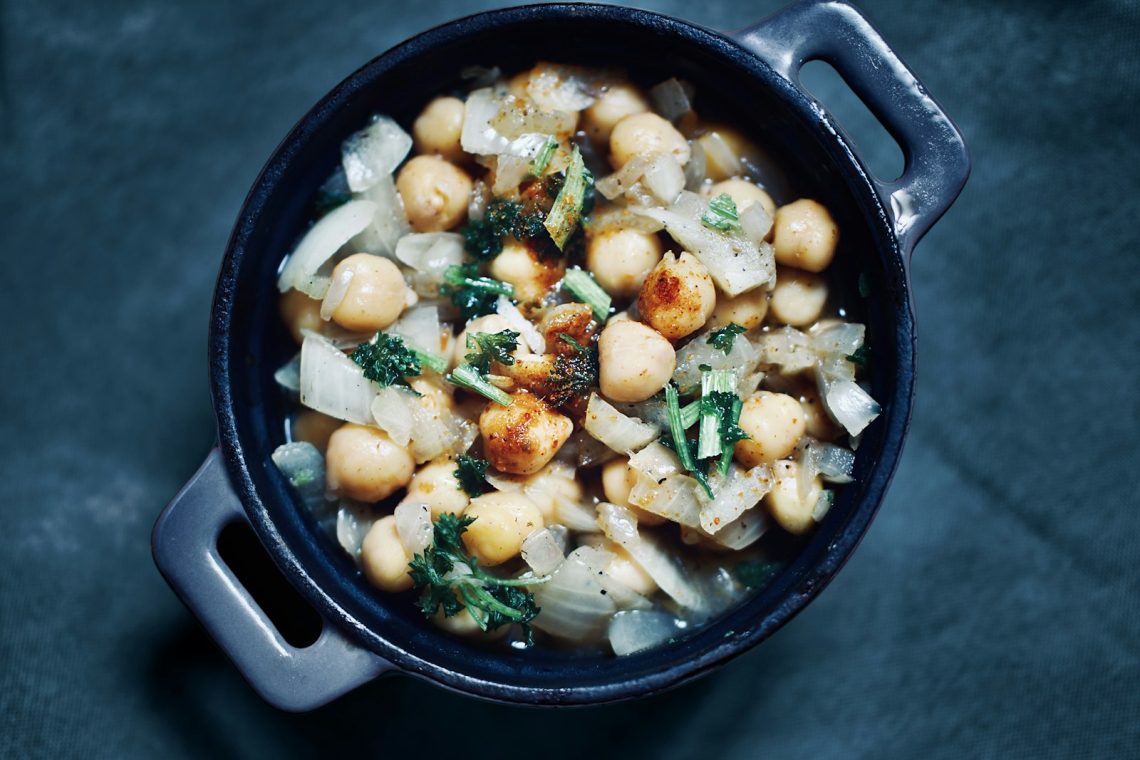
Chickpea Artichoke Soup with Dill
Two cups of sliced celery simmer in 4 cups of vegetable broth with 1 teaspoon of dried dill, then 3 cups of canned chickpeas heat through and 1 1/2 cups of quartered canned artichoke hearts go in last. A light, pantry-friendly soup for 4 in about 55 minutes, made in one 4-quart pot.
Best method: Cook the celery until fork-tender, warm the chickpeas for 5 to 8 minutes, fold the artichokes in during the final minute, and season in small steps.
| Prep | 15 minutes |
|---|---|
| Cook | 40 minutes |
| Total | About 55 minutes |
| Yield | 4 servings |
| Heat | Medium, then gentle simmer |
| Diet | Vegan as written |
Chickpea artichoke soup with dill is a pantry-friendly pot built from 3 cups of canned chickpeas, 1 1/2 cups of canned artichoke hearts, 2 cups of sliced celery, and a full teaspoon of dried dill. The broth stays light and savory, the chickpeas keep a slightly creamy bite, and the artichokes go in at the very end so they stay tender instead of dissolving.
Nearly everything comes from cans, jars, and the crisper drawer, so it is a good choice for a weeknight when fresh groceries are running low. It serves four in about 55 minutes. The steps below explain what to look for at each stage, so you can adjust for your own pot, stove, and brand of broth.
Equipment
- 4-quart pot with a lid, wide enough that the soup sits at least 2 inches below the rim.
- Cutting board and chef’s knife for the onion, celery, and quartering artichokes.
- Colander to rinse the chickpeas and, if salty, the artichokes.
- Wooden spoon and ladle.
- Immersion blender (optional) if you want to blend a cup of soup for a creamier body.
Ingredients and substitutions
| Ingredient | Amount | Why it matters | Swap |
|---|---|---|---|
| Olive oil | 2 tbsp | Softens aromatics | Reduce if using oil-marinated artichokes |
| Onion, finely diced | 1 medium | Sweet base | Shallot or leek |
| Garlic, minced | 2 cloves | Depth | 1/4 tsp garlic powder |
| Celery, thinly sliced | 2 cups | Savory backbone and texture | Thinly sliced fennel bulb (gentle anise flavor) |
| Canned chickpeas, rinsed | 3 cups (about two 15-oz cans) | Body and protein | Home-cooked chickpeas or cannellini beans |
| Low-sodium vegetable broth | 4 cups | Liquid; lets you control salt | Chicken broth (not vegan) |
| Dried dill | 1 tsp | Grassy, citrusy lift | About 1 tbsp fresh dill, stirred in at the end |
| Canned artichoke hearts, drained, quartered | 1 1/2 cups | Tender, tangy bites | Thawed frozen hearts; drained marinated hearts (use less oil and salt) |
| Fine salt | 1/2 tsp, plus to taste | Seasoning | Use less; cans carry salt |
| Black pepper | 1/4 tsp | Bite | White pepper |
Allergens: None of the major allergens as written (milk, eggs, fish, shellfish, tree nuts, peanuts, wheat, soy, sesame). Check broth and marinated artichoke labels for soy, wheat, or dairy. Chickpeas are legumes; people with peanut or other legume allergies sometimes react to them, so ask your doctor if unsure.
Why this combination works
Layered timing. The onion, celery, and garlic soften first in olive oil. The broth then simmers with the celery until it is truly tender, and only after that do the already-cooked chickpeas join to heat through. Because the beans come from a can, they need minutes rather than an hour and keep a pleasant bite.
Dill brightens mild flavors. Chickpeas and artichokes are both mild and nutty and can taste flat without a bright herb. Dried dill goes in with the celery so it has time to bloom in the hot broth.
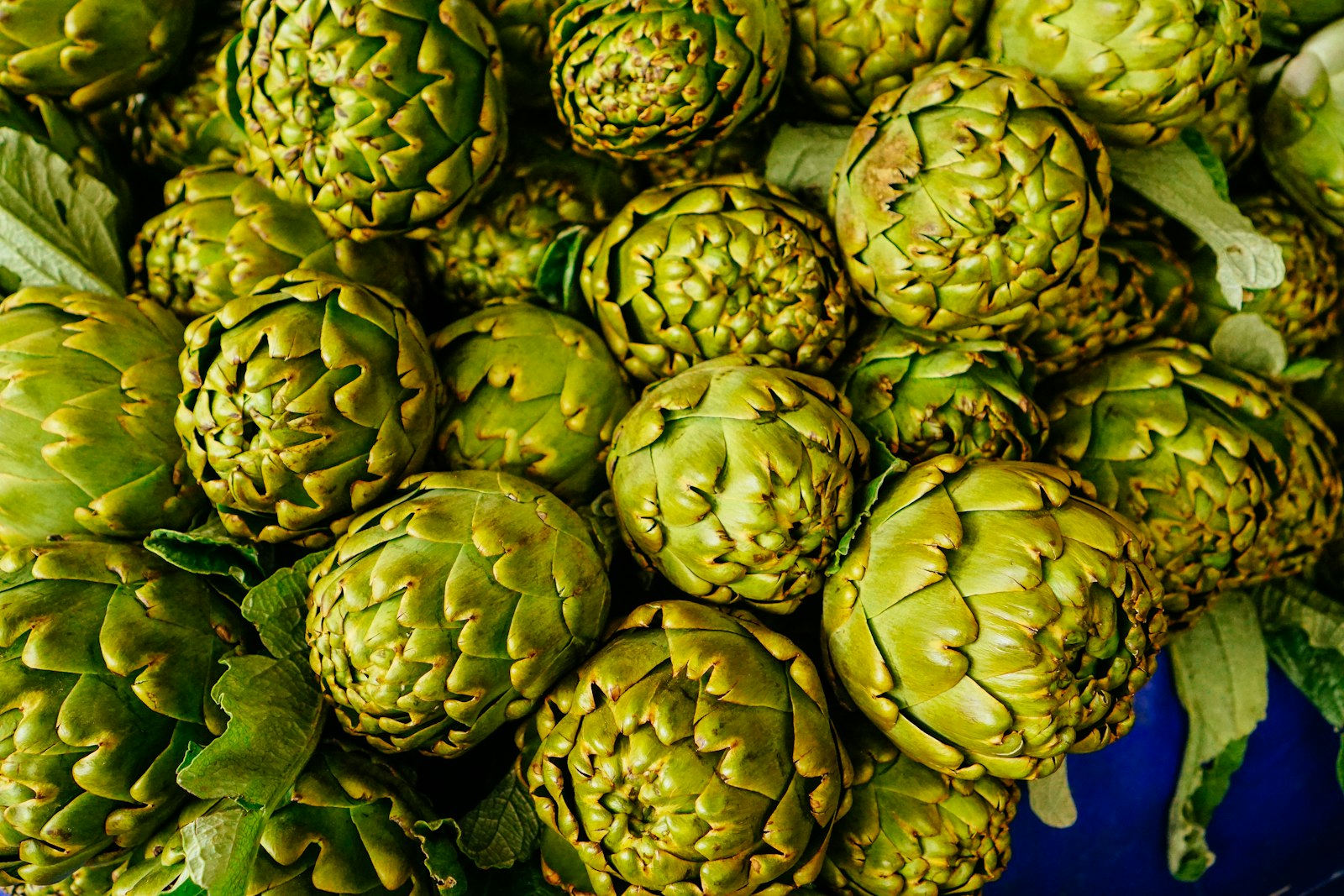
Artichokes last. Canned hearts are already cooked and fragile. Stirred in during the final minute, their leaves stay together and their tangy flavor stays distinct.
Salt in two stages. Half the salt goes in with the onion and the rest at the end, after tasting, because chickpeas, artichokes, and broth all bring their own salt.
Step-by-step method
- Prep (15 minutes). Dice the onion, mince the garlic, slice the celery thinly, rinse and drain the chickpeas, and drain and quarter the artichokes (rinse them if the brine is very salty). Cue: everything is staged next to the stove.
- Start the base (5 to 6 minutes). Heat the oil over medium, add the onion and half the salt, and stir now and then. Cue: soft and translucent, not heavily browned.
- Garlic (30 seconds). Cue: fragrant; burnt garlic turns the pot bitter.
- Celery and dill (1 minute). Cue: celery glossy, dill aromatic.
- Simmer (15 to 20 minutes). Pour in the broth, scrape the bottom, bring to a simmer, then lower so small bubbles rise steadily. Partially cover. Add water 1/4 cup at a time if needed. Cue: a fork slips easily into the celery.
- Chickpeas (5 to 8 minutes). Cue: thoroughly hot. Mash a few against the pot to thicken, or add hot water to thin.
- Artichokes and seasoning (1 minute). Stir in the artichokes, remaining salt, and pepper on low heat. Taste a cooled spoonful before adding more salt. Cue: artichokes warmed but intact.
Make-ahead tip: Slice the celery and onion up to 2 days ahead. If you plan to eat the soup over several days, keep the artichokes separate and add a portion to each bowl as you reheat, so they stay whole.
Food safety: leftovers
Divide leftovers into shallow containers and refrigerate within 2 hours (1 hour above 90°F), at 40°F or below, for 3 to 4 days. Reheat until steaming and at least 165°F. When in doubt, throw it out; never taste questionable leftovers to decide. Sources: USDA FSIS: Leftovers and Food Safety; FoodSafety.gov temperature chart.
Troubleshooting
| Problem | Likely cause | Fix |
|---|---|---|
| Bland broth | Under-salted or needs acid | Season after the celery is cooked; a teaspoon of lemon juice brightens it |
| Too salty | Salty brine, unrinsed beans, regular broth | Add hot water and a few more chickpeas; rinse cans well next time |
| Artichokes fell apart | Added too early or boiled | Stir in during the final minute over low heat |
| Chickpeas firm | Firm brand or not heated long enough | Simmer a few more minutes |
| Cloudy, slick broth | Canning liquid not rinsed off | Rinse chickpeas thoroughly before adding |
| Thick after standing | Chickpeas absorb broth | Loosen with hot water when reheating |
| Bitter taste | Garlic scorched | Cook garlic only 30 seconds over medium heat |
What to serve with it
Crusty bread for dunking, a lemony green salad, and a few fresh dill fronds on top are the simplest partners. Keep crunchy garnishes, like toasted seeds, out of the pot until the bowls are filled.
For a crisp side, try Pan-Fried Chickpea Patties Without a Food Processor. For a heartier chickpea supper, see Chickpea Stew With Cornmeal Drop Dumplings, or make a grain side with One-Pot Bulgur With Canned Chickpeas and Carrots.
Make-ahead, storage, and reheating
Fridge: 3 to 4 days in shallow airtight containers.
Freezer: Freeze for best quality within 2 to 3 months. Celery and artichokes soften a little more after thawing. Thaw overnight in the fridge.
Reheat: Stir in a splash of hot water and heat until steaming and 165°F, per USDA leftovers guidance.
Frequently asked questions
Can I use fresh or frozen artichoke hearts?
Thawed, drained frozen hearts work well. Fresh artichokes need trimming and separate cooking until tender, so this recipe is built around canned.
Can I use marinated artichokes?
Yes. Drain them well and cut back a little on the olive oil and salt, then taste before seasoning.
Can I use fresh dill instead of dried?
Yes. Use about three times as much and stir it in at the end, since fresh dill fades with long cooking.
Can I use dried chickpeas?
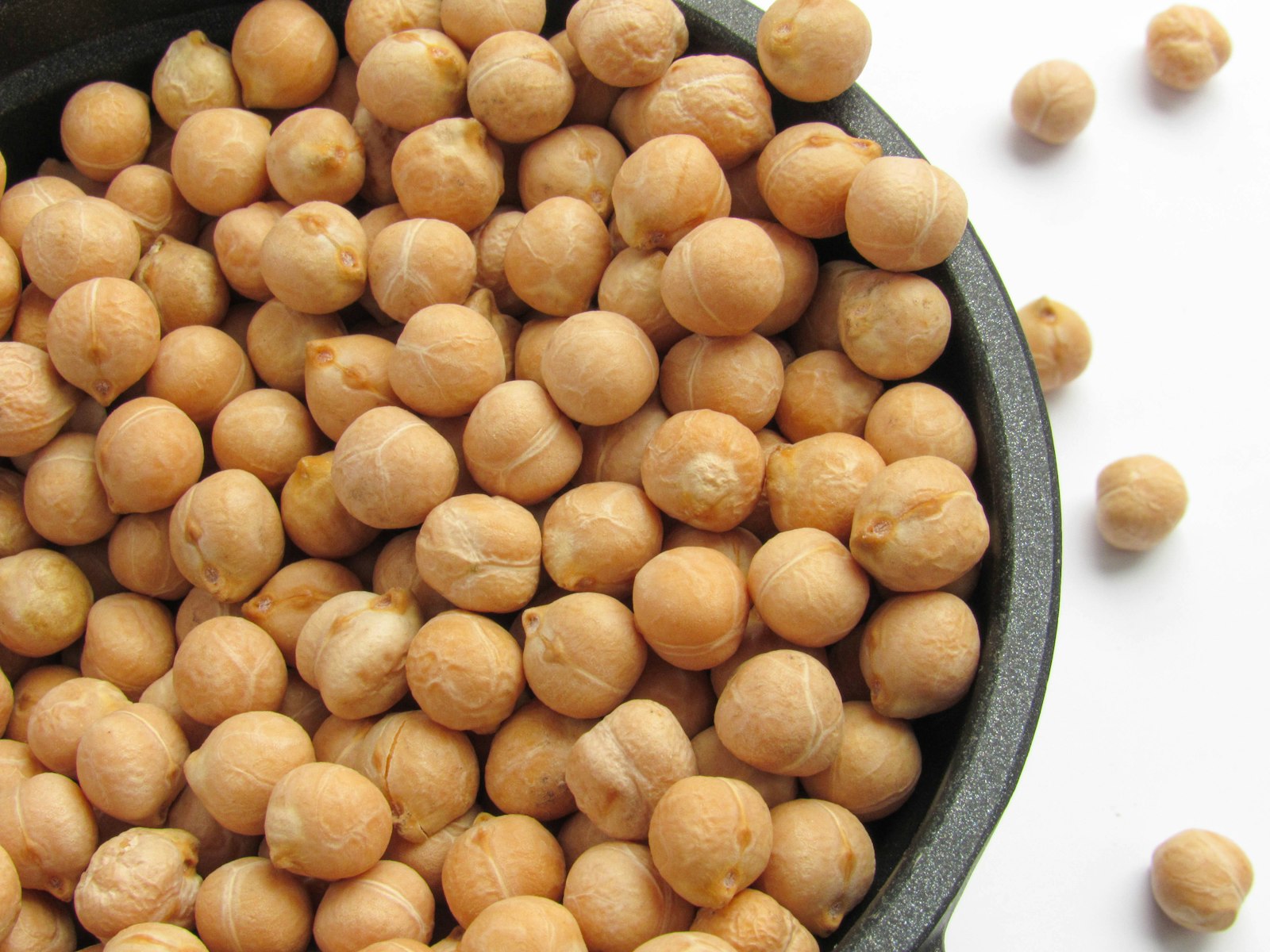
Only fully cooked ones. About 1 cup dried yields roughly 3 cups cooked.
How do I make the soup creamier?
Mash a few chickpeas against the pot, or blend a cup of soup and stir it back in.
Can I double the recipe?
Yes. Use a larger pot and judge the celery by tenderness, since a fuller pot takes longer to simmer.
Can I add chicken?
Stir in shredded cooked chicken with the chickpeas so it heats through. If you cook raw chicken in the soup, simmer until it reaches 165°F.
What if I don’t like celery?
Thinly sliced fennel has a similar cooking time and a mild anise flavor that suits dill.
Recommended tools
- Heavy 4-quart soup pot
- Instant-read thermometer for the 165°F reheating check
- Immersion blender for a creamier bowl
As an Amazon Associate I earn from qualifying purchases.
Conclusion
Chickpea artichoke soup with dill is an easy, forgiving pantry pot. Cook the celery until tender, warm the chickpeas through, fold in the artichokes last, and season in small steps so every bowl tastes balanced.
Chickpea Artichoke Soup with Dill
A light pot of canned chickpeas, artichoke hearts, and celery, simmered in vegetable broth and seasoned with dill.
Prep: 15 min | Cook: 40 min | Total: 55 min | Yield: 4 servings
Equipment
4-quart pot, wooden spoon, ladle, cutting board and knife, colander
Ingredients
- 2 tablespoons olive oil
- 1 medium onion, finely diced
- 2 garlic cloves, minced
- 2 cups thinly sliced celery
- 3 cups canned chickpeas, rinsed and drained
- 4 cups low-sodium vegetable broth
- 1 teaspoon dried dill
- 1 1/2 cups canned artichoke hearts, drained and quartered
- 1/2 teaspoon fine salt, plus more to taste
- 1/4 teaspoon black pepper
- Water as needed, added 1/4 cup at a time
Instructions
- Prepare the celery, chickpeas, and artichoke hearts as listed and keep them near the stove.
- Heat the olive oil in a 4-quart pot over medium heat. Add the onion and half the salt. Cook 5 to 6 minutes, stirring occasionally, until softened but not heavily browned. Add the garlic and stir for 30 seconds.
- Add the celery and dill. Stir for 1 minute, then pour in the broth and scrape up any light browned bits. Bring to a simmer, then reduce the heat so small bubbles rise steadily.
- Partially cover and simmer 15 to 20 minutes, stirring occasionally, until the celery is easily pierced with a fork. If the liquid drops too low, add water 1/4 cup at a time.
- Add the chickpeas and simmer 5 to 8 minutes, until thoroughly hot.
- For a thicker bowl, press a few chickpeas against the side of the pot and stir them back in. For a more brothy soup, add a little hot water.
- Stir in the artichoke hearts, remaining salt, and pepper. Taste a cooled spoonful, adjust the salt gradually, and divide among four bowls.
Notes
Rinse brined artichokes if they are especially salty and add them late so their tender leaves stay together. Refrigerate leftovers within 2 hours (1 hour above 90°F), keep at 40°F or below for 3 to 4 days, and reheat to at least 165°F.




