
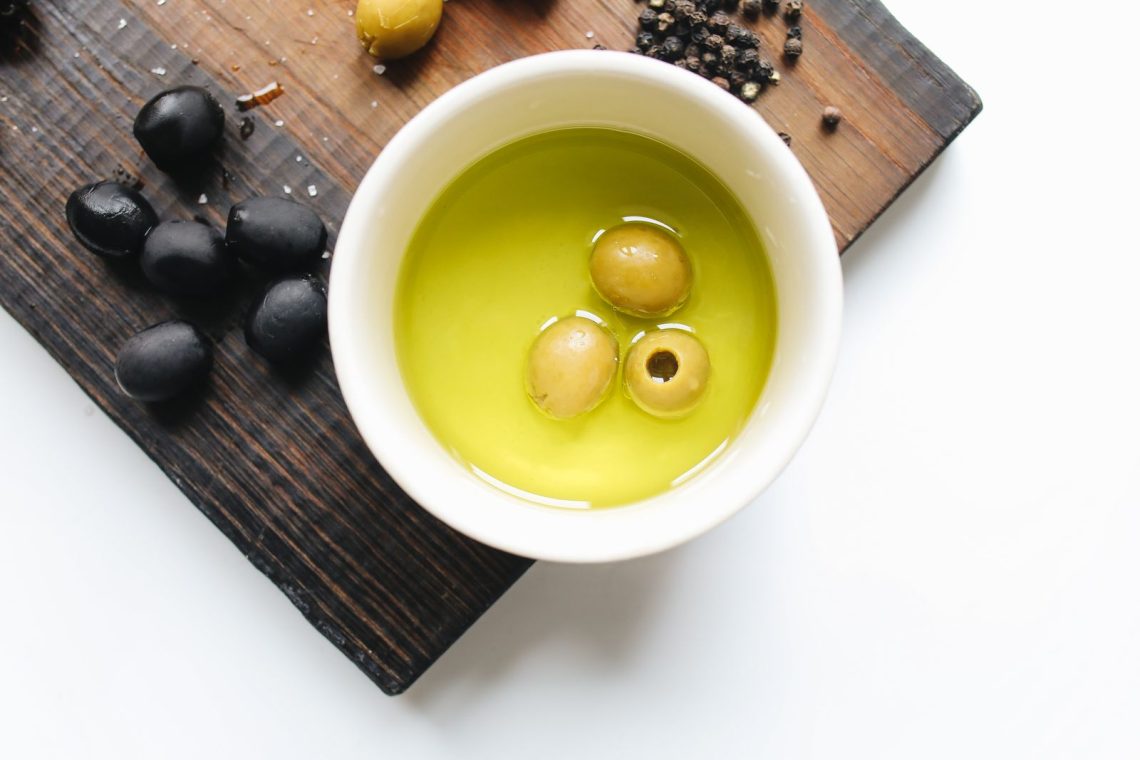
This green olive relish is the little jar that makes plain food taste finished. Chopped green olives, fresh lemon zest and juice, parsley, a little shallot and good olive oil come together in about 15 minutes, with no cooking and no blender. Spoon it over grilled fish or chicken, pile it on toast, or stir it into beans and grains.
Unlike a smooth tapenade, this relish is chopped by hand, so every bite has distinct pieces of olive and a bright pop of lemon. Below you’ll find which olives to buy, how to balance the salt, a dozen ways to use it, and a printable recipe card.
This post contains Amazon affiliate links. As an Amazon Associate I earn from qualifying purchases.
A coarse, bright, no-cook green olive relish with lemon, parsley and shallot. Makes about 1 cup.
What is green olive relish (and how is it different from tapenade)?
A relish is a chunky, uncooked condiment that adds salt, acid and texture to whatever it touches. Green olive relish is built on chopped green olives, then brightened with citrus and fresh herbs. It’s closer to a salsa than a spread.
Green olive relish
Hand-chopped into small, distinct pieces. Lemon and parsley lead, with just enough olive oil to make it spoonable. Best as a topping.
Green olive tapenade
Usually blended to a coarse paste, often with capers, garlic and anchovies. Richer and saltier. Best as a spread or dip.
Both start from the same ingredients, so if you’d like a spread, you can pulse this relish a few more times in a food processor (see the FAQs).
The best green olives for relish
The olive decides the flavor, so taste one before you start. Mild, buttery olives need more lemon; sharp, briny ones need less salt and a little more oil.
| Olive | Flavor and texture | In this relish |
|---|---|---|
| Castelvetrano | Bright green Sicilian olive with a mild, buttery flavor and crisp texture | Our favorite. Gentle and crowd-pleasing; use the full amount of lemon. |
| Manzanilla (Spanish) | Firm, briny and familiar; the usual jarred green olive | Classic and budget-friendly. Rinse briefly if very salty. |
| Pimento-stuffed | Briny with flecks of sweet red pepper | Works well and adds color. Chop the pimentos in with the olives. |
| Cerignola | Very large, meaty and mild | Great texture; you’ll need to cut them off the pit. |
| Herb- or chili-marinated | Already seasoned | Skip the extra pepper flakes and taste before adding lemon. |
America’s Test Kitchen, for example, suggests rinsed Manzanilla olives as a substitute for Castelvetrano in its green olive tapenade, so either works. Buy pitted olives to save time, but still check each one for a stray pit before you chop.
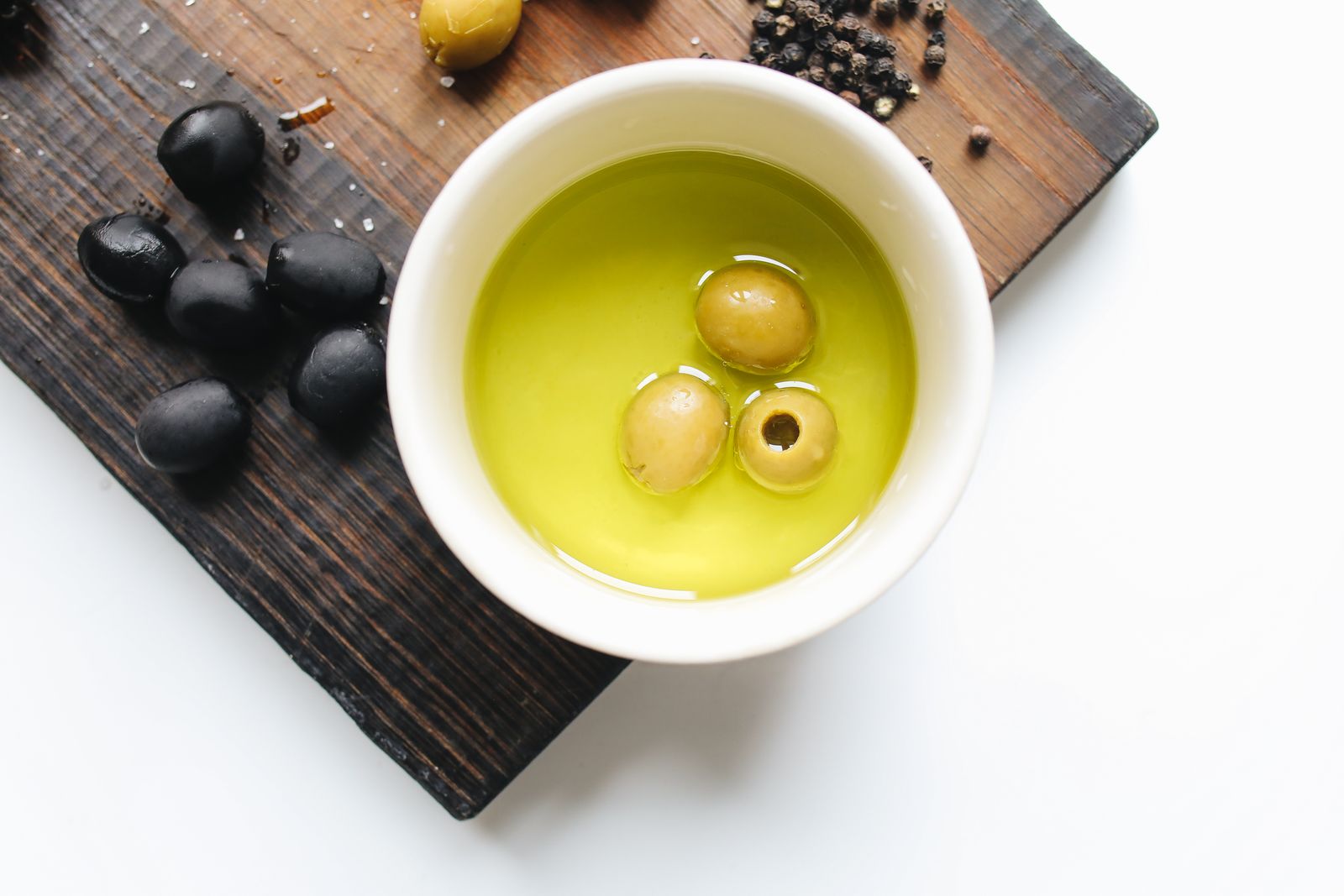
Ingredients and tools for green olive relish
You only need seven ingredients. Exact amounts are in the printable recipe card.
- Green olives: 1 cup pitted. Pitted Castelvetrano olives (paid link) are the mildest choice.
- Lemon: zest for aroma and juice for acidity. A rasp-style zester (paid link) takes just the yellow layer.
- Shallot: sweeter and milder than onion. Red onion works in a pinch.
- Flat-leaf parsley: fresh and grassy; dry it well after washing.
- Extra-virgin olive oil: a fruity extra-virgin olive oil (paid link) carries the flavors.
- Capers and red pepper flakes: optional, for extra brine and a little heat.
- Knife and board: a sharp 8-inch chef’s knife (paid link) chops cleanly instead of crushing.
- Black pepper: no salt needed: the olives bring plenty.
How to make green olive relish, step by step
Zest, then juice the lemon
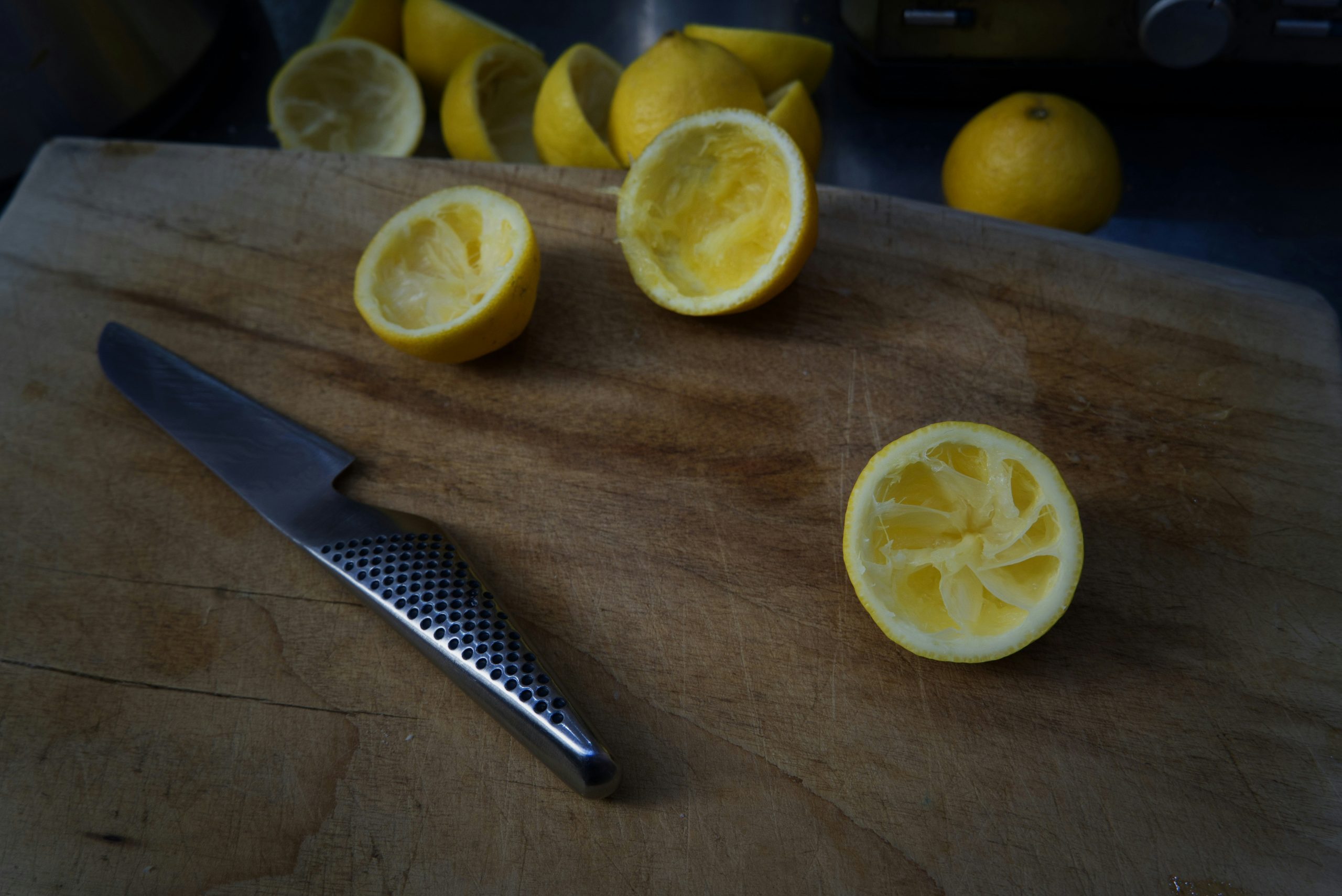
Wash and dry the lemon, grate 1 teaspoon of zest (yellow only; the white pith is bitter), then squeeze 1 tablespoon of juice.
Mellow the shallot
Stir the minced shallot into the lemon juice in a small bowl and let it sit while you chop the olives, about 5 minutes. The acid softens its raw bite.
Cue: the shallot turns slightly translucent at the edges.Chop the olives by hand
Drain the olives and pat them dry. Halve or quarter each one, then rock your knife through the pile until the pieces are about 1/4 inch. Stop while you can still see separate pieces.
Cue: chunky, like coarse salsa, not paste.Chop the parsley
Finely chop the parsley leaves and tender stems. Dry leaves chop cleanly; wet ones bruise and add water.
Fold it all together
Add the olives, parsley, zest, capers (if using), pepper flakes, black pepper and olive oil to the shallot. Fold gently until everything is glossy.
Rest, taste and adjust
Let it stand 10 minutes so the flavors blend. Taste it on a cracker or the food you’re serving, then add more lemon or oil as needed (see the fixes below).
Hand-chopped vs. food processor
A knife gives the best texture, but a food processor is fine for a double batch. Pulse the olives alone 4 to 6 times in short bursts, scraping down once, then fold in everything else by hand. Run it longer and you’ve made tapenade.
How to balance the flavor (salty, sharp or flat)
| If it tastes… | Try this |
|---|---|
| Too salty | Add more parsley and a spoonful of diced cucumber or chopped toasted almonds, or rinse the olives next time. Lemon brightens but doesn’t cancel salt. |
| Too sharp or sour | Stir in 1 teaspoon more olive oil and let it rest 5 minutes. |
| Flat or oily | Add lemon juice 1/2 teaspoon at a time, or a little more zest. |
| Too oniony | Let it rest longer, or use less shallot next time. |
| Watery | Drain the olives and dry the parsley well; spoon the relish out with a slotted spoon. |
Make one change at a time. In a batch this small, a teaspoon makes a real difference.
12 ways to use green olive relish
Start with about a tablespoon per serving; it’s punchy. These are our favorite ways to use it:
Grilled fish
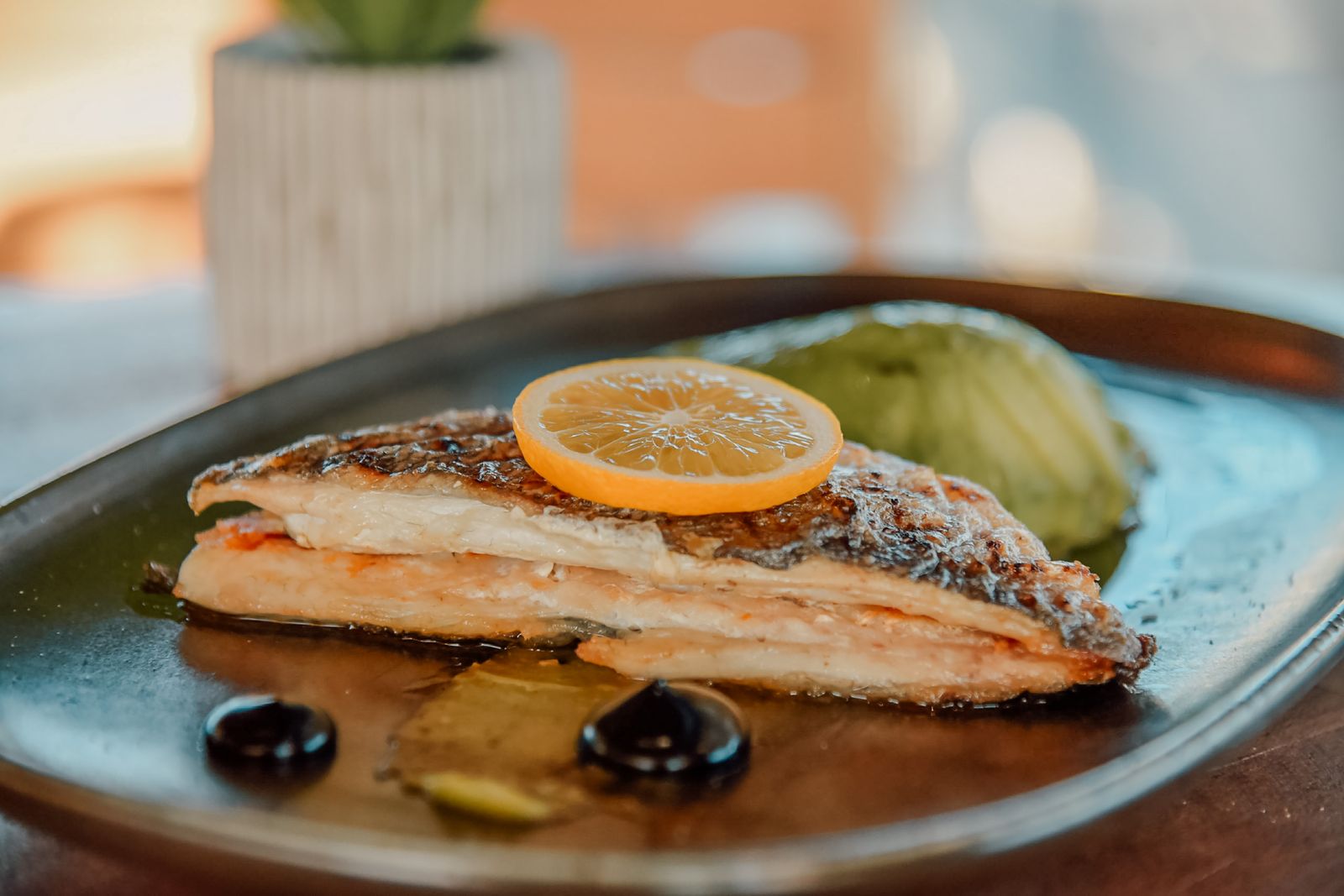
Spoon over salmon, cod or swordfish right off the heat.
Chicken
Top roast or grilled chicken thighs, or stir into chicken salad.
Crostini
Spread toast with ricotta or goat cheese, then add relish.
Roasted vegetables
Toss with hot roasted broccoli, cauliflower or potatoes.
Beans
Fold 2 tablespoons into a drained can of white beans.
Pasta
Toss with hot spaghetti, olive oil and Parmesan.
Sandwiches
Use instead of mayo on turkey, tuna or mozzarella sandwiches.
Eggs
Spoon onto fried eggs or into an omelet.
Grain bowls
Loosen with a little oil and use as a dressing.
Lamb or steak
A bright, salty contrast to rich grilled meat.
Cheese boards
Serve in a small bowl with feta, crackers and cured meat.
Potato salad
Stir into a lemony, mayo-free potato salad.
For a fish dinner, our guide to salmon doneness helps you get the fish right while the relish waits in the fridge. It’s also excellent on crisp roasted broccoli straight from the oven.
Easy variations
- Caper and olive: swap 2 tablespoons of the olives for chopped capers for a saltier, tapenade-style relish.
- Orange and Castelvetrano: replace half the lemon zest with orange zest for a rounder, slightly sweet version.
- Garlicky: add 1 small grated garlic clove. Refrigerate right away and use within 4 days.
- Nutty crunch: fold in 2 tablespoons chopped toasted almonds or pistachios just before serving.
- Spicy: add a finely chopped Calabrian chili or a pinch more red pepper flakes.
- Herb swap: use mint or dill for half the parsley, especially with lamb or fish.
Make-ahead and storage
You can make green olive relish up to a day before serving. For the brightest color, hold back half the parsley and stir it in just before you serve.
Store it in a clean, covered jar in the refrigerator and use it within 3 to 4 days. It contains fresh herbs (and sometimes garlic) in oil, and Oregon State University Extension advises that homemade mixtures like these be refrigerated and used within 4 days, or frozen for longer storage. Don’t leave it out at room temperature for more than 2 hours.
Tip: Olive oil firms up in the fridge. Spoon out what you need and let it sit at room temperature for 10 to 15 minutes, then stir. Freezing works in a pinch, but the parsley and shallot lose their crunch.
Green olive relish FAQs
What’s the difference between olive relish and olive tapenade?
Relish is chopped into distinct pieces and tastes fresher and more citrusy. Tapenade is usually blended into a coarse paste and often includes capers, garlic and anchovies.
Can I make green olive relish in a food processor?
Yes. Pulse just the olives 4 to 6 times, then fold in the other ingredients by hand so it stays chunky. Pulse longer if you’d like a spreadable tapenade.
Do I need to add salt?
Usually not. Olives are cured in brine, so taste the finished relish on the food you’re serving before adding any salt.
Can I use black olives instead?
You can, but the result is darker and deeper. Kalamata olives make a richer, winey relish; mild canned black olives need more lemon and a few capers.
Can I use bottled lemon juice?
Fresh lemon tastes noticeably brighter, and you need the lemon for zest anyway. If you only have bottled juice, start with less and add a pinch more zest from another citrus.
How long does homemade olive relish last?
Up to 4 days in a covered container in the refrigerator. It tastes freshest in the first 2 days.
Can I freeze olive relish?
Yes, for up to about 2 months, but the herbs and shallot soften. Thaw in the fridge and add fresh parsley and a squeeze of lemon before serving.
What do you eat green olive relish with?
Grilled fish and chicken are classic, but it’s just as good on toast with ricotta, tossed with pasta, stirred into beans or spooned over eggs.
Final thoughts
Green olive relish is one of the most useful 15-minute recipes you can keep in the fridge. Pick an olive you love, chop it by hand, balance it with lemon, and taste it on the food you’ll serve. The printable recipe card is just below.
Printable green olive relish recipe
Use the Print Recipe button in the card for a clean page with just the ingredients, steps and notes.
Green Olive Relish with Lemon
Ingredients
Equipment
Method
- Wash and dry the lemon. Grate 1 teaspoon zest (yellow only), then squeeze 1 tablespoon juice.
- In a small bowl, stir the shallot into the lemon juice and let it sit about 5 minutes while you chop the olives.
- Drain the olives, pat dry and check for pits. Chop by hand into roughly 1/4-inch pieces, stopping while the pieces are still distinct.
- Finely chop the dried parsley leaves and tender stems.
- Add the olives, parsley, lemon zest, capers and red pepper flakes (if using), black pepper and olive oil to the shallot. Fold gently until glossy.
- Let stand 10 minutes. Taste on the food you're serving and add more lemon juice or oil a little at a time. Salt is rarely needed.




