How to know when tilapia is done: the thickest part should reach 145°F (63°C). For fillets too thin to measure accurately, check that the center is opaque rather than translucent and separates easily with a fork. Start checking early because thin fillets can dry out quickly.
The same thermometer-first approach is explained in our guide to knowing when cod is done.
How to know when tilapia is done: the temperature check
The most reliable answer to how to know when tilapia is done is to use a food thermometer. The thickest portion of the fish should reach 145°F (63°C).
Insert the thermometer into the thickest part of the fillet from the side if possible. Aim for the center of the thickest flesh and avoid touching the pan. For mixed-size portions, measure each one and remove finished fillets separately.
Because tilapia can continue cooking slightly after being removed from the heat, avoid leaving it on the heat unnecessarily after it has reached the safe temperature.
How to Tell If Tilapia Is Done Without a Thermometer
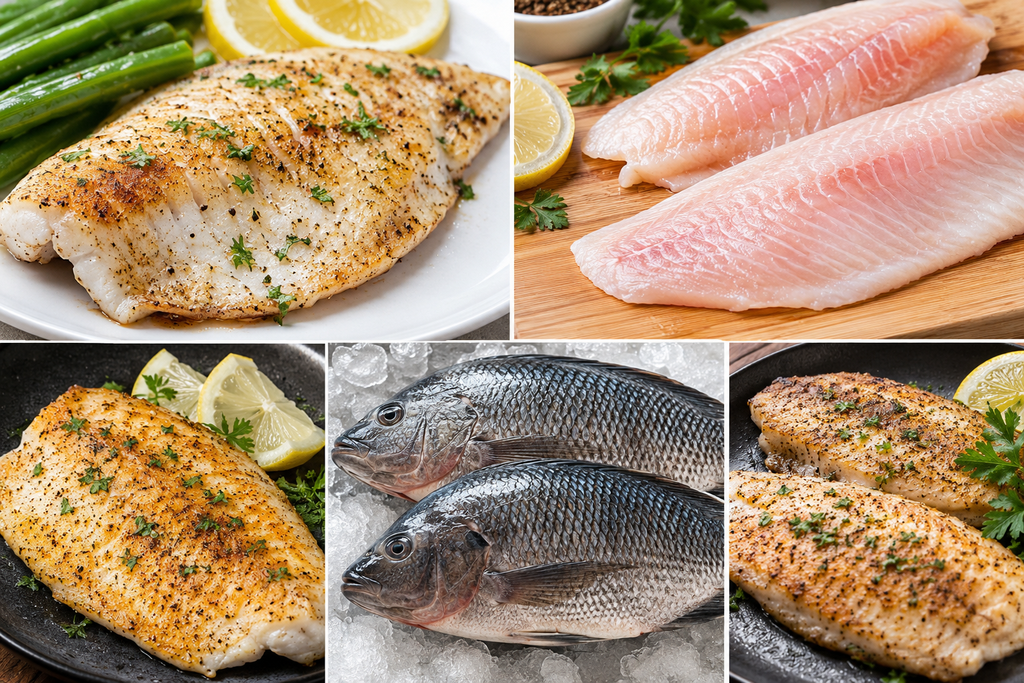
Although a thermometer is the most accurate method, you can also look for several visual and texture clues.
Fully cooked tilapia should generally be:
- Opaque rather than translucent
- White or pale throughout the center
- Tender and moist
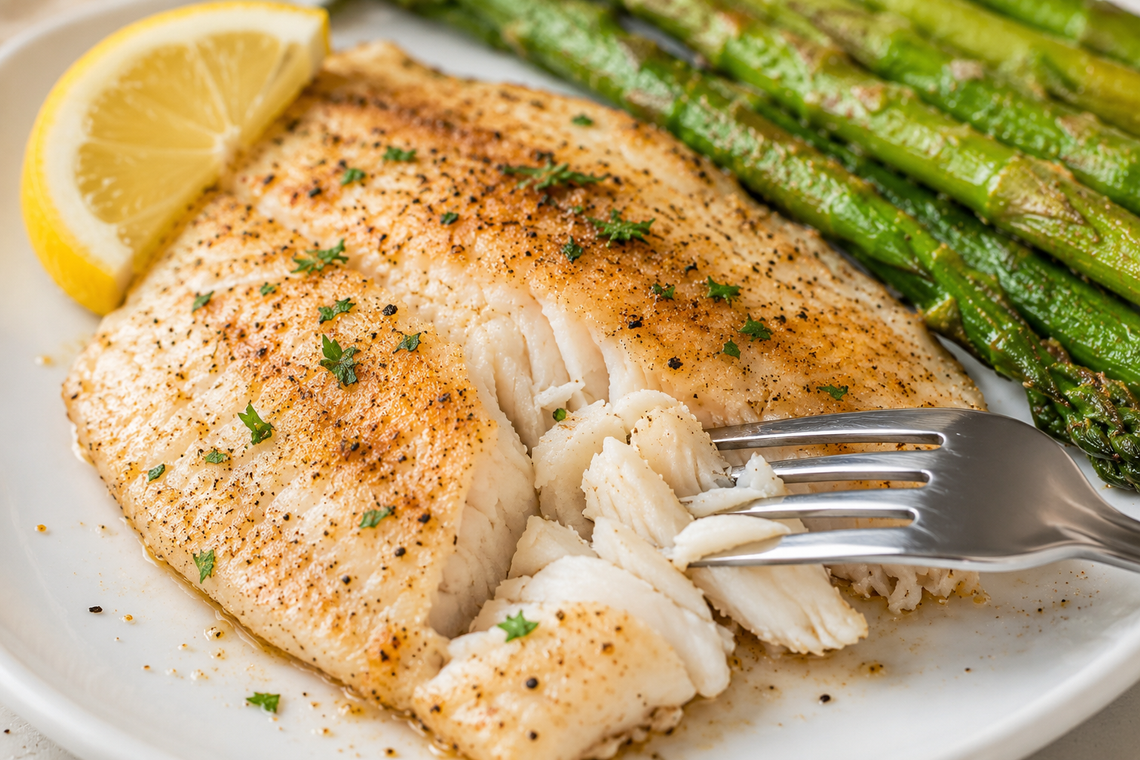
- Firm enough to separate easily with a fork
- Flaky when gently pressed
The center should no longer look raw or glassy. If the middle is still translucent and has a raw, jelly-like appearance, it needs additional cooking.
However, appearance alone isn’t always reliable. A thick piece of tilapia can look cooked on the outside while remaining undercooked in the center. That’s why a thermometer is the best tool when you want to know exactly when tilapia is done.
How Long Does Tilapia Take to Cook?
Cooking time depends on the thickness of the fillet, cooking temperature, cooking method, and whether the fish is fresh or frozen.
Use these times only to plan when to start checking:
Oven: At 400°F, begin checking thin fillets before 10 minutes; thicker pieces may take longer.
Skillet: Begin checking after the first side is opaque around the edges and the second side has cooked briefly; pan heat and thickness change the timing.
Air fryer: At about 400°F, begin checking before 8 minutes because thin fillets and compact models can finish quickly.
These are only general estimates. A thin fillet can finish much sooner than a thick one, so temperature should be your final test.
How to Bake Tilapia Without Drying It Out
Baking is one of the easiest ways to prepare tilapia.
Start by preheating your oven to approximately 400°F. Pat the fillets dry with paper towels, then season them with salt, pepper, garlic, paprika, lemon juice, or your favorite seafood seasoning.
Place the tilapia in a lightly greased baking dish or on a lined baking sheet.
Adding a small amount of olive oil or melted butter can help provide flavor and moisture. You can also place lemon slices over the fish while it cooks.
Bake until the thickest portion reaches 145°F.
Once the thickest center reaches 145°F, remove the fillet from the oven and serve it promptly. Fish does not require a safety rest after reaching this endpoint.
How to Cook Tilapia in a Skillet
Pan-frying or skillet cooking can give tilapia a lightly browned exterior while keeping the center tender.
Heat a small amount of oil or butter in a skillet over medium to medium-high heat. Season the fish before placing it in the pan.
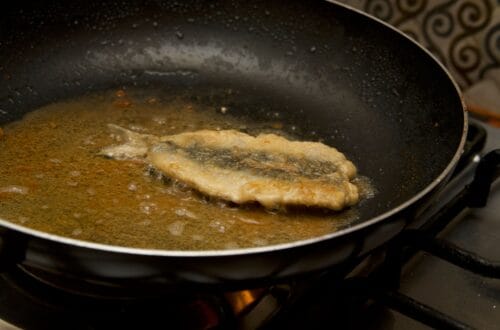
Carefully place the fillets into the hot skillet and cook until the bottom develops a golden color. Flip the fish gently and continue cooking the other side.
The exact cooking time depends on the thickness of the fillet. Check the thickest part with a thermometer.
Once the internal temperature reaches 145°F, remove the tilapia from the skillet.
One of the biggest mistakes when cooking tilapia in a skillet is using excessive heat. Very high heat can brown the outside quickly while causing the fish to become dry before the center is properly cooked.
How to Cook Tilapia in an Air Fryer
An air fryer is another convenient way to cook tilapia.
Preheat the air fryer if your model recommends preheating. Lightly coat the fish with oil and season it with your preferred spices.
Place the fillets in the basket without overcrowding them. Air needs to circulate around the fish for even cooking.
Cook at approximately 400°F and begin checking the fish before the estimated cooking time is complete.
The moment the thickest portion reaches 145°F, remove the fish.
Air fryers vary considerably, so cooking times can differ between models. A thermometer is particularly useful when using an air fryer because the intense circulating heat can cook thin fillets very quickly.
Should Tilapia Flake When It Is Done?
Yes. Properly cooked tilapia should separate into flakes relatively easily when gently tested with a fork.
However, don’t use flaking as your only test. Fish can become flaky because it has been overcooked as well.
Practical ways to keep tilapia moist
A few simple techniques can make a significant difference.
Pat the fish dry before seasoning. This removes excess surface moisture and helps seasonings stick.
Add a little fat. Olive oil, butter, or another suitable cooking fat can improve flavor and help prevent the surface from becoming excessively dry.
Don’t overcook it. This is the most important tip.
Use a thermometer. It removes much of the guesswork.
Choose fillets of similar thickness. Pieces that are similar in size will generally cook more evenly.
Check early. If your recipe estimates 12 minutes, begin checking the fish before that point rather than waiting until the end.
Serve promptly. Once the center reaches 145°F, stop cooking so carryover heat does not keep drying the fillet.
Storage and reheating
Refrigerate cooked tilapia in a shallow covered container within 2 hours, or within 1 hour when the temperature is above 90°F. Use refrigerated leftovers within 3 to 4 days. Reheat to 165°F, then stop heating promptly to limit drying. See USDA leftovers guidance.
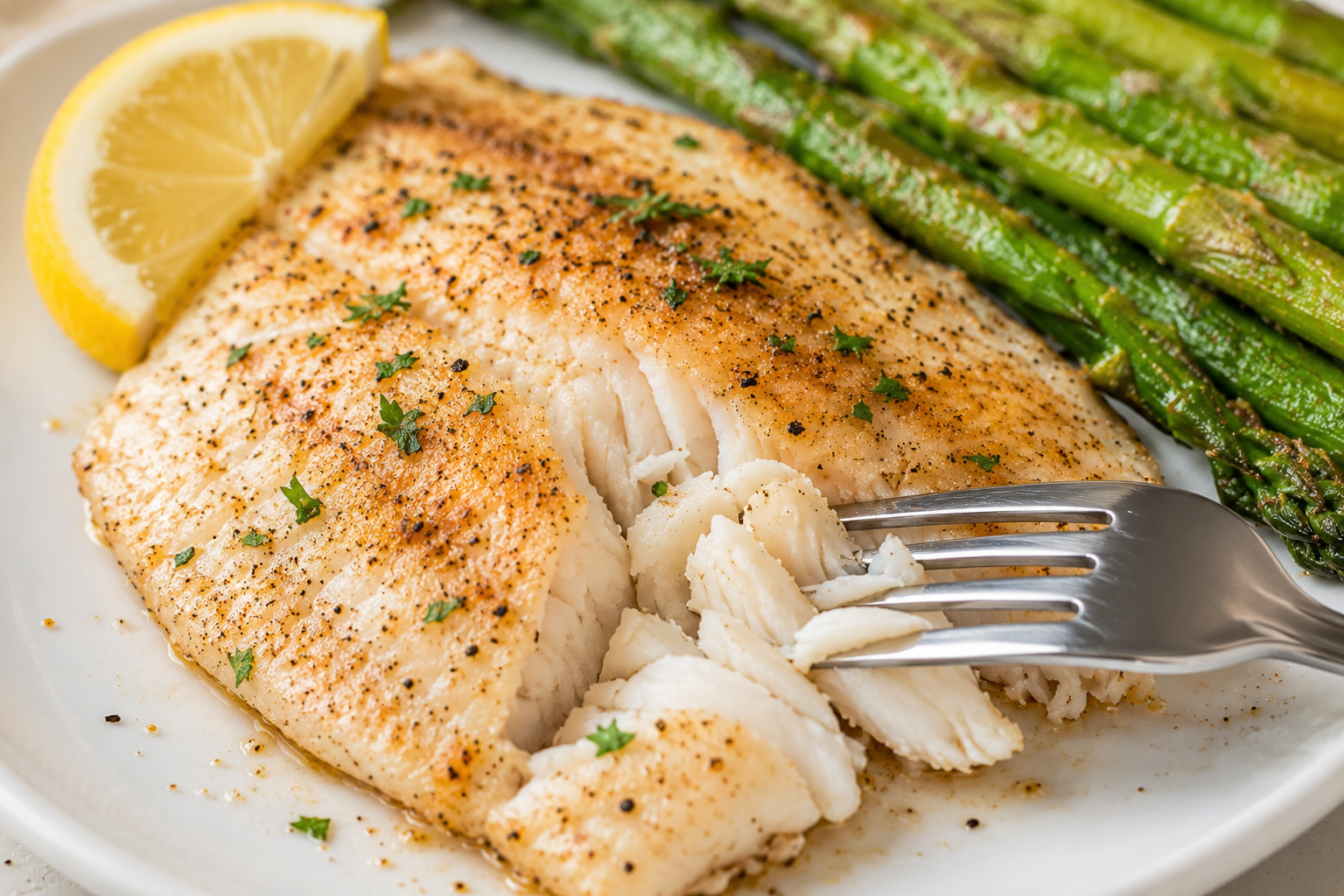
When the outside and center disagree
Lower the heat if the coating or edges brown before the center is ready. Continue cooking and recheck rather than using a dark exterior as the endpoint. The FoodSafety.gov chart lists 145°F for fish, or opaque flesh that separates easily with a fork.
If the fish is dry after reaching the endpoint, add sauce at the table. For the next batch, start checking earlier and remove each portion as it finishes; sauce cannot reverse extended cooking.