Introduction
Pan fried frog legs with garlic butter are a delicious Southern favorite that many people compare to a cross between chicken wings and tender fish. When cooked properly, frog legs have a mild flavor and a delicate texture that pairs perfectly with rich, buttery garlic sauce.
The best part is that you don’t need fancy equipment or years of cooking experience. With a few simple ingredients and about 20 minutes, you can create restaurant-quality frog legs right in your own kitchen. This guide will walk you through every step, from choosing fresh frog legs to making a flavorful garlic butter sauce that coats every bite.
Whether this is your first time trying frog legs or you’re looking for a better recipe, you’ll find everything you need below.
Why You’ll Love This Recipe
There are plenty of reasons to make pan fried frog legs with garlic butter.
- Ready in less than 30 minutes
- Crispy golden coating
- Tender, juicy meat
- Rich garlic butter flavor
- Easy enough for beginners
- Great as an appetizer or main course
- Uses simple pantry ingredients
What Do Frog Legs Taste Like?
If you’ve never tried frog legs before, you might be wondering what they actually taste like. The good news is that frog legs have a very mild flavor, making them an excellent choice for adventurous eaters and first-timers alike. They are often described as tasting like a cross between chicken and fish. The meat has the tenderness of chicken wings or thighs, with a delicate, slightly sweet flavor similar to mild white fish such as tilapia or cod.

One of the reasons frog legs are so enjoyable is that they easily absorb the flavors of the seasonings and sauces used during cooking. On their own, the meat has a subtle taste that isn’t overpowering or gamey. Instead, it provides the perfect base for ingredients like garlic butter, fresh herbs, lemon juice, Cajun seasoning, or a crispy breading. Whether they’re pan-fried, grilled, baked, or deep-fried, frog legs take on the flavors of the recipe while still maintaining their unique texture.
The texture is another reason people enjoy eating frog legs. The meat is lean, moist, and tender when cooked properly. The upper portion of the leg resembles the texture of chicken, while the lower section can be slightly firmer because of its smaller bones and muscle structure. Since frog legs are naturally low in fat, they cook quickly and can become slightly chewy if overcooked. Keeping an eye on cooking time helps preserve their juicy texture.
Many people are pleasantly surprised by how approachable frog legs are. If someone served them without telling you what they were, you might simply think you were eating a tender piece of lightly flavored chicken. Their mild taste makes them popular in Southern cooking, French cuisine, and many international dishes where rich sauces, butter, garlic, and herbs are used to enhance the natural flavor. If you’re looking to try something different without venturing too far outside your comfort zone, frog legs are a delicious and surprisingly versatile choice.
Ingredients
For the Frog Legs
- 2 pounds frog legs
- 1 cup all-purpose flour
- 1 teaspoon salt
- 1 teaspoon black pepper
- 1 teaspoon paprika
- ½ teaspoon garlic powder
- ½ teaspoon onion powder
- ¼ teaspoon cayenne pepper (optional)
- 3 tablespoons vegetable oil
- 2 tablespoons butter
For the Garlic Butter Sauce
- 4 tablespoons butter
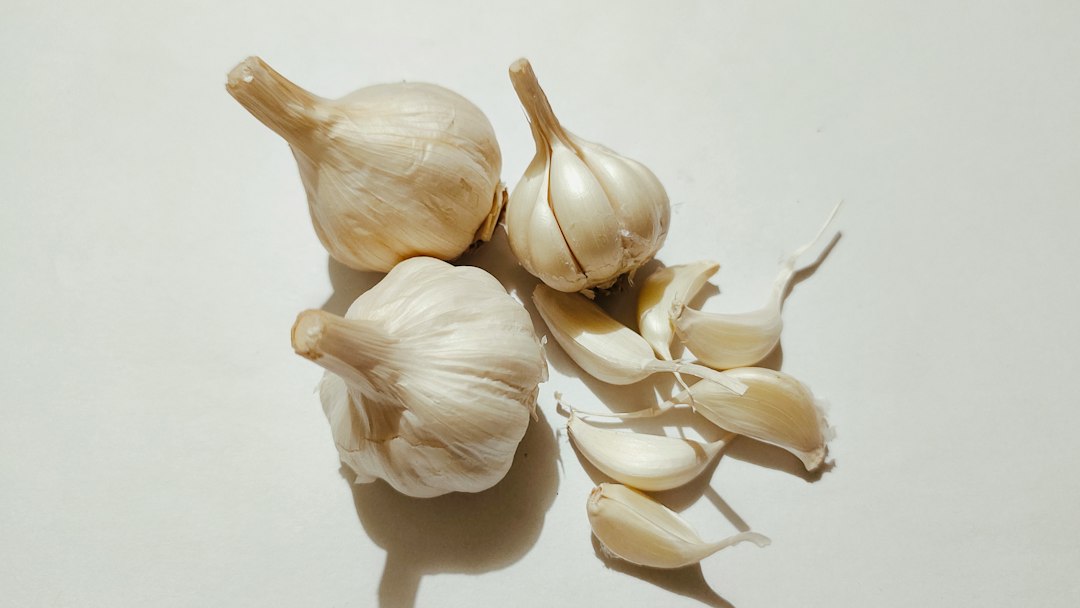
- 5 cloves garlic, minced
- 1 tablespoon fresh parsley, chopped
- 1 teaspoon lemon juice
- ½ teaspoon black pepper
- Pinch of salt
Choosing the Best Frog Legs
Choosing high-quality frog legs is one of the most important steps in preparing a delicious meal. Whether you’re shopping at a local seafood market, specialty butcher, or grocery store, selecting fresh, properly handled frog legs will help ensure the best flavor and texture. Fresh frog legs should have a clean, light appearance with firm, moist meat.
They shouldother factor to consider. Medium to large frog legs usually provide more meat and are easier to cook evenly than very small ones. Larger legs also tend to stay juicier during pan frying or grilling. If you’re preparing frog legs for several people, try to choose pieces that are similar in size so they finish cooking at the same time.
Whenever possible, purchase frog legs from a trusted seafood supplier or butcher who follows proper food safety practices. High-quality frog legs combined with simple seasonings and fresh ingredients will produce tender, flavorful results that are perfect for pan frying with garlic butter or your favorite recipe. never feel slimy or have a strong fishy or unpleasant odor. A mild, fresh scent is normal, but any sour smell is a sign that the meat is no longer at its best.
If fresh frog legs aren’t available, frozen frog legs are an excellent alternative. Many frozen varieties are processed and flash-frozen shortly after harvesting, which helps preserve their freshness and quality. Choose packages that are completely frozen with no signs of freezer burn, excessive ice crystals, or damaged packaging.
Before cooking, thaw frozen frog legs slowly in the refrigerator overnight rather than at room temperature. This helps maintain their texture and keeps them safe to eat.
Preparing Frog Legs
Before cooking:
- Rinse under cold water.
- Pat completely dry using paper towels.
- Trim away any loose skin if needed.
- Let them sit at room temperature for about 15 minutes.
Dry frog legs develop a much crispier crust during frying.
Seasoning the Coating
In a shallow bowl combine:
- Flour
- Salt
- Pepper
- Paprika
- Garlic powder
- Onion powder
- Cayenne
Mix everything thoroughly.
Dredge each frog leg until completely coated.
Shake off excess flour.
How to Pan Fry Frog Legs
Step 1: Heat the Pan
Place a large cast iron skillet or heavy frying pan over medium-high heat. Make sure than pan heats to a proper tempature before throwing the frog legs onto the skillet.
Add:
- Vegetable oil
- Butter
Wait until the butter melts and begins to lightly foam.
Step 2: Fry the Frog Legs
Carefully place the coated frog legs into the skillet.
Avoid overcrowding.
Cook for:
- 4–5 minutes per side
The coating should become:
- Crispy
- Golden brown
- Evenly colored
The internal temperature should reach 145°F (63°C) for the best texture.
Step 3: Remove and Rest
Transfer cooked frog legs onto a plate lined with paper towels.
Allow them to rest for 3–5 minutes while preparing the garlic butter.
Making the Garlic Butter Sauce
Reduce the heat to medium-low.
Add:
- Butter
- Minced garlic
Cook for about one minute.
Do not let the garlic burn.
Add:
- Lemon juice
- Parsley
- Pepper
- Salt
Stir until everything combines into a fragrant butter sauce.
Coat the Frog Legs
Return the cooked frog legs to the skillet.
Turn each piece several times until completely coated in the garlic butter.
Serve immediately.
Tips for Perfect Frog Legs
Don’t Overcook
Frog legs cook very quickly.
Overcooking causes the meat to become chewy.
Dry Before Coating
Moisture prevents crispy breading.
Always pat them dry first.
Use Fresh Garlic
Fresh minced garlic creates a much richer butter sauce than garlic powder.
Use Cast Iron
Cast iron provides even heating and produces a beautiful golden crust.
Delicious Variations
Cajun Style
Add:
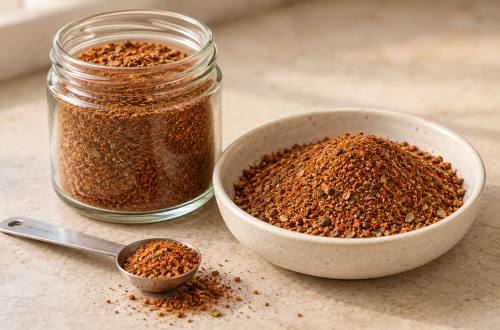
- Cajun seasoning
- Extra paprika
- Cayenne
Lemon Garlic
Increase the lemon juice and add lemon zest.
Parmesan Garlic
Sprinkle freshly grated Parmesan over the frog legs before serving.
Herb Butter
Mix fresh:
- Thyme
- Rosemary
- Parsley
- Chives
into the garlic butter.
What to Serve with Pan Fried Frog Legs with Garlic Butter
These side dishes pair perfectly:
- Mashed potatoes
- French fries
- Roasted vegetables
- Garlic bread
- Rice pilaf
- Coleslaw
- Corn on the cob
- Green beans
- Garden salad
- Macaroni and cheese
Storage
Store leftovers in an airtight container.
Refrigerate for up to 3 days.
Reheating
For the crispiest results:
- Skillet: 2–3 minutes per side
- Air fryer: 350°F for 4–5 minutes
- Oven: 350°F for about 10 minutes
Avoid microwaving, as it softens the crispy coating.
FAQ:
Are frog legs healthy?
Yes. Frog legs are high in protein, low in fat, and contain important nutrients such as potassium, iron, and vitamin B12.
Can I use frozen frog legs?
Absolutely. Thaw them completely in the refrigerator and pat them dry before cooking.
What oil works best?
Vegetable oil, canola oil, peanut oil, or avocado oil all work well because they have high smoke points.
How do I know they’re done?
The coating should be golden brown, and the meat should be opaque and pull easily from the bone. An internal temperature of 145°F (63°C) is a good target.
Can I make them without flour?
Yes. You can simply season the frog legs and pan fry them for a lighter, gluten-free option.
All in all…
Making pan fried frog legs with garlic butter is surprisingly simple, and the results are packed with flavor. A crispy golden crust combined with a rich garlic butter sauce transforms this unique ingredient into an unforgettable meal. Whether you’re cooking for family, friends, or trying frog legs for the first time, this recipe is easy to follow and delivers tender, juicy results every time.