Quick Recipe Overview
Lamb and Chickpea Stew
A slow-braised Dutch oven dinner with tender lamb shoulder, chickpeas, carrots, tomatoes, cumin, coriander, and a fresh lemon finish.
20 minutes
2 hours 35 minutes
2 hours 55 minutes
6 servings
Best method: Brown the lamb, build the tomato-spice base, braise covered at 325°F, and add the chickpeas near the end.
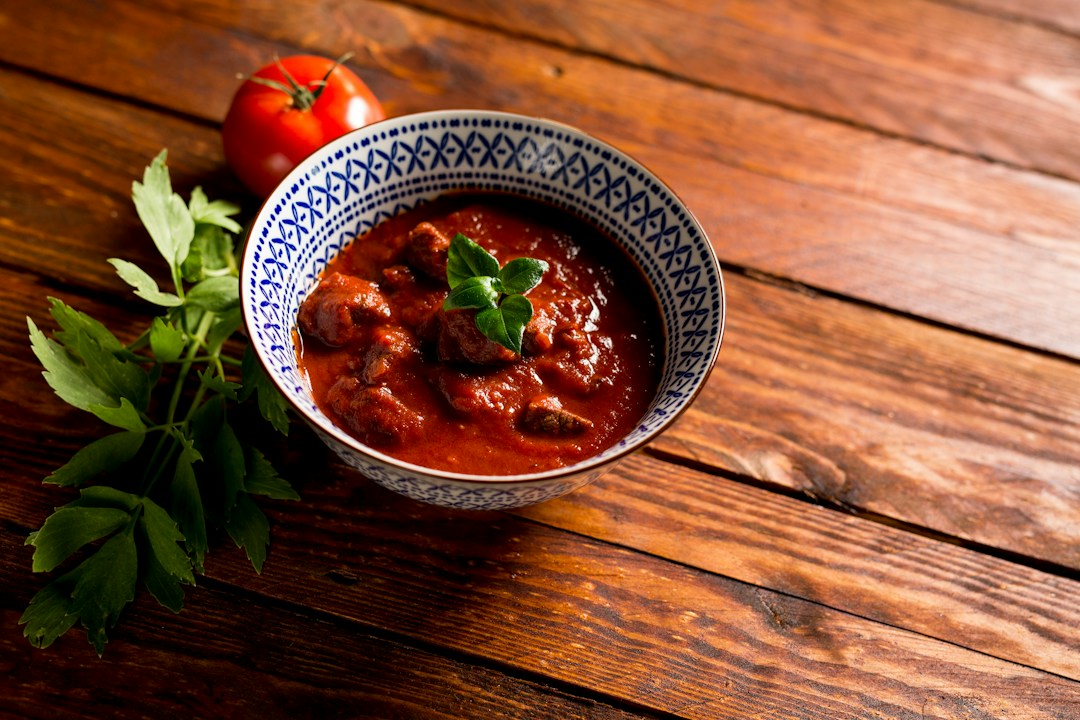
This lamb and chickpea stew is a slow-braised, one-pot dinner with tender pieces of lamb shoulder, chickpeas, carrots, and a warmly spiced tomato broth. Cumin and coriander give the sauce depth, a little cinnamon rounds out the spices, and fresh lemon brightens everything just before serving.
The method is straightforward: brown the lamb for flavor, soften the vegetables, build the tomato broth, and let the oven do the slow work. Chickpeas go in during the final part of cooking so they warm through without losing their shape. The result is a hearty stew that is satisfying on its own or spooned over rice, couscous, or mashed potatoes.
Why this lamb and chickpea stew works
- Lamb shoulder stays tender: its connective tissue softens during a slow, moist braise.
- Chickpeas make it filling: canned chickpeas are convenient and are added late so they stay whole.
- The tomato broth has balance: warm spices bring depth, while lemon and parsley keep the finish fresh.
- Most of the cooking is hands-off: once the covered Dutch oven is in the oven, you only need to check the liquid and add the chickpeas.
Ingredients and helpful substitutions
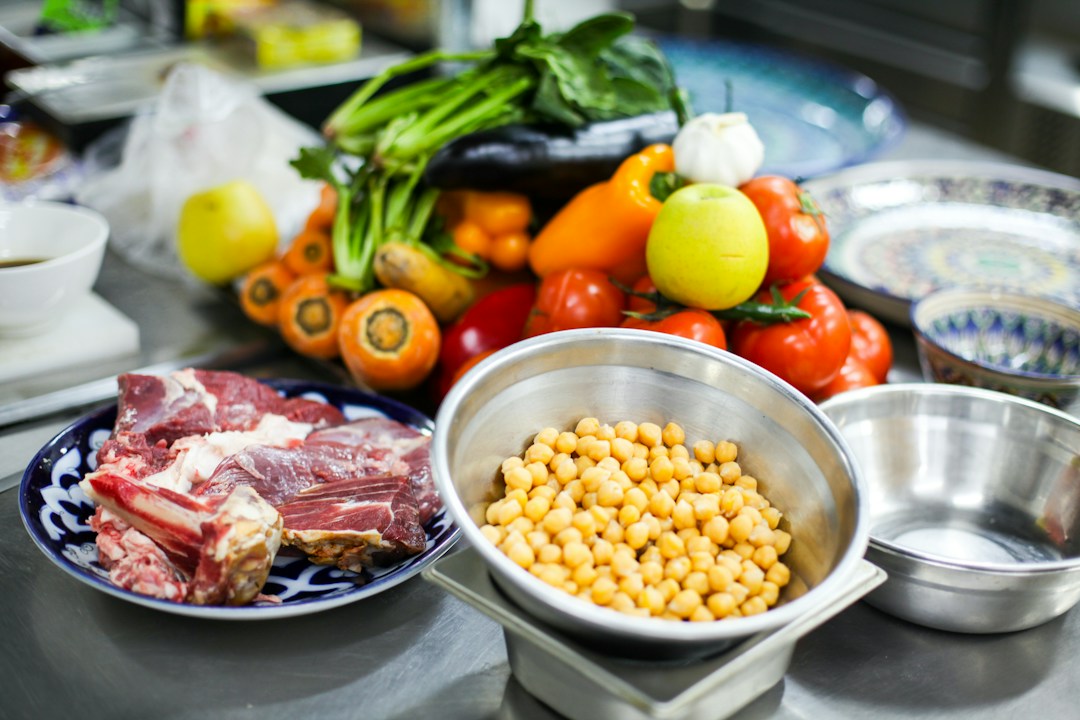
Lamb shoulder
Choose boneless lamb shoulder and cut it into pieces about 1½ inches wide. Shoulder is ideal for braising because it becomes succulent with time. Trim away thick exterior fat and tough silverskin, but leave the fine seams of connective tissue within the meat. Lamb leg can be used, although it is leaner and may not become as rich and forgiving during a long cook.
Chickpeas
One 15-ounce can, drained and rinsed, is all you need. Add the chickpeas after the lamb has already braised so they heat through without turning mushy. If you prefer dried chickpeas, cook them separately until tender before adding them; do not add dry chickpeas directly to this recipe because they need a different amount of liquid and cooking time.
Tomatoes, broth, and vegetables
Diced canned tomatoes provide a dependable base, while tomato paste deepens the flavor. Use low-sodium chicken or beef broth so you can adjust the salt at the end. Thick carrot slices hold their shape during the braise, and yellow onion and garlic build a savory foundation.
Warm spices and fresh finish
Cumin, coriander, and sweet paprika make the main spice blend. Cinnamon is intentionally modest: it should add warmth in the background, not make the stew taste sweet. Lemon juice and chopped parsley are stirred in after cooking. Add the lemon gradually and taste before adding more.
How to make lamb and chickpea stew
1. Brown the lamb in batches
Heat the oven to 325°F (165°C). Pat the lamb dry with paper towels and season it with salt and black pepper. Heat the olive oil in a heavy Dutch oven over medium-high heat. Add only enough lamb to leave space between the pieces. Brown several sides, then transfer the meat to a plate and repeat with the remaining lamb.
Do not rush this step or crowd the pot. Moisture trapped between tightly packed pieces makes the meat steam instead of brown. The browned bits left on the bottom of the Dutch oven are valuable flavor; they will dissolve into the sauce when you add the liquid.
2. Soften the onion and carrots
Reduce the heat to medium. Add the onion and carrots and cook for about 5 minutes, stirring to loosen the browned bits. If the bottom of the pot looks too dark or dry, lower the heat and add a small splash of broth. Stir in the garlic, cumin, coriander, paprika, cinnamon, and tomato paste. Cook for about 1 minute, just until fragrant.
3. Make the tomato broth and start the braise
Pour in the diced tomatoes with their juices and the broth. Scrape the bottom of the pot with a wooden spoon so the browned flavor is incorporated. Return the lamb and any juices from the plate. Bring the liquid just to a gentle simmer, cover tightly, and transfer the Dutch oven to the oven.
4. Braise, then add the chickpeas
Cook covered for about 90 minutes. Carefully check the pot: the liquid should be gently bubbling, not boiling hard. Stir in the drained chickpeas, cover again, and return the pot to the oven for another 30 to 45 minutes. The lamb is ready when a fork slides in easily and a piece separates with gentle pressure.
Ovens, pot sizes, and the shape of the lamb pieces can change the timing. If the lamb is still chewy, it needs more time; cover the pot and continue in 15-minute increments. If the sauce becomes unusually thick before the meat is tender, add a little hot broth or water.
5. Finish with lemon and parsley
Remove the pot from the oven when the lamb is fork-tender. Stir in the lemon juice and parsley, then taste the broth. Adjust salt and pepper as needed. If the sauce is thinner than you prefer, simmer it uncovered on the stovetop for a few minutes. If it is too thick, loosen it with a splash of broth or water.
How to build a deeper, more balanced stew
The best flavor develops in stages rather than from adding extra spices at the end. Start with dry lamb and a properly heated pot so the meat browns instead of steaming. Work in batches and leave a little space between pieces. When the lamb is lifted out, the browned residue on the bottom is concentrated flavor. The onion and carrots soften in that same pot, picking up the fond as they release moisture.
Give the tomato paste a minute in the hot fat before adding the broth. This brief cooking step takes away its raw, tinny edge and helps it blend into the braising liquid. Add the ground spices with the garlic, but stir only until fragrant; powdered spices can scorch if left against a hot pan for too long. Once the tomatoes and broth go in, scrape the base thoroughly with a wooden spoon so those browned bits dissolve into the sauce.
Keep the liquid below a hard boil after the pot goes into the oven. A gentle braise gives the lamb time to soften while limiting evaporation. The meat should be partly surrounded by liquid, not necessarily completely submerged. If the pot is wide and the liquid level drops quickly, check it sooner and add a little hot broth. Avoid repeatedly lifting the lid because each check releases heat and steam.
How to adjust the flavor and texture before serving
When the lamb is tender, assess the sauce before adding the lemon and parsley. If it tastes flat, add salt in small pinches and taste again; a little more lemon can make the spices and tomato taste brighter. If the tomato flavor is too sharp, let the stew simmer gently for a few more minutes and taste again before changing the seasoning. Avoid adding sugar automatically, because properly cooked onions and carrots already contribute natural sweetness.
If the sauce is thin, lift the lamb and chickpeas out with a slotted spoon and simmer the liquid uncovered until it lightly coats the back of a spoon. Return the solids and warm them through. If the sauce is too thick, stir in hot broth a few tablespoons at a time. This gradual adjustment is easier than trying to correct a pot that has been diluted all at once.
For a thicker, heartier bowl, gently mash two or three chickpeas against the side of the pot and stir them into the sauce. This adds body without flour or cornstarch and keeps the stew’s flavor intact. Do not mash all the chickpeas; leaving most whole gives the finished dish a better mix of textures.
Ingredient swaps that still work
Carrots can be replaced with an equal amount of diced parsnip, although parsnips taste sweeter and soften at a slightly different rate. For a more savory vegetable profile, use a little chopped celery with the onion. If you do not have coriander, increase the cumin slightly and leave out the cinnamon rather than trying to replace every spice with a different blend. Smoked paprika can stand in for sweet paprika, but it will give the broth a more pronounced smoky note.
Low-sodium chicken broth keeps the tomato and lamb flavors clear, while beef broth makes the result deeper and more robust. Choose one with a salt level you can control, especially if the canned tomatoes are salted. If you need a gluten-free meal, check the broth and any packaged spice blend labels; the ingredients listed in the recipe are naturally free of wheat, but packaged products can vary.
Keep the chickpeas as the final addition whether you use canned or home-cooked beans. They are already tender, so their job is to warm through and absorb some of the braising liquid. Adding them at the beginning can leave them overly soft by the time the lamb is ready.
Tips for tender lamb and a rich sauce
- Keep the braise gentle. A hard boil can make the meat tighten and can reduce the liquid too quickly. Aim for a quiet simmer under the lid.
- Use evenly sized pieces. Similar-sized lamb cubes finish at roughly the same time.
- Let tenderness decide the finish time. The clock is a guide, but the fork test is more reliable for shoulder.
- Add chickpeas near the end. They are already cooked, so they only need time to warm and take on some of the sauce.
- Season at the end, too. Broth, canned tomatoes, and chickpeas vary in sodium. Taste before adding extra salt.
- Do not skip the lemon. A small amount brightens the rich lamb and tomato broth without making it taste sour.
What to serve with it
Serve this stew in shallow bowls with crusty bread, couscous, or rice. A plain grain lets the tomato broth stand out, while warm flatbread is useful for scooping up chickpeas and sauce. For a lighter plate, add a crisp cucumber salad, simply dressed greens, or roasted green vegetables. If you want another side with a little tang, try our small-batch braised red cabbage.
For rice ideas and cooking guidance, see our guide to 10 types of rice and how to cook them.
Make-ahead, storage, and reheating
You can make the stew a day ahead. Cool it promptly in shallow containers and refrigerate within 2 hours of cooking (within 1 hour if the temperature is above 90°F). Keep the refrigerator at 40°F or below. Use refrigerated leftovers within 3 to 4 days.
Reheat only the portion you plan to serve, stirring occasionally and heating it to 165°F throughout. Add a splash of water or broth if the chickpeas have absorbed some of the sauce. For freezing, cool the stew, portion it into freezer-safe containers, label the date, and freeze. Thaw in the refrigerator before reheating. The parsley is freshest when added after reheating.
Frequently Asked Questions About Lamb and Chickpea Stew
Can I make this stew on the stovetop?
Yes. After bringing the covered pot to a gentle simmer, lower the burner to maintain very gentle bubbling. Stir occasionally and check the liquid more often than you would in the oven because stovetop heat can create hot spots. Add the chickpeas after about 90 minutes and continue until the lamb is fork-tender.
Can I use lamb leg instead of shoulder?
You can, but lamb leg is leaner and less forgiving during a long braise. Check it earlier and avoid cooking it longer than needed. Shoulder is the better choice when you want the soft, pull-apart texture associated with stew.
Why is my lamb still tough?
It most likely needs more time at a gentle temperature. Lamb shoulder can be safely cooked before its connective tissue has softened enough to feel tender. Keep the pot covered, make sure some liquid remains, and continue cooking until a fork slips into the meat easily.
Can I use dried chickpeas?
Yes, but cook them separately first until tender, then add them during the final stage of the stew. Do not substitute the same volume of dry chickpeas directly into the pot; they require more water and a longer cooking time.
Can I make it without cinnamon?
Absolutely. The stew will still have plenty of flavor from cumin, coriander, paprika, garlic, and tomato. The cinnamon is a subtle background note, not an essential ingredient.
Is this stew spicy?
No. The listed spices are warm and aromatic rather than hot. For heat, add a pinch of crushed red pepper or a little cayenne with the other spices, then adjust to your taste.
Can I make lamb and chickpea stew in a slow cooker?
Yes, but brown the lamb and soften the aromatics in a skillet first for better flavor. Transfer them to the slow cooker with the tomatoes, broth, and spices. Cook until the lamb is tender according to your appliance and batch size, then stir in cooked chickpeas near the end so they heat through without breaking apart. Slow cookers vary, so use tenderness rather than a fixed time as your final cue.
Can I prepare the stew the day before?
Yes. Make the stew through the braising step, cool it promptly in shallow containers, and refrigerate it. The next day, reheat it gently until steaming hot throughout, then stir in the lemon and parsley just before serving. If the sauce has thickened overnight, loosen it with a splash of broth or water.
What can I use instead of canned chickpeas?
Use home-cooked chickpeas that are already tender and drained. Measure about the same amount as one 15-ounce can provides after draining. Do not add dry chickpeas directly to the stew; they need soaking or a separate cooking method and substantially more liquid.
How do I know when the lamb is tender enough?
Slide a fork into a larger piece and twist gently. It should yield easily and begin to separate without feeling rubbery or resistant. If it still feels chewy, continue the covered braise and check again after 15 minutes. The stated cooking time is a guide because lamb pieces and ovens vary.
Can I freeze leftover lamb and chickpea stew?
Yes. Cool it promptly, portion it into airtight freezer-safe containers, label the date, and freeze. Thaw in the refrigerator before reheating. The chickpeas may soften a little after freezing, but the stew will still be suitable for a make-ahead meal. Reheat leftovers to 165°F (74°C).
What should I serve with lamb and chickpea stew?
Rice, couscous, bulgur, warm flatbread, or crusty bread all work well because they soak up the tomato broth. For a lighter plate, add a crisp salad or a simple roasted vegetable. Choose a plain side if you want the cumin, coriander, and lemon in the stew to remain the main flavors.
Recommended tools for lamb and chickpea stew
A heavy, oven-safe Dutch oven helps brown the lamb and hold a steady, gentle braise. An instant-read thermometer is useful for checking food temperatures accurately, especially when reheating leftovers.
As an Amazon Associate I earn from qualifying purchases.
Food safety notes
For whole cuts of lamb, FoodSafety.gov lists a minimum internal temperature of 145°F followed by a 3-minute rest. For this braised shoulder recipe, that minimum is not the tenderness target: continue cooking until the meat is fork-tender. Refrigerate leftovers promptly and reheat them to 165°F. See FoodSafety.gov’s safe minimum internal temperature chart and the USDA guidance on handling leftovers safely.
Conclusion: Make This Lamb and Chickpea Stew
This lamb and chickpea stew brings together tender braised lamb, hearty chickpeas, sweet carrots, and a warmly spiced tomato sauce in one satisfying pot. Take the time to brown the lamb, keep the braise gentle, and wait until the meat is truly fork-tender. A squeeze of lemon and fresh parsley finish the stew with just the right lift. Serve it with rice, couscous, or crusty bread, and save the printable recipe card below for the next time you want a comforting, make-ahead dinner.
Lamb and Chickpea Stew Recipe Card
Use the printable recipe card below to save the ingredient list and cooking steps. It includes the serving size, preparation time, total time, and a print option.
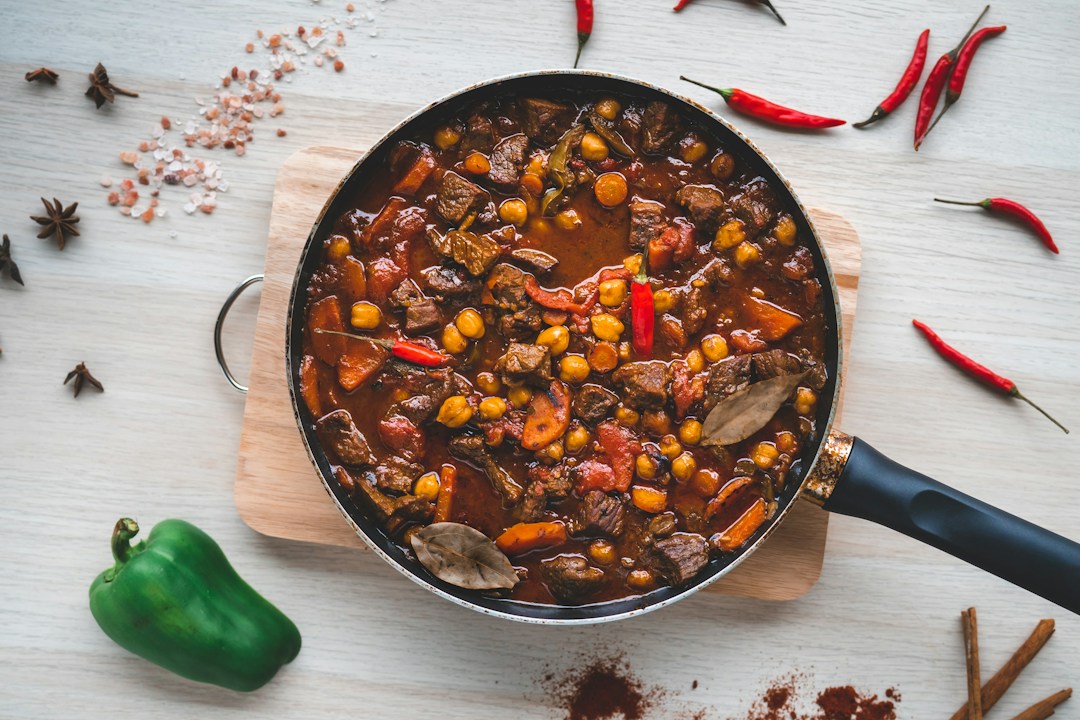
Lamb and Chickpea Stew
Ingredients
Method
- Heat the oven to 325°F (165°C). Pat the lamb dry and season with salt and pepper. Heat olive oil in a Dutch oven over medium-high heat. Brown the lamb in batches, turning to color several sides, about 8 to 10 minutes total. Transfer to a plate.
- Add the onion and carrots to the pot. Cook for about 5 minutes, stirring and scraping up browned bits. Add the garlic, cumin, coriander, paprika, cinnamon and tomato paste. Stir for 1 minute, just until fragrant.
- Pour in the diced tomatoes and broth. Scrape the bottom of the pot to release the browned flavor. Return the lamb and any accumulated juices. Bring just to a gentle simmer, then cover with a tight-fitting lid.

- Transfer the covered pot to the oven and cook for 90 minutes. Keep the liquid at a gentle simmer rather than a rolling boil. If the pot looks unusually dry when checked, add a little hot water or broth.
- Stir in the drained chickpeas. Cover and return the pot to the oven for another 30 to 45 minutes, or until the lamb is fork-tender and separates with gentle pressure. If the lamb is still chewy, continue cooking in 15-minute increments.
- Remove the pot from the oven. Stir in lemon juice and parsley. Taste and adjust salt and pepper. If the sauce is thinner than you like, simmer uncovered on the stovetop for a few minutes. Serve warm with rice, couscous or crusty bread.