
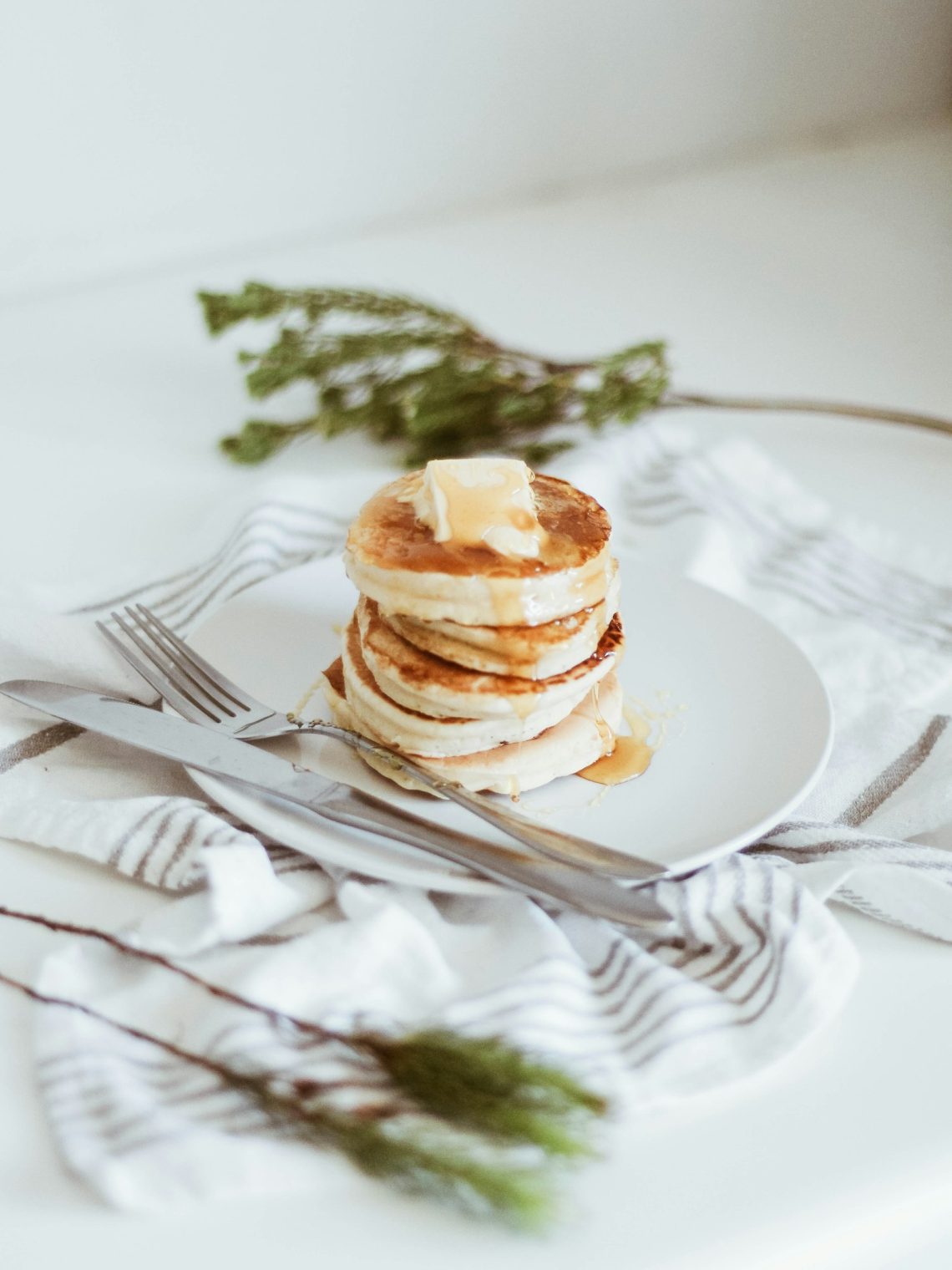
A little cold breakfast cereal can become a second breakfast with a completely different texture. These leftover Cream of Wheat griddle cakes have lightly browned surfaces and soft, finely textured centers. The batch uses half a cup of cooked farina and makes eight small cakes, enough for two plates without leaving another large bowl of batter behind.
Affiliate disclosure: As an Amazon Associate I earn from qualifying purchases. These paid links open Amazon search results for comparing equipment.
Use a nonstick skillet (paid link) or the griddle described below for the small cakes, with a flexible spatula (paid link) to lift and turn them once their bases have set.
The useful detail is the mixing order: break up the cereal with the egg before flour enters the bowl. That gives the chilled clumps a chance to loosen while keeping the finished batter from being stirred endlessly. A fork, a skillet and a few pantry ingredients are enough.
Make leftover cream of wheat griddle cakes hold together
- Start with cold cereal so its starch has fully set and can support the batter.
- Break up lumps before adding the measured egg, flour or other binder.
- Let the mixed batter rest briefly, then cook one small test cake.
- Wait for a browned underside and dry-looking edges before turning.
If the test cake spreads, chill or add only the recipe’s permitted dry ingredient in a small amount. If it is dense, loosen by the teaspoon rather than pouring in extra liquid.
Check your leftover cereal first
Use plain cooked farina made with water or milk. It should be cold, spoonable and fairly thick, rather than a runny bowl of cereal with milk floating around it. Lift a spoonful: if it stays in a soft mound, it is a good starting point. If liquid has separated around it, stir the cereal once, then measure the thick portion and hold back some of the recipe milk.
Lightly sweetened cereal is usable; omit the two teaspoons of sugar if breakfast was already sweet. Cinnamon is also compatible. Strongly flavored chocolate or fruit cereal changes the character of the cakes, so expect that flavor to carry through. This recipe uses cooked cereal, not a half cup of dry farina straight from the package.
Recipe: leftover Cream of Wheat griddle cakes
Yield: 8 small griddle cakes; 2 servings
Prep: 12 minutes · Cook: 12–15 minutes · Rest/cool: 5 minutes, included in prep · Total: 24–27 minutes
Equipment
10- or 12-inch nonstick skillet or griddle; medium bowl; small bowl; fork; flexible spatula; measuring cups and spoons; instant-read thermometer
Ingredients
- 1/2 cup (120 g) cold, cooked plain Cream of Wheat or farina, thick enough to mound on a spoon
- 1 large egg
- 1/4 cup (60 ml) milk, plus up to 2 tablespoons only if needed
- 1 tablespoon neutral oil, plus 1–2 teaspoons for the skillet
- 2 teaspoons granulated sugar
- 1/2 teaspoon vanilla extract
- 1/2 cup (60 g) all-purpose flour, spooned and leveled
- 3/4 teaspoon baking powder
- 1/8 teaspoon fine salt
- Optional for serving: maple syrup, sliced strawberries or plain yogurt
Method
- Loosen the cooked cereal. Put the cold farina in the medium bowl. Mash it with the fork until the large clumps break apart. Add the egg and work the mixture against the side of the bowl until it looks like a loose, finely textured paste. Small soft flecks are fine; firm teaspoon-size lumps should be mashed out.
- Add the wet ingredients. Stir in the 1/4 cup milk, tablespoon of oil, sugar and vanilla. The cereal mixture should now pour slowly from the fork. Keep the extra milk separate for the final adjustment, because cold cereal varies considerably in thickness.
- Fold in the flour. Combine flour, baking powder and salt in the small bowl. Tip them into the cereal mixture and fold with the fork just until no dry flour remains. Let the batter stand for 5 minutes while the skillet heats over medium-low heat. Avoid beating the batter smooth after adding flour.
- Check the first spoonful. The rested batter should drop from a tablespoon in a thick ribbon and relax into a small puddle. If it holds a sharp mound, stir in 1 tablespoon milk. Add the second tablespoon only if it still refuses to spread. Brush the skillet with a thin film of oil.
- Cook in two batches. Divide the batter into eight portions, about 2 generous tablespoons each. Cook four at a time, leaving room for a spatula. If necessary, gently spread each portion to about 3 inches across. Cook for 3–4 minutes, until the edges lose their wet shine and the undersides are golden brown.
- Turn and finish. Slide the spatula fully beneath each cake and turn once. Cook the second side for 2–3 minutes. A cake cut through the middle should have a moist, even crumb with no wet flour streak; the thickest center should reach 165°F because the batter contains cooked leftovers. Lower the heat if the surfaces brown before the middle is ready.
- Serve warm. Move the first batch to a plate without stacking it tightly. Lightly oil the pan again and cook the remaining batter. Serve with a modest drizzle of syrup or fruit, letting the tender cereal texture stay the focus.
Read the batter, then adjust the pan
| What you see | What to do |
|---|---|
| Batter sits in a stiff mound after resting | Add milk 1 tablespoon at a time. Stop when it slowly relaxes; do not thin it until it runs like crepe batter. |
| A test cake spreads rapidly into a very thin disk | Fold 1 teaspoon flour into the bowl, wait a minute and check again. Avoid adding a large unmeasured handful. |
| The underside browns while the top is still very wet | Reduce the heat and make the next cakes slightly thinner. A hotter pan will darken the outside without solving a wet center. |
| The surface looks pale but the edges are firm | Give the first side another 30–60 seconds. The modest sugar level means these may brown less deeply than very sweet pancake batters. |
Why smaller cakes are easier to handle
A three-inch cake gives the spatula enough support to lift the soft center. A large dinner-plate pancake made from the same batter is much harder to turn cleanly. Keep the first batch small even if your skillet has plenty of space; once you see how the batter behaves, portion the rest the same way.
Troubleshooting a stubborn batch
Dense, heavy centers: first check whether the starting cereal was extremely firm. If the batter had to be pushed into shape rather than spreading slightly, it probably needed the extra milk. Next time, loosen the cereal thoroughly before adding flour. Also check that the baking powder is within its best-quality date and has been stored dry.
Greasy edges: use only a thin film of skillet oil. A puddle of oil fries the rim while the center is still setting. Wipe excess oil away carefully with a folded paper towel held in tongs, then let the surface settle before starting the next batch.
Small changes that fit the recipe
For a gently spiced version, add 1/4 teaspoon cinnamon with the flour. For citrus aroma, stir 1/2 teaspoon finely grated orange zest into the wet ingredients. Keep mix-ins restrained: 2 tablespoons finely chopped raisins or tiny chocolate chips are plenty for this batch. Large pieces of fruit make the already soft cakes more difficult to turn.
Unsweetened soy or oat beverage can replace the milk by volume. That does not make the cakes dairy-free if the original farina was cooked in dairy milk. A whole-wheat flour swap also changes absorption; begin with a half-and-half flour blend rather than replacing every spoonful. The egg and the measured flour provide structure, so neither should be omitted casually.
Store the leftovers without losing track of their age
Start with cereal that was refrigerated promptly and has stayed cold. USDA advises keeping cooked leftovers at 40°F or colder, refrigerating perishables within two hours, using most leftovers within three to four days, and reheating leftovers to 165°F. See the USDA safe food handling guidance for the full recommendations. On a day above 90°F, the room-temperature limit is one hour.
For a simple household rule, make these with cereal from yesterday and eat any cooked cakes the following day. Label the container with the original cereal date so a new shape does not make old leftovers seem newly made. Cool the cakes in a single layer, refrigerate them promptly in a covered container, and reheat only the amount you plan to eat until the centers reach 165°F. Do not taste questionable leftovers to decide whether to use them.
Build a small breakfast around them
The cakes work well with sliced fruit and a spoonful of yogurt, or with a savory egg alongside instead of a large amount of syrup. For a breakfast you can assemble ahead on a busier morning, the site’s sheet pan egg sandwiches with spinach and cheddar offer a different format. When you need a dry mix that travels, use the make-ahead camping pancake mix; this cooked-cereal batter is better prepared close to cooking time.
Frequently Asked Questions
Can I use instant Cream of Wheat?
Yes, if it has already been cooked and chilled. Measure the finished cereal, not the dry granules. Plain instant cereal can be softer than a thicker stovetop batch, so start with 3 tablespoons of the milk, then add the remaining tablespoon after assessing the batter. Flavored packets may already contain enough sugar and salt.
Can I make the batter the night before?
It is better to mash the cereal and measure the dry ingredients separately, then combine them shortly before cooking. A fully mixed batter thickens in the refrigerator and its rise may be less consistent. Keep any egg-and-cereal mixture covered and refrigerated, and count the holding time within the original cereal storage window.
Will dry farina work instead of leftovers?
No direct swap is provided. Dry farina has not absorbed the liquid that is already present in cooked cereal and will change both hydration and texture. If you want to start from scratch, cook plain farina according to its package, cool and refrigerate it promptly, then measure half a cup for this recipe.
Why did the cakes split when I turned them?
They may have been too large, insufficiently set on the first side, or unsupported by the spatula. Aim for three-inch rounds and wait until the rim looks matte. Slide a broad flexible spatula right beneath the center before lifting. If the first cake breaks, reduce the size of the remaining portions rather than repeatedly flipping them.
Can I leave out the sugar?
Yes. The two teaspoons are there for a little sweetness, not to hold the batter together. Without them, expect a paler surface and a more cereal-forward flavor. Vanilla can stay, or omit it as well if you want to serve the cakes with a savory topping. Keep the flour and egg amounts unchanged.
Can I double the recipe?
Double all measured ingredients, but still add the optional extra milk only after checking the rested batter. Cook in small batches with space between cakes. A second skillet makes a doubled batch faster; filling one pan edge to edge usually makes turning more difficult and produces less even results. Larger portions still need the same doneness checks.
Leftover Cream of Wheat Griddle Cakes for Two
Ingredients
Equipment
Method
- Loosen the cooked cereal. Put the cold farina in the medium bowl. Mash it with the fork until the large clumps break apart. Add the egg and work the mixture against the side of the bowl until it looks like a loose, finely textured paste. Small soft flecks are fine; firm teaspoon-size lumps should be mashed out.
- Add the wet ingredients. Stir in the 1/4 cup milk, tablespoon of oil, sugar and vanilla. The cereal mixture should now pour slowly from the fork. Keep the extra milk separate for the final adjustment, because cold cereal varies considerably in thickness.
- Fold in the flour. Combine flour, baking powder and salt in the small bowl. Tip them into the cereal mixture and fold with the fork just until no dry flour remains. Let the batter stand for 5 minutes while the skillet heats over medium-low heat. Avoid beating the batter smooth after adding flour.
- Check the first spoonful. The rested batter should drop from a tablespoon in a thick ribbon and relax into a small puddle. If it holds a sharp mound, stir in 1 tablespoon milk. Add the second tablespoon only if it still refuses to spread. Brush the skillet with a thin film of oil.
- Cook in two batches. Divide the batter into eight portions, about 2 generous tablespoons each. Cook four at a time, leaving room for a spatula. If necessary, gently spread each portion to about 3 inches across. Cook for 3–4 minutes, until the edges lose their wet shine and the undersides are golden brown.
- Turn and finish. Slide the spatula fully beneath each cake and turn once. Cook the second side for 2–3 minutes. A cake cut through the middle should have a moist, even crumb with no wet flour streak; the thickest center should reach 165°F because the batter contains cooked leftovers. Lower the heat if the surfaces brown before the middle is ready.
- Serve warm. Move the first batch to a plate without stacking it tightly. Lightly oil the pan again and cook the remaining batter. Serve with a modest drizzle of syrup or fruit, letting the tender cereal texture stay the focus.




