
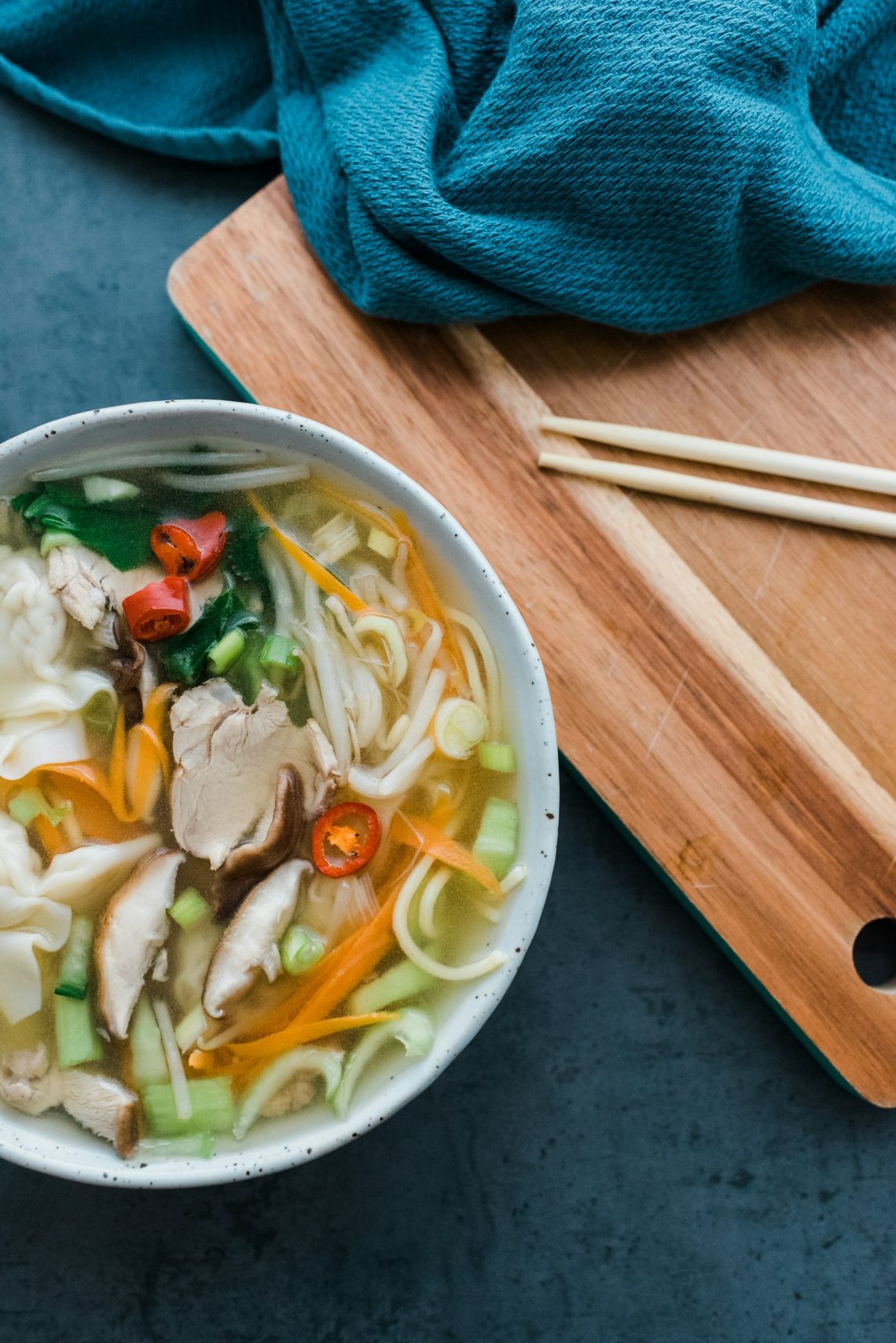
Parsnip apple soup with white pepper is a pale, silky soup that tastes of autumn: sweet, nutty parsnips softened in broth, a little peeled apple for freshness, and a quiet warmth from ground white pepper. Milk stirred in at the end keeps it light and gives it a smooth, mellow finish.
The recipe serves four and takes about 55 minutes, mostly unattended simmering. The key choices are using a tart apple so the soup does not turn cloying, removing any woody parsnip cores, and blending thoroughly. Below you will find the reasoning behind each step, plus swaps, storage, and troubleshooting.
Affiliate disclosure: As an Amazon Associate I earn from qualifying purchases. Tool links are marked as paid links.
Why parsnips and apple belong together
Parsnips taste like a cross between carrot and something faintly spiced, with a sweetness that deepens as they cook. Apple echoes that sweetness but adds a little acidity, which keeps the soup from tasting flat or heavy. White pepper is the quiet supporting player: it has a rounder, more floral heat than black pepper and does not leave dark flecks in a pale soup, though the recipe also uses a pinch of black pepper at the end.
The method cooks the firmer parsnips first, then adds the apple late so it softens without losing its fresh character. A controlled simmer and a final seasoning check make the balance; boiling harder is not a substitute for waiting until the parsnips are tender.
Parsnip Apple Soup with White Pepper
A smooth parsnip soup with peeled apple, white pepper and a splash of milk.
Equipment
4-quart pot, wooden spoon, immersion blender
Ingredients
- 2 tablespoons olive oil
- 1 medium onion, finely diced
- 2 garlic cloves, minced
- 3 cups peeled parsnips cut into 1/2-inch pieces
- 1 cup peeled apple cut into small cubes
- 4 cups low-sodium vegetable broth
- 1/4 teaspoon ground white pepper
- 1/2 cup milk
- 1/2 teaspoon fine salt, plus more to taste
- 1/4 teaspoon black pepper
- Water as needed, added 1/4 cup at a time
Instructions
- Prepare the parsnips in the size stated, removing any woody core, and set them beside the stove. Prepare the apple separately.
- Heat the olive oil in a 4-quart pot over medium heat. Add the onion and half the salt. Cook 5 to 6 minutes, stirring occasionally, until softened but not heavily browned. Add the garlic and stir for 30 seconds.
- Add the parsnips and the white pepper. Stir for 1 minute to coat, then pour in the broth. Scrape any light browned bits from the base. Bring to a simmer, then reduce the heat so small bubbles rise steadily.
- Partially cover and simmer 15 to 20 minutes, stirring occasionally, until the parsnips are easily pierced with a fork. If the liquid drops too low, add water 1/4 cup at a time.
- Add the apple and simmer 5 to 8 minutes, until thoroughly hot.
- Remove the pot from the heat. Blend with an immersion blender until smooth, keeping the head submerged. If using a countertop blender, cool slightly, work in small batches, and follow the machine’s hot-liquid instructions.
- Stir in the milk, remaining salt and the black pepper. Warm gently if needed, avoiding a hard boil. Taste a cooled spoonful, adjust salt gradually, and divide among four bowls.
Notes
Refrigerate within 2 hours (1 hour above 90°F) in shallow containers and use within 3 to 4 days. Reheat to at least 165°F. Add water if the soup has thickened. Do not taste questionable leftovers to decide whether they are safe.
familyrecipehq.com
Trimming parsnips properly
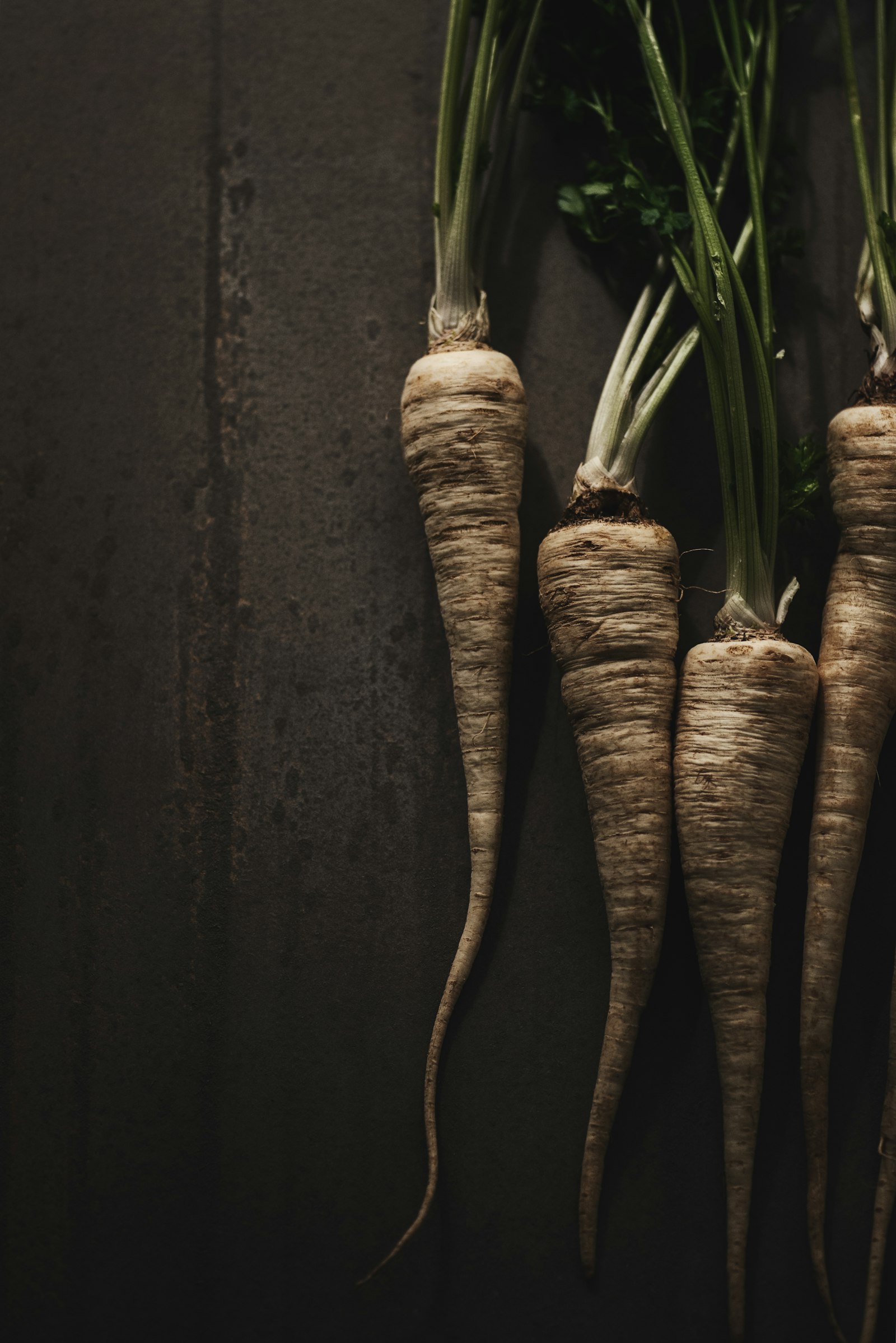
You need three cups of peeled parsnips cut into half-inch pieces. Choose firm, medium-sized roots; very large parsnips tend to have a tough, woody core running through the center. If you see a pale, fibrous cylinder when you cut a thick parsnip lengthwise, cut it out and discard it. Left in, it stays stringy even after long simmering and can leave the blended soup slightly grainy.
Peel the roots, trim the tops and tapered tips, and cut the thicker ends into pieces about the same size as the thinner ones. Even pieces cook evenly, so you do not end up with some soft chunks and some firm ones. The test for doneness is simple: a fork should slide into the largest piece with almost no resistance.
Pick a tart apple
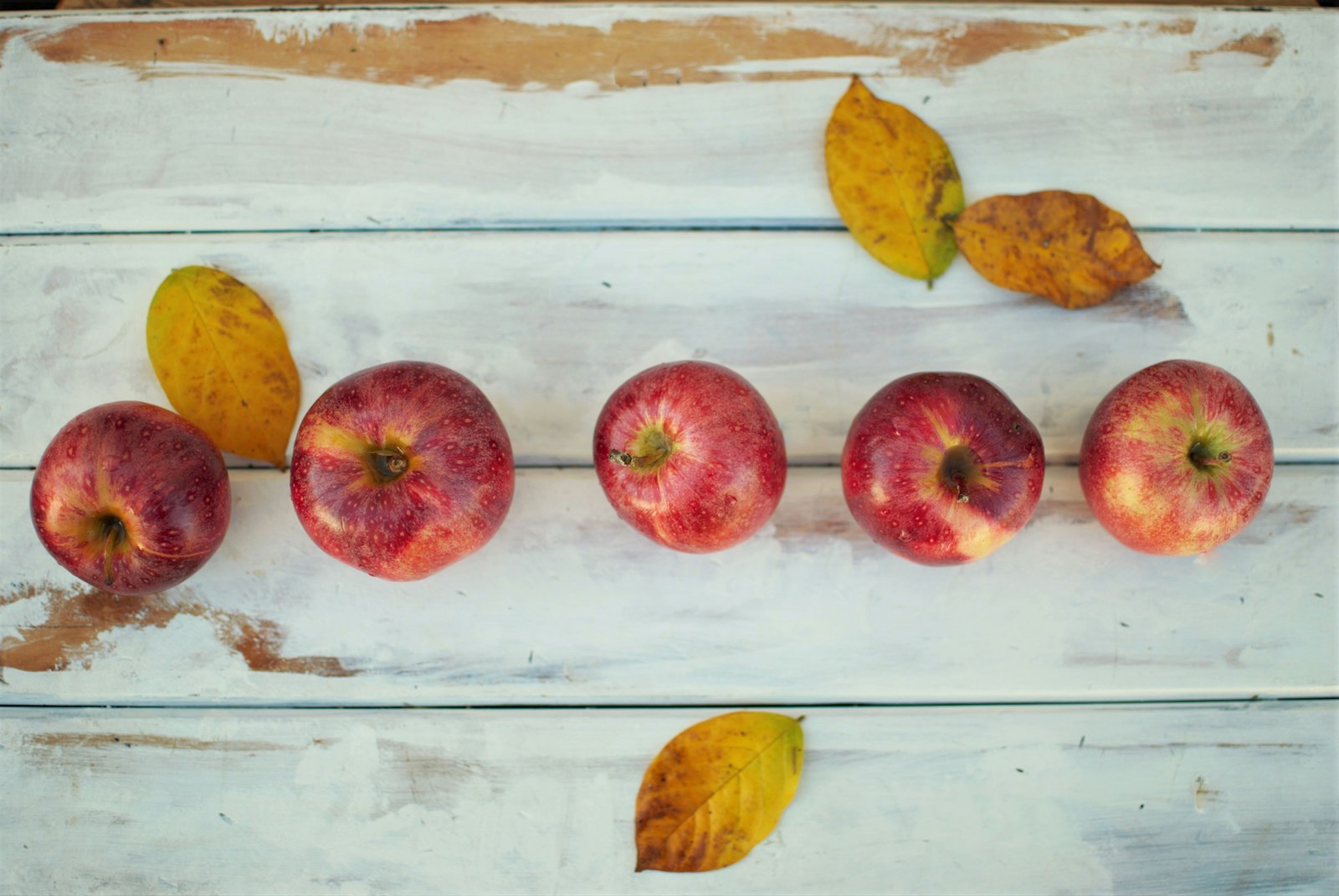
Because parsnips are already sweet, a tart apple balances the pot better than a very sweet one. Look for varieties that are firm and slightly sharp; if you only have a sweeter apple, you can still use it, but taste the finished soup and consider a tiny squeeze of lemon juice at the end if it seems too sweet. Peel the apple so no flecks of skin remain in the smooth soup, remove the core, and cut it into small cubes so it softens fully in the short simmer.
The apple goes in after the parsnips have softened. Five to eight minutes is enough to heat it through and make it tender. Adding it earlier would cook out its brightness and push the soup toward applesauce.
Building flavor in the pot
Start with the onion and half the salt in olive oil over medium heat. Cooking for five to six minutes, with occasional stirring, softens it without browning, which keeps the soup pale. Stir in the garlic only for the last thirty seconds, because garlic scorches quickly and turns bitter.
Add the parsnips and white pepper and stir for a minute so the pepper blooms briefly in the oil. Then pour in the broth, scraping up any light browned bits from the pot base, and bring it to a simmer. Reduce the heat so small bubbles rise steadily. Partially cover and let it go for fifteen to twenty minutes. If the liquid drops too low, add water a quarter cup at a time so the parsnips always have enough broth around them.
Blend with care: Keep the immersion blender head submerged to prevent splashes. If you use a countertop blender, let the soup cool slightly, work in small batches, and follow the machine’s hot-liquid instructions. Never seal steaming soup in a closed personal blender cup.
Finishing with milk
After blending, stir in the milk, the remaining salt, and the black pepper. Warm the soup gently if needed, but avoid a hard boil once the milk is in, which can make dairy look slightly grainy. Taste a cooled spoonful, because very hot soup masks salt, and adjust a little at a time. Using low-sodium broth gives you room to season to your own taste.
For serving, a drizzle of olive oil, a few cracks of pepper, or thin slivers of fresh apple on top look elegant. Crusty bread, a small green salad, or a warm biscuit make good companions. Keep any crunchy garnish out of the pot until the bowls are filled so it stays crisp.
Swaps, fixes, and storage
Too sweet. Use a tart apple next time, or stir in a few drops of lemon juice and a pinch more salt. Too thick. Whisk in hot water a few tablespoons at a time. Fibrous texture. The parsnip cores were probably left in, or the blending was brief; simmer a few more minutes and blend longer.
A similarly prepared root vegetable with a comparable cooking time can replace part of the parsnips, keeping the total near three cups. Choose low-sodium broth so you control the salt. Refrigerate leftovers promptly in shallow containers: within two hours, or within one hour if the air temperature is above 90°F, and keep them at 40°F or below for three to four days. Reheat a portion to a boil, stir well, and make sure it reaches at least 165°F. Portions can be frozen, though the texture of dairy-finished soups may change a little after thawing.
Frequently asked questions
Do I have to use white pepper?
No, but it suits the pale color and gives a gentle, rounded heat. If you do not have it, you can use a little extra black pepper, tasting as you go.
How do I know whether the parsnip core is too woody?
Cut a thick root lengthwise. If the center looks like a pale, tough cylinder noticeably different from the outer flesh, cut it out before chopping. Small and medium parsnips usually do not need this.
Which apple works best?
A tart, firm apple balances the sweetness of the parsnips best. A sweeter apple still works, but taste at the end and adjust with salt or a few drops of lemon juice.
Can I make it dairy-free?
Swap the milk for an unsweetened non-dairy milk of your choice, stirred in at the end. The flavor and body will shift slightly, so taste and adjust the seasoning.
Can I double the recipe?
Yes, use a larger pot or two pots so the vegetables are not crowded. The timing may shift, so judge by fork tenderness, and check that leftovers reach 165°F when reheated.
How long does the soup keep?
Refrigerated in shallow, covered containers at 40°F or below, it keeps for three to four days. Refrigerate within two hours of cooking, or within one hour if it is warmer than 90°F.
Helpful tools for this recipe
A sturdy Y-shaped vegetable peeler (paid link) speeds up peeling parsnips and apples, and an immersion blender (paid link) makes the soup smooth in the pot.
More recipes for your table
Parsnips also star in Ground Beef and Parsnip Skillet with Carrots. For another comforting bowl, try Chicken Barley Soup Without Celery, and serve with Small Batch Orange Cornmeal Drop Biscuits.
Parsnip apple soup with white pepper is gentle and sweet-savory when you trim the parsnips well, add a tart apple late, and finish with milk off a hard boil. Blend until smooth, season gradually, and serve warm.




