
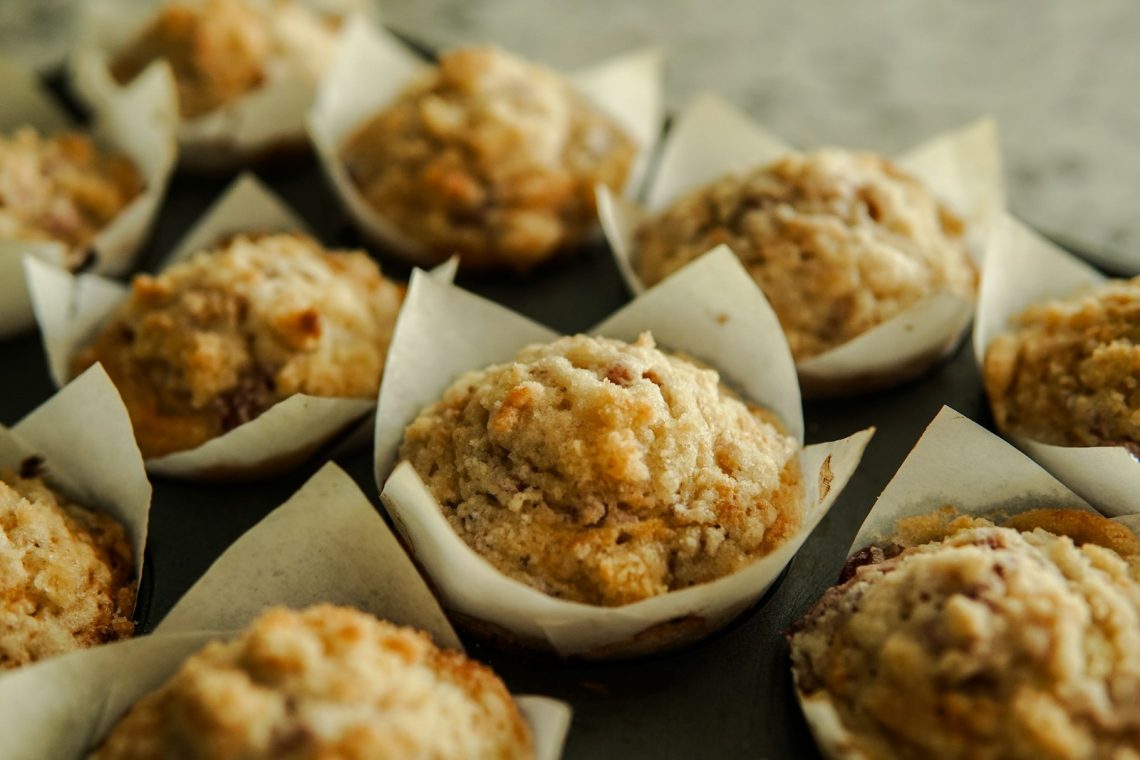
Quick Recipe Overview
These peach ginger breakfast muffins use 1 cup of small-diced firm peaches, 1 teaspoon of ground ginger and 1/2 cup of rolled oats in a simple oil-based batter. Bake at 375°F for 18 to 24 minutes for 12 soft, moist muffins that keep well in the freezer.
Best method: whisk the ginger into the dry ingredients, dice and blot the peaches, and fold the batter only until no dry flour shows.
| Prep | Bake | Total | Oven | Yield |
|---|---|---|---|---|
| 15 min | 18–24 min | about 45 min | 375°F | 12 muffins |
Peach ginger breakfast muffins are a dozen tender, oat-speckled muffins studded with small pieces of fresh peach and warmed by a teaspoon of ground ginger. The batter is made with oil rather than butter, so the crumb stays soft for days, and 1/2 cup of rolled oats gives each muffin enough body to feel like breakfast rather than cake.
This recipe is for anyone with a few peaches that are fragrant but not yet dripping-ripe, and for busy households that like to bake once and pull a muffin from the freezer all week. Everything is mixed by hand in two bowls, and the whole batch is done in about 45 minutes, including a short cool in the pan.
Equipment
- Standard 12-cup muffin pan with paper liners, or a well-greased pan.
- Two mixing bowls: one large for the dry ingredients, one medium for the wet.
- Whisk and flexible spatula: the whisk for blending, the spatula for gentle folding.
- Kitchen scale (optional but helpful) for weighing the flour.
- Portion scoop or 1/4-cup measure to fill the wells evenly.
- Paring knife and cutting board for dicing the peaches small.
- Wire cooling rack so the bottoms do not steam.
Ingredients, Substitutions and Allergens
| Ingredient | Amount | Why it matters / swaps |
|---|---|---|
| All-purpose flour | 1 1/2 cups (180 g) | The main structure. Up to one-quarter can be whole-wheat flour for a heartier, slightly denser crumb. Do not swap in almond or coconut flour cup for cup. |
| Old-fashioned rolled oats | 1/2 cup (50 g) | Adds chew and a mild nutty flavor. Quick oats work and give a finer texture. |
| Granulated sugar | 1/2 cup | Sweetens and helps the tops brown. Light brown sugar adds a gentle caramel note that suits ginger. |
| Baking powder | 2 teaspoons | The only leavener. Check that it is fresh; old baking powder gives flat, dense muffins. |
| Fine salt | 1/2 teaspoon | Sharpens the fruit flavor. |
| Ground ginger | 1 teaspoon | Warm and gently spicy. Whisk it into the dry ingredients so it spreads evenly. Cinnamon or a pinch of cardamom can stand in. |
| Large eggs | 2 | Bind the batter and add lift. |
| Milk | 3/4 cup | Any dairy milk works; unsweetened oat or soy milk are good dairy-free swaps. |
| Neutral oil | 1/3 cup | Canola, sunflower or light olive oil. Oil keeps muffins softer than butter after a day or two. |
| Fresh firm peaches | 1 cup, diced small (about 2 small peaches) | The star. Well-drained frozen or canned peaches can be used; see the FAQ. |
Allergens: contains wheat (gluten), eggs and milk. Oats are often processed alongside wheat, so use certified gluten-free oats only if you are also adapting the flour. To make the muffins dairy-free, use a plant milk.
Why Firm Peaches and Small Dice Matter
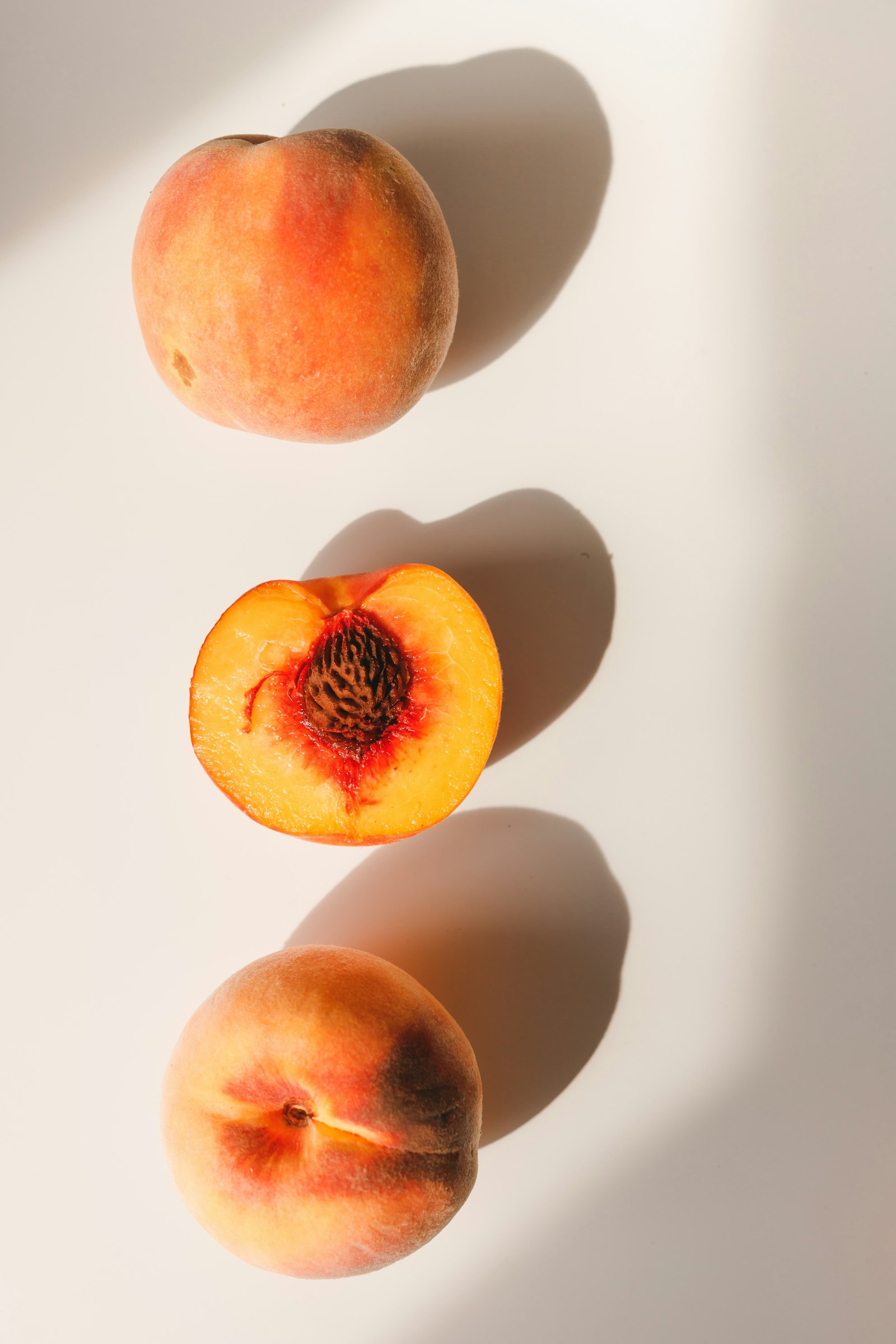
Peaches are mostly water. A very soft, juicy peach releases that liquid as it heats, and the juice pools around each piece, leaving a gummy, underbaked ring in the crumb. A peach that is fragrant but still yields only slightly to pressure keeps its shape in the oven, so the batter sets around it cleanly.
Size matters just as much. Pieces about the size of a blueberry (roughly 1/2 inch) are light enough to stay suspended in a thick batter. Large chunks sink to the bottom and make soggy bases. After dicing, spread the peaches on a paper towel for a minute and blot the tops; you are removing surface juice, not drying the fruit.
Skins are optional. They soften during baking, though thin strips can curl in the crumb. To peel, lower the peaches into boiling water for about 30 seconds, move them to cold water, and the skins slip off.
Finally, the mixing method protects texture. Folding the wet ingredients into the dry until just combined limits gluten development. Overmixed muffin batter bakes up tough, peaked and riddled with tunnels.
Step-by-Step Method
- Heat the oven (10 minutes). Set a rack in the center and heat the oven to 375°F. Line a 12-cup muffin pan with paper liners or grease each well thoroughly. The oven should be fully heated before the batter goes in so the muffins rise quickly.
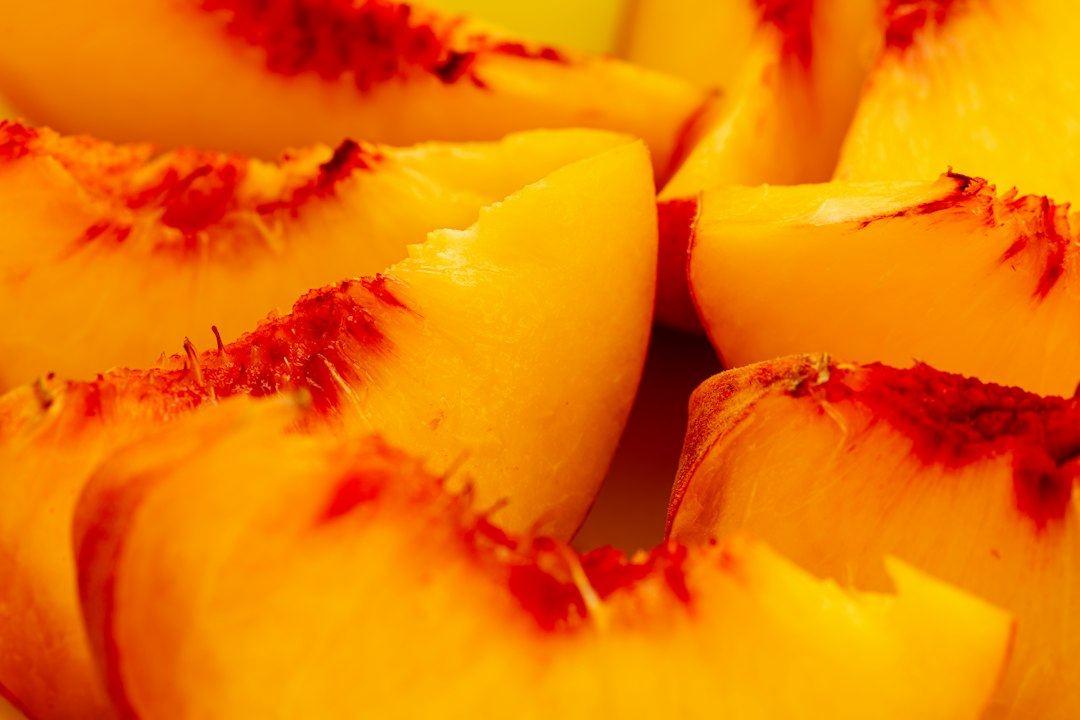
- Prep the peaches (5 minutes). Pit and dice the peaches into roughly 1/2-inch pieces. Measure 1 level cup, then blot on a paper towel. The pieces should look moist but not wet.
- Whisk the dry ingredients (1 minute). In a large bowl, whisk the flour, oats, sugar, baking powder, salt and ginger until the ginger no longer shows as streaks.
- Whisk the wet ingredients (1 minute). In a second bowl, whisk the eggs, milk and oil until no ribbons of egg white remain.
- Fold (1 to 2 minutes). Pour the wet mixture into the dry. Fold with a spatula about 10 to 12 strokes, until only a few dry patches remain. Add the peaches and fold 3 or 4 more times. Stop as soon as no dry flour is visible. The batter should be thick and lumpy.
- Fill the pan (2 minutes). Divide the batter evenly among the 12 wells, filling each about three-quarters full. Level wells give even domes.
- Bake (18 to 24 minutes). Bake until the tops are golden and spring back when lightly pressed, and a toothpick in a center muffin comes out clean or with a few moist crumbs. Peach juice on the toothpick is fine; wet batter is not. Start checking at 18 minutes.
- Cool (5 minutes in the pan). Let the muffins sit in the pan for 5 minutes, then move them to a wire rack. Left longer in the hot pan, they steam and the bottoms turn soggy.
Troubleshooting
| Problem | Likely cause | Fix |
|---|---|---|
| Peaches sank to the bottom | Pieces too large or too wet | Dice to about 1/2 inch and blot; fold the fruit in last. |
| Gummy ring around the fruit | Very ripe, juicy peaches | Use firm-ripe fruit; drain frozen or canned peaches well. |
| Tough crumb with tunnels | Overmixing | Fold only until no dry flour shows; lumps are fine. |
| Dark tops, wet centers | Oven runs hot or wells overfilled | Check oven with a thermometer; fill three-quarters full. |
| Flat, dense muffins | Stale baking powder or too much flour | Use fresh baking powder; weigh flour (180 g) or spoon and level. |
| Ginger tastes patchy | Spice added with the fruit | Whisk ginger into the dry ingredients first. |
| Soggy bottoms | Cooled too long in the pan | Move to a rack after 5 minutes. |
What to Serve with Them
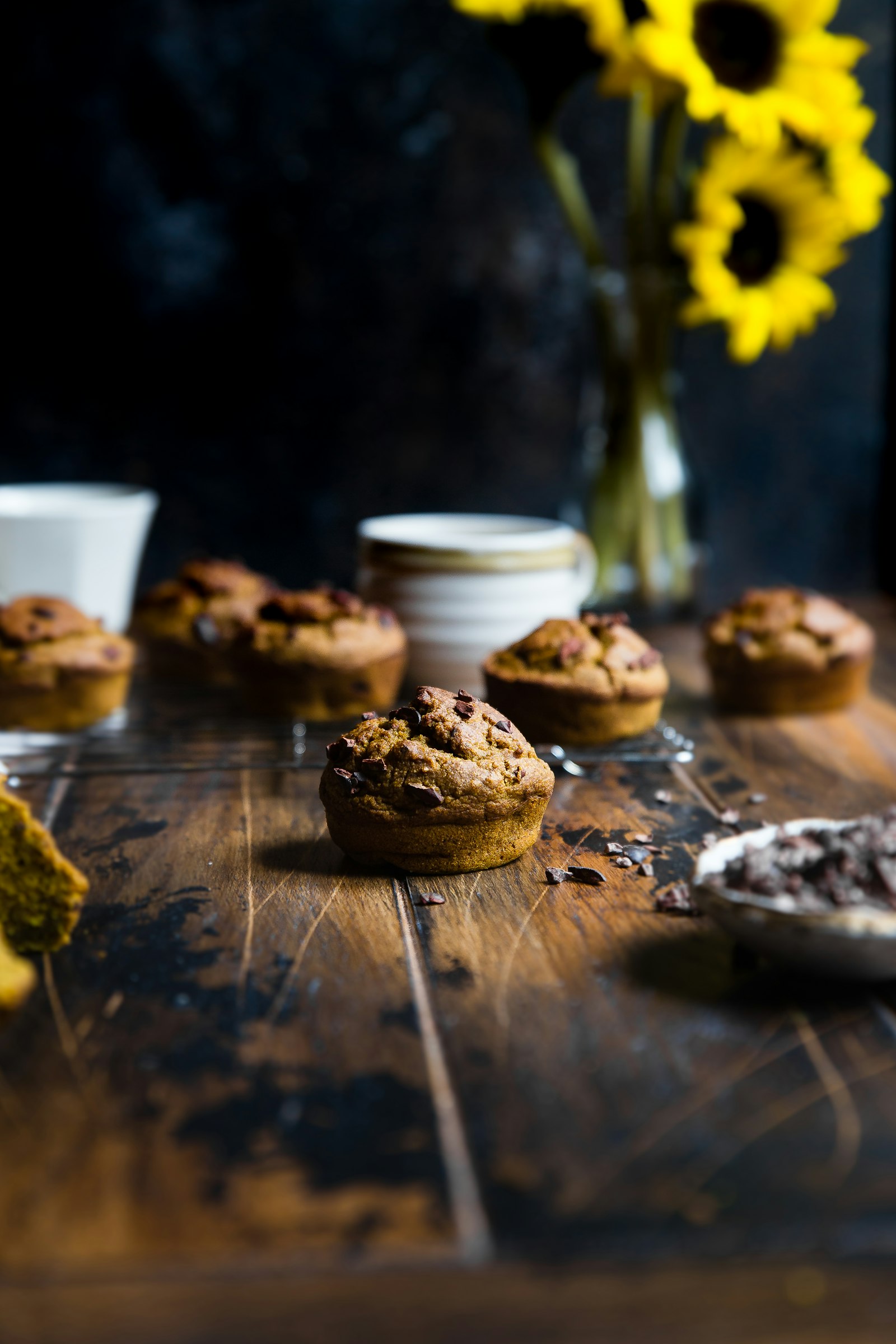
One muffin with a spoonful of plain yogurt and a few fresh peach slices makes a light breakfast. For a brunch table, set them out with eggs and fruit. If you love the peach and ginger pairing, the Peach Ginger Oat Bars bring the same flavors to a sliceable bar. For a different fruit in a similar muffin, try Six Pear Ginger Oat Muffins, and on a weekend morning, Ricotta Peach Toast with Toasted Almonds is another easy way to use ripe peaches.
Make-Ahead, Storage and Reheating
Cool the muffins completely before covering them; sealing warm muffins traps steam and makes the tops sticky. Because the fresh fruit adds moisture, refrigerate them in a covered container and enjoy within 3 to 4 days. For longer storage, wrap each cooled muffin and freeze in a freezer bag for about a month for best quality.
Thaw frozen muffins overnight in the refrigerator or at room temperature for about an hour. To warm one, microwave it for 15 to 20 seconds, or heat it in a 350°F oven for about 5 to 8 minutes until the top feels crisp again. For general leftover guidance, see USDA FSIS: Leftovers and Food Safety.
Frequently Asked Questions
Can I use frozen peaches?
Yes. Thaw them, drain off all the juice, dice small and blot well. Frozen peaches tend to be softer, so expect slightly moister pockets around the fruit.
Can I use canned peaches?
Choose peaches packed in juice, drain them thoroughly, then dice and blot. Canned fruit is very soft and wet, so the crumb around it will be a little damper than with fresh peaches.
Do I need to peel the peaches?
No. The skins soften as they bake. If you prefer no skin, blanch the peaches in boiling water for about 30 seconds and slip the skins off.
Can I use fresh ginger instead of ground?
Yes. Use about 1 tablespoon of finely grated fresh ginger and whisk it into the wet ingredients so it disperses. Fresh ginger tastes brighter and sharper than ground.
How do I know the muffins are done?
The tops spring back when lightly pressed and a toothpick in a center muffin comes out without wet batter. A streak of peach juice on the pick is normal.
Can I make them without oats?
Replace the 1/2 cup of oats with an extra 1/2 cup of all-purpose flour. The muffins will be a little lighter and less hearty.
Can I add a crumb topping?
Yes. Sprinkle a little brown sugar or coarse sugar over the batter before baking for a crisp top. Keep it light so the muffins still bake through in the same time.
Can I double the recipe?
Yes. Use two 12-cup pans rather than overfilling one, and start checking at 18 minutes, since a fuller oven can change baking time.
Recommended Tools
- 12-cup muffin pan for even baking.
- Paper muffin liners for easy release.
- Portion scoop to fill every well evenly.
- Wire cooling rack to keep the bottoms from steaming.
As an Amazon Associate I earn from qualifying purchases.
The Bottom Line
Peach ginger breakfast muffins come down to three habits: choose firm peaches, dice them small and blot them, and fold the batter with a light hand. Do that, and you get a dozen soft, gently spiced muffins with fruit in every bite. Bake a batch, freeze half, and breakfast is ready on the busiest mornings.
Peach Ginger Breakfast Muffins
Yield: 12 muffins | Prep: 15 min | Bake: 18–24 min | Cool: 5 min | Total: about 45 min | Oven: 375°F
Ingredients
- 1 1/2 cups (180 g) all-purpose flour
- 1/2 cup (50 g) old-fashioned rolled oats
- 1/2 cup granulated sugar
- 2 teaspoons baking powder
- 1/2 teaspoon fine salt
- 1 teaspoon ground ginger
- 2 large eggs
- 3/4 cup milk
- 1/3 cup neutral oil
- 1 cup diced fresh firm peaches (about 1/2-inch pieces), blotted
Instructions
- Heat the oven to 375°F. Line a 12-cup muffin pan with paper liners or grease well.
- Whisk the flour, oats, sugar, baking powder, salt and ginger in a large bowl.
- In a second bowl, whisk the eggs, milk and oil.
- Pour the wet ingredients into the dry and fold until a few dry patches remain. Add the peaches and fold just until no dry flour shows.
- Divide among the wells, filling each about three-quarters full.
- Bake 18 to 24 minutes, until the tops spring back and a toothpick in a center muffin comes out without wet batter.
- Cool in the pan 5 minutes, then transfer to a wire rack.
Notes
- Use firm-ripe peaches; drain and blot frozen or canned fruit well.
- Refrigerate cooled muffins, covered, for 3 to 4 days, or freeze individually for about a month.
- Contains wheat, eggs and milk.




