
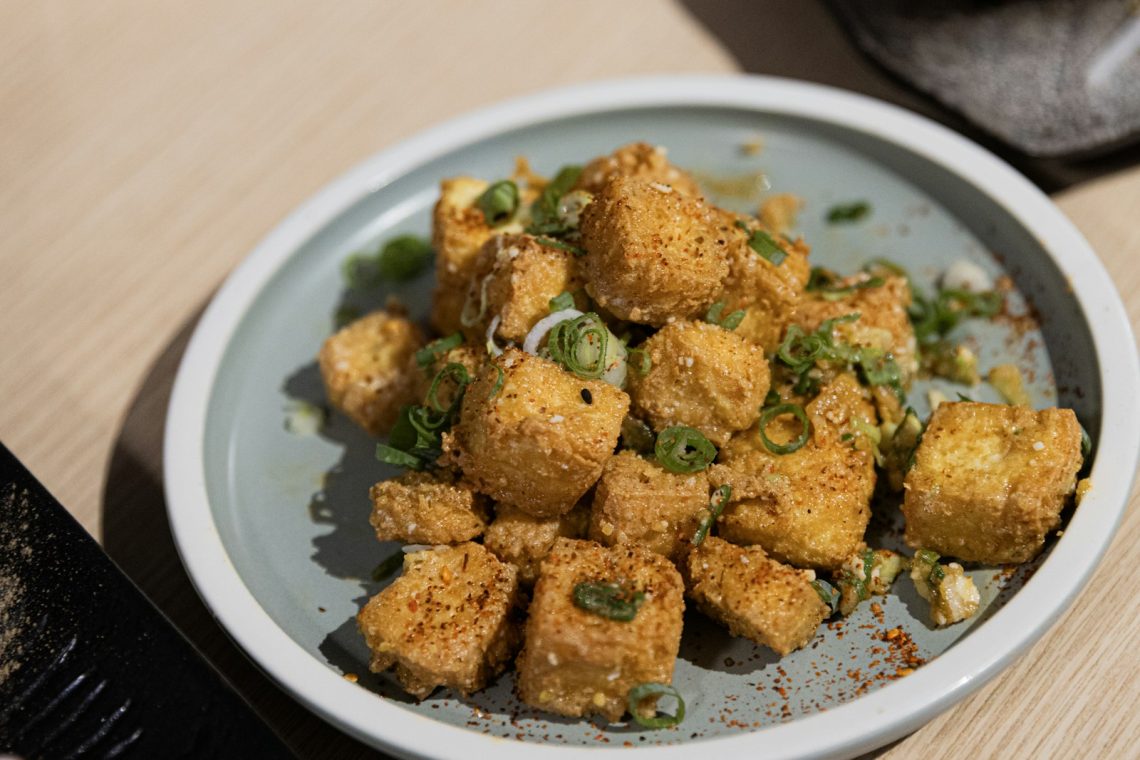
You can roast tofu without a starch coating and still get useful contrast between a firm surface and a softer middle. This sheet pan tofu and green beans without cornstarch uses pressed extra-firm tofu, a modest soy-ginger seasoning, and a staggered roasting plan. Tofu gets a head start; green beans join later so they remain recognizable, tender vegetables rather than dry fragments.
Without cornstarch, the tofu develops a lightly chewy roasted exterior instead of a thick crisp shell. A small ginger-sesame dressing goes on after cooking, letting the tofu’s surface dry first. Serve over rice or noodles for a more substantial family meal.
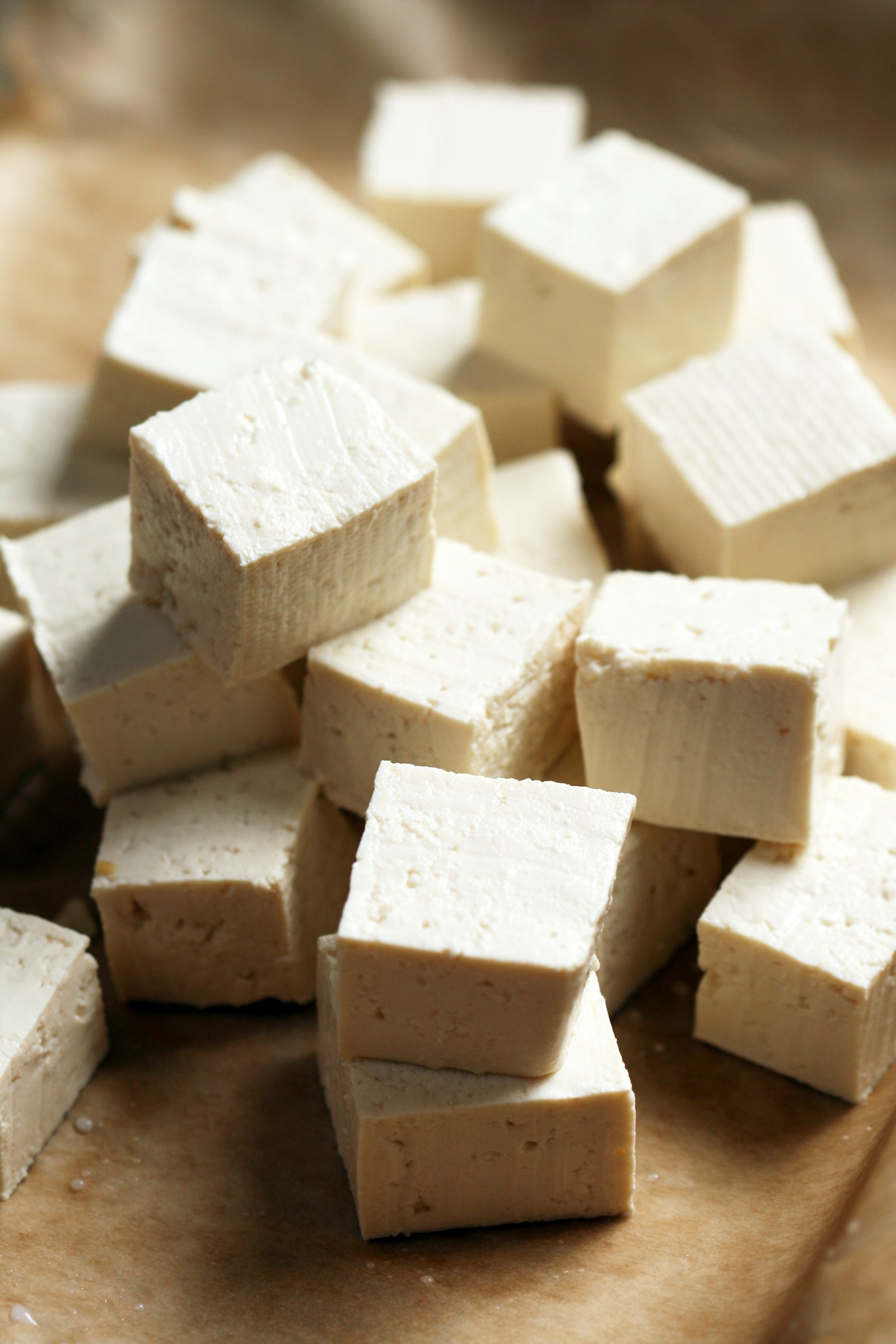
Create crisp tofu without a cornstarch coating
- Press and blot the tofu thoroughly; dry surfaces brown more readily than wet ones.
- Use enough space for hot air to reach each cube, and place broad sides against the pan.
- Start green beans separately if they are thick or wet, then combine according to their actual doneness.
- Turn only after the tofu has formed a surface crust, which helps prevent tearing.
Seasoning can include oil, spices and a measured sauce, but avoid leaving liquid pooled under the tofu. Add any acidic or sweet glaze near the finish so it flavors the tray without softening the browned edges.
The roasting plan at a glance
Affiliate disclosure: As an Amazon Associate I earn from qualifying purchases. Paid links open Amazon search results.
Yield: 3 servings with rice, or 2 generous servings. Prep: 15 minutes plus 20 minutes pressing. Cook: 35–40 minutes. Total: about 75 minutes, including pressing. Oven: 425°F / 220°C. Use an 18-by-13-inch rimmed metal baking sheet (paid link), clean towels, a weighted plate for pressing, a bowl, and a thin spatula (paid link).
If you buy vacuum-packed super-firm tofu, you may need only to blot it dry instead of pressing for the full period. Water-packed extra-firm tofu usually benefits from pressing. Silken tofu is not suitable: its delicate structure will not hold the same shape during tossing and turning.
Use the pressing interval as preparation time
Set the wrapped block on a plate with a rim so escaping water has somewhere to collect. Center the upper plate over the tofu before adding the moderate weight. If the plate tilts, adjust the setup rather than increasing the load on one side. The block needs to stay intact so it can become even cubes later.
While the tofu presses, trim and dry the beans and gather the dressing ingredients. After cutting the block, look at the newly exposed faces: they can still feel damp even when the outside was dry. Blot those faces gently as directed before the short soy seasoning. Pressing is preparation for this roasted texture, not a reason to squeeze the tofu until it cracks.
Ingredients
- 1 block extra-firm tofu, 14–16 ounces, drained
- 12 ounces fresh green beans, trimmed and dried
- 2 tablespoons neutral oil or olive oil, divided
- 1 tablespoon reduced-sodium soy sauce
- ½ teaspoon garlic powder
- ½ teaspoon ground ginger
- ⅛ teaspoon fine salt for the beans, optional
- ⅛ teaspoon black pepper
Finishing dressing
- 1 tablespoon reduced-sodium soy sauce
- 1 tablespoon rice vinegar
- 1 teaspoon toasted sesame oil
- 1 teaspoon maple syrup
- 1 teaspoon finely grated fresh ginger
- 1 teaspoon water
- 1 teaspoon toasted sesame seeds, optional
- 1 sliced scallion, optional
- 2 cups cooked rice, optional, for serving
The roasting seasoning is deliberately small in volume. A long bath of liquid marinade would need additional draining before the tofu could brown. Garlic powder and ground ginger season the roasting stage without leaving pieces of fresh aromatics exposed to prolonged high heat. Fresh ginger is reserved for the finish.
Green beans should be dry and similar in thickness. Very slender haricots verts cook faster than thick mature beans. Reduced-sodium soy sauce still contributes salt, so the optional pinch on the beans may be unnecessary. Taste a cooked bean with the dressing before adding more seasoning.
Two soy portions, two different jobs
| Where it is used | Which soy sauce portion | What to keep separate |
|---|---|---|
| Tofu roasting bowl | The first measured tablespoon with oil and dry aromatics. | Leave excess coating liquid in that bowl. |
| Finishing dressing | The second measured tablespoon with vinegar, sesame oil and fresh ginger. | Keep it off the roasting sheet; spoon it onto finished portions. |
Use two small bowls or clearly separated measuring stages so the dressing does not accidentally become a larger marinade. Fresh ginger, vinegar and maple belong to the finish in this recipe. Keeping that mixture separate also lets one person use less sauce without changing how the whole tray cooks.
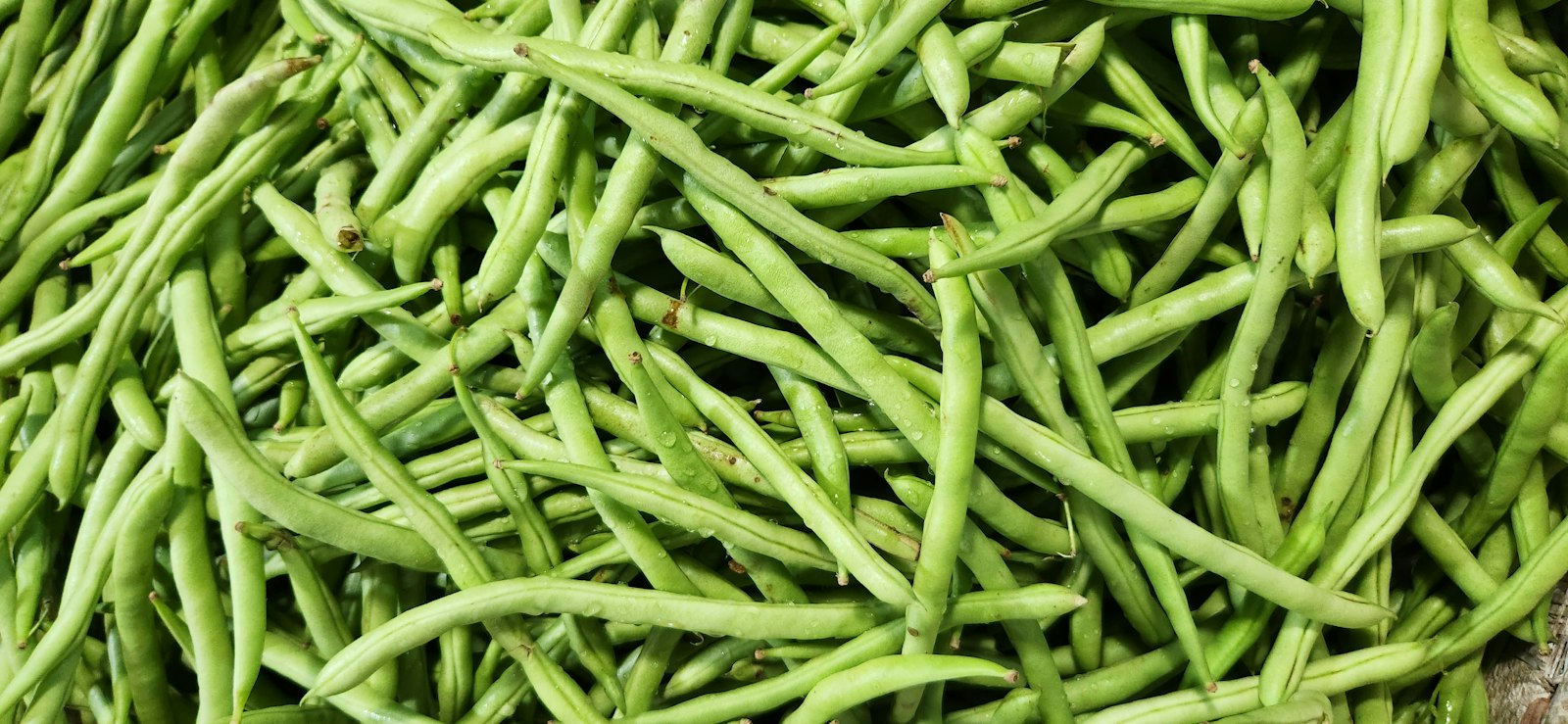
Prepare sheet pan tofu and green beans without cornstarch
- Press the tofu. Wrap the drained block in a clean towel, place on a rimmed plate, and top with a second plate and a moderate weight such as a can. Leave for about 20 minutes, changing the towel if saturated. Do not use so much weight that the block splits.
- Heat the oven and cut. Heat to 425°F with a rack in the center. Cut pressed tofu into approximately 1-inch cubes. Blot the newly exposed surfaces gently. Lightly oil the sheet with a little of the measured oil.
- Season the tofu lightly. Mix 1 tablespoon oil, 1 tablespoon soy sauce, garlic powder, and ground ginger in a bowl. Fold in the cubes gently until coated. Let excess liquid remain in the bowl rather than pouring it all onto the sheet.
- Give tofu the first stage. Spread cubes across roughly two-thirds of the sheet, leaving space around them. Roast for 18–20 minutes. Turn with a thin spatula; if a piece sticks, slide gently underneath instead of tearing it away from the surface.
- Add the green beans. Toss beans with the remaining oil, optional salt, and pepper. Arrange in the open part of the sheet, spreading them rather than piling them. If there is not enough space, use a second sheet. Return to the oven for 12 minutes.
- Check both textures. Turn or stir the beans and rotate the sheet. Continue roasting another 3–8 minutes as needed. Tofu should have dry, golden corners and feel firmer at the surface. Beans should be tender enough to bite comfortably, with some browned spots and a little remaining structure.
- Mix the dressing. Whisk soy sauce, rice vinegar, sesame oil, maple syrup, fresh ginger, and water. Taste a drop. If the ginger is very strong, let the mixture stand for a few minutes while you finish the food, then use it sparingly.
- Dress and serve. Spoon hot rice into bowls if using. Add tofu and green beans, drizzle with half the dressing, and toss only lightly. Offer the rest separately. Finish with optional sesame seeds and scallion. Serving sauce at the table gives each person control over saltiness and acidity.
Check the surfaces you cannot see from above
At the first tofu turn, slide the spatula beneath a broad cube face and lift enough to see the contact side. A golden underside can be hidden beneath a pale-looking top. Turn gently, then leave the cubes with space between them while the beans complete their stage. Do not scrape every cube repeatedly just to make all six faces match in color.
When tasting the cooked beans for tenderness, choose one of the thicker ones. Very fine beans can be ready while a mature thick bean is still firm. For serving, distribute tofu among the bowls first, then add beans and a little dressing. This makes the stated two generous or three rice-supported portions easier to divide evenly without scooping most of the tofu into the first bowl.
What replaces the cornstarch coating?
No single added ingredient replaces it. The method changes the expected texture instead. Pressing removes some water, cutting consistent cubes exposes more surface, and roasting with enough space lets moisture escape. These steps create a firmer, drier outside without pretending it will match a fried or starch-coated crust.
Pressing does not remove all moisture, and it is possible to press tofu too aggressively until it breaks. Aim for a block that feels less waterlogged but remains intact. Super-firm products start drier, so use their handling instructions and avoid forcing the full pressing schedule when it is unnecessary.
Meal prep and leftovers
Cook rice while the tofu roasts, then portion only what you plan to eat. A shredded carrot or cucumber side adds a fresh crunch. If packing lunches, keep dressing in a small separate container and add it after reheating so the tofu does not spend days soaking in sauce.
Refrigerate tofu, beans, and rice in shallow containers within 2 hours, or within 1 hour above 90°F. Store at 40°F or below for 3–4 days under USDA leftover guidance. Reheat cooked leftovers to 165°F. A hot oven can dry the tofu surface again, while a microwave is quicker but leaves a softer texture.
For another grain-bowl dinner with a different flavor profile, see quinoa, pea, and chickpea bowls with lemon and dill. That meal offers a separate use for pantry beans and frozen peas.
Troubleshooting by symptom
Tofu is pale and wet: It may have carried too much marinade onto the pan, or the sheet may be crowded. Spread the cubes out and continue roasting briefly. Next time, blot after cutting and leave extra liquid in the mixing bowl. More sauce before roasting will not make the surface drier.
Tofu sticks: The metal may need a light oil coating, and the surface may not yet be ready to release. A thin spatula works better than pulling with tongs. Parchment rated for the temperature can help, though the underside may brown differently.
Beans become wrinkled before tender: They may be particularly thick or mature. If necessary, remove the finished tofu, add a tablespoon of water to the beans, and cover them briefly with foil to soften. Uncover at the end. For later batches, choose smaller beans or adjust their head start.
Ingredient swaps that keep expectations clear
Use tamari labeled gluten-free in place of soy sauce if the meal must avoid gluten, and check every other packaged ingredient. Soy itself remains present in tofu and tamari. For a sesame-free version, omit sesame oil and seeds, replacing the teaspoon of sesame oil with neutral oil. The dressing will lose its toasted character but still have ginger and vinegar.
Fresh broccoli can replace green beans when cut into small florets, but its stems may require a different roasting interval. Frozen green beans release more water and are better roasted separately according to their package directions before combining with the tofu. Do not assume their texture will match fresh beans.
For more heat, stir a little chili paste into your individual serving of dressing. Adding a thick sweet bottled sauce at the start can encourage burning, so keep that kind of sauce for a brief finish or for serving. The basic method is deliberately restrained enough to suit several flavor preferences.
Frequently Asked Questions
Will the tofu be crispy without starch?
Expect roasted, lightly chewy edges rather than a thick crisp coating. Pressing, spacing, and drying help, but they do not make the texture identical to fried tofu. Add sauce sparingly if you want to preserve the drier surface.
Can I skip pressing?
You can often shorten or skip it for vacuum-packed super-firm tofu after blotting. Water-packed extra-firm tofu generally benefits from the full pressing step. If you skip it, expect more moisture and potentially longer roasting.
Can I marinate overnight?
A longer refrigerated marinade is a different approach. Drain and blot the tofu before roasting, and keep the marinade quantity controlled. This recipe’s short coating is designed to get flavor onto the surface without saturating the pan.
What if my sheet is too small?
Use two sheets or make separate batches. Tofu and beans need space more than they need to share a single piece of cookware. A compact pile produces a softer result.
Can I prepare the dressing ahead?
Yes. Refrigerate it in a covered container up to one day ahead, then whisk before serving. Fresh ginger can become more assertive as it sits, so start with a little and add more only if desired.
What should I focus on first?
For sheet pan tofu and green beans without cornstarch, dry the tofu and keep the roasting layer shallow. Those decisions determine the texture before the finishing dressing ever reaches the plate.
Sheet Pan Tofu and Green Beans Without Cornstarch
Ingredients
Equipment
Method
- Press the tofu. Wrap the drained block in a clean towel, place on a rimmed plate, and top with a second plate and a moderate weight such as a can. Leave for about 20 minutes, changing the towel if saturated. Do not use so much weight that the block splits.
- Heat the oven and cut. Heat to 425°F with a rack in the center. Cut pressed tofu into approximately 1-inch cubes. Blot the newly exposed surfaces gently. Lightly oil the sheet with a little of the measured oil.
- Season the tofu lightly. Mix 1 tablespoon oil, 1 tablespoon soy sauce, garlic powder, and ground ginger in a bowl. Fold in the cubes gently until coated. Let excess liquid remain in the bowl rather than pouring it all onto the sheet.
- Give tofu the first stage. Spread cubes across roughly two-thirds of the sheet, leaving space around them. Roast for 18–20 minutes. Turn with a thin spatula; if a piece sticks, slide gently underneath instead of tearing it away from the surface.
- Add the green beans. Toss beans with the remaining oil, optional salt, and pepper. Arrange in the open part of the sheet, spreading them rather than piling them. If there is not enough space, use a second sheet. Return to the oven for 12 minutes.
- Check both textures. Turn or stir the beans and rotate the sheet. Continue roasting another 3–8 minutes as needed. Tofu should have dry, golden corners and feel firmer at the surface. Beans should be tender enough to bite comfortably, with some browned spots and a little remaining structure.
- Mix the dressing. Whisk soy sauce, rice vinegar, sesame oil, maple syrup, fresh ginger, and water. Taste a drop. If the ginger is very strong, let the mixture stand for a few minutes while you finish the food, then use it sparingly.
- Dress and serve. Spoon hot rice into bowls if using. Add tofu and green beans, drizzle with half the dressing, and toss only lightly. Offer the rest separately. Finish with optional sesame seeds and scallion. Serving sauce at the table gives each person control over saltiness and acidity.
Notes
| Where it is used | Which soy sauce portion | What to keep separate |
|---|---|---|
| Tofu roasting bowl | The first measured tablespoon with oil and dry aromatics. | Leave excess coating liquid in that bowl. |
| Finishing dressing | The second measured tablespoon with vinegar, sesame oil and fresh ginger. | Keep it off the roasting sheet; spoon it onto finished portions. |




